























































CarFit Exam 12-Point Checklist

Helping Mature Drivers Find Their Perfect Fit

By: AARP Driver Safety Program  | Source: AARP Bulletin  | Date Posted: November 2007

AARP Driver Safety Program checklist to determine if you or your loved one are fit to drive.


1. Are you the only driver?

If no, has the spouse been scheduled to go through the CarFit program?

2. Is the driver using the vehicle's safety belt?
Does the driver use it all the time? If no, why?
Is the belt being used correctly?
Is the driver is able to unbuckle/buckle and reach for the belt?
Is the driver is able to use the belt without discomfort?

3. Steering wheel tilt/head restraint device
Can the driver view the speedometer?
Is the steering wheel tilted up or down too much?
Does the driver know how to adjust the steering wheel?
Is the head restraint device properly adjusted to the center of the driver's head?
Does the driver know how to adjust the head restraint device?

4. Distance between chest and steering wheel (should be 10-12")
Can the concern be resolved via a seat adjustment?

5. Line of sight above steering wheel (should be > 3")
Can driver adjust seat with electric/manual controls?

6. Positioning to gas pedal
Is the driver able to reach and completely depress the gas pedal without reaching with his/her toes?

7. Positioning to brake pedal
Is the driver able to reach and completely depress the brake pedal without reaching with his/her toes?

8. Mirror use
Can driver identify object in rearview mirror?
Can driver identify object in left outside mirror?
Can driver identify object in right outside mirror?
Were mirror adjustment instructions needed?

9. Neck mobility for blind spot check
Can driver identify object over left shoulder?
Can driver identify object over right shoulder?

10. Ignition key
Driver is able to remove the key, place the key into the ignition and start the engine.

11. Operation of vehicle controls
Driver is able to reach/operate the right turn signal.
Driver is able to reach/operate the left turn signal.
Driver is able to reach/operate the emergency flashers.
Driver is able to reach/operate the headlights.
Driver is able to reach/operate the high/low beam headlights.
Parking brake: Driver is able to reach the pedal or handle in order to apply and release the parking brake.
Driver is able to rotate steering wheel to far right.
Driver is able to rotate steering wheel to far left.
Driver is able to sound the vehicle's horn.

12. Vehicle walk-around
Driver is able to get in/out of vehicle with ease.
Driver appears to have an adequate sense of balance.
Driver is able to walk without difficulty.
Driver appears to have adequate physical endurance.
Driver uses an assistive device.
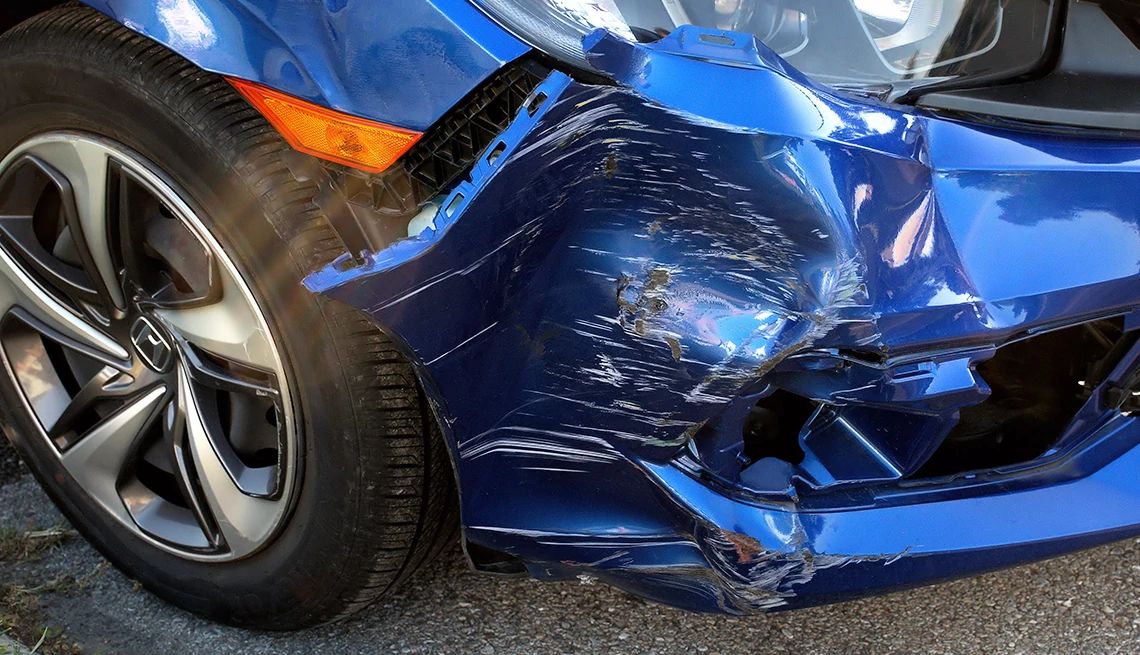
Vehicle has scratches and/or dents.

More Articles on Family »

preview