























Join AARP
Join for Just $16 A Year
- Discounts on travel and everyday savings
- Subscription to AARP The Magazine
- Free membership for your spouse or partner
Help those devastated by the Oklahoma tornadoes. Click here to donate today and AARP will match your gift
Thanks to the veterans who served our country
Let us know how the new health care law helps you
Plus you’ll get free tips and tools to help you find your perfect path to retirement.
See official rules.
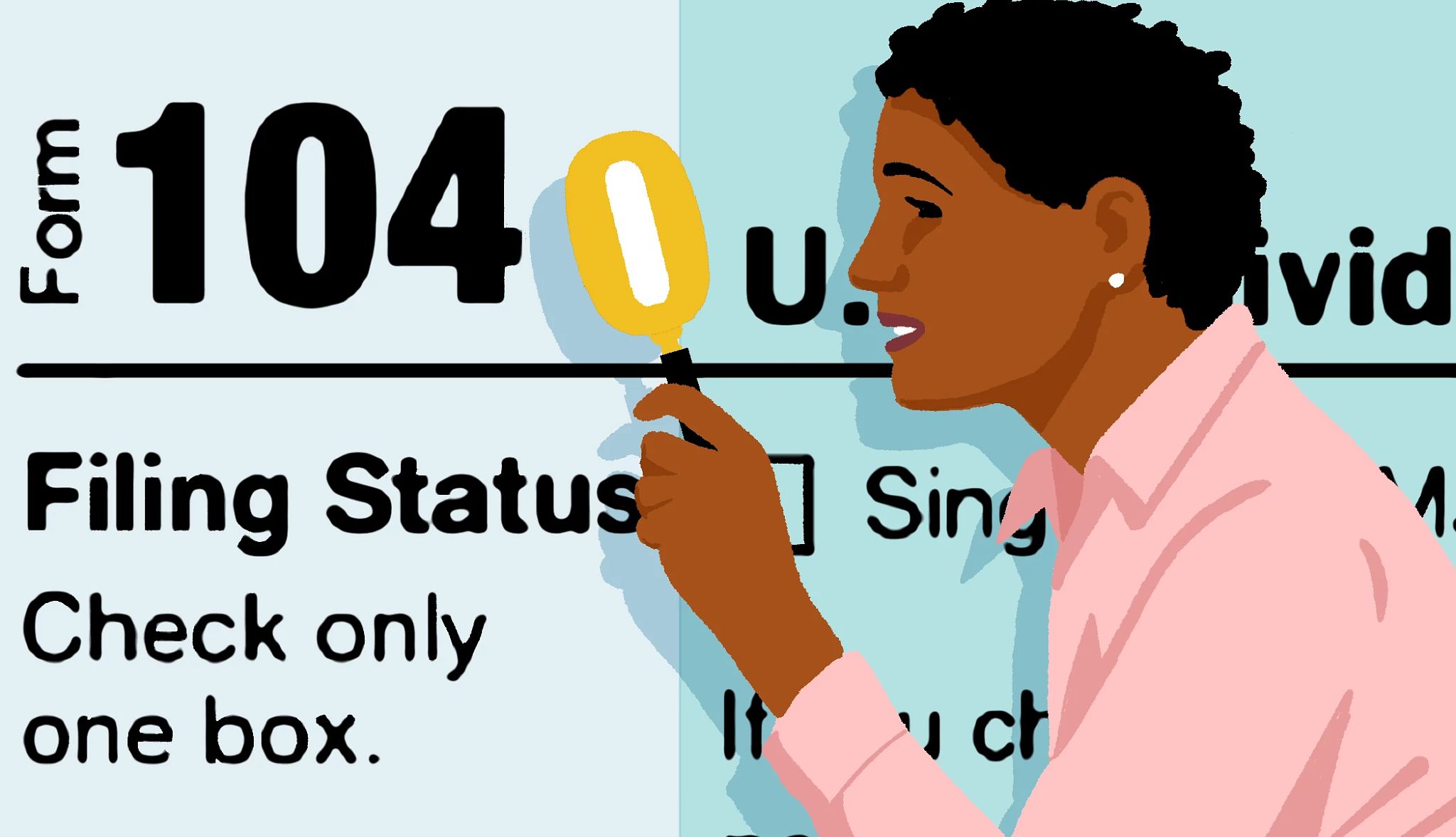
You can get free, face-to-face tax assistance nationwide.
Attend investment seminars and tell us what you find.
Download and print out these PDFs to help with your financial matters.
Enjoy titles on retirement, Social Security, and becoming debt-free.
Sign up now for an upcoming Money webinar or find materials from a past session.
Your current age in years.
The age you want to become a millionaire. For example, to find out what it could take to be a millionaire by age 40, enter 40 here.
Total value of all of your current investments. Although you could include your home and personal property in this amount - it is a bit more accurate to include only your savings, retirement accounts and investments.
The amount you will contribute each month to your investments. This calculator assumes that all savings are added to your account at the beginning of the month.
This is the annually compounded rate of return you expect from your investments. For the purposes of this calculator, taxation is not factored into the results. If you pay taxes on the interest, dividends or capital gains from these investments, you may wish to enter your after tax rate of return.
The actual rate of return is largely dependent on the type of investments you select. For example, from December 1999 to December 2009, the average annual compounded rate of return for the S&P 500 was -0.6%, including reinvestment of dividends. From January 1970 to December 2009, the average annual compounded rate of return for the S&P 500, including reinvestment of dividends, was approximately 10.1% (source: www.standardandpoors.com). Since 1970, the highest 12-month return was 61% (June 1982 through June 1983). The lowest 12-month return was -43% (March 2008 to March 2009). Savings accounts at a bank may pay as little as 1% or less but carry significantly lower risk of loss of principal balances.
It is important to remember that these scenarios are hypothetical and that future rates of return can't be predicted with certainty and that investments that pay higher rates of return are generally subject to higher risk and volatility. The actual rate of return on investments can vary widely over time, especially for long-term investments. This includes the potential loss of principal on your investment. It is not possible to invest directly in an index and the compounded rate of return noted above does not reflect sales charges and other fees that funds and/or investment companies may charge.
What you expect for the average long-term inflation rate. A common measure of inflation in the U.S. is the Consumer Price Index (CPI), which has a long-term average of 3.1% annually, from 1925 through 2009. The CPI for 2009 was -1.0%, as reported by the Minneapolis Federal Reserve.
From companies that meet the high standards of service and quality set by AARP.
AARP® Visa Signature® Card from Chase - Cash back on every purchase.
AARP® | Financial Guidance Services provided by Charles Schwab - More details.
Member access to financial and insurance products and services at AARPfinancial.com.
Members receive exclusive member benefits & affect social change. Renew Today