



AARP Hearing Center



























































Jordan Metcalf
Jump to the category
Home improvement • Yard and garden • Personal finance • Entertainment • Health care • Dental care • Phone and TV • Make it last • Utilities • Insurance • AARP member benefits • Travel • Groceries • Freebies • Car costs • Everyday shopping • Bonus Tips
Welcome to the 15th annual edition of 99 Great Ways to Save. We’ve seen a lot of economic changes in the years we’ve been doing this — inflation, higher interest rates, a rise in online shopping, to name a few. In turbulent economic times, saving a buck is more important than ever. So we consulted with professionals to get their best advice for saving on home improvements, car care, travel and more. Not every tip will work for you, but try a few and see if you can’t keep some of those dollars. Saving can be habit-forming, and following our experts’ advice can help make you more mindful of money-smart attitudes. Find tips that fit your lifestyle, and watch your savings grow.
Home improvement

Liam Eisenberg
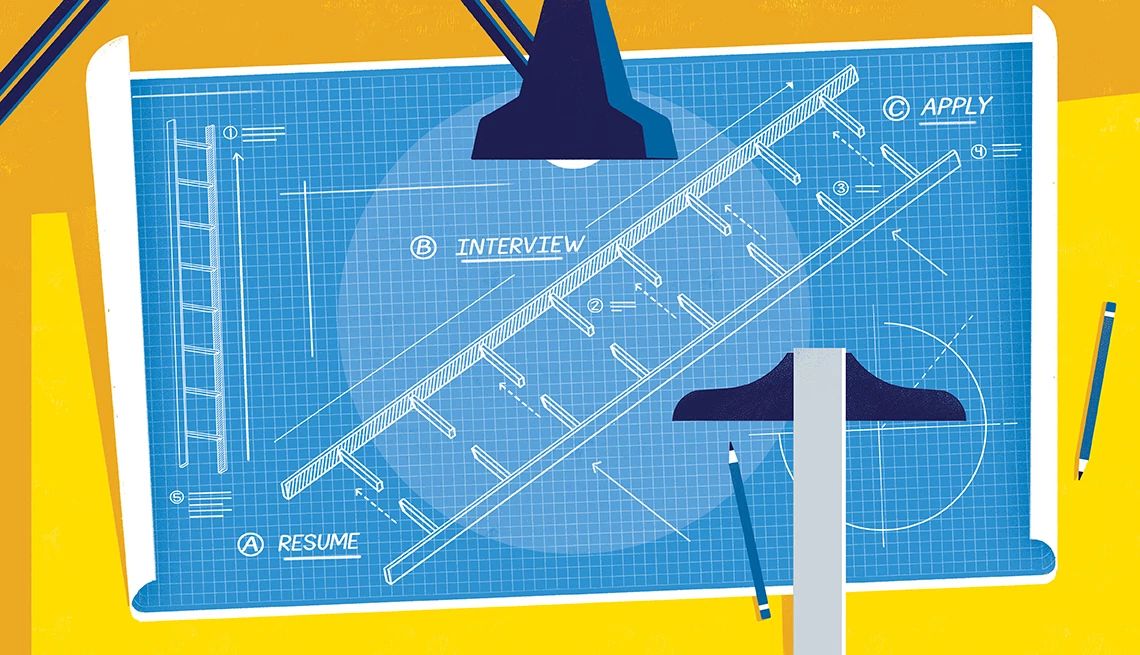
1. Observe the golden rule of insulation. If you can see the top of the floor joists in your attic, you’ll likely save energy dollars by adding insulation. The Environmental Protection Agency estimates that homeowners can save an average of 15 percent by sealing their homes and adding insulation in attics, floors over crawl spaces, and basements.
2. And batten down the hatch. Insulating your attic entry — often called the hatch —could save $150 a year in energy costs. The goal is to keep heat out of the attic. Since heat rises, an uninsulated hatch drains heat from your home. Home centers carry hatch insulation to fit most situations.
3. Know when to prime. Painting over low-gloss and using a similar color? Skip the primer. But in other situations, primer will save you money. Use primer when painting porous surfaces, such as bare drywall or wood or surfaces with high-gloss paint.
4. Wait for winter. Many people don’t want to start indoor projects during the winter due to the cold and holidays. But this means contractors are looking for work during those months and are more likely to give you a better deal as well as their full attention.
5. Know how to improve home value. If you plan to sell your home down the road, check out Remodeling Magazine’s helpful annual Cost vs. Value survey at remodeling.hw.net. Most financially helpful in 2023 was converting a fossil-fuel furnace to an electric heat pump, averaging an $18,366 return on $17,747 in cost. By comparison, a $23,430 deck would return just $9,325.
6. Rehab your tub. Replacing a stained and worn bathtub can run you $10,000 or more because you’ll likely have to replace everything that surrounds it too. But for $150 or less, you can refinish it with an epoxy-based finish, such as Ekopel 2k or the Rust-Oleum Tub & Tile Refinishing Kit.
Yard and garden
7. Go native. Plants indigenous to your region provide several cost-saving benefits: They thrive in local soil (so less need for fertilizers) and at local rain levels (so less watering). If they are grown at area nurseries, they may be less expensive than their more exotic cousins.
8. Partner with your neighbors. If all of you hire the same mowing or snow-removal crew, the business may be open to offering a discount since it can take care of all your homes at once.
9. Give your air conditioner space. Proper airflow around your outdoor condenser unit allows it to work more efficiently.
10. Make beds that last. Though mulch and flowering annuals look beautiful, you’ll need to pay to replace them. Using stones, perennial plants and other materials that last for many years will lower your outdoor maintenance expenses.
Personal finance
11. Upgrade bank savings accounts. If yours still pays 1 percent or less, switch now while you can find rates of 4 to 5 percent thanks to the Federal Reserve’s inflation-battling moves. Find comparisons at websites Bankrate and NerdWallet. On a $10,000 balance, a 5 percent interest rate could net you $400 in a year if you are making 1 percent now.
12. Set reminders for card payments. A recent report shows how much the credit card industry leans into late fees — they make up more than 10 percent of all interest and fees collected. The Consumer Financial Protection Bureau is pushing to limit these fees to the single digits; now they can reach $41 per late check arrival. Set a calendar reminder to pay your card on time.
13. Consider a robo-adviser. If you can’t afford a financial planner, a so-called robo-adviser program could help place your cash smartly across various sectors, using complex algorithms. Annual fees are typically 0.25 to 0.50 percent of the portfolio value, compared with the typical 1 percent for a human adviser. Most major investing companies, such as Fidelity and Vanguard, offer robo-adviser options.
14. Cut taxes for your heirs. As of 2020, many adult children who inherit an IRA must empty the account within 10 years. Problem is, that’s often in their prime earning years, when their tax rate is high. To spare your heirs, convert traditional IRAs to Roth IRAs and pay taxes in years when your own tax rate is low — maybe after retirement. Your kids won’t owe taxes on their Roth withdrawals.
15. Tap your 401(k) for emergencies. The recent Secure 2.0 Act allows you to withdraw $1,000 from a 401(k) or IRA once a year without the usual 10 percent penalty for those younger than 59.5, as long as the money is needed for an emergency. This can be a better option than racking up high-interest-rate debt.
16. Know your credit card savings perks. These may include discounted or early access concert tickets, extended warranties, purchase protection against damage or theft, and rental car insurance. Find out what perks your card offers and use them.
Entertainment
17. Wait to buy your tickets for sporting events. For most regular season games across all major sports, prices usually drop as the event approaches. Watch for tickets leading up to the game.
18. But not for concerts. Tickets for top musical acts almost never drop in price as the event approaches. In fact, your goal is to buy tickets the first day they go on sale and directly from the venue or its official ticket-selling agency, both to get better seats and to lock in more reasonable, often-band-approved costs. If you wait, you’ll likely pay more to ticket resellers.
19. Hit the movies midweek. Early afternoon matinees have long been the way to save on movie tickets, but some theaters also offer discounts on evening shows playing on, say, Tuesday or Wednesday, charging as little as $5. You might even get a deal on popcorn.
20. Buy lunch takeout for dinner. Restaurants often offer more food for less money at lunch. A lunch special may include, for example, a soup or salad and sides. Plan ahead, and order takeout at lunchtime, then stick it in the refrigerator until the evening meal.
21. Let a deal drive a vacation. Stay flexible about where you’d like to go and watch for specials. Travelzoo continuously features package deals to various destinations. Or stay flexible on timing. Sites such as Hopper let you set an alert for a specific destination, and you’ll be notified when there is a deal.
22. Use your workplace benefits. Many employees miss entertainment perks offered through their employers, such as discounted tickets to amusement parks, museums, Broadway shows, concerts and more. Also, check out what is offered by your professional groups and organizations such as AAA.
23. Arrive together, but sit separately. Sure, it takes some of the social fun out of it, but you can often save on theater tickets by buying single seats. Chat during intermission — or not.
Health care

Liam Eisenberg
24. Consider a surgical center. Need a surgery that doesn’t require an overnight hospital stay? Ask your doctor if there’s a nearby surgical center equipped to handle outpatient procedures. It’s likely to cost you significantly less than a hospital. For example, the Medicare copay for cataract surgery is $363 at a surgical center versus $588 at a hospital.
25. Get a free gym membership. Enrolled in Medicare? Many Advantage and Medigap plans include a free gym membership, often through the SilverSneakers program or other options.
26. Use up your OTC benefit. Most Medicare Advantage plans include a prepaid card you can use to purchase over-the-counter medicines and health-related items. The allowance expires monthly or quarterly, so stock up before the card resets.
27. Try virtual visits. During the pandemic, Medicare began covering many types of medical appointments via computer, tablet or phone. Coverage for these telehealth services was recently extended through the end of 2024, including services with physical therapists, speech pathologists and others. Meeting virtually may save you the cost of a ride or parking, or the time you need to take off work.
28. Need an X-ray? Shop around. One study found that prices for common radiology services (X-rays, MRIs, scans) can vary nearly fourfold — that’s 400 percent — depending on the provider and insurance network. If you are paying out of pocket, or have a high deductible, comparing costs can mean big savings.
29. Get help with high drug costs. The Inflation Reduction Act expanded a program that helps some people with their drug costs. This year, more Medicare users will pay no premium or deductible and a reduced amount for generic and brand drugs. The program is based on your income and assets. Learn more at medicare.gov/extrahelp.
30. Ask your insurer about free screenings. More companies cover some tests without a copay. They know that catching health issues early saves money for them as well as for you. Early diagnosis can save you suffering — maybe even your life.
Dental care
31. Join a dental savings plan. These noninsurance plans negotiate dental discounts, averaging 50 percent, and typically cost about $150 per year as long as you use a dentist who accepts the plan. Search for plans in your area at DentalPlans.com.
32. Or join a dentist membership plan. Some dentists have their own plans. A monthly fee includes maintenance at no extra charge and other procedures at a discount. These dentists know that regular dental care will save you money while providing them with a regular income.


You Might Also Like
Tips to Find the Best Car for You
From making sure the screen text is large enough to having power seats, here’s what older drivers should look for
Drugstore Skin-Care Buys Better Than the Pricey Stuff
Keep aging skin polished, plumped and pampered for lessHow to Sell Your Parents' Home Without Grief, Family Drama or Financial Urgency
Five steps to work through a potentially fraught situation
Recommended for You