Your Aching Back
You knew that box was too heavy, but you lifted it anyway—and threw your back out.
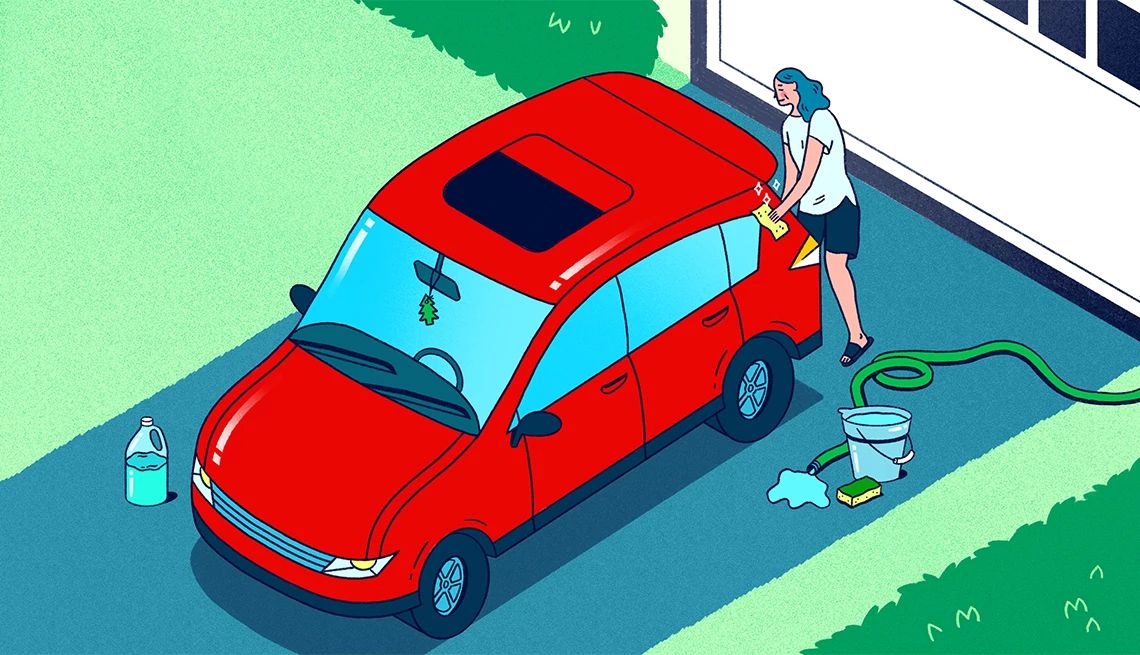
Because your back is a sensitive mass of nerves, bones, tendons, and muscles, any strain from lifting, bending, or twisting can throw it out of kilter. Activities like shoveling snow or moving furniture can be back hazards if you're not careful.
Falls, accidents, poor posture, or the wrong chair or mattress also can trigger back pain. So can conditions like arthritis, osteoporosis, ruptured or bulging back discs, or shifting vertebrae in your spine. Since your lower back supports most of your body's weight, it's the area most likely to get hurt.
Most American adults will have back pain some time in their lives. After lung conditions, low back pain is the most common reason Americans visit a doctor. It is also the most frequent reason that Americans visit a licensed acupuncturist.
Pain, Pain Go Away
Back pain often goes away after a short time. Sometimes it comes and goes, but the pain also can become chronic. There are lots of things you can do to relieve it. Self-care is a big part of managing and treating back pain.
Since everyone is different, what helped Aunt Sara might not work for you. And it could take a combination of treatments to help you feel better. Combining treatments also could bring quicker pain relief than using just one approach, according to John Reed, M.D., Vice President of Medical Affairs at American WholeHealth Networks, Inc.
Moving is Best
Lying flat on your back for days or weeks on end is an old remedy for back pain that was ineffective. While inactivity can stiffen and weaken muscles, making pain worse, movement can promote healing by loosening and strengthening back muscles.
But use common sense. Just as you wouldn’t run a 10K with a sprained ankle, you don’t want to exercise during the first few days of pain, according to Reed.
After the first few days of a back injury, Reed suggests going about your daily activities, adding light-to-moderate physical activity like stretching and relaxation exercises such as massages. If your pain lasts beyond six weeks, have a physical therapist or back specialist help you design an exercise plan for your specific problem.
Changing Your Lifestyle
Even small lifestyle changes can make a big difference in relieving back pain:
- Switching to a firmer mattress or more supportive desk chair
- Improving your posture by standing and sitting up tall
- Replacing your high heels with flats or low-heeled shoes
- Shedding extra pounds if you're overweight
- Reducing stress with relaxation (meditation, deep breathing)
- Stretching before and after any physical activity (see "Additional Resources" for sample stretches)
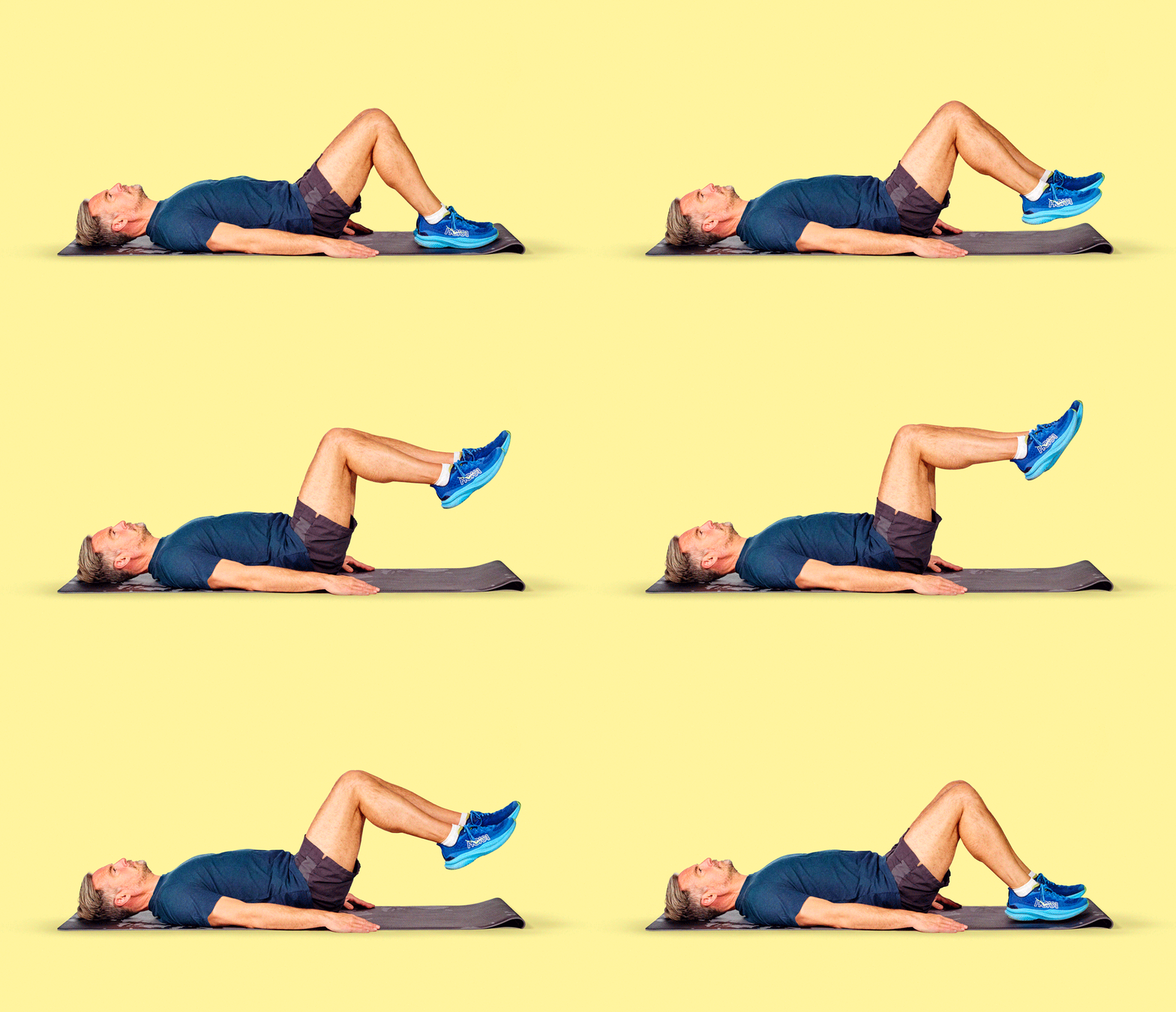
- Adding abdominal exercises to your routine. Doing crunches is a great way to strengthen your stomach muscles. That helps with back pain.
Prevention Prescription
Not only can self-care help you manage and relieve back pain, it can help you prevent it. Here are some ways to protect your back:
- Stay fit. Exercise regularly (a minimum of 30 minutes a day, at least five days a week) for overall health and to maintain your weight. Don’t forget to stretch before and afterward. Strengthen, tone, and stretch your back, stomach, and leg muscles with exercises like yoga, Pilates, and strength training. Pilates and yoga are also good for balance, flexibility, and posture, and can help prevent falls.
- Lift properly. Learning the right lifting technique can save your back. Bend at your knees and use your legs – not your back – to pick up heavy items. Use a dolly, wheelbarrow, or wagon if something is too heavy to lift yourself.
- Work right. Fix problems with your work space. Leaning or slouching over a computer, desk or telephone can take a major toll on your back. So can straining to reach a keyboard or computer screen or sitting all day in an ill-fitting chair. Invest in a low-back chair pillow, telephone headset, footstool, or other aids.
- Check mental stress. Stress can contribute to all kinds of health problems, including back pain. Take breaks throughout your day. Get up from your desk, stretch and walk around.
Massaged and Manipulated
Chiropractors massage and adjust the spine and back muscles to relieve pain. While this kind of treatment could ease moderate and uncomplicated back pain, it could make serious back problems worse. Have your chiropractor review your x-rays and write a care plan you can share with your doctor. Choose a qualified, licensed chiropractor. Physical therapists, osteopaths, and massage therapists also relieve back pain with exercise, adjustments, and massage.
Pointed Approach
There are many different forms of acupuncture. One form of acupuncture completed by an acupuncturist may be quite different than another. And any given practitioner may perform the acupuncture differently than another.
Typically, acupuncture is performed with a very thin needle that causes gentle sensations. It is usually not painful. Classically, acupuncture involves the use of a needle — although sometimes electricity is passed through the needle. Sometimes the burning of traditional Chinese herbs is done as well. Where the needle is inserted is often far from the actual area of symptoms. So, if you have back pain, you might have needles placed in your feet, ears or somewhere else distant from the actual site of the pain.
Pain Medicines
Common over-the-counter medicines that reduce pain and swelling, like aspirin or ibuprofen, can sometimes relieve back pain. Doctors might recommend stronger painkillers or muscle relaxants for serious back pain. These stronger medications may make some patients quite drowsy.
Under the Knife
Surgery is a big deal—get a second opinion if a doctor recommends it. Often, less invasive approaches can help and surgery isn't needed.
If your back pain seems to be getting worse and keeps you from work or normal activities, see your doctor. Sometimes back pain could signal a serious health problem, like tumors, kidney disease, or infection. If you have other symptoms with your back pain, like fever, vomiting, bowel or bladder problems, trouble walking, or arm or leg numbness, see a doctor right away.
Don't take your back for granted. It's easier to prevent back problems than it is to correct them.
AARP Resources
Yoga
Yields Mind/Body Fitness
Stretch and strengthen your back, and improve your balance and
flexibility with yoga.
AARP's
Alternative Health and Wellness Network
AARP members can get discounts on chiropractors and other
practitioners. The Healing Center also has information on which
supplements and natural remedies can relieve back pain.
Strength Training for Boomers
Strength training is key for strong bones and muscles; one of the best ways you can protect your back is by building up the muscles of abs and legs – learn how.
Health Conditions
Find reliable, easy-to-use information, including a general overview of lower back pain.
Additional Resources
Back in Action
See animated examples of 11 stretching exercises to help your back.
American Academy of Medical Acupuncture
Find a physician acupuncturist and answers to questions about acupuncture.
American Chiropractic Association
Learn more about chiropractic treatment for back pain and find a chiropractor in your area.
Books
Find these books online at Barnes and Noble.com.
Relief Is in the Stretch: End Back Pain Through Yoga
Loren Fishman, Carol Ardman, Norton, W. W. & Company, Inc., 2005.
The Backsmart Fitness Plan
Adam Weiss, Dean L. Mondell, McGraw-Hill Companies, 2005.