



AARP Hearing Center


























































Getty Images
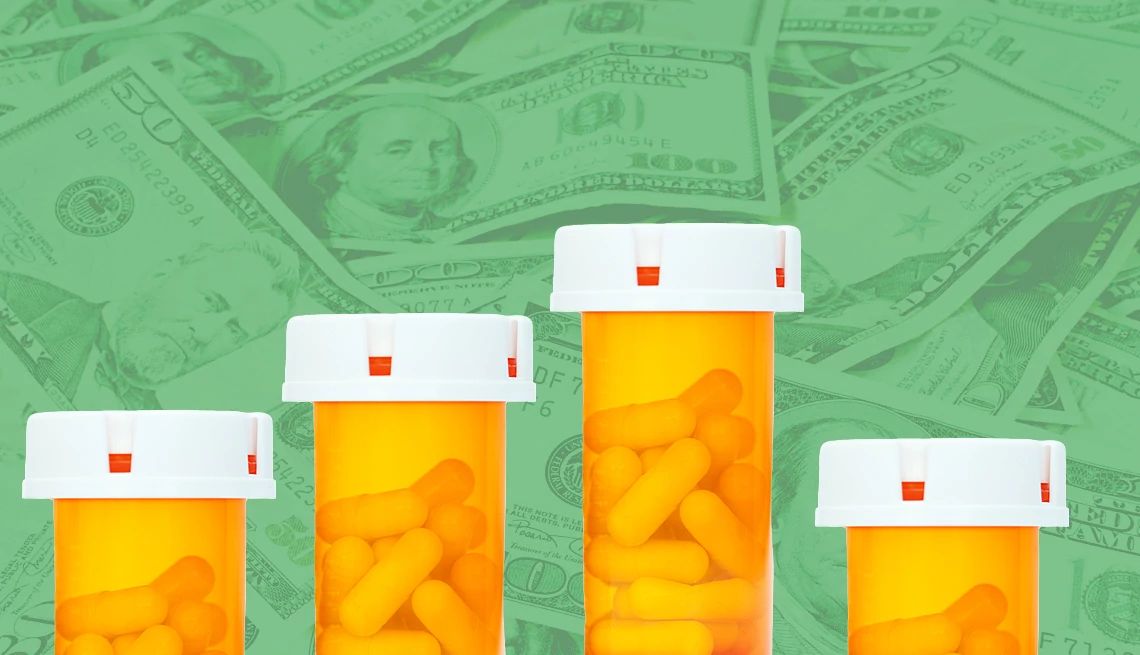
The Inflation Reduction Act of 2022 will help millions of Americans better afford their life-sustaining medications and also help them pay for other out-of-pocket health care costs. Here are the answers to some commonly asked questions about the new law. Go to AARP.org/fiercedefender to learn more about the law's health care provisions and AARP’s role in fighting for these changes.
Lowering Drug Prices
When will Medicare drug-price negotiations begin?
The U.S. Department of Health and Human Services (HHS) will begin the negotiation process in 2023. By 2024 the agency will identify which 10 prescription drugs will be the first whose prices will be negotiated. By 2029, up to 60 drugs will be subject to price negotiation.
AARP Tele-Town Hall on the Fight to Lower Prescription Drug Costs
Hear a replay of the event

Getty Images
When can we expect to see a difference in drug prices?
The first prices resulting from the negotiations between HHS and drugmakers will take effect in 2026.
Which drugs will be subject to negotiation?
The drugs selected will be among the 100 medications that Medicare spends the most on. The drugs selected for negotiation can't have any direct competition from generic or biosimilar (a generic form of a biologic drug) alternatives. And they have to have been on the market for a certain number of years.


More on politics-society
At Long Last, Prescription Drug Price Relief
A special message from our CEO
Volunteers Made a Difference in Historic Medicare Vote
Volunteers nationwide asked lawmakers to offer relief from prescription drug prices
Prescription Drug Win Caps AARP’s Yearslong Fight for Lower Prices
The power of tens of millions of 50-plus adults led to a historic victory