The New Raw Deal
By: Jacob S. Hacker Source: AARP Bulletin Today Date Posted: 2007-04
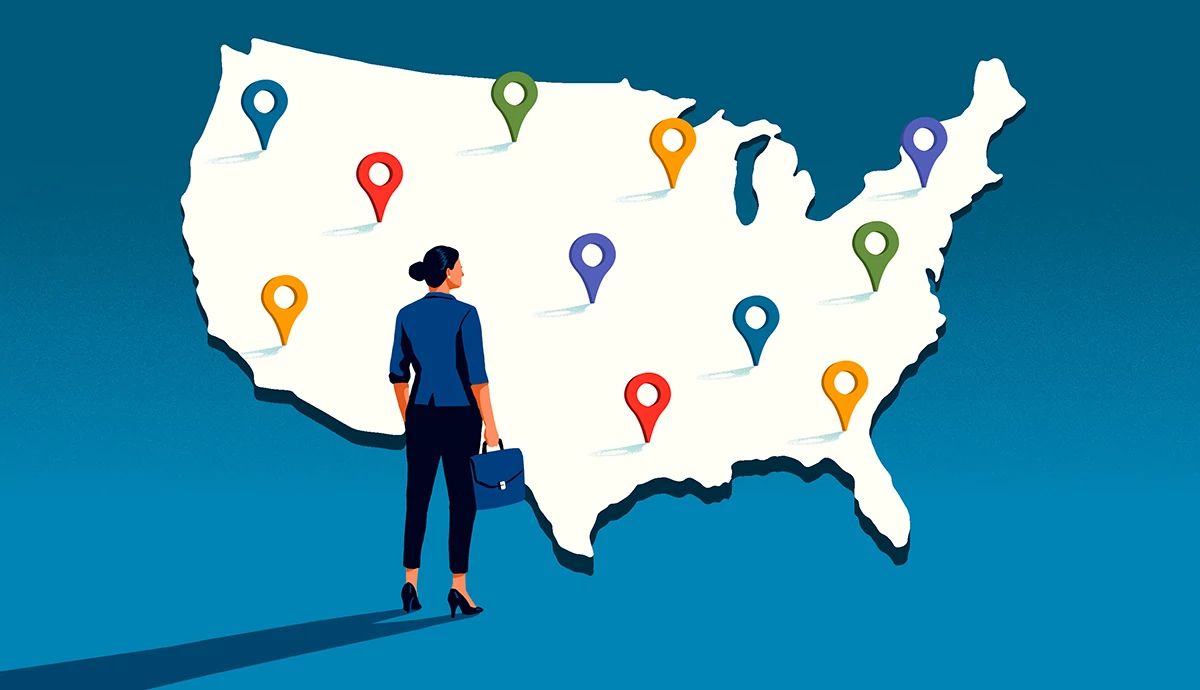
In nearly every facet of middle-class economic life—health insurance, pensions, job security and family finances—economic risk is shifting from the broad shoulders of government and corporations onto the fragile backs of American families. I call this transformation the "Great Risk Shift," and I believe it is at the heart of the economic anxieties that middle-class Americans have expressed in recent years.
The United States has a distinctive framework of economic security, one that relies heavily on employers to provide essential social benefits. Today, however, this framework is eroding, and risk is shifting back to workers and their families. Employment-based health insurance, for example, has contracted dramatically, leaving nearly one in three nonelderly Americans uninsured at some point recently—most for over nine months. Even as pension coverage has stagnated, guaranteed defined benefit plans have been supplanted by individual-account-style defined contribution plans, which place much of the risk of retirement planning on workers themselves.
We hear much about inequality—the growing gaps between the rungs on our economic ladder. But the term that really captures the shift I am describing is insecurity—the growing risk of slipping from the ladder itself. And insecurity is what too many people feel. These are not just problems of the poor or poorly educated. Insecurity today reaches across the income spectrum, across the racial divide, across lines of geography and gender. Increasingly, all Americans are riding the economic roller coaster once reserved for the working poor. Family incomes have grown more unstable, personal bankruptcies and home foreclosures have become stunningly more common, and household debt as a share of disposable income is at record levels.
It's common to say that trends like these either cannot be addressed or that addressing them will hurt our economy. Both claims are false. The Great Risk Shift is not inevitable. In an economy as rich as ours, there is no compelling reason why we could not shore up and update the buffers that protect families from economic risk to help them prosper in our increasingly dynamic, flexible, and, yes, uncertain economy. This means affordable, universal health insurance that moves with workers from job to job, a better framework for retirement planning that protects workers against the serious risks they face in preparing for retirement, and job protections that truly help workers who are permanently displaced from good jobs or who struggle to balance work and family.
The claim that a basic foundation of security will drag our economy down is equally misleading. We cannot and should not insure people against every economic risk they face. But it is a grave mistake to see security as opposed to opportunity. We give corporations limited liability, after all, precisely to encourage entrepreneurs to take risks. If middle-class Americans are to make the risky investments necessary to thrive in our new economy, they need an improved safety net, not an ever more tattered one. Yet while we still have limited liability for American corporations, we increasingly have full liability for American families.
The American dream is about security and opportunity alike. And ensuring the vibrancy of that dream in the coming decades will require providing security and opportunity alike.
Jacob S. Hacker, a political scientist at Yale University and fellow at the New America Foundation, is the author of The Great Risk Shift: The Assault on American Jobs, Families, Health Care, and Retirement—And How You Can Fight Back (Oxford University Press USA, 2006).
Additional Related Links
Listen to a Prime Time Radio Interview with Jacob S. Hacker
Health Care for All (January 2007)
The Do-It-Yourself Pension (September 2005)
Living on Social Security (April 2005)


Share
preview