Get Organized for Your Financial Plan
Course Section
- Overview
- What Does Your Cash Flow Look Like?
- Monthly Income Worksheet (PDF)
- Monthly Expenses Worksheet (PDF)
- Semi-Annual and Annual Expenses Worksheet (PDF)
- Your Cash Flow Picture
- Cash Flow Adjustment Worksheet (PDF)
- Getting Organized
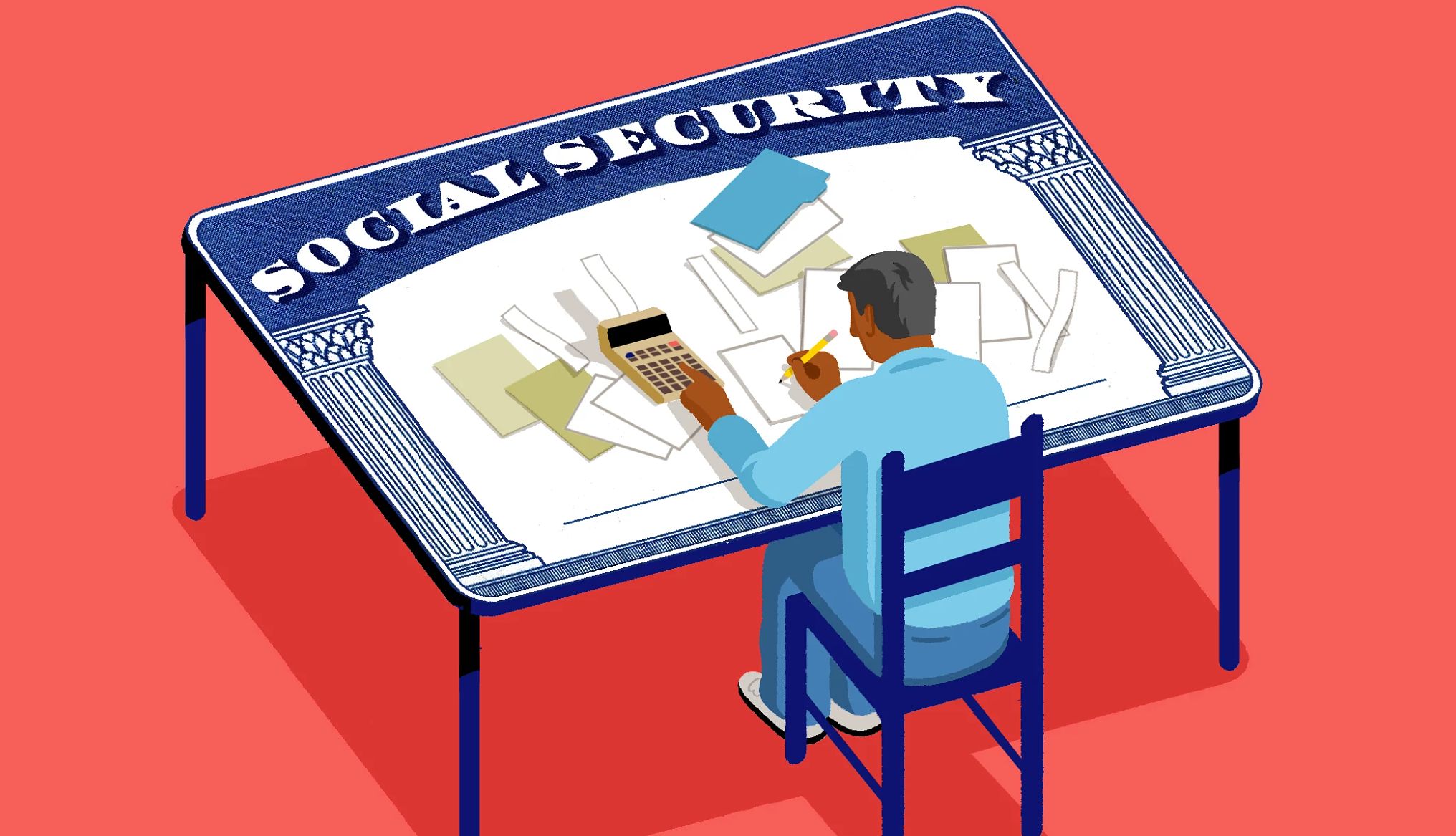
Between the unwanted mail that arrives in our mailboxes each day and the newspapers that get tossed on the front stoop, it's easy to feel like we're drowning in paper. Even our important papers seem to pile up on bookshelves and dining room tables, waiting for us to find the time to sort and file them. Getting organized can seem like a daunting task, but it's absolutely essential. Before you can manage your financial affairs, you need to take charge of the documents that tell you how much money you have. If you don't control that information, you don't control your money.
An easy way to track your expenses is to use a software program such as Quicken or Microsoft's Money. Below is a record keeping system you can set up and do yourself.
What you will need:
- Loose-leaf notebook, paper, and dividers
- Hole puncher
- Cardboard file box (if you don't already have a file cabinet)
- File folders
- Fireproof storage box
- Small safe deposit box
Legal, Personal, and Family Document List
Download
the Microsoft Word version of the forms, so that you can fill them out as you need.
What You Should Know
Organizing in Small Steps
Depending on the height of your paper piles, organizing your financial files could be a challenge. Do yourself a favor and complete this monumental task in small steps.
First, separate your papers. Recycle newspapers and catalogs. Discard unwanted mail. Set aside bills, account statements, insurance policies, and other business papers.
Next, go to the store. Buy a loose-leaf notebook, loose-leaf paper, and dividers. Pick up a hole puncher so you can insert papers into your notebook. Purchase a cardboard file box (if you don't already have a filing cabinet) and file folders. Buy a small, fireproof storage box.
Stop at your local bank and rent a small safe deposit box.
Now, review the legal, personal, and family document checklists that you download above to determine whether you should store your important papers in a bank safe deposit box, a fireproof box at home, and/or with a trusted lawyer, relative, or friend. Then, as you store each item, check it off. If you stored the item in a place other than the one specified here, please list the alternate place. Store these document checklists in the front of your Financial Notebook.
Your Financial Notebook
You'll be using your loose-leaf notebook to record all the information that you, or your loved ones, need to know about your financial affairs. Keep this Financial Notebook in your home. Give a copy to a friend or relative for safekeeping. Put a copy in your safe deposit box. Update the notebook annually or whenever a significant change occurs in your financial situation.
Your Financial Notebook will contain three major sections. Each of these sections is covered in detail in the sections below:
Label the first section Money. Here, you'll list all your bank, investment, and credit card accounts. These are described in the Financial Notebook: Money Section of Step 1.
Call the second section Financial Documents. This is where you'll list the name and location of all your important documents, including real estate, insurance, and tax files. These are described in the Financial Notebook: Financial Documents section of Step 1.
Label the third section Legal, Personal, and Family Directories. You'll use these pages to list information that your heirs will need to know if you die or become incapacitated. These are described in the Legal, Personal, and Family Directories section of Step 1.
Your Storage System
Now it's time to store the important documents that have been sitting in your paper piles. Some of these documents will be safe in your cardboard file box. Others should be stored in your fireproof box. A few need to go into your safe deposit box.
Financial Notebook: Money Section
What you will need:
Bank or Credit Union Accounts
download
Investment Accounts
download
Retirement Accounts
download
Credit Card Accounts
download
U.S. Savings Bonds
download
View a print friendly version or download the MS Word version of the forms, so that you can fill them out as you need.
As you prepare to list your bank, investment, and credit card accounts in your Financial Notebook, you may be surprised at how many different accounts you have.
You can print the charts described below and insert them into the Money section of your Financial Notebook.
Bank or Credit Union Accounts
The Bank Accounts chart should list savings accounts, personal or business checking accounts, certificates of deposit (CDs), money market funds, or other investments. For each bank or credit union account, list:
- The name of the organization that holds the account
- The type and purpose of the account
- The account number
- The dollar amount currently in the account
- Any fees associated with the account
- Interest you have received so far this year
- Your total average return last year
- Name(s) of account owner(s)
Investment Accounts
The Investment Accounts chart should include accounts you use for your stock, bond, or mutual fund trading. It also can include information about your investment club or your Education IRA. Do you have a multi-purpose account from which you do your banking, check writing, and investing? If so, list that account in this chart. For each investment account, list:
- The name of the organization that holds the account
- The type and purpose of the account
- The account number
- The dollar amount currently in the account
- Any fees associated with the account
- Any dividends you have earned last year
- Your total return last year (You will find this information on the year-end statements that you received from your bank, brokerage house, credit union or other financial services company.)
- Name(s) of account owner(s)
Retirement Accounts
You and your spouse should be investing each year in an Individual Retirement Account (IRA), a 401(k) plan, or other retirement plan. List all of these accounts, plus your pension/profit sharing plan, deferred compensation, and annuities. For each retirement account, list:
- The name of the investment firm that holds the account
- The type of account
- The account number
- The dollar amount currently in the account
- Any fees associated with the account
- Your total return last year (You will find this information on the year-end statements that you received from your bank, brokerage house, credit union or other financial services company.)
- Name(s) of account owner(s)
Credit Card Accounts
The Credit Card Accounts chart should include your general-use credit cards, as well as the cards you use to shop at your favorite stores. For each credit card account, list:
- The name of the card
- The unpaid balance
- The finance charge rate and the finance charges assessed and/or paid last year
- The line of credit
- The annual fee
- The telephone number you must call to report a lost or stolen card
- Name(s) of account owner(s)
U.S. Savings Bonds
The Bureau of the Public Debt will replace any U.S. Savings Bonds that you lose or that are stolen. However, you must provide the Bureau with specific information about each bond that you own. For safety sake, log each one of your Savings Bonds into your Financial Notebook. For each savings bond, list the:
- type of bond (EE, I, HH)
- Social Security number that appears on each bond
- bond's serial number
- bond's face value
- bond's issue date
- bond's maturity date
Financial Notebook: Financial Documents
What you will need:
Insurance Policies
download
Tax Records
download
View a print friendly version or download the MS Word version of the forms, so that you can fill them out as you need.
It's sometimes hard to know what documents are important enough to save and what papers can safely be tossed. As a rule of thumb, you should save all your real estate documents, insurance policies, and tax records in a safe place where you can get to them easily. Your financial situation will dictate what other documents you must keep.
Before you begin sorting and filing your important papers, consult the Checklist of Legal, Personal, and Family Documents. This checklist will help you determine whether specific documents should be stored in your home, at the bank, or with an attorney. Make a list in your Financial Notebook of all your documents and where they are filed.
As you set up the second section of your Financial Notebook, you can print available charts and insert those pages into your notebook's Financial Documents section.
Real Estate Papers
Real estate papers come in handy if damage occurs to your residence, if you want to move out, or when it's time to claim home mortgage deductions on your income taxes. Find and file:
- Your lease, if you rent your home or office
- Your property deed, if you own a home or other building
- The documents you received when you closed on your real estate purchases
- Receipts for improvements to the property you own
If you own property that you rent to others, make sure you keep a copy of the tenants' lease, your deed to the property, and any closing documents. Don't throw away your receipts for rent, repairs, and other expenses.
Insurance Policies
Keeping a handle on all your insurance policies can help you analyze if you have enough coverage to protect yourself adequately and if you're paying too much for coverage. Find and file your homeowners, automobile, disability, flood, life, long-term care, and health insurance policies. Use the Insurance Policies chart to list, for each policy, the:
- type of policy
- company that issued the policy
- policy number
- annual premium
- location where you stored the policy
- Name(s) of policy owner(s)
Tax Records
The IRS has the legal right to audit your tax returns up to three years after you file them. That's probably the most compelling reason to keep your tax records on file for at least three years. If you have an accountant or tax lawyer, that person will keep records of all your tax filings. To be safe, you should also keep your own set of documents. Find and file all of your Federal, State, and Local tax returns for the current year and three years prior to that. In your Financial Notebook, list your tax documents by year and identify where you filed them.
Financial Notebook: Legal, Personal, and Family Directories
What you will need:
Personal Directory downloadProfessional Directory download
View a print friendly version or download the MS Word version of the forms, so that you can fill them out as you need.
There may come a time when illness or death keeps you from managing your own affairs. If this happens, your family will need to find certain information, quickly and easily. That's where the third section of your Financial Notebook comes in. In it, you'll list information about your friends, relatives, and the professionals involved in your affairs. You'll also tell your family where to find important financial and legal documents.
Divide the third section of your Financial Notebook into three parts:
Your Personal Directory
List the names, addresses, and telephone numbers of people who should be notified in case of emergency. Include your spouse or partner, and your children. List the people named in your will, Power of Attorney, and trust agreements.
Your Professional Directory
List the name, address, and telephone number of every professional involved in your business or personal affairs. Include your doctors, lawyer, and insurance agent. Don't forget your employer(s).
Your Checklist of Legal, Personal, and Family Documents
Note the location of your important financial and legal documents. Include income tax records, insurance policies, an inventory of your personal property, and your will.
Additional Resources
A Working Woman's Guide to Financial Security
The University of Illinois Extension Service has published on online guide to financial planning for working women. The guide includes a chapter on "Organizing Your Family and Financial Records," which gives tips on keeping your financial paperwork under control.
Books
"The Wall Street Journal Lifetime Guide to Money: Everything You Need to Know About Managing Your Finances For Every Stage of Life" (Hyperion, 1997) This book, written by The Wall Street Journal's Personal Finance Staff, contains a section on how to organize your financial records, and how to decide what to keep and what to throw away.
Web sites
The iVillage.com Web site features an article entitled "Recordkeeping" that offers tips on what financial papers you can throw away and what papers you should save indefinitely.
AARP Resources
"Money Matters: Your Guide for Financial Security" and "Future Focus: Your Guide to Financial Planning for Retirement," published by AARP, present clear and concise steps you can take toward a secure financial future. To order a free copy, send an e-mail to member@aarp.org, include the publications' titles and your full mailing address.