AARP.org
Connect with the AARP Community, it's free. Log In Sign Up

Retirement Planning

Traditional Pensions

A defined benefit pension plan is also known as a traditional plan. This is the type of pension plan that your father or grandfather probably had. Your employer puts money aside for you, manages it, and guarantees you a specific amount of money for life upon your retirement. The total amount of your pension depends on how long you have worked for the company and how much money you've earned over the years.

How they work
They usually begin paying your benefits when you reach retirement age and stop working. Benefits will continue for as long as you live. Most defined benefit plans send you a monthly check. Some give you the option, instead, to receive one lump-sum payment when you retire.

Vesting
In most defined benefit plans, you must participate for a certain number of years before you have a legal right to receive the benefits. This is called "vesting." There are two types of vesting formulas:

  • Cliff vesting. The "cliff" vesting formula lets you own 100% of your pension benefit after you've participated in your pension plan for 5 years. This means that if you leave your job in year 6, you can take all of your pension funds with you—but if you leave in year 4, you get none of it.
  • Graded vesting. The graded vesting formula lets you own a certain portion of your pension benefits every few years. According to the minimum formula, you would own 20% of your pension benefits after 3 years, then 20% more in each year after that. Your plan could be more generous than this. Federal law says it can't offer you less than this formula.

You, or your spouse too?
When you join a defined benefit plan, you must decide whether your pension will cover you alone, or you and your spouse. If you choose the second option, your spouse can continue to receive your pension checks after you die. If you decide to have your pension cover only you, you'll receive more money in each month's pension check. Your spouse must agree in writing to this arrangement.

Social Security's impact
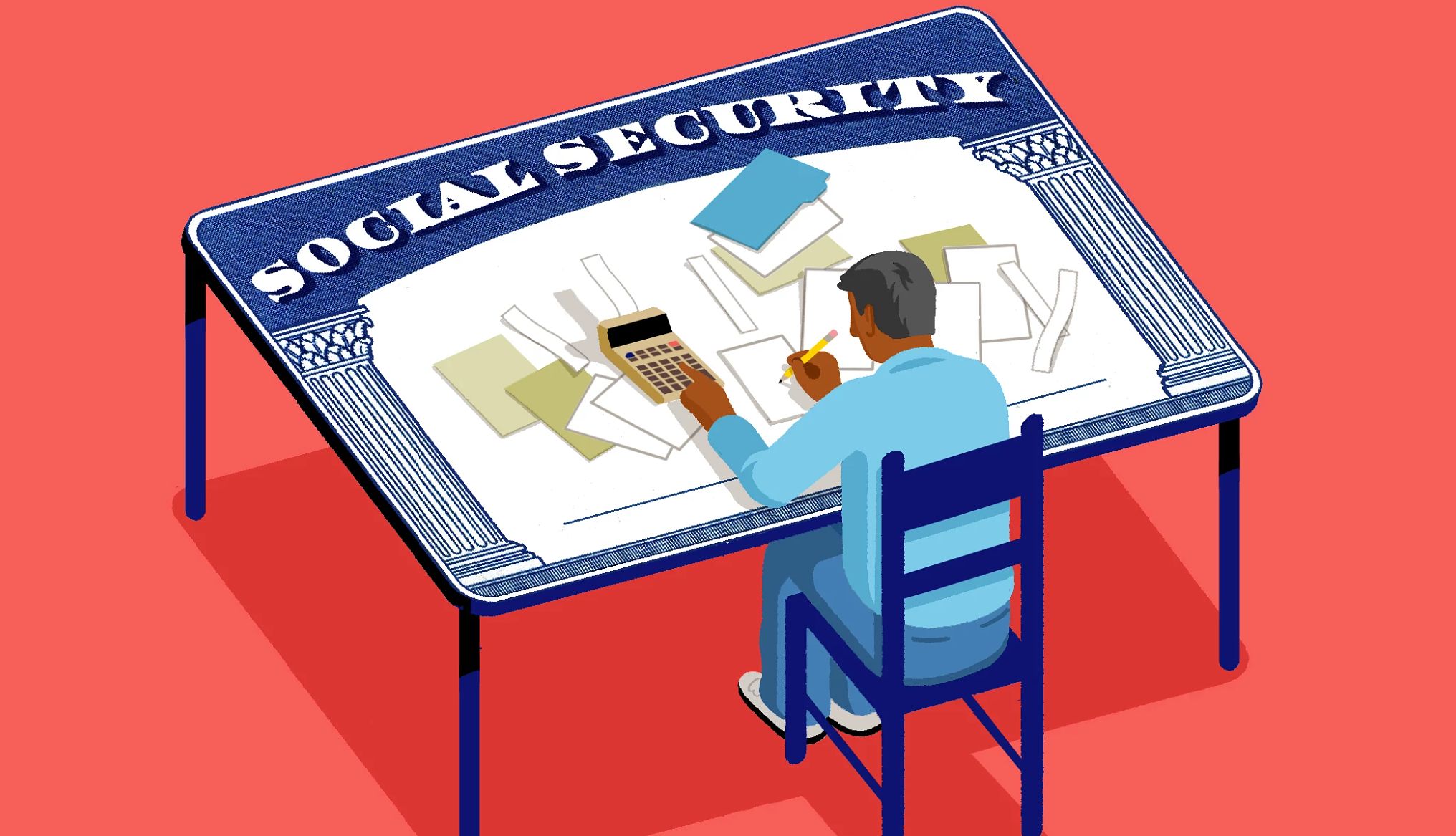
Some defined benefit plans work hand-in-hand with Social Security benefits. Because employers contribute money in your name to the Social Security system, the law allows them to reduce your pension benefit by up to 50% of your projected Social Security benefit. If you decide to retire early, most plans will give you additional money until you become eligible for Social Security.

Safety
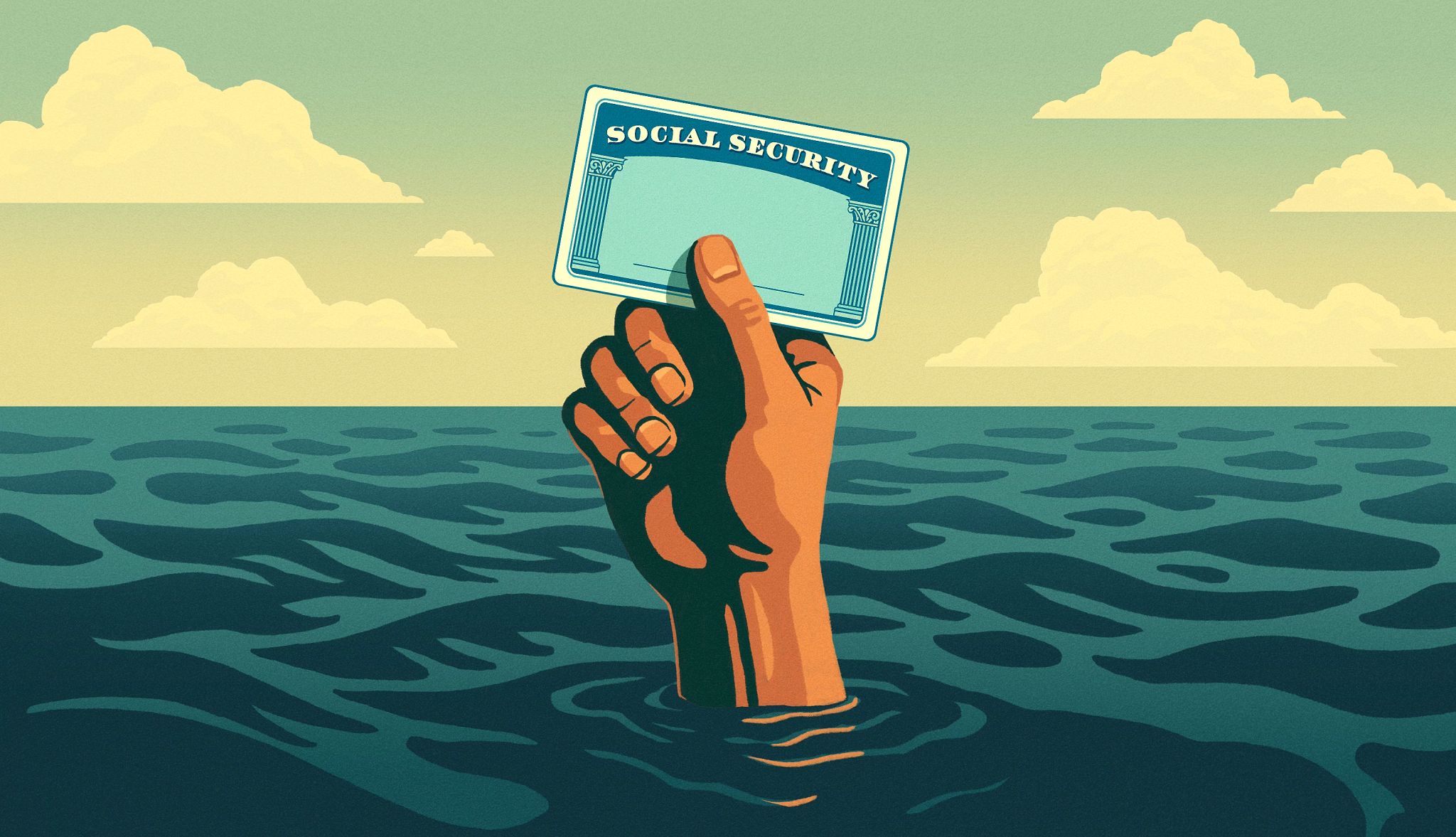
The Pension Benefit Guaranty Corporation (PBGC), a government agency, protects and insures pensions. If your plan doesn't have enough money to pay your benefits, the PBGC will pay the benefits up to a certain point. You may not get the full pension that you expected.

Cash Balance Plans

More employers are offering or converting their pension plans to cash balance plans. A cash balance plan is a defined benefit plan. With a cash balance plan, your employer deposits a pay credit and an interest credit in your account each year. The pay credit is dependent upon your salary.

How do they work?
A cash balance plan considerers just one thing—your salary. The length of your employment or your age has no bearing on the plan. There are no investment decisions to make, an employee doesn't make contributions, and when you retire, you receive your money as a lump sum or an annuity. If you are vested and leave your job, often you can receive the annuity prior to retirement age. Investment risks and rewards on plan assets are borne solely by the employer.

Cash balance plans can be beneficial for younger employees. That's because benefits are not based on the length of your employment and age. Cash balance plans are less attractive to mature workers for the same reason—age and longevity on the job are not rewarded.

Keep Track of Your Pension Benefits
Too many people actually lose track of a pension they earned. Others forget about a retirement account they set up many years ago.

Pension Tracking Checklist
Review this checklist to make sure you know about all your sources of retirement income:

  • List the jobs you, your spouse, or partner has had over the years. Work hard to jog your memory about any pension or retirement savings either of you has earned from these jobs.
  • Has a company where you worked gone out of business? Merged? Closed down its pension plan? Contact the Pension Benefit Guaranty Corporation (PBGC). Call PBGC at 202-326-4000 or search for your lost pension on the PBGC Web site.
  • Did you work for state or local government or serve as a public school teacher?
  • Contact the agency that employed you to see if you have a pension. If you can't find a record of your pension, write to the National Association of Unclaimed Property Administrators, PO Box 7156, Bismarck, ND 58507. You can also search under your name at the Missing Money Web site.
  • Find all of your Individual Retirement Accounts (IRAs). Some people open a new IRA every year. It's easy to forget what you have and where it is invested.

Take Action

AARP Resources

Pension Roulette. Millions of Americans are losing promised benefits. How secure is your future?

Because your Money Matters, get more tips and action steps onCash Balance Plans - PDF file

Additional Resources

For more information about cash balance pensions, see the brochure, "Cash Balance Plans: Questions and Answers" published online by the U.S. Department of Labor, Pension and Welfare Benefits Administration.

The Pension Benefit Guaranty Corporation (PBGC) is a federal government corporation that protects the retirement incomes of more than 43 million American workers. Visit the PBGC Web site for information about defined benefit pensions. If you've lost track of a pension because a company you worked for has gone out of business, merged, or closed down its pension plan, PBGC can help you locate it. You can also write PBGC at 1200 K Street NW, Washington, DC 20005-4026.

The Pension and Welfare Benefits Administration (PWBA) is a division of the U.S. Department of Labor (DOL), can provide you with good information about your pension plan options. View a list of PWBA publications at the DOL Web site.

Learn about "Ten Common Causes of Errors in Pension Calculation and Consumer tips for Safeguarding Your Pension" from the Dept. of Labor.


This column is meant to provide general financial information; it is not meant to substitute for, or to supersede, professional or legal advice.

Note: The content areas in this material are believed to be current as of this printing, but, over time, legislative and regulatory changes, as well as new developments, may date this material.

Email Newsletters

Expert advice on career development, money management, and consumer safety.

Advertisement


Advertisement

Quick Clicks

Driver Safety Course

Life@50+ | AARP's National Event & Expo

AARP in Your State

Message Boards

Contact Congress

National Employer Team

Show Your Support
AARP Campaigns

Divided We Fail–together we can do anything.

Using Meds Wisely–be a smart consumer.