




AARP Hearing Center
























































By
Lisa Lee Freeman
Published
November 04, 2020
What do top consumer experts do to save money that you don't? I interviewed some of the country's leading bargain gurus to find out their favorite tricks and how they landed their best steals. Read on and stop missing out on potentially hundreds of dollars in extra savings every year!
Kyle James, Rather-be-shopping.com founder
Big Score: Damage Discount Back when his kids were younger, James bought a $550 air hockey table at Sports Authority for $80. “The box was damaged, and I talked my way to a great deal,” he says. “It was late in the day on Black Friday and the manager was very motivated to get rid of it.” More recently, James asked for a broken-box discount and got $50 knocked off the price of two low-flow toilets at Home Depot. Between that and mail-in rebates, he wound up buying the toilets, originally priced at $298 for the pair, for only $50 total.
Extra Tip: Bundle Up If you're buying multiple high-priced items, odds are the retailer will be open to giving you a break. When James was at a Best Buy looking to purchase a $799 Panasonic 55-inch HDTV and $80 Blu-ray disc player, he asked a salesperson if he could knock $100 off if he bought them both. The manager agreed to cut the tab by $75. “I was like, ‘Cool, done deal,’ “ says James. When asking for a volume discount, you can either leave the markdown up to the salesperson or make a suggestion. A good rule of thumb is 10 or 15 percent off — but do the math yourself and name a dollar amount so the salesperson doesn't have to think too hard. That can make the deal an easy “yes."
Herb Weisbaum, The ConsumerMan and contributing editor, Checkbook.org
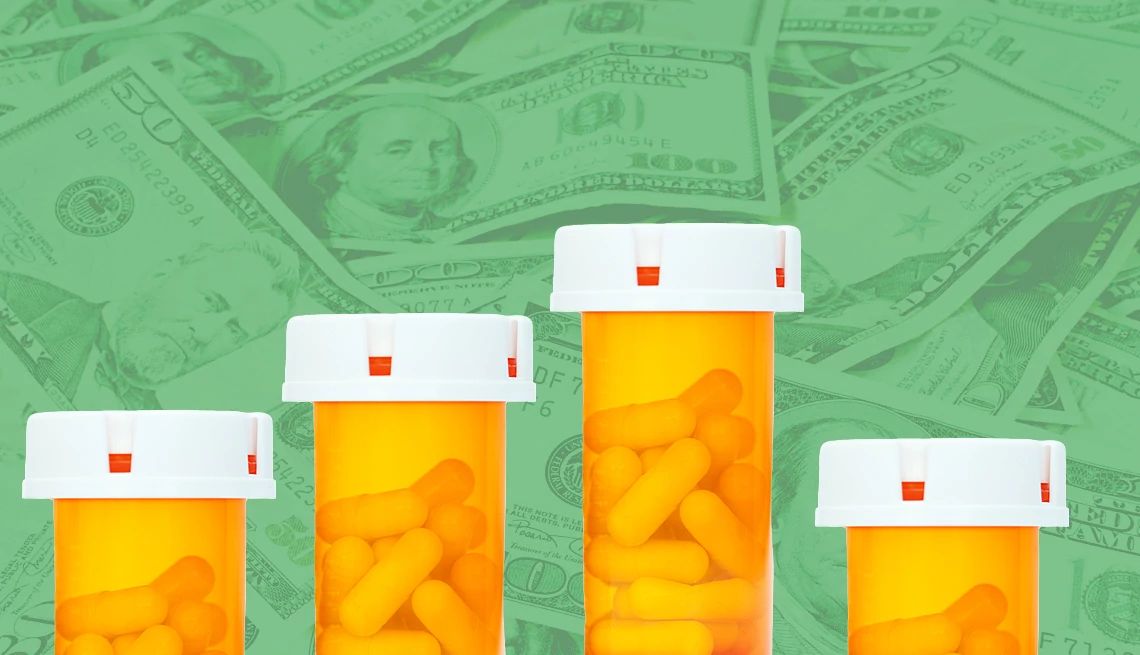
Big Score: Maintenance Meds A generic prescription of Weisbaum's went from about $10 for a 90-day refill to $120 because of a change in his Medicare Advantage insurance plan. But on GoodRx.com, a digital coupon brought the price down to $12, saving him $108 every three months. All he had to do was transfer his prescription to a different pharmacy, drive a few extra miles and bring the printed-out coupon with him. “Save money by not using your insurance? That's crazy!” says Weisbaum.


