
AARP Hearing Center






















































What Caregivers Need to Know about Palliative Care
Learn what it is, how it can help, and what your loved one can expect


Getty Images
When Katrina Kotfer received treatment for breast cancer, she didn’t realize she was also receiving palliative care — which focuses on improving quality of life for people with serious illnesses and their caregivers — until she saw a notation on her doctor’s chart.
“The first time I saw that in my medical notes, I thought, Oh my God, am I dying and they’re not telling me?” says Kotfer, 51, who lives in Groton, Connecticut. “I got a little freaked out, thinking that palliative care was for the really sick, old people that are dying.”
More Ways to Benefit
- Related Benefit 1
- Related Benefit 2
- Related Benefit 3
- Related Benefit 4
- Related Benefit 5
Kotfer says her doctor explained that unlike hospice, which is for patients near the end of life, palliative care is for people with a chronic illness or those being treated for a disease.
“People need to know that palliative care is not just for the sick and dying,” says Kotfer, whose diagnosis was more than a decade ago. “It’s for the sick and living.”
Multiple studies show that palliative care helps people live longer with fewer distressing symptoms.
What is palliative care?
Patients can ask for palliative care to help the symptoms of their disease or treatment at any age and for any length of time. Some people use palliative care for a difficult but temporary situation, such as undergoing a bone-marrow transplant, while other people, such as those with dementia, may need palliative care for the rest of their lives, says Vicki Jackson, M.D., president of the board of the American Academy of Hospice and Palliative Medicine.
“The focus is really on relieving pain and discomfort, reducing stress, helping the person have the highest quality of life that they can at any stage,” says Elizabeth Edgerly, senior director of community programs and services for the Alzheimer’s Association.
How does palliative care treat illnesses?
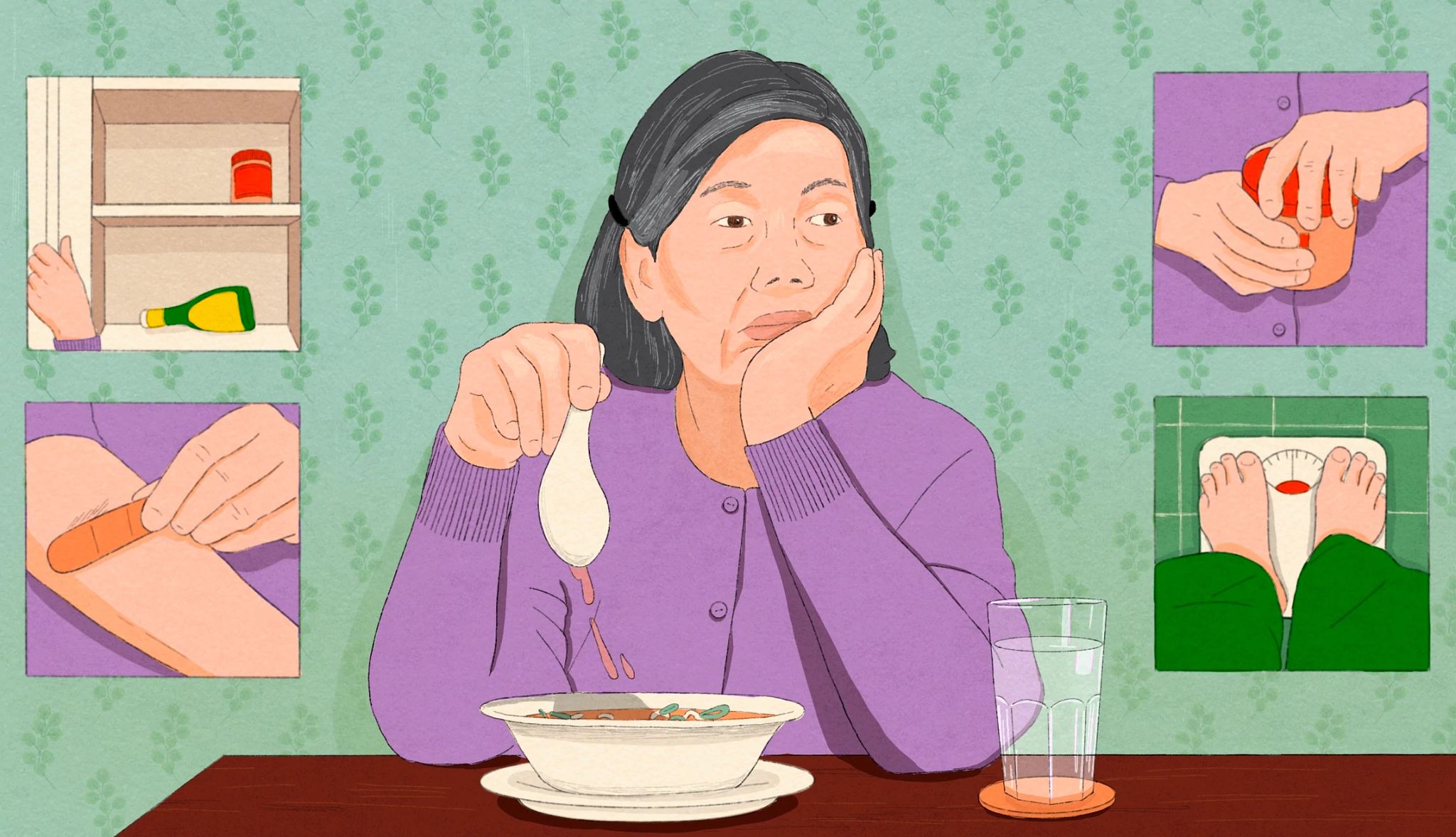
Providers work in teams to coordinate care and communication. Interdisciplinary team members may include doctors, nurses and dietitians as well as chaplains and social workers who work together to treat more than pain, often considered the reason to start palliative care:
- Anxiety
- Constipation
- Depression
- Difficulty sleeping
- Fatigue
- Loss of appetite
- Nausea
- Shortness of breath
Palliative care also helps with side effects of treatment.
For Kotfer, breast cancer surgery and radiation led to a painful condition called lymphedema. Kotfer says her arm felt heavy. Movement and reaching for objects was difficult.
Her palliative care team arranged for physical therapy to improve her range of motion and recommended she wear compression sleeves and use a compression pump to reduce swelling, something that still helps her today.
Who can benefit from palliative care?
Much palliative care research has focused on cancer, and the American Society for Clinical Oncology recommends everyone with advanced cancer receive a palliative care consultation soon after diagnosis.
But palliative care isn’t limited to cancer. The team-based approach can benefit people with other serious conditions, including:
- Chronic lung disease
- COVID-19
- Dementia
- Heart failure
- Kidney failure
- Liver disease
- Parkinson’s disease
How can palliative care help caregivers?
Although palliative care has been around for decades, research shows fewer than half of caregivers have heard of it, even though palliative care teams also support caregivers who play critical roles in keeping their loved ones healthy.
“We know that caregiver distress and burnout is really difficult,” Jackson says. “Palliative care helps make sure that the caregiver is getting the support they need to understand the illness, to be a good surrogate decision-maker.”
They may help figure out if a loved one with heart disease really needs surgery at an advanced age or whether there may be other solutions to ease breathing.
Coming to grips with the pros and cons of different treatments isn’t the only support offered. Social workers may help with the practical needs, such as transportation and housing, as well as connect patients and caregivers with community services.
Team members provide emotional support, listening to caregiver concerns and suggesting stress-relief strategies. Respite care is another benefit, Jackson says. For a few hours or even a couple of weeks, the regular caregiver can have a break to rest or spend time with family.
What are services for dementia patients and caregivers?
When a loved one has dementia, caregivers may need to make important decisions, Jackson says. A palliative care team can help.
“Part of what we do is help bring together the patient and the family and the key other clinicians to make sure that we’re all aligned,” Jackson says. Teams not only ensure caregivers understand what to expect down the road, but they help design a care plan that best supports the patient.
They can help caregivers make sense of treatment options, including guidance on conditions that can be managed at home instead of in a health care facility. For dementia patients, who may not understand what is happening, going to the hospital “can sometimes make things worse for them in the short term,” Jackson says.

Edgerly of the Alzheimer’s Association says it’s never too early to ask for a consultation with a palliative care team, even if a person with dementia is not experiencing discomfort or pain.
Palliative care teams “know what you need to have in place, so it can help reduce the stress” of planning, Edgerly said. “Wouldn’t it be nice to have a plan before you have pain and discomfort?”
How to find palliative care
Experts recommend that people looking for palliative care ask their doctor for a referral. People also can find a list of providers at GetPalliativeCare.org, run by the nonprofit Center to Advance Palliative Care.
If you have difficulty finding a provider in your area, telehealth may be able to help. A 2024 study in the Journal of the American Medical Association found that people with lung cancer who received telemedicine palliative care had a quality of life that was just as high as those who received care in person.
Kotfer says that she’s able to remain active thanks to the palliative care she received for her lymphedema.
“I don’t let it slow me down,” Kotfer says. “I was out on my ATV this weekend.”
Resources for caregivers
National Hospice and Palliative Care Organization has resources at CaringInfo on how to get palliative care and differences between palliative and hospice care.
American Academy of Hospice and Palliative Medicine explains financial options for getting care and the type of therapies used in palliative care.
AARP’s caregiver support line is toll free, and agents can guide you to resources. The lines are staffed 8 a.m. to 8 p.m. ET weekdays at 1-877-333-5885 or in Spanish at 1-888-971-2013
AARP’s 211 initiative with United Way aims to connect caregivers to help in their state or community. Dial 211 or go online for referrals. AARP also has family resource guides with directories of services in 18 states so far.
Palliative vs. hospice care: What’s the difference?
Even medical professionals sometimes use the terms palliative care and hospice care interchangeably, but they are not the same.
Palliative care treats symptoms of a serious disease, regardless of the prognosis. It aims to provide comfort and reduce pain.
Palliative care can begin as soon as someone is diagnosed and can coincide with treatment to cure or remediate an illness, such as chemotherapy or surgery. People receiving palliative care can recover fully.
Hospice care also focuses on providing comfort but for people at the end of their lives. People in hospice care are no longer seeking a cure. Hospice care starts after treatment of a person’s disease is stopped and is typically offered when someone is expected to live six months or less.
The AARP Family Caregivers Discussion Group on Facebook offers support from fellow caregivers who share stories and advice. AARP’s website also has an online caregiving community where caregivers can interact.
This story, originally published in 2019, has been rewritten and expert advice has been added.

AARP Membership
Join AARP for only $15 per year with automatic renewal. Get instant access to members-only products and hundreds of benefits, a free second membership, and a subscription to AARP The Magazine.
More From AARP
Expert advice for getting great Z’s
Expert advice for getting great Z’s
Legal Checklist for Family Caregivers
Steps to take to protect your loved ones as they age