





















































Alert
Close

Help those devastated by the Oklahoma tornadoes. Click here to donate today and AARP will match your gift

AARP Membership: Just $16 a Year

Highlights

Open

AARP® Prescription Discounts Provided by Catamaran

Members can print a free Rx discount card

AARP Salutes Our Heroes

Thanks to the veterans who served our country

Savings Icon

Tanger Outlets

Access to a free coupon book

Technical Icon

Black Community

How to live your best life

Tell Us Your Story

Let us know how the new health care law helps you

Contests and
Sweeps

You Could Win $50,000!

Plus you’ll get free tips and tools to help you find your perfect path to retirement
See official rules.

Health
Webinars

Learn From the Experts

Sign up now for an upcoming webinar or find materials from a past session.

learning
centers

Get smart strategies for managing health conditions.


Arthritis

Heart Disease

Diabetes

Most Popular
Articles

Viewed

Recommended

Commented

Health Discovery

Underlying Health Affects Melanoma

Frailty plays a more important role than age in predicting how well people fare

  • Text
  • Print
  • Comments
  • Recommend

En español | People's underlying health — not their age — has a bigger effect on how well they'll do after a diagnosis of advanced skin cancer, a new study finds.

People who are frail and in poor health, even if they are young, do worse than older people in good health, say researchers with the University of Michigan Comprehensive Cancer Center. Health experts say the study could lead to better ways to treat other illnesses as well.

Sign up for AARP's Health Newsletter.

The new results differ from previous research that had linked older age to poorer outcomes in melanoma.

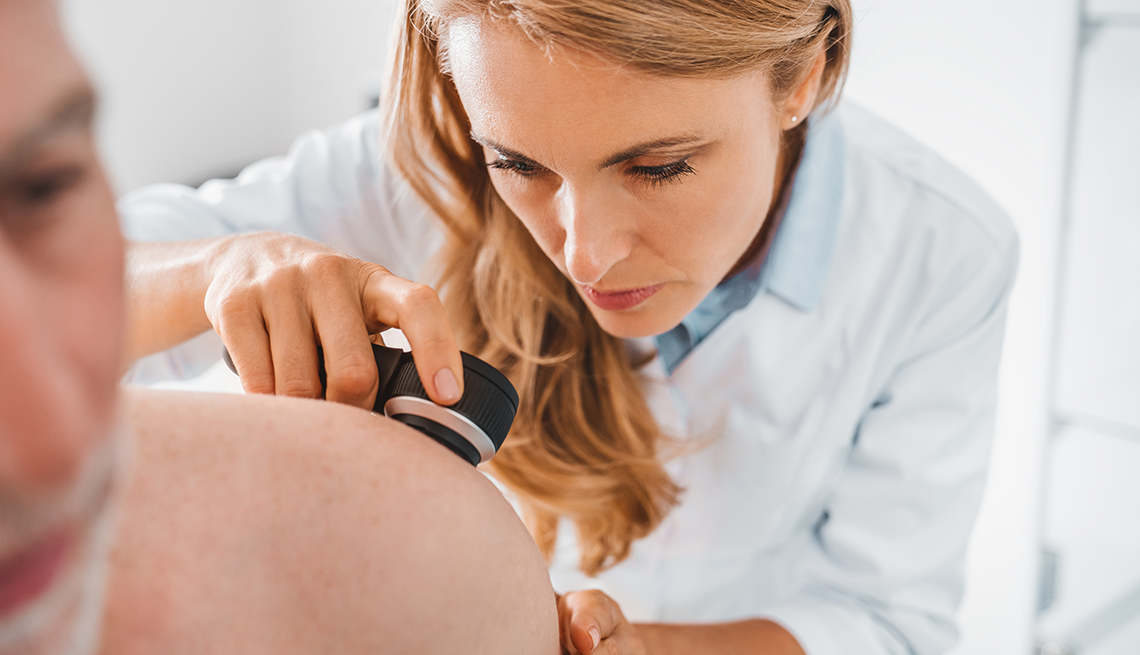
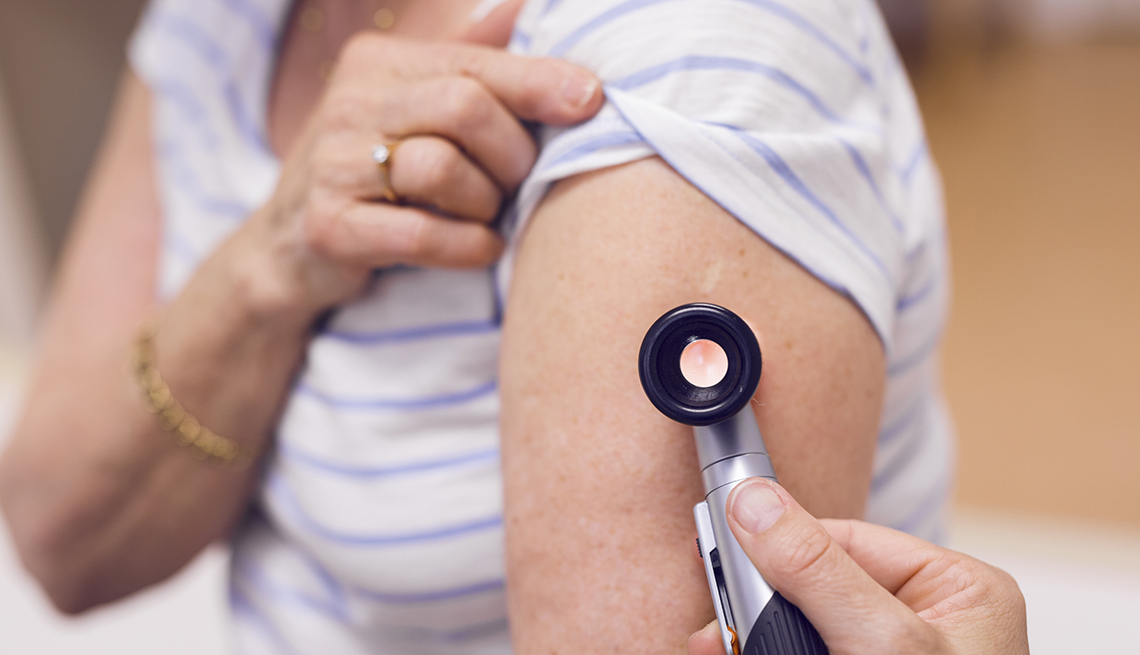
A patient's health status as opposed to age will predict how patients with a melanoma diagnosis will fare. Image of a mole on Caucasian skin.

Your basic health is more important than age when the diagnosis is skin cancer. — Phoro by N. Aubrier/Getty Images

"We underestimate the role played by the patient's health, yet our results show that the body's ability to fight the disease is more important than age," says surgeon Michael Sabel, M.D., lead author of the paper.

"This interesting and provocative paper has the potential to lead to a new understanding of how to treat patients not only for melanoma, but for other cancers as well," says Marianne Berwick, head of epidemiology and cancer prevention at the University of New Mexico School of Medicine, who was not involved with the study.

The study, published online in the Annals of Surgical Oncology, looked at 101 men and women who were treated for stage III melanoma, the point at which cancer cells have spread either to nearby tissue or to at least one lymph node. The group ranged in age from 18 to 87, with an average age of 53.

Sabel and his colleagues examined CT scans for each patient to measure muscle density. The men and women with lower muscle density, a condition called sarcopenia, were significantly more likely to have the cancer return and spread to distant parts of the body, regardless of age or initial tumor size. In addition, these patients experienced more surgical complications when their cancerous lymph nodes were removed.

Sarcopenia, the loss of muscle mass and strength, is a major contributor to physical frailty, a term used to define a significant loss of strength, agility and energy. Frailty can often be reversed with exercise and better nutrition.

The study's results might also explain the limited success of new cancer treatments like immune therapy and vaccines, which might not be as effective in frail patients.

"If we could reverse frailty and get people back in shape by improving their diet and getting them to exercise, theoretically it might be as effective as some of these other therapies in terms of preventing the disease from returning," says Sabel.

"We can't predict who's going to get melanoma," he added. "But we've shown that if your underlying health is poor, then the impact of the disease will be much more devastating. If your underlying health is good, even if you develop melanoma, your body will be better able to control it. That's a strong argument in favor of … regular exercise and good nutrition."

Also of interest: Why do people get more skin cancer on their left side? >>

Nissa Simon, a health writer, lives in New Haven, Conn.

Topic Alerts

You can get weekly email alerts on the topics below. Just click “Follow.”

Manage Alerts

Processing

Please wait...

progress bar, please wait

Tell Us WhatYou Think

Please leave your comment below.

You must be signed in to comment.

Sign In | Register

More comments »

Health Blog

Discounts & Benefits

AARP Discounts on ACE Services

Members save 20% off on personal training and group fitness with American Council on Exercise.

Grandson (8-9) whispering to grandfather, close-up

Members save on hearing care with the AARP® Hearing Care Program provided by HearUSA.

Member Benefits

Members receive exclusive member benefits and affect social change. Join Today

bring health To Life-Visual MD

featured
Groups

Social Security

How to strengthen Social Security for future generations. Discuss

Medicare & Insurance

Share health coverage information and experiences common to being age 50+. Join

Health Nuts

Share heart-smart recipes, fitness tips and stress relievers. Join