
AARP Hearing Center









































.png?crop=true&anchor=0,26&color=ffffffff&u=ucxnmh&w=2048&h=1177&credit=Marco%2520Baccioli)


How to Be a Caregiver for Someone With Dementia
It’s a tough job, but there may be more help than you think

Video: AARP CEO Connects with Family Caregiver in Miami
Darlene Bradley, 63, of New Palestine, Indiana, has seen dementia from both sides: first as a caregiver for her late parents, who both had Alzheimer’s disease, and now as someone living with an Alzheimer’s diagnosis since 2017.
She has some advice for anyone who cares for a loved one with dementia: Be “forgiving, not only to your loved one with the disease but forgiving of yourself, because I don’t think you would find a caregiver who could honestly say that they hadn’t been short with their loved ones or gotten frustrated.”
More Ways to Benefit
- Related Benefit 1
- Related Benefit 2
- Related Benefit 3
- Related Benefit 4
- Related Benefit 5
It’s not surprising that many dementia caregivers get frustrated, stressed out or depressed. They are more likely than other caregivers for older adults to help with dressing, feeding, bathing, toileting or changing adult briefs, according to survey data from the Alzheimer’s Association.
They also face the reality that dementia, in its many forms, isn’t just about losing memory, says Helen Kales, M.D., a professor of psychiatry at UC Davis. “The day-to-day management of dementia is largely centered around behavioral and psychological symptoms,” such as agitation, hallucinations and wandering, she says. Those can be challenging for any caregiver.
Too often, caregivers face these challenges with little support, even though it’s available, says Monica Moreno, senior director of dementia care navigation at the Alzheimer’s Association.
“Unfortunately, there are far too many families that believe that they have to go through this disease alone,” she says.
Here’s what professionals and veteran caregivers say every dementia caregiver should know.


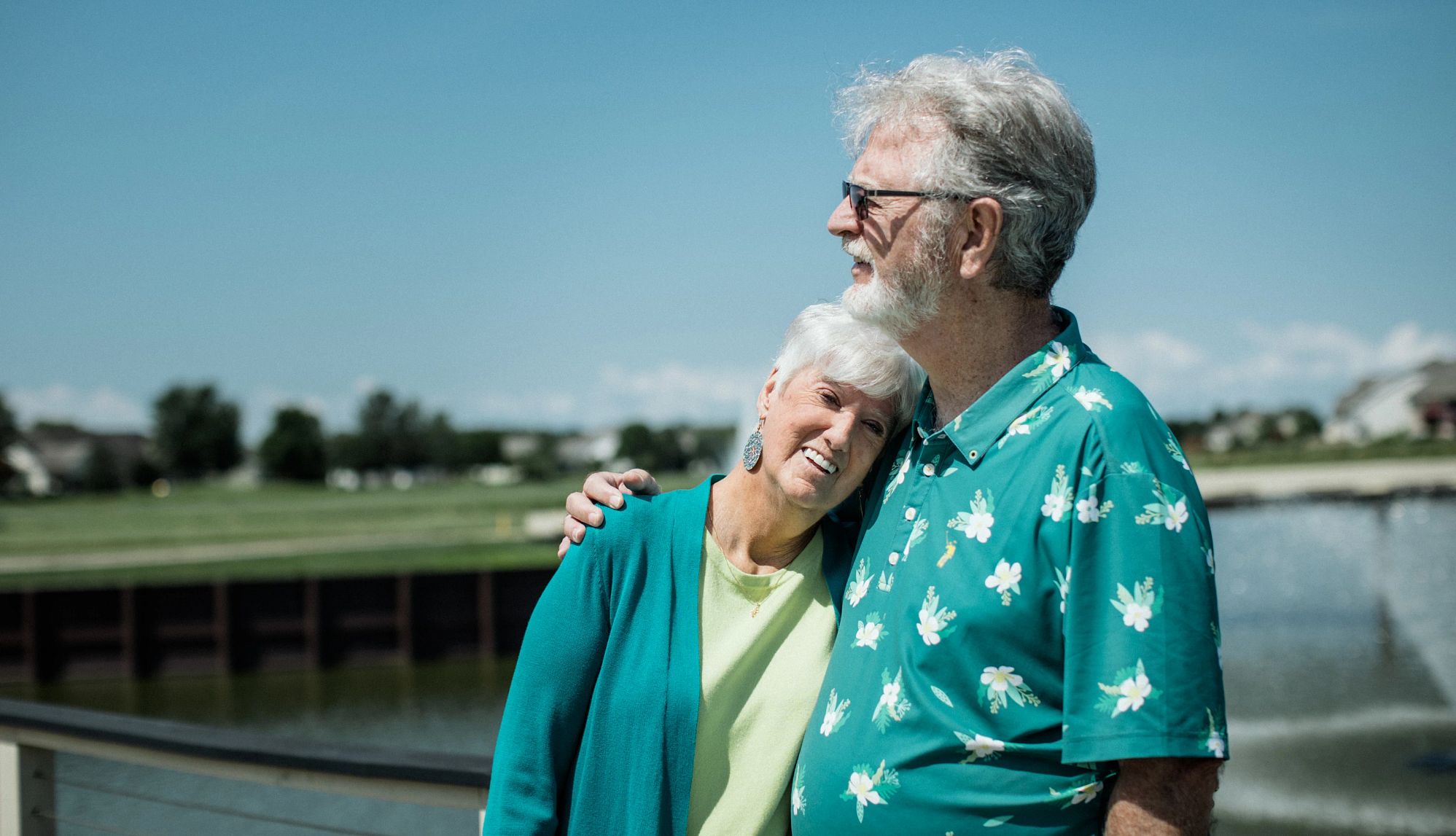
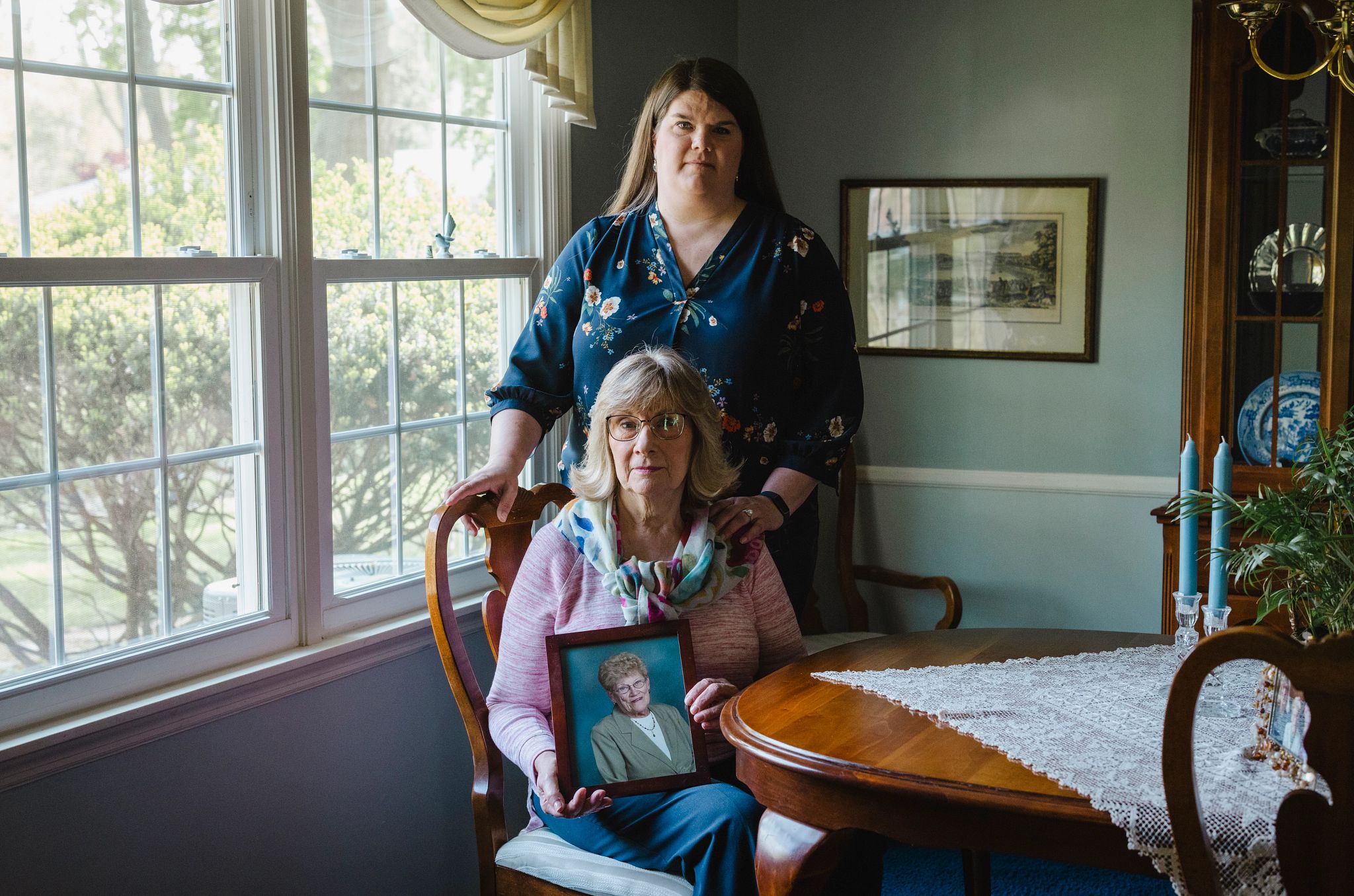
Left to right: Mike and Darlene Bradley, Janet and Phil Spanninger
Photo Collage: AARP (photos courtesy of Darlene Bradley and Phil Spanninger)
Diagnosis matters
It’s not uncommon that families notice signs of dementia but don’t seek a diagnosis, says Elizabeth Edgerly, a clinical psychologist who is senior director of care and support programs at the Alzheimer's Association. In many other cases, she says, doctors tell patients they have dementia but not what kind it is.
Alzheimer’s is the most common form of dementia, but there are others. Symptoms can vary. The common thread is that they impair memory, thinking, reasoning and behavior, according to the National Institute on Aging.
In some situations, getting an exact diagnosis might not matter, Edgerly says — for example, if someone is very near the end of life.
But more often, she says, “knowledge is power.”
She says her late mother had Lewy body dementia, which can cause sleep disturbances. After family members started struggling to awaken her, a doctor assured them that such problems are common in that disorder, Edgerly says.
Other forms include vascular dementia, which is caused by poor blood flow to the brain, and frontotemporal dementia, a rarer type that often starts with language, movement or emotional problems in midlife. Alzheimer’s disease most often starts with gradual memory loss after age 65 — though some people develop it earlier. Other diseases, such as Huntington’s, can cause dementia. Some people have “mixed dementia,” meaning more than one type.
Getting a diagnosis might start with a visit to your loved one’s primary doctor. A specialist might narrow down the diagnosis with brain scans and tests of blood and spinal fluid. If Alzheimer’s is a possibility, the tests may check for a key sign: high levels of a protein called beta-amyloid that build up in the brain.
Early treatment and lifestyle changes may help
For Bradley, a mother of four and grandmother of 12, getting diagnosed with early Alzheimer’s at age 56, was tough. She says a scan that revealed beta-amyloid plaque buildup in her brain allowed her to enter a drug trial. She no longer takes the drug, aducanumab (which is being discontinued by its manufacturer), but says it helped her — for one thing, her scans no longer show the plaques.
“I’m doing very well,” she says, though “declining still a bit” in remembering recent events and finding words. She says her doctor tells her the brain plaques will eventually return.
Although there’s no cure for Alzheimer’s or other forms of dementia, prescription medicines can sometimes help manage symptoms. Other medications, like the one Bradley took, target beta-amyloid and appear to slow cognitive decline in some people with early Alzheimer’s, according to the National Institute on Aging. These drugs can have side effects such as swelling and bleeding in the brain.
Drugs aren’t the only approach to early care. Phil Spanninger, 81, of Akron, Ohio, says that after his wife, Janet, 80, was diagnosed with Alzheimer’s in 2012, they found that exercise and an active social life were the best medicine for her — and Janet’s neurologist agreed. At the time, they lived in Montana, skied every day and spent a lot of time with friends, he says.
He says he’s sure that lifestyle “helped stretch the disease out.” It was only when they were living a more isolated life in Ohio during the COVID-19 shutdown of 2020, he says, that Janet suddenly declined. Today, she has advanced Alzheimer’s and lives in a memory care facility.
Caregiver supports are growing
In a recent survey by the Alzheimer’s Association, two-thirds of dementia caregivers said they had trouble finding resources and support. More than half said navigating the health care system was hard.
The survey confirmed that some kinds of help are in short supply: More than half of primary care providers who treat dementia patients said their communities had too few dementia specialists.
But “the variety of ways to get help now is greater than ever,” Edgerly says.
One potentially big development: In July, the Centers for Medicare & Medicaid Services (CMS) launched an eight-year pilot program called GUIDE (Guiding an Improved Dementia Experience) to cover comprehensive services for Medicare recipients with dementia and their unpaid caregivers. The program is underway at 96 locations and will expand to 390 on July 1, 2025.
Participating providers, which include small doctor’s offices as well as large academic medical centers, give patients and caregivers access to a 24/7 helpline and pair them with care navigators to locate services in their communities. The model “recognizes the importance of the caregiver,” Moreno says. A key provision: $2,500 a year for respite care — temporary paid help — so caregivers can get breaks.
Other insurers are starting to cover dementia care navigation, Moreno says. Anyone can call the Alzheimer’s Association’s 24/7 helpline at 800-272-3900 to get free help with care planning and other needs, she says.
Help may be closer to home than many people realize, says Jennifer Crowley, a care manager in Kalispell, Montana. Your local Area Agency on Aging, she notes, can refer you to services that may range from training to meal delivery. Some families, she adds, hire professional care managers, often called aging life care professionals, to help plan and advocate for their loved ones.
Video: Son Uses TikTok to Humanize Dementia Caregiving
There’s help, but no ‘cookbook,’ for common challenges
As dementia progresses, caregiving typically gets more difficult, Edgerly says, and not just because your loved one’s judgment, memory and reasoning decline. “They may not remember who you are,” she says, and “may not be able to express gratitude.”
But, she adds, “there’s lots of people who’ve gone down this road before, and lots of lessons have been learned.”

Joining a caregiver support group can be a huge help, Spanninger says. He goes to one once a month, he says — mostly to support “newbies.”
There are tried-and-true strategies for day-to-day challenges, Crowley says. Most people with dementia do best with a consistent schedule, she says, especially if you put the routine in writing, so others can follow it when you are out. Getting outdoors can be a balm, she says. “It’s really important to engage the person with dementia in as many daily activities as possible,” she says, whether that’s folding laundry, emptying the dishwasher or doing a hobby they still enjoy.
When it comes to particularly challenging behaviors — asking the same question many times a day, hitting caregivers or wandering away from home — there’s rarely a “cookbook” solution, Kales says. She urges caregivers to see “behavior as communication” and try to decode the message.
“It’s different if somebody is wandering because they’re anxious or wandering because maybe they have to use the bathroom or wandering because they think they have to get somewhere,” she says.
Nighttime changes in behavior, such as increased confusion and restlessness, are often labeled as “sundowning,” Kales says, though she dislikes that term partly because it suggests the cause is night itself, instead of what might be going on then. That could be anything from changes in caregivers to disorienting shifts in light and shadow, she says. Too many naps, too much caffeine or too many daylight hours spent in dim rooms can throw off body clocks and sleep readiness, she adds.
Kales developed a system, DICE — for describing and investigating the behavior, then creating a plan and evaluating it. Some health professionals are trained in such detective work, she says, but caregivers can find free training online.
Once you have a better idea of what’s going on, solutions can get quite creative. For example, to keep someone with advanced dementia from wandering, you might not only put deadbolts and alarms on exit doors but paint them the same color as the wall to make them less noticeable, the Alzheimer’s Association suggests. You might even put tracking devices in your loved one’s shoes, Kales says.
If your loved one is restless at night, more exposure to daylight might help put their body clocks in sync, she says. A consistent and soothing nighttime routine — think soft music instead of noisy TVs — might help as well, she says.
Kales says the DICE model looks at psychiatric medicines as the first line of defense in three major instances: when someone with dementia has significant depression; when they are aggressive in a way that puts themselves or others in danger; or when they have psychotic symptoms (such as hallucinations) that put themselves or others in danger. Some people, she notes, have harmless hallucinations.
The drugs to treat these problems have varying mixes of risks and benefits. Antidepressant drugs are generally safe, but antipsychotic medications can have severe side effects, including an increased risk of death, Kales says. Anytime your loved one starts a psychiatric medication, you should talk to their doctor regularly about whether it could be tapered down once symptoms improve, she says.
Some moments are tough, and some bring understanding
Sometimes, when caring for her mom, Bradley says, “I needed to just walk into the kitchen and have a couple minutes to myself.” Once, she says, her father came close to biting her. She understood that he no longer knew who she was. Still, she says, that was a tough moment.
Caregivers may also find moments of grace and connection.
Spanninger says one happened to him a few months ago, long after his wife, who was his high school sweetheart, stopped recognizing him. She gets residential memory care.
“The hospice people said, ‘Go back in time, you know, talk to her about something that happened long ago, because they remember more things from way back when.’ And so I sat and was holding her hand, and I said, ‘Janet, do you remember our first date when I took you to the Halloween dance at the high school gym?’ And she opened her eyes and looked at me, she said, ‘yes,’ and picked up my hand and kissed it. It broke my heart.”
Planning for the Future Is Essential
You may hate the idea of planning for the day a loved one can’t manage their own finances or health decisions or may need care in a residential facility. “You’ve just got to,” says caregiver Phil Spanninger of Akron, Ohio.
He says he urges new caregivers to “get your documents in shape.”
Such documents should include wills and estate plans but also living wills to set end-of-life preferences and power-of-attorney documents that say who will make your health and financial decisions if you can’t, according to the National Institute on Aging.
Care manager Jennifer Crowley, who advised Spanninger and his wife, Janet, when they lived in Montana, says families sometimes have such documents but need to review and update them. It’s ideal to do it while the person with dementia can still participate in decision-making, she says.
If you think your loved one may need care in a residential facility, look at options early, Spanninger urges. He says he started looking a year in advance and chose an “excellent facility,” with Janet’s consent.
“I didn’t know when the time would come, but I knew it was going to come,” he says. Janet’s been in her memory care home since 2021.
Hospice care is another thing to consider and discuss with your loved one’s doctor as dementia progresses. About two-thirds of Medicare recipients who have dementia use hospice services at the end of their lives, according to the Alzheimer’s Association.
In addition to providing nurse visits and other patient care — whether the loved one is at home or elsewhere — hospice teams counsel and coach caregivers and can offer respite services when they need a break. To qualify, a doctor must certify your loved one is likely to die within six months, though care can last longer if they live longer. When deciding whether someone with Alzheimer’s is eligible, doctors might consider functional factors, such as whether the person can no longer walk, bathe or speak, as well as health factors such as recent serious infections or significant weight loss, according to the National Hospice and Palliative Care Organization. Criteria for other forms of dementia might vary.

AARP Membership
Join AARP for only $15 per year with automatic renewal. Get instant access to members-only products and hundreds of benefits, a free second membership, and a subscription to AARP The Magazine.
More From AARP
Dementia Caregiver's Guide: Tips for Unique Challenges
The latest research on dementia, plus tips for caregivers to keep your loved ones with Alzheimer's or dementia safe and happy25 Great Ways to Build Healthy Habits
Cultivate lasting habits with practical, transformative tipsCaregiver Support: Exercises for Bedbound
Small daily movements assist a person on the road to recovery