FEATURe STORY
International Travel (Made Easy)
The joys of venturing beyond U.S. borders are countless. But a recent AARP survey shows that about a third of Americans 50 and older have never traveled internationally for leisure, and another 49 percent haven’t done so in more than 20 years. It’s time to make that dream trip a reality

The iconic Charles Bridge in Prague
Traveler Q:
“I tried using a language app to learn some phrases, but I didn’t get very far. How can I talk to people?”
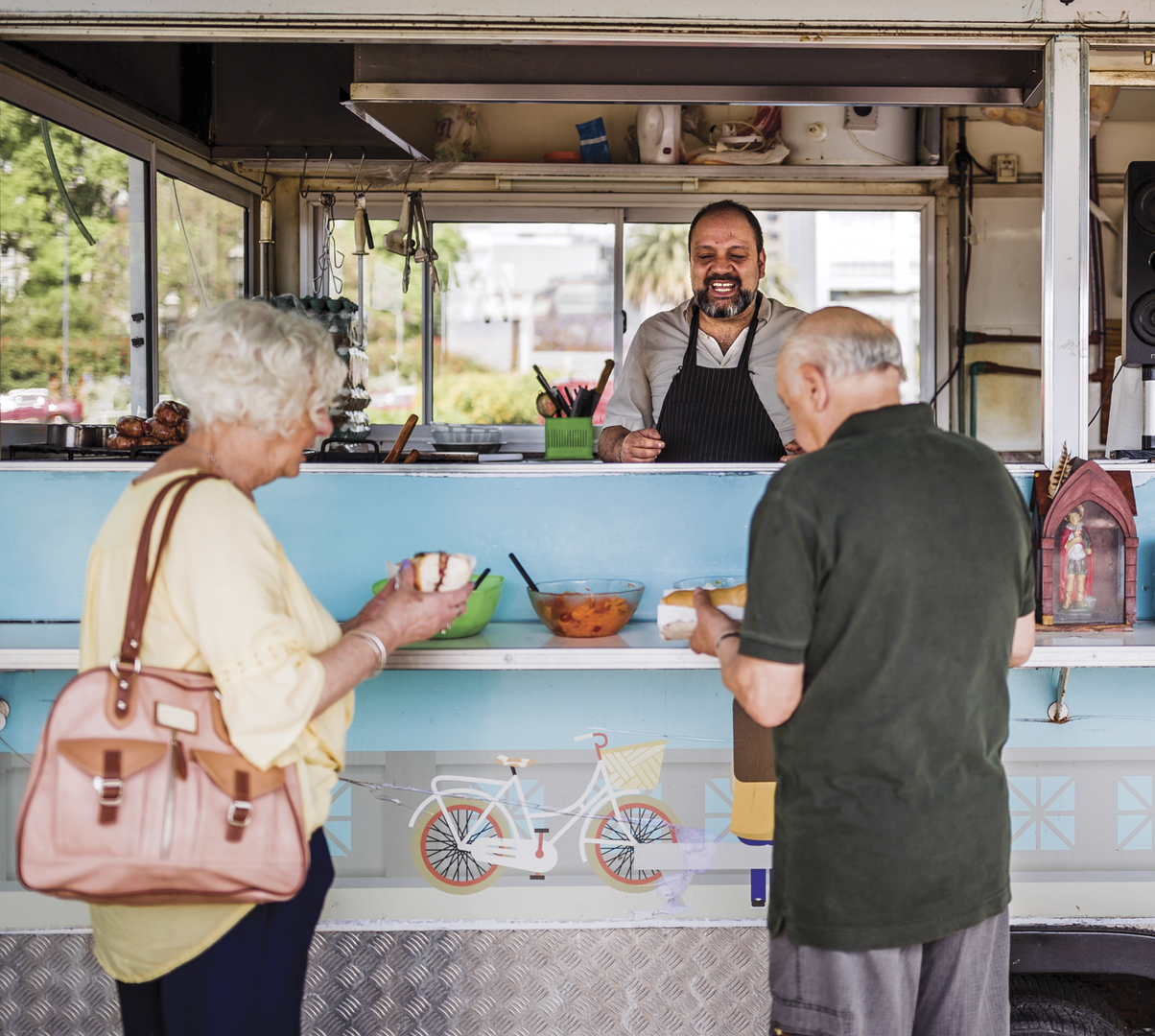
A: It’s simple to find free online translations of basic phrases, such as “Hello,” “Thank you” and “Where is the bathroom?” You’ll also want to translate important health information, including medications and any chronic conditions. Knowing how to say “I’m on blood thinners” or “I have diabetes” can be lifesaving.
Nina Ivanichvili of All Language Alliance suggests making small notes in the local language to hand to the person you’re trying to communicate with. “Ask them to do certain actions,” Ivanichvili says, for example, showing you how to get to a ticket counter or a museum entrance.
Free translation apps, such as Google Translate and Apple’s Translate app, have become game changers. Download the app, if not pre-installed, to your smartphone, then simply speak or type what you want to communicate, and the app immediately creates a spoken or written version in the language you select. You can even use it to hold conversations and translate signage.
Old-school pocket-size guides can still be useful too, especially if you’re having internet connection issues. They might also include illustrations that can help convey meaning alongside words.
Traveler Q:
“In the old days, we used to purchase traveler’s checks. Do I still need to do that?”
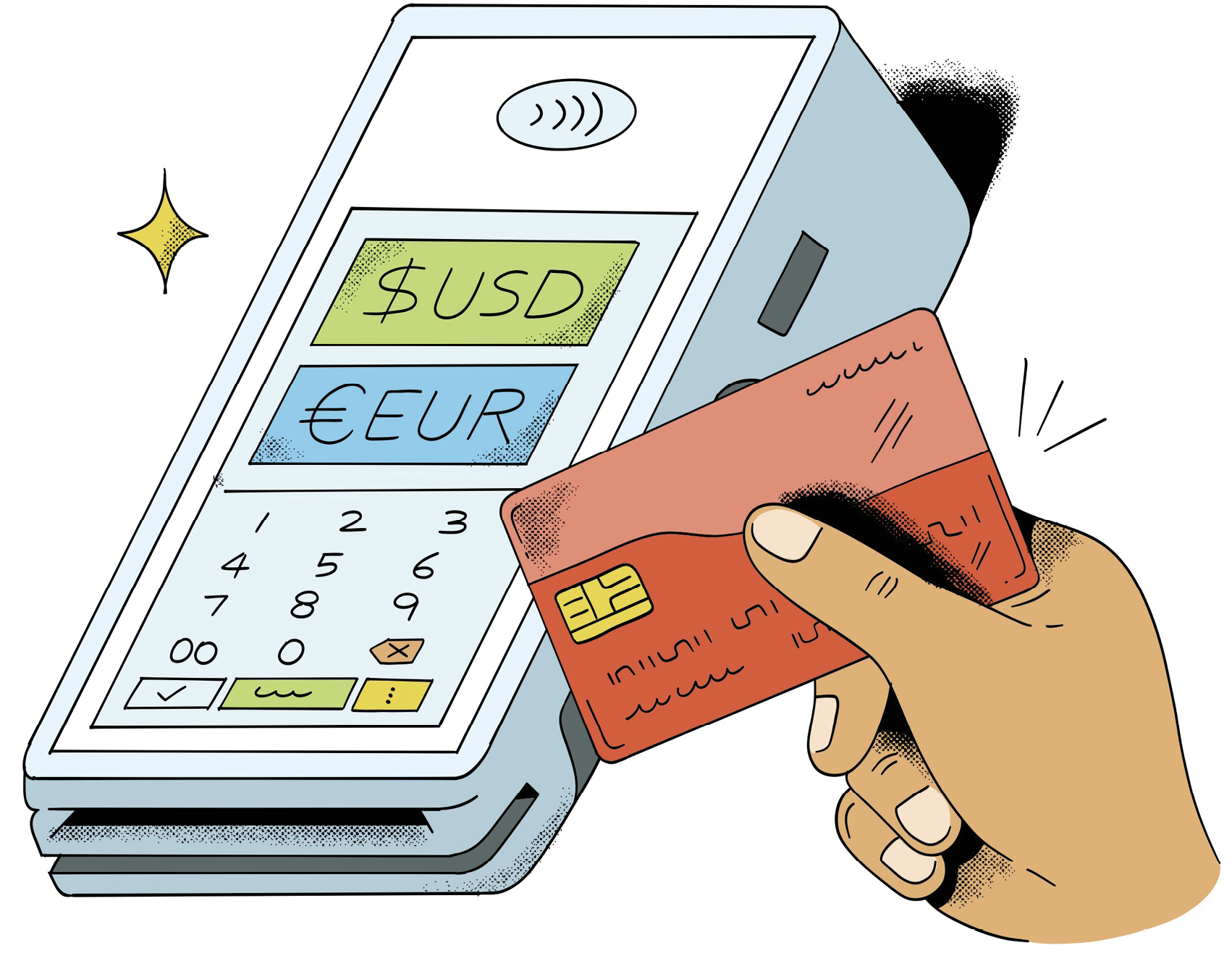
A: Traveler’s checks are mostly obsolete. There are now far more convenient ways to pay for things abroad.
Pauline Frommer, publisher of Frommer’s travel guidebooks, says credit cards are often used, even for small transactions like buying coffee. “You can pay in Europe very much like you can in the United States,” she says. Visa and Mastercard are widely accepted, while American Express can be more limited. Your cards will usually work outside Europe too, but options vary.
You may be asked whether you want to pay in the local currency or in U.S. dollars. Always choose local currency, Frommer says, because you’ll get a better exchange rate.
Traveler Q:
“It seems like people in other countries use public transportation more. Should I rent a car?”
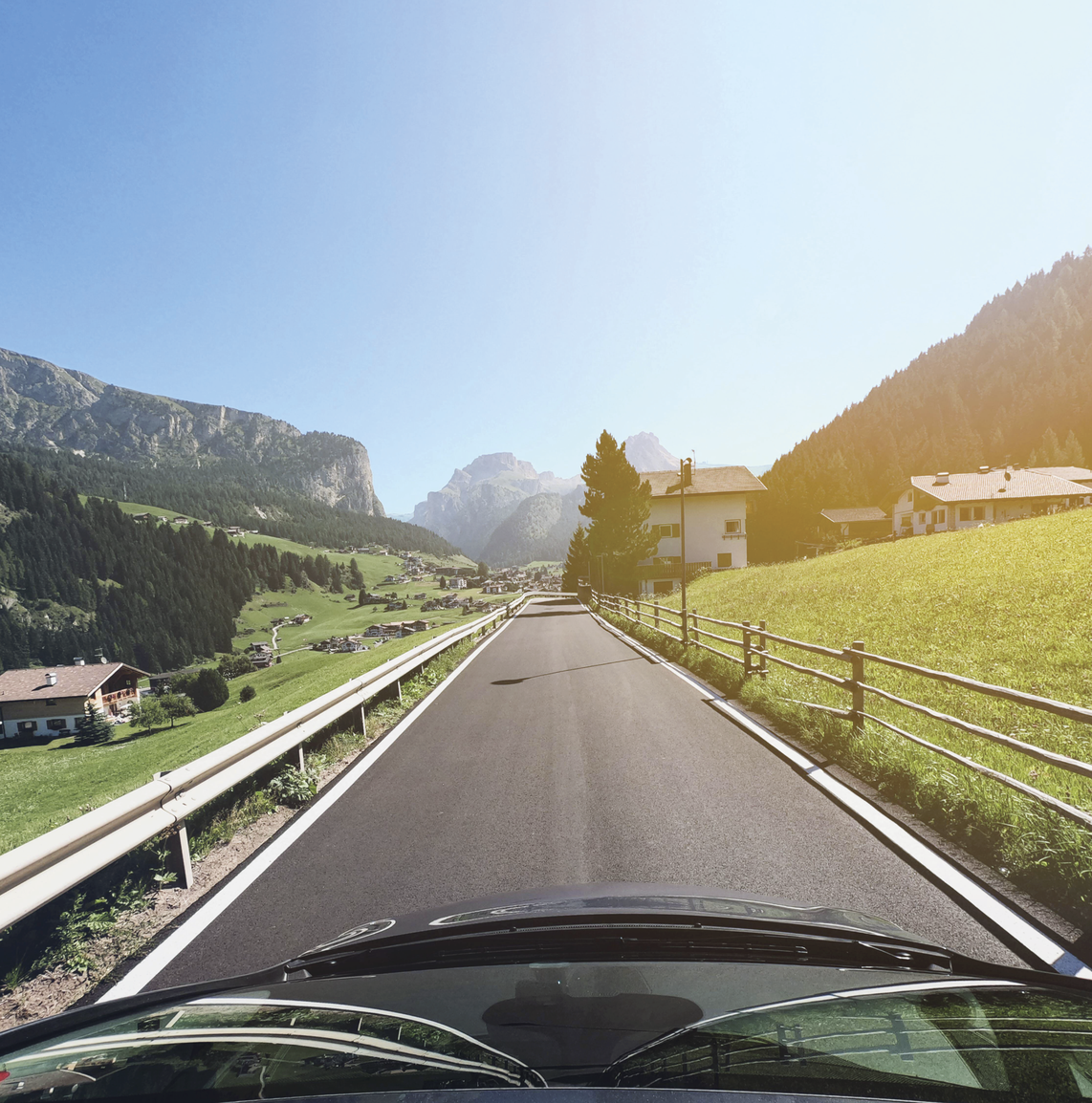
A: Jessica Parker, founder of travel consulting agency Trip Whisperer, says that if you’re visiting a big city, public transportation might be the answer.
“If you’re going to Paris or London, they do really have a great transportation system,” Parker says. Taxis and services like Uber can be handy, “but sometimes it’s much quicker to hop on the subway to get across town,” she says, “and it’s less expensive.” Allianz Partners recommends looking into tourist passes, which might save you money too.
In rural areas, consider renting a car. Parker advises getting an International Driving Permit through AAA. Required in some places, it translates your license into different languages. Remember that certain countries drive on the left side of the road. “It takes a little getting used to, but most people adjust more quickly than they expect,” she says. Also, be aware that cars with manual transmissions are more common abroad than in the U.S., and their rental rates are usually less than automatic cars.
Traveler Q:
“I have a passport. Will that let me visit any country, or do I need a visa too?”
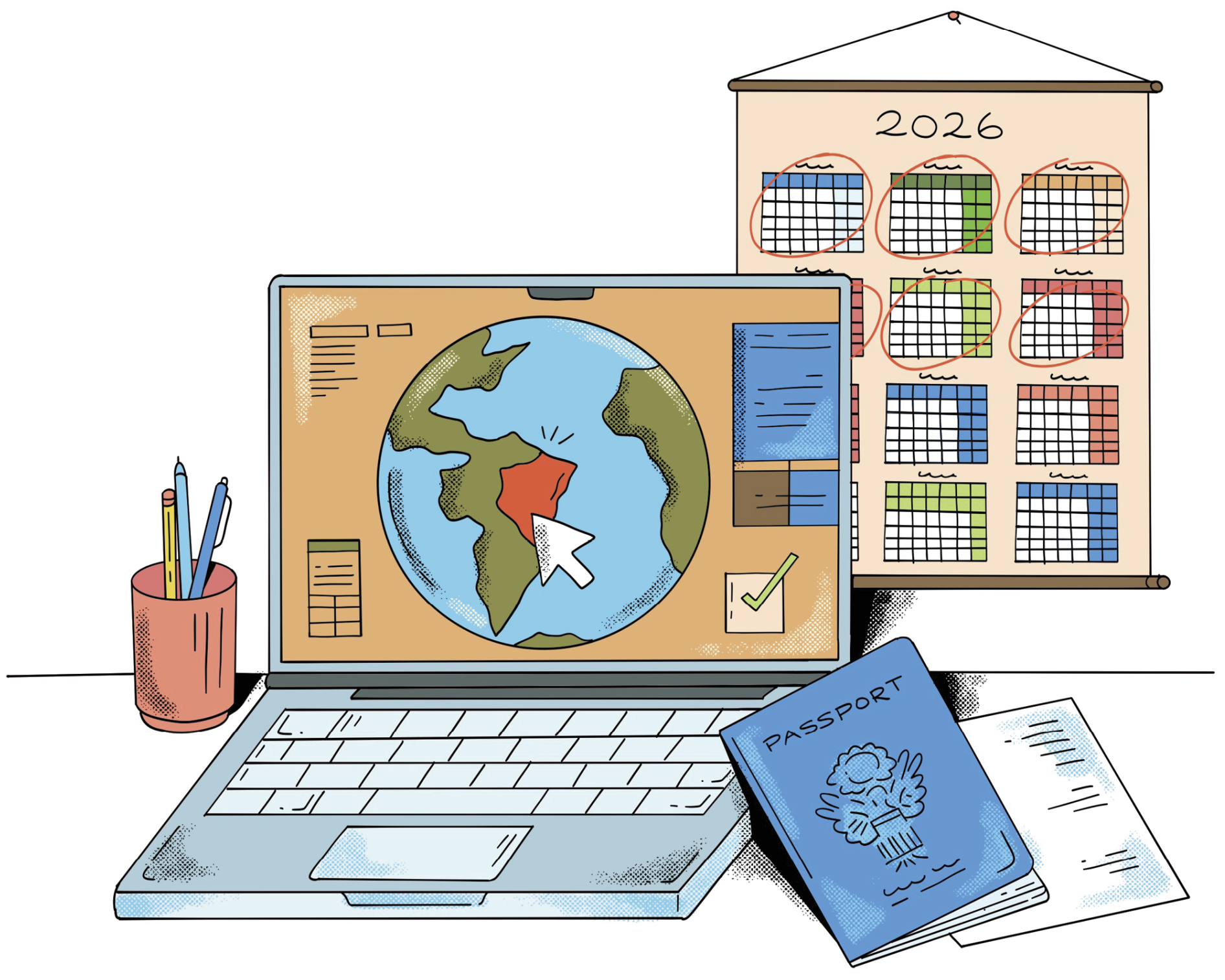
A: You don’t need a visa to visit many destinations that are popular with Americans, but you should confirm this well in advance of your trip. Showing up at the airport without a required visa could mean you can’t board your flight.
If you’re going on a group tour or using a travel adviser, they’ll likely give you a heads-up on visas, and some airlines will send a notification if you need additional documentation, like a visa. But it’s always a good idea to visit the U.S. State Department’s online travel advisories at travel.state.gov/destination. Then select the country you’re visiting from the dropdown menu. Scroll down to see whether a visa is needed. If it is, there’s usually a link to the application website or guidance on where to get more information.
Another thing to note: Many countries require at least six months of passport validity, so check the expiration date of your passport and renew it if necessary. You can do this through the State Department site.
Traveler Q:
“Let’s say I reach my destination and I don’t like the food. What should I do?”

Marrakech, Morocco
A: If you’re staying at a hotel, consult the concierge or front desk. “They have a list of where they feel comfortable sending people, and they know the experience,” Parker says.
This can be especially helpful if you have allergies or dietary restrictions. Parker advises writing these down on paper in the local language to help you communicate with the restaurant. Many hotels also offer American-style breakfasts, where you can fill up on familiar foods.
Travelers renting an Airbnb should choose one with a kitchen, advises Jennifer Lynn of the travel blog Bistro Chic. Then you can prepare meals with ingredients you prefer.
If you do want to dine like a local, consider signing up for a food tour. Parker says it’s a great way for tourists to sample a variety of dishes and learn what they like. The tour will explain the context of why a dish is culturally relevant and will likely focus on the most popular ones, which are “probably going to be pretty good.” If all else fails, you’re bound to find a McDonald’s, KFC or Subway in any major destination.
Traveler Q:
“Will my phone work overseas?”
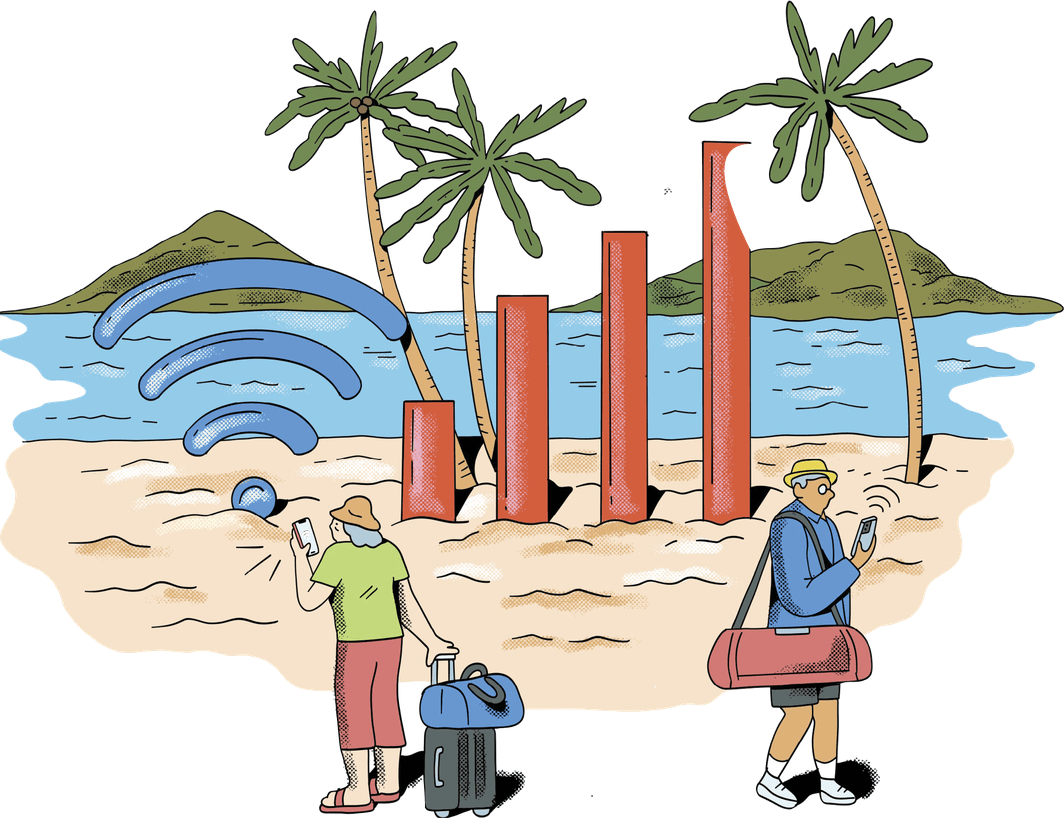
A: Many U.S. smartphone carriers offer service abroad, but international roaming fees—for calls, text messages and data usage on a foreign network—can add up fast. You can avoid these by taking some simple steps. One option is to keep your phone in airplane mode during the trip and use it only when connected to free WiFi—at your hotel, for example.
If you want the convenience of using your phone as you would at home, buy an international plan from your carrier in advance. Many offer plans that include talk, text and data. For instance, AT&T and Verizon charge a daily rate of about $12 or less, and you pay only for the days you use the service. Some carriers offer plans that cover specific time frames, such as several days or a month, or are geared toward types of trips like cruises. Go to your carrier’s website or app to see the options.
Traveler Q:
“I’m concerned that looking like a tourist might make me more vulnerable to pickpockets and scams. What can I do to blend in?”

Tokyo
A: Just because you’re an American doesn’t mean you have to look like a tourist. Mike Matranga, a former Secret Service agent who runs M6 Global Defense, says one of the best strategies is wearing the right clothes. Even if your physical appearance signals that you may be a tourist, following the local style of dress can show—and earn—respect.
Another way to avoid standing out is to steer clear of large gatherings of Americans. If you travel with a tour company, consider one that has smaller group sizes.
Some of Matranga’s other safety tips: Avoid areas with dense crowds, leave flashy jewelry at home and keep your phone in your front, rather than back, pocket. If you’re out drinking alcohol, don’t draw attention to yourself with behavior fueled by one too many. “Make sure you’re consciously aware of what you’re doing, who you’re with and your surroundings,” Matranga says.
Traveler Q:
“How should I prepare in terms of my health?”

A: As a first step, make an appointment with your primary care provider for a pretravel assessment, says Dr. Claudiu Moisa of UofL Physicians in Kentucky. That doctor can review any chronic conditions, ensure your prescriptions are up to date and advise you on vaccinations you might need.
You can also check the Centers for Disease Control and Prevention website for travel health notices and recommended vaccines.
Next, get a list of your medications to carry on your trip. Then review your health insurance plan to see what type of international coverage it may offer, and consider buying travel insurance for emergencies.
If you plan to venture into remote areas, you may want to look into insurance that includes medical evacuation.
Traveler Q:
“I have a disability. Will I be able to take an international trip?”
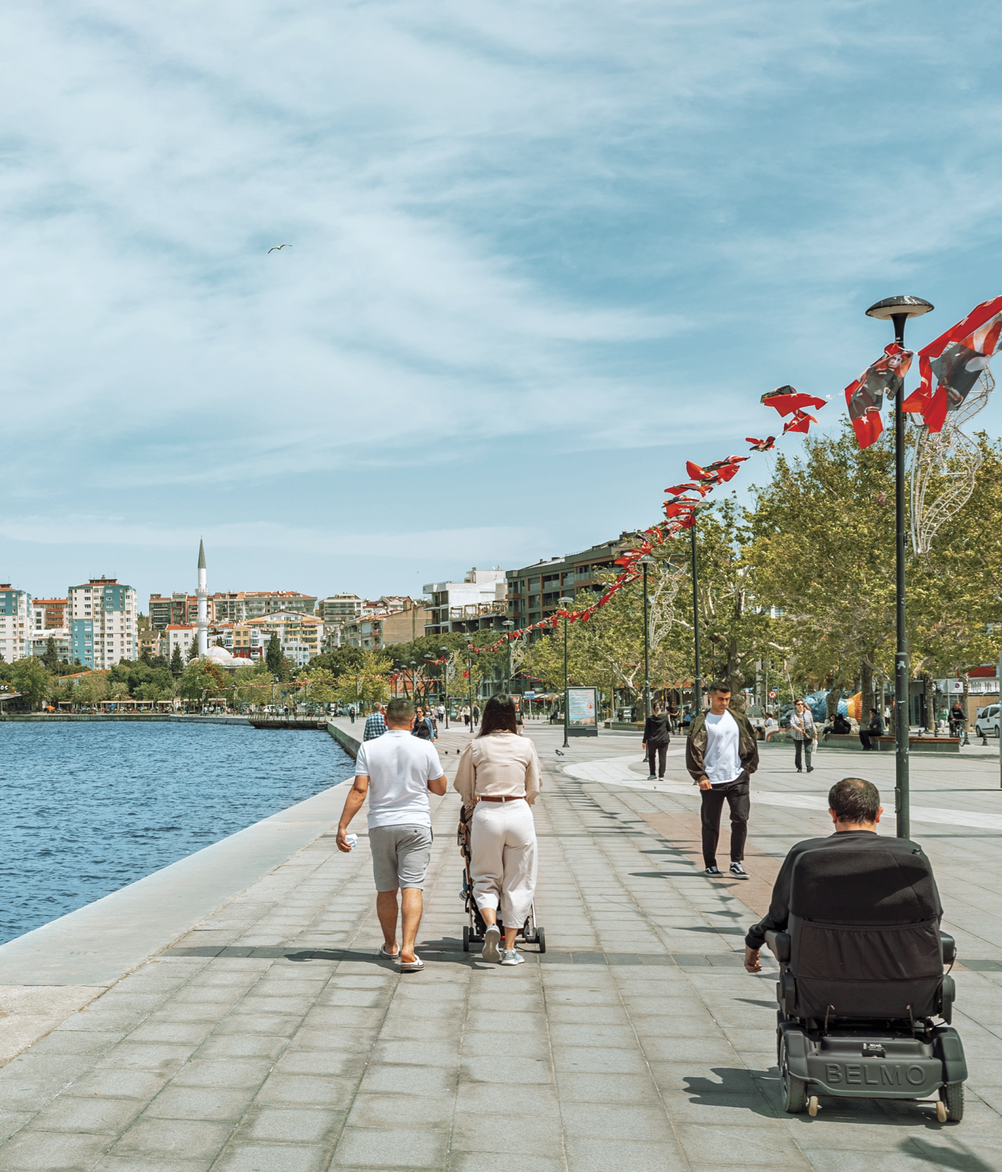
A: Travelers with accessibility needs may face some challenges, but that shouldn’t be a deterrent to making the most of a trip.
Paz Bepmale, accessible travel expert for Wheel the World, says careful planning is important. Just because a hotel or museum is labeled as accessible doesn’t mean it’s prepared to accommodate your specific needs, she says: “Go beyond that label and dig into the details.” Wheel the World allows travelers to set up a profile that helps them find places to meet their needs.
Some guided tours provide accessibility tools such as visual descriptions via audio headsets, an American Sign Language interpreter or an assistive listening device. There are also smartphone apps for deaf and hard of hearing travelers.
Airports, too, offer a range of options, including free wheelchair assistance and programs for those who are deaf or hard of hearing.
Karen Morales, accessibility program lead for Fora, encourages people not to limit what they can experience. “Everything is figure-out-able,” she says. “It really is possible.”
Michael Grant is a regular contributor to AARP THE MAGAZINE.
TRIP TIP

Plugging In
How to keep your devices charged
Because many electrical outlets overseas are shaped differently, you’ll likely need an adapter for your plugs. Universal travel adapters fit multiple types of outlets and often include USB ports.
Ways to Save
Strategies to make international travel more affordable
> Skip the Middleman Go ahead and use travel booking sites to search for flight and hotel options. But then, to avoid intermediary charges, try booking with airlines or hotels directly, suggests Eric Goldreyer, founder and CEO of Savvy, a marketplace for vacation rentals.
> Consider a Vacation Rental If you’re traveling with family or a friend group, a short-term rental will most likely be more economical than a hotel, Goldreyer says. Plus, you can cook your own meals.
> Follow a Two-Block Rule When looking for a restaurant, walk away from major landmarks and find places filled with locals, advises guidebook author and TV host Rick Steves. The food quality will likely rise and the prices fall.
> Focus on Freebies In London, for example, the permanent collections of the Victoria & Albert Museum, the British Museum and Natural History Museum are all free. “Before every trip, I always do a quick search for free things to do in that city,” says Viola Sender, cofounder of the travel blog Away to the City.
> Practice Your Flexibility You can reap huge savings by visiting lesser-known places and going outside of high season. Another bonus? “You’ll get more of the authentic location without the tourists,” Goldreyer says.
> Don’t Forget Your Credit Card Points Cards often offer travel rewards, so be sure to check what deals you can get or free flights or hotels you can book. For an extensive guide, read AARP’s “25 Great Ways to Maximize Travel Reward Points” at aarp.org/travelpoints. —Ryan Slattery
Travel Scoop: 5 Fave Cities
In destinations loved by American travelers, these are some of the must-sees
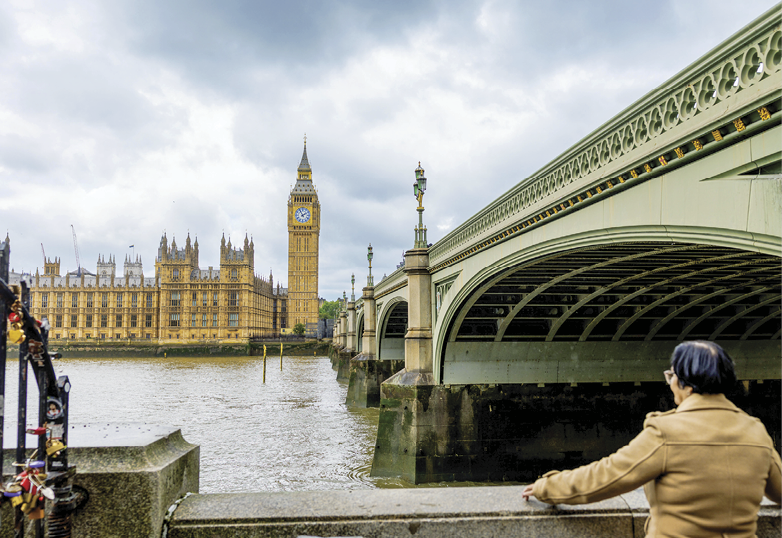
London For many Americans, Big Ben, above, Buckingham Palace and Westminster Abbey feel like distant but familiar cousins.

Rome When in Rome ... do as the tourists do. Visit the Colosseum, then go to the Trevi Fountain, above, and the Pantheon.

Paris The City of Light may be best seen at night, when the Eiffel Tower and Notre-Dame Cathedral take on glow-in-the-dark magic.

Cancún Enjoy the beach at this hot spot on Mexico’s Yucatán Peninsula, but also venture out to the ancient Maya city of Chichén Itzá, above.

Barcelona Here, the whimsical designs of Antoni Gaudí range from intimate Casa Vicens, above, to the towering Sagrada Família. —R.S.
Your First Overseas Journey?
Try one of these hospitable destinations

SYDNEY, AUSTRALIA
Why Go: The urban yet laid-back vibe feels welcoming, and the city makes a great jumping-off point to wild Oz.
Outdoorsy Sydney is “refreshingly different but reassuringly familiar for U.S. travelers,” says Stuart Rigg, co-owner of travel outfitter Southern Crossings.
There are coastal cliff-top paths connecting Bondi and Bronte beaches and leafy, walkable neighborhoods with art deco buildings, cafés and wine bars.
Beyond the city, Rigg suggests guided day trips for wine tasting in Hunter Valley or hiking in the Blue Mountains.

SINGAPORE
Why Go: Widely English-speaking, it’s a great intro to Asian cultures and cuisines.
This famously safe and clean city-state in Southeast Asia squeezes modern skyscrapers and beautiful landscapes among its diverse population, including Chinese, Malays and Indians. “Every city rewards curiosity, and Singapore is no exception. Going out and experiencing a city like a local is one of the best ways to gain a better understanding,” says Scott Wismont, founder and owner of Rainbow Getaways.

PRAGUE, CZECH REPUBLIC
Why Go: A remarkably preserved, centuries-old cityscape invites easy strolls into the past.
Architecture buffs love this city’s old-world charm. Having largely escaped major bombing during WWII, Prague mixes Romanesque, Gothic, Renaissance and Baroque architecture in a downtown straddling the Vltava River. “Prague has the architecture of Vienna, the beer culture of Munich and the price point of neither. It’s one of the best-value cities left in Europe,” says Viola Sender, cofounder of the travel blog Away to the City.

LISBON, PORTUGAL
Why Go: Friendly and colorful, the city pairs affordability with million-dollar views.
The bright yellow “Remodelado” trams that crisscross the hilly historic center will be useful as you view the impressive architecture and historic neighborhoods.
And be sure to visit LX Factory. “It’s one of my favorite places in Lisbon,” says Sepideh Mohseni, a destination expert for Kensington. “Set within a former industrial complex, it has evolved into a creative hub filled with independent shops, cafés, restaurants and local artists.”

COSTA RICA
Why Go: This ecotourism spot offers immersion into nature for exploration and wellness.
This nation in Central America is “small on a map but deceptively varied—cloud forests, active volcanoes, Pacific and Caribbean coastlines and some of the most biodiverse national parks in the world,” explains Henley Vazquez of Fora, a platform for travel advisers.
The country is also home to numerous popular wellness resorts. —R.S.
For tips and tools to help you plan your next vacation, visit aarp.org/travel