FEATURE STORY
You have a smartphone and a smart TV. Why not a smart body? From wearable, implantable and even swallowable devices to a drug that “sees” hidden cancer, smart technologies are gathering and reporting data from our bodies—and offering new hope.
CANCER BREAKTHROUGHS
A Drug That Lights Up Hidden Cancer

Bishop Steven Evans is back to singing after recovering from lung cancer.
FACING LUNG cancer surgery on New Year’s Eve 2025, Bishop Steven Evans wondered whether he’d be able to return to his calling: preaching and singing as the pastor of Leap of Faith Ministries in Park Forest, Illinois. “I’ve been a singer all my life,” says Evans, 70, of neighboring South Chicago Heights, who also works for Illinois Youth and Family Services as a participant services supervisor.
Evans’ surgeon, Dr. Justin Karush, director of thoracic surgery at Northwestern Medicine Palos Hospital in Palos Heights, used a pioneering drug called pafolacianine (Cytalux) during the procedure. The drug makes tumors glow a fluorescent green, so hidden cancer becomes visible and can be removed. In the operating room, Karush was shocked by the extent of the non-small cell lung cancer in the lower lobe of Evans’ right lung. Large areas lit up green, then red, blue and yellow as Karush adjusted the light on a camera he used during the robotic, minimally invasive procedure. “I thought, Wait, this tumor isn’t supposed to be this big,” says Karush. “The drug showed us something in real time we didn’t know from imaging beforehand.” Karush decided to remove the whole lobe. “It was all cancer,” he says.
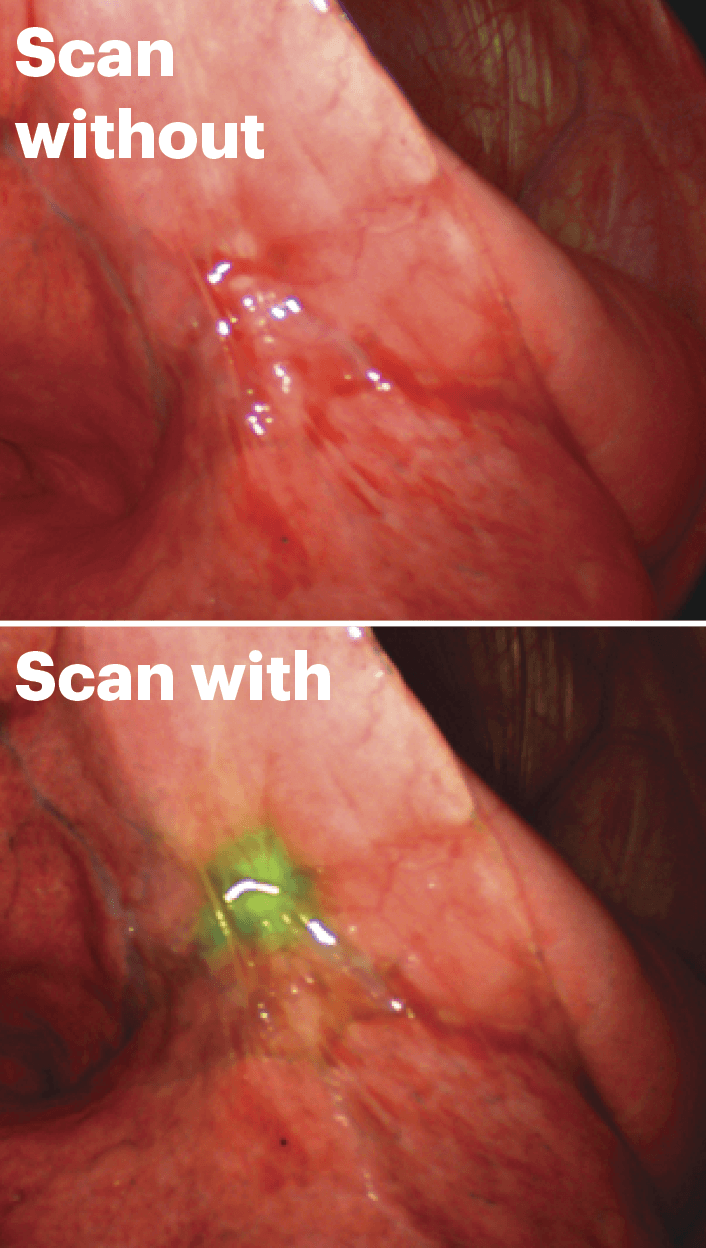
FDA-approved in 2021 and 2022 for ovarian and lung cancer surgeries, respectively, and commercially available since September 2023, pafolacianine is the first drug of its kind for detecting cancer in real time during surgery, according to the National Cancer Institute. Developed by On Target Laboratories of West Lafayette, Indiana, it combines folate (vitamin B9) with a fluorescent dye. In several types of cancer, cells are studded with folate receptors because cancer devours folate to fuel its growth. Given intravenously one to 24 hours before surgery, the drug moves through the body; cancer cells gobble it up. When a surgeon shines near-infrared light on tissue, the dye makes even the smallest cancers glow brightly. As a result, surgeons can remove more cancer and leave more healthy tissue in place, says Karush.
Both lung and ovarian cancers have high recurrence rates, despite recent treatment advances. One reason: cancer left behind during surgery. But in a study published in 2023 in the Journal of Clinical Oncology of 150 midlife and older women with known or suspected ovarian cancer, 1 in 3 had extra areas of the disease detected with the drug that were not found with usual checks during surgery.
Two months after his procedure, Evans had a follow-up appointment at Karush’s office. His recovery had gone well, but the surgery had “removed about 22 percent of his lung function,” Karush says. “Hey, are you able to sing?” Karush asked the bishop. Evans took a deep, full breath. In a ringing baritone, he sang his favorite gospel song: “I’ve had some good days / I’ve had some hills to climb.… I won’t complain.”
MORE ADVANCES IN CANCER CARE
BREAKTHROUGH:
Pancreatic Cancer Drug Doubles Survival Time
The new drug daraxonrasib increased survival with a common type of metastatic pancreatic cancer to 13.2 months, compared with 6.7 months for conventional chemotherapy, according to a study published in May. The pill targets a genetic mutation found in more than 90 percent of advanced pancreatic cancer cases. The FDA approved the drug, which will be sold under the brand name Rasonque, in late August.
BREAKTHROUGH:
AI Helps Determine Ideal Cancer Therapy
An online AI tool from the National Cancer Institute can predict whether a person’s cancer will respond to immune checkpoint inhibitors (ICI)—a type of drug that helps immune cells kill cancerous ones. ICIs can be highly effective, but only about 1 in 5 people respond to them. The tool is publicly available at loris.ccr.cancer.gov.
PAIN MANAGEMENT BREAKTHROUGHS
A Spinal Cord Stimulator That Eases Backaches
LYNNETTE BASHEIN has endured severe lower back pain for more than 20 years, racking up a list of treatments that didn’t help much, including surgeries, radiofrequency ablation and a custom-made back brace that she wore for eight months. She has also endured physical therapy, pain medications, spine injections and two spinal cord stimulators—one of which delivered shocks at unexpected moments.
“I’d be walking through Walmart and it would just drop me to my knees,” says Bashein, 59, of Fort Worth, Texas, who works as a referral coordinator for a medical group. “I turned it off and had it removed.” (The other stimulator was taken out because of a skin infection.) At times, she used a walker or a cane. “My pain stayed between an eight and a nine,” she says.
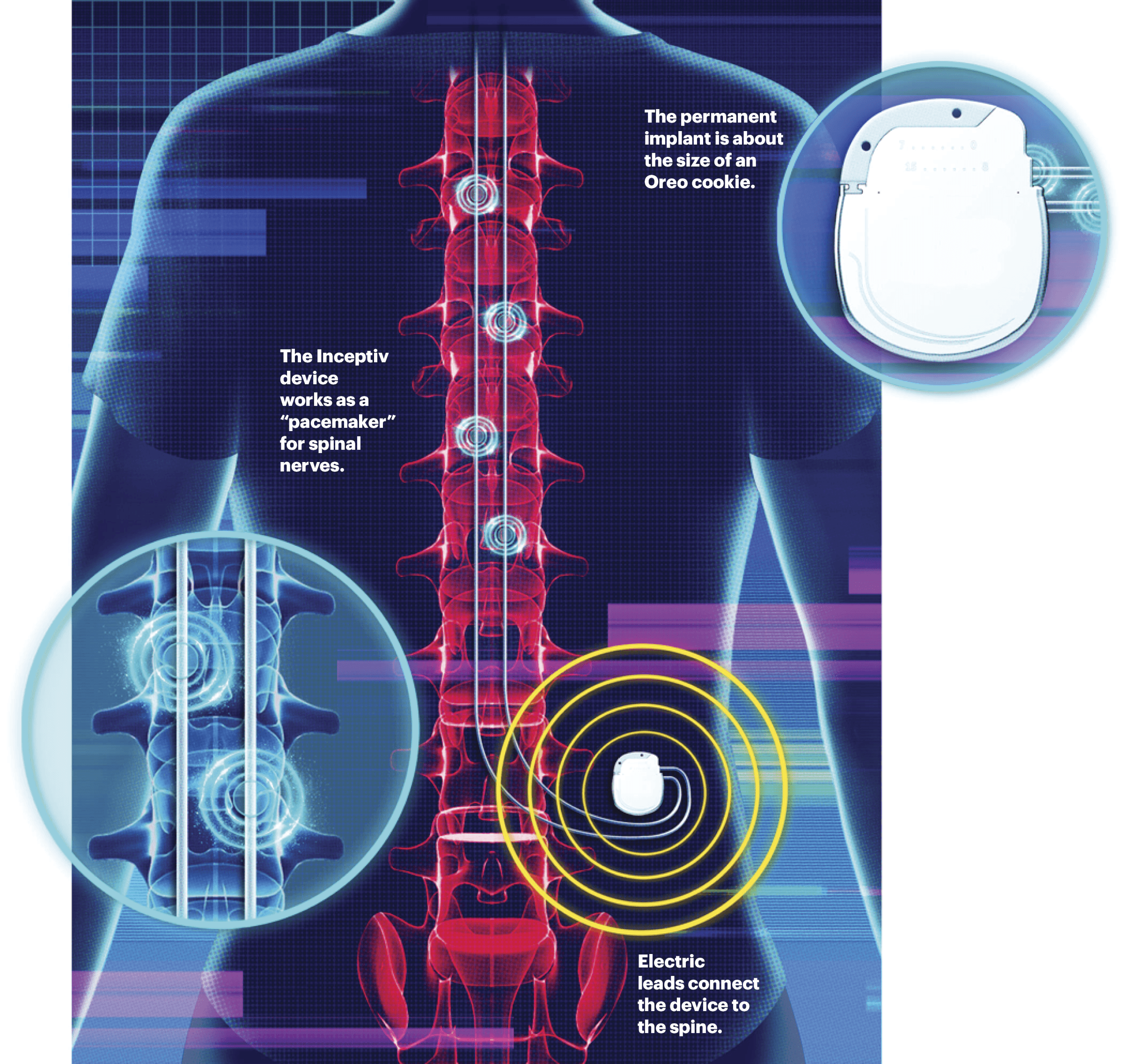
Her pain management doctor and surgeon suggested Bashein consider a new kind of spinal cord stimulator with a “smart” feature. Like conventional stimulators for chronic back, arm and leg pain, it uses mild electric pulses to interrupt pain messages before they reach the brain. The new, smart trick: This stimulator constantly monitors bioelectric signals from the spinal cord, adjusting the electrical stimulation it delivers in response.
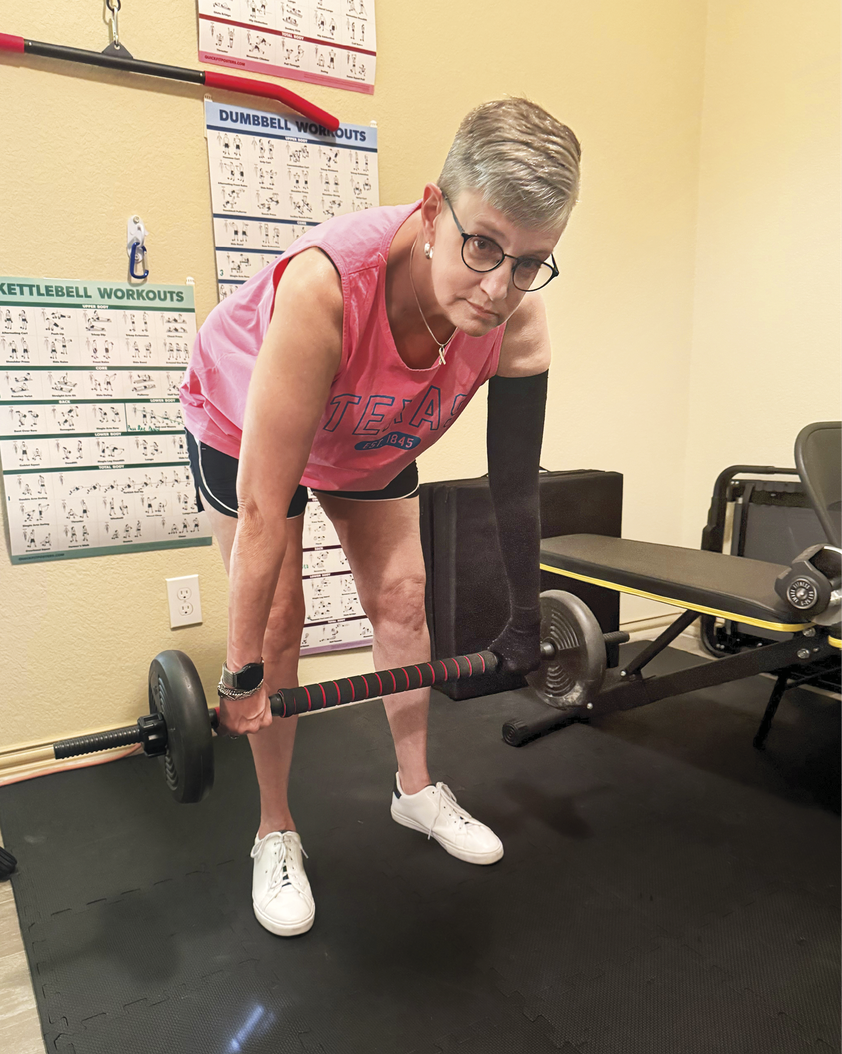
Bashein is back to living an active lifestyle.
“This is kind of the pacemaker for the back and for the nerves,” says Dr. Melissa Z. Murphy, an interventional pain specialist who treats Bashein at North Texas Orthopedics and Spine Center in Dallas–Fort Worth. “When our patients exercise, cough and laugh, they don’t have to reach for their remote to turn down the stimulation anymore, because the system does it automatically.”
In traditional devices, certain movements or positions can alter stimulation intensity, often requiring manual adjustment: In one study of traditional stimulators, 58 percent of respondents reported overstimulation and 46 percent reported not enough stimulation as they moved around during the day.
Stimulators with this new smart feature from two device manufacturers received FDA approval in 2022 and 2024. In June 2024, Bashein tried out Medtronic’s Inceptiv spinal cord stimulator for a trial period and felt better immediately (Saluda Medical’s Evoke is another, similar device). She had a permanent device—about the size of an Oreo cookie—implanted. The stimulator is then attached to electric leads that are implanted in the spine, close to nerves. “My pain, if I have it, is between a one and a two,” Bashein says. Since then, she has switched it off only for medical tests like magnetic resonance imaging scans.
Bashein changed jobs in 2025 because she was now able to drive to worksites without discomfort. She works out at the gym, goes bowling and frequently gets together with friends to dance to ’80s music at a Fort Worth club. “There’s so many fun things that I can do now,” she says.
MORE ADVANCES IN PAIN RELIEF
BREAKTHROUGH:
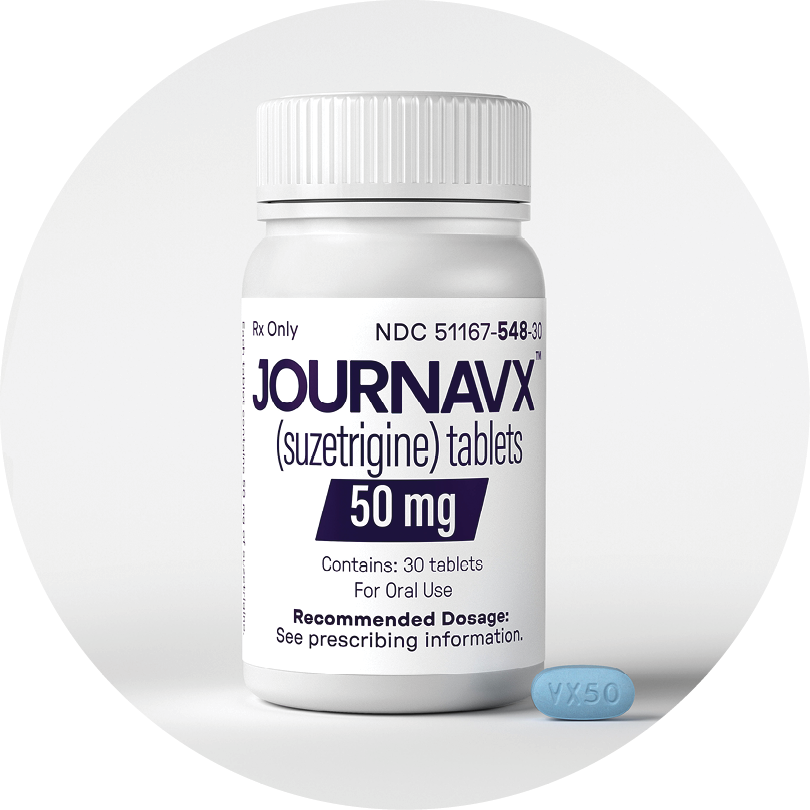
Nonopioid Pain Pill
A first-of-its-class, opioid-free pain pill called Journavx, FDA-approved in 2025, got high ratings for pain control from 90 out of 99 people who used it after reconstructive and aesthetic procedures in a 2025 study from Beth Israel Deaconess Medical Center in Boston. The study was presented at a meeting of the American Academy of Pain Medicine. The drug is intended for moderate to severe short-term pain, such as the kind that occurs after surgery. It works by blocking pain signals in nerves before they reach the brain.
BREAKTHROUGH:
VR for Chronic Pain
RelieVRx is a virtual reality system for chronic low back pain relief, the first of its kind authorized by the FDA for this condition. It’s available to eligible patients through Veterans Administration providers across the U.S. In a study, those who used it said the intensity of their back pain dropped by an average of two points on a zero-to-10 pain scale.
JOINT AND BONE CARE BREAKTHROUGHS
A Knee Replacement That Tracks Post-Surgery Progress

A “smart knee” replacement helped Frost recover quickly.
BETSY FROST’S KNEE hurt all the time. A retired accountant from Houston, she used to bike, run and swim before tearing her ACL while skiing in her early 20s. “That slowed me down,” she says. Despite ligament reconstruction and a steady diet of over-the-counter pain relievers, she couldn’t straighten her knee, stand for very long or walk around the block without having to sit down.
When Frost, 66, decided to have a total knee replacement in 2025, she chose a first-of-its-kind “smart knee”—the Zimmer Biomet Persona IQ—that tracks her daily steps, walking speed, stride length, range of motion and other measurements, sending the data to an app in her smartphone and to her orthopedic surgeon.
“It was really good to have all of that data,” Frost says. “I can see how many steps I’m at. And the app compares how I am doing against other people.” She has progressed from swimming and walking to playing golf, all without pain, she says.
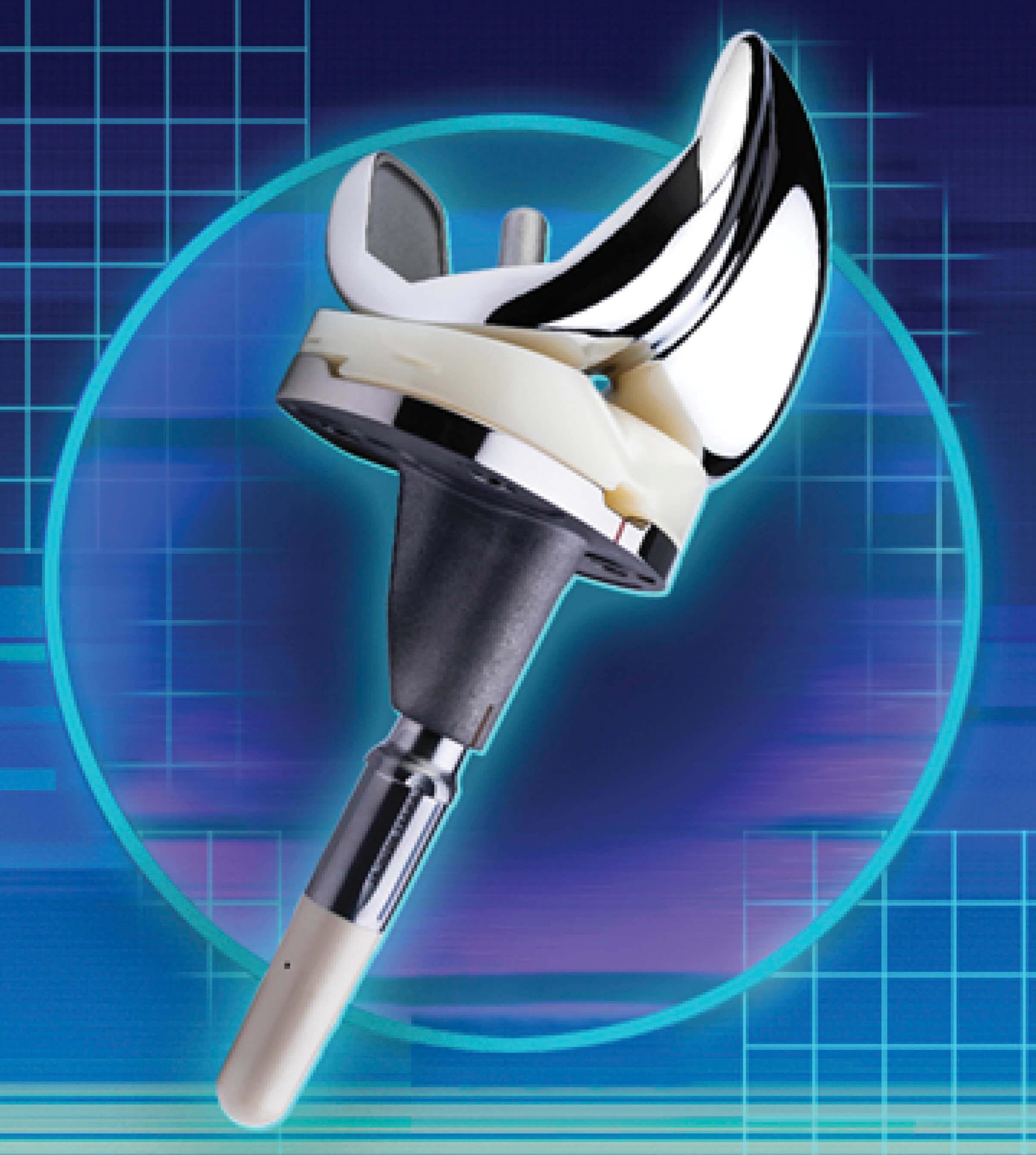
Artificial knee joint tracks rehab success
The Persona IQ knee implant has motion-tracking sensors, powered by an up-to-10-year battery, located in a small extension that fits into the shinbone. Motion data gets transmitted to a base station overnight and, from there, to a user’s smartphone as well as a data system that physicians use to track the patient’s progress. The app, called Mymobility, compares a user’s metrics with those of similar patients, lets users track their progress by also taking videos of, say, their knee movement, and provides exercises and useful information. “I can follow patients from the first step they take after surgery to six weeks, three months, up to 10 years down the road. I know exactly what’s happening in the knee,” says Dr. Andrew N. Luu, director of orthopedics and total joint replacement surgery at PIH Health Whittier Hospital in the Los Angeles area. He is the orthopedic surgeon who performed Frost’s knee replacement.
Over 1 million older adults and other Medicare beneficiaries had total knee replacement surgery in 2022, a number predicted to grow to 2.8 million by 2040, according to a 2025 Rush University study. Because of pain, tiredness and a fear of exercise, among other reasons, many patients who get knee replacements do not keep up with recommended levels of postsurgical physical activity, which may limit their recovery. Seeing your own activity numbers—and hearing from your doctor if you fall behind or seem to be struggling—can make a difference, Luu says.
Meanwhile, Frost is on the move. Last summer, she hiked a Colorado mountain with her grandchildren. “I pretty much wore them out, but I was still going,” she says.
MORE ADVANCES IN JOINT AND BONE CARE
ON THE HORIZON:
Joints That Rebuild Themselves
Researchers at the University of Colorado Boulder are developing treatments that spur aging joints to repair themselves. Still in preclinical studies, the minimally invasive therapies deliver medication or a mix of proteins and biomaterials as injections into joints or infusions to stop or reverse osteoarthritis. Researchers hope to begin human trials in 2028.
ON THE HORIZON:
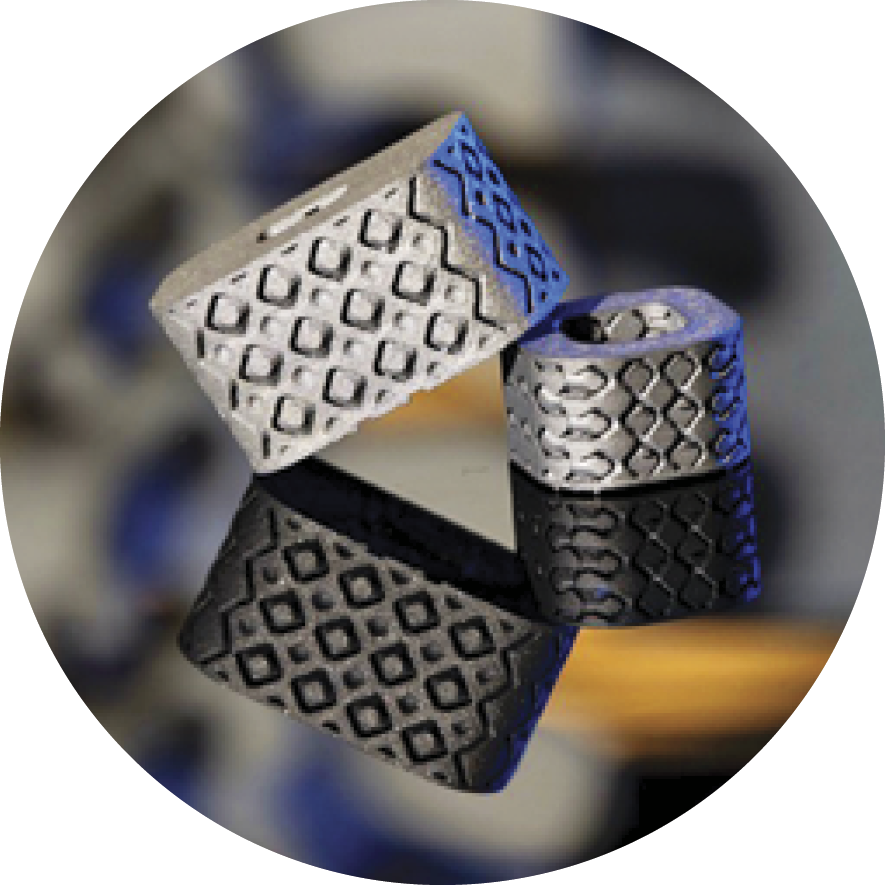
Implant Monitors Back Surgery Recovery
University of Pittsburgh neurosurgeons and engineers have devised an implant that tracks spinal healing and function after fusion surgery. The implant uses sensors similar to those used to monitor the strength of bridges.
ON THE HORIZON:
AI X-Ray Check Finds Weakening Bones
Japanese researchers have created an artificial intelligence tool that scans standard X-rays of the spine for signs of fracture-prone bones. Researchers say it could help find weakening bones in people who haven’t had a bone scan.
HEART DISEASE BREAKTHROUGHS
A Tiny Implant That Warns of Worsening Heart Failure
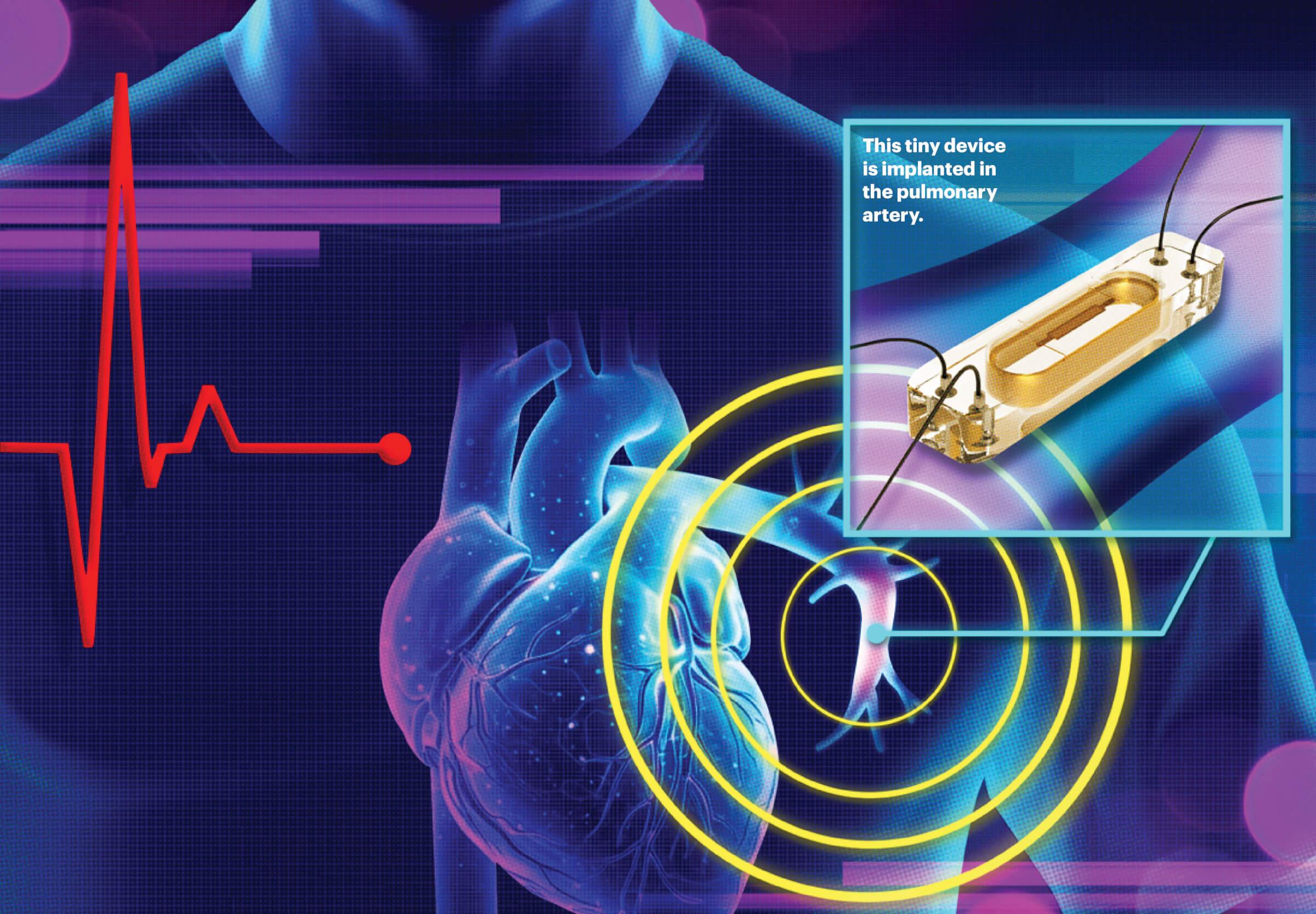
Doctors receive blood pressure data from inside the artery.
A MASSIVE HEART attack at age 60 slashed the pumping power of Angie Lindsey’s heart by more than 50 percent, leaving her breathless, tired and worried. Three years later, the licensed nursing home administrator from East Prairie, Missouri, was back in the hospital with advanced heart failure.
She left her job but continued to struggle. A new emergency early this year landed her in the Heart Failure Program at Mercy Hospital South in St. Louis: She’d suddenly retained 29 pounds of fluid, a sign of a rapidly weakening heart. In the hospital, Lindsey said yes to receiving the CardioMEMS HF System, which includes a tiny, high-tech sensor that detects signs of worsening heart failure days to weeks before symptoms become noticeable. The warning gives physicians or nurses time to adjust medication and suggest lifestyle changes.
A smart device, the CardioMEMS PA Sensor, was implanted in the pulmonary artery of her left lung in a minimally invasive procedure. About 0.1 inch long and the thickness of a quarter, the sensor is held securely in place by small, flexible wire loops. The full sensor is the size of a small paper clip. It measures blood pressure in Lindsey’s pulmonary artery, transmitting numbers to her heart-failure team every morning with a data reader called the HERO Device, which was cleared by the FDA in February 2026. Lindsey, now 66, simply puts the reader on her bed, switches it on and lies on it for a few minutes. The design makes it small and light enough to take along on trips.
Caused by weakened or stiff heart muscle and valves, heart failure is responsible for more than 14 percent of U.S. deaths, according to the National Center for Health Statistics. Symptoms include fatigue, shortness of breath and swelling in the legs or abdomen. Heart attacks, obesity, diabetes, high blood pressure, kidney disease, infections and genetics can all increase the odds, with risk rising after age 70. A healthy lifestyle and a research-proven combination of four medications can control heart failure, slow its progression and improve survival by 73 percent in patients with a weak heart, but many aren’t receiving these drugs—and many people with heart failure don’t even know they have it, says Lindsey’s cardiologist, Dr. Charles F. Carey, director of the Heart Failure Program at Mercy Hospital South.
In recent studies, people with the CardioMEMS device were 57 percent less likely to end up in the hospital because of heart failure and more likely to stay alive. “For Angie, it helps keep her out of the hospital and reduces her chance of dying by about 25 percent,” Carey says.
About five days after Lindsey’s CardioMEMS PA Sensor was implanted, Carey’s heart-failure team called her. Her pulmonary artery pressure was rising. They changed some medications and doses, kept following her numbers and saw her via a virtual medical visit a few days later. A crisis was averted. “I know the device works,” she says. Feeling confident, Lindsey went on vacation to a Florida beach this spring, and she’s planning a trip to Texas to see her favorite K-pop band, South Korea’s BTS. “I don’t just want to sit at home and exist,” she says. “There are things that I want to do.”
MORE ADVANCES IN HEART HEALTH
BREAKTHROUGH:
AI Spots Coronary Risk
In July the FDA authorized CaRi-Heart, a technology that uses AI to measure inflammation in fat surrounding arteries in the heart and predict heart disease risk.
ADVANCES IN DIABETES CARE
BREAKTHROUGH:
Once-Weekly Basal Insulin for Type 2 Diabetes
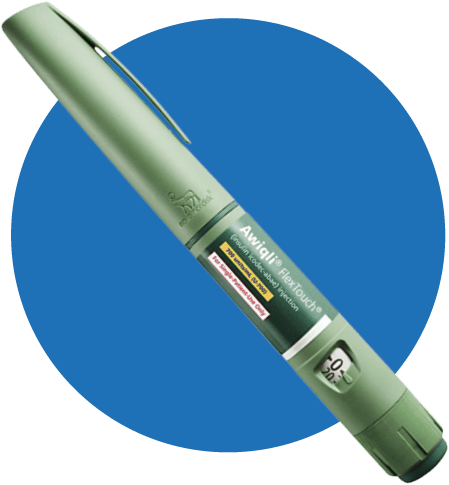
In March the FDA approved Awiqli (insulin icodec-abae), the first-ever once-a-week basal insulin injection for type 2 diabetes. In studies of adults with type 2 whose blood sugar wasn’t controlled by using daily or mealtime insulin, another diabetes drug or both, those who switched from daily basal to the weekly insulin lowered their A1C readings over the previous two to three months.
ON THE HORIZON:
Better Math for Your CGM
Researchers at the University of Virginia Center for Diabetes Technology are testing an algorithm that uses numbers from a user’s continuous glucose monitor (CGM) to make personalized recommendations about insulin doses. In an early clinical trial of 30 people with type 2 diabetes, published in February 2026, those who used it saw the amount of time their blood sugar stayed in a healthy zone rise to 75 percent from 54 percent. The researchers say more studies are needed.
GUT HEALTH BREAKTHROUGHS
A High-Tech Capsule That Detects Digestive System Trouble
SWALLOWING AN electronic, gas-sensing capsule helped Alice Smith (not her real name), 64, pinpoint the cause of the chronic constipation that had bothered her for decades. “I took one big gulp of water,” says Smith, a school speech pathologist who lives in the Northeast U.S. “It went down very easily.”
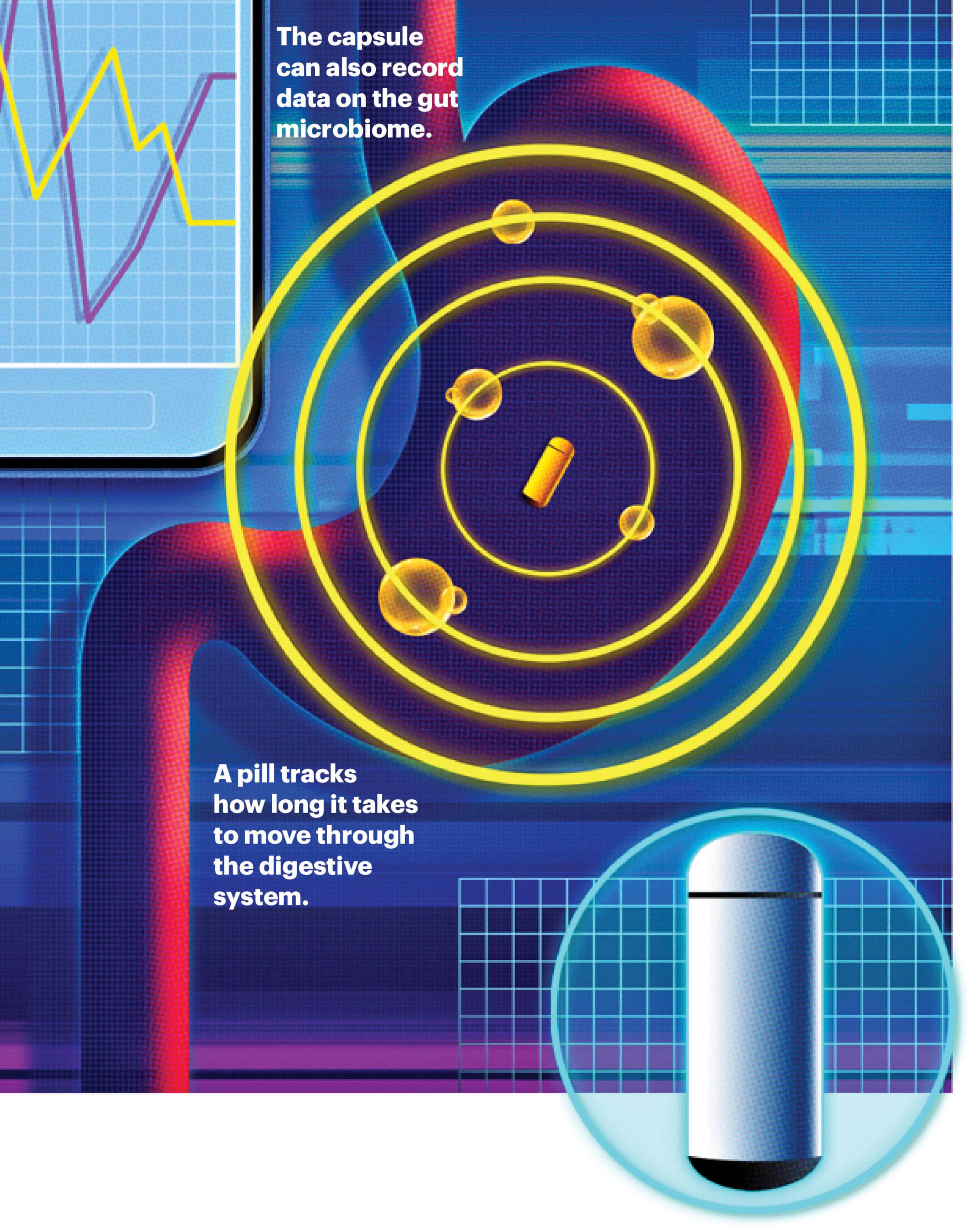
At 1.1 inch long and 0.4 inch wide, the Atmo Gas Capsule houses sensors that track its location, its speed of movement and the force and frequency of muscle contractions along the human body’s 30-foot-long digestive tract, sending data to a receiver the user wears on a belt. The info can help people with common digestive problems, and their doctors, get a better picture of the cause and receive more effective treatments as a result, says Dr. Eric Goldstein, a clinical instructor at the Icahn School of Medicine at Mount Sinai in New York City.
“The capsule can really help you fine-tune your treatment for the patient, not by only confirming the diagnosis you suspected or denying it but by finding things you weren’t necessarily looking for,” says Goldstein, who is Smith’s gastroenterologist.
FDA-cleared in 2025, the capsule helps diagnose chronic constipation—which affects up to 30 percent of older adults—as well as gastroparesis, when stomach muscles slow down or stop moving food along to your small intestine. Conventional tests involve consuming food with radioactive tracers or taking a capsule, then having images taken over several hours or even days, Goldstein says. “It’s just very inconvenient,” he adds.
The Atmo capsule shows “whole gut transit time”—how long food stays in the stomach, small intestine and large intestine. Total transit time was 22 to 41 hours in a 2022 study of healthy people, although up to 73 hours is still within the normal range.
Other research is using the Atmo capsule to get a better picture of how the gut microbiome reacts to special diets and what happens in the body during time-restricted eating.
For Smith, the capsule’s results ruled out transit-time problems, leading to tests showing she has dyssynergia—when muscles and nerves aren’t working together to produce a bowel movement. Smith is now undergoing pelvic floor therapy, using biofeedback to retrain key muscles, taking a fiber supplement and using diazepam suppositories to relax her muscles. “I am going to the bathroom,” she says. “I definitely feel better about that.”
MORE ADVANCES IN DIGESTIVE HEALTH
BREAKTHROUGH:
Drug Combo Eases Inflammatory Bowel Disease
For people with treatment-resistant Crohn’s disease or ulcerative colitis, an experimental combination therapy of two drugs—the biologics golimumab and guselkumab—boosted odds for continued remission after 48 weeks,compared with taking just one drug, according to recent clinical trials.
ON THE HORIZON:
Robot Pill Snaps Gut Photos
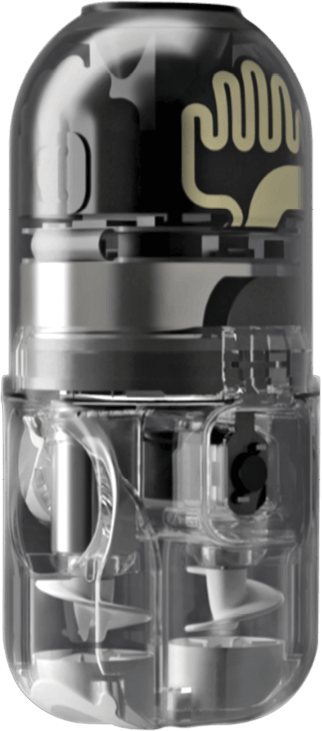
The experimental PillBot is a tiny robot with a camera and light packed into a capsule. Once commercially available, it can be mailed to a consumer’s home, where it’s swallowed; a physician in another location controls the robot’s journey through the digestive system.
BRAIN BREAKTHROUGHS
A Wristband That Talks to Your Brain
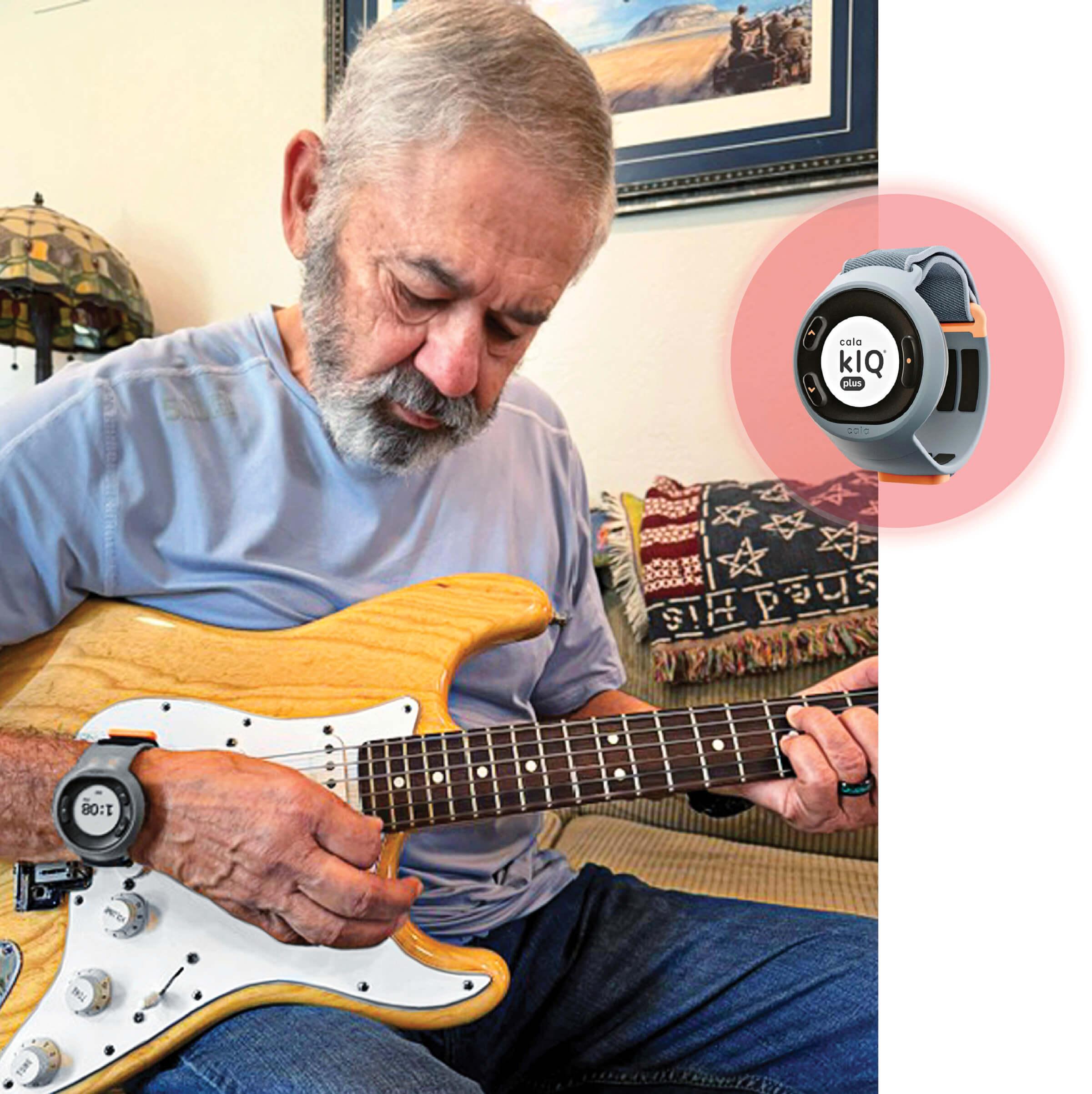
A wristwatch-like device keeps Payne’s tremors in check.
DAN PAYNE, 72, was playing guitar with his band when someone in the crowd yelled, “Play ‘La Bamba’!” He froze. The stage went silent. “The keyboard player’s looking at me like, ‘Go start it,’ ” he recalled later. “I’m shaking my head like, ‘No, I can’t do it.’ ” The tremors in Payne’s right hand had made playing the punchy guitar intro to the song “harder and harder,” he says. And offstage, even simple tasks like holding a coffee cup and eating were getting difficult.
Payne, a fiber optics consultant in Fresno, California, was diagnosed in 2014 with essential tremor, a common and frustrating neurological disorder. As the shaking intensified, he had to hire an assistant to execute the delicate task of connecting hair-thin fibers. Sometimes he sat on his hand to hide the tremor. “It was very embarrassing,” he says.
Now Payne’s back to connecting fiber optic lines—and playing guitar. The Marine Corps veteran credits his comeback to the Cala kIQ system, a wristband that delivers mild electrical impulses through the skin to nerves in his arm. The pulses intercept and calm the abnormal signals from the brain that cause the tremors.
The system was authorized by the FDA in 2018 to treat essential tremor and in 2020 for some types of Parkinson’s disease tremors. A new version, Cala kIQ Plus, was cleared by the FDA this spring. It uses smart technology to measure the unique frequency of each user’s tremors and automatically calibrates to the right frequency needed to counteract those tremors. (Users can manually adjust the intensity as well.)
Experts think essential tremor is caused by a glitch—often inherited—in a large network in the brain that controls movement. It can be treated with a beta-blocker heart drug or an antiseizure drug, but those interventions work only 30 to 50 percent of the time. Deep brain stimulation, focused ultrasound and injections of botulinum toxin can all help as well, but only a small share of patients opt for these alternatives, studies show.
The Cala system uses a wristwatch-like device to send electric pulses through the skin and along nerves that carry signals to the brain. “You can think of it as kind of like noise-canceling headphones for tremors,” says Dr. Scott L. Delp, a professor of bioengineering, mechanical engineering and orthopedic surgery at Stanford University who helped develop and test the system. “The tremor is like a noisy signal causing your hand to shake.” The device disrupts that frequency, thereby quieting the tremor. In a 2020 study of 205 users, more than half saw a reduction in tremors of at least 50 percent.
Payne has found that the device, which is generally covered by insurance, has eased his tremor significantly. “It had been years since I really played the guitar,” he says. “But now it’s like I never stopped.” ■
‹Sari Harrar is a contributing editor to AARP THE MAGAZINE.
MORE ADVANCES IN BRAIN HEALTH
BREAKTHROUGH:
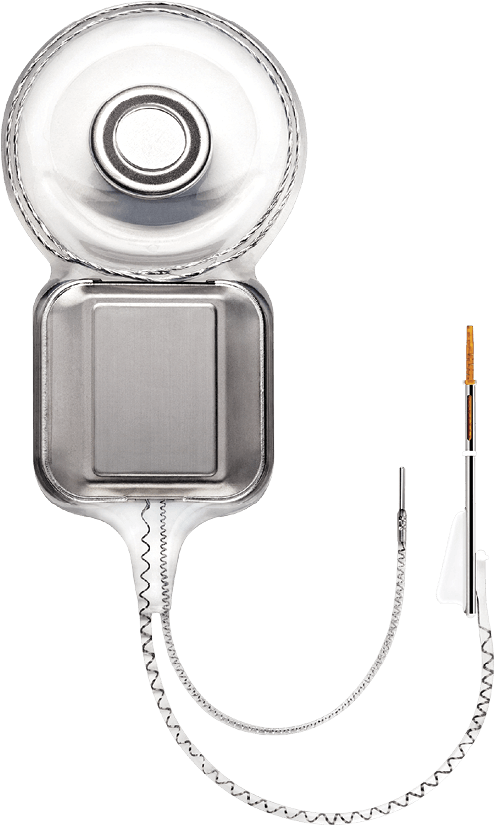
Smart Cochlear Implants
The FDA has approved the first smart cochlear implant for adults and children with severe hearing loss. It’s designed to receive future upgrades to the implant itself, not just through an external sound processor.
ON THE HORIZON:
Noninvasive Therapy Battles Alzheimer’s
Experimental brain stimulation slowed cognitive decline in 48 adults with mild to moderate Alzheimer’s disease in a 2025 Italian study. Clinicians delivered personalized repetitive transcranial magnetic stimulation, targeting a key brain network affected early in Alzheimer’s.