Feature STORY
Beyond the Liberty Bell
Finding American history in less-expected places
America’s most familiar landmarks tell only part of the story. The rest unfolds in trading posts and sports stadiums, mining towns, prisons and island forts. Sure, everybody knows to visit the Liberty Bell when in Philadelphia, the Lorraine Motel in Memphis and Mount Rushmore in South Dakota. But venture a little farther and you’ll find preserved places that will broaden your understanding of our nation’s 250 years, tracing how local decisions, regional conflicts and workaday labor have shaped our culture.
CALIFORNIA
A BOOM, THEN A BUST, PRESERVED
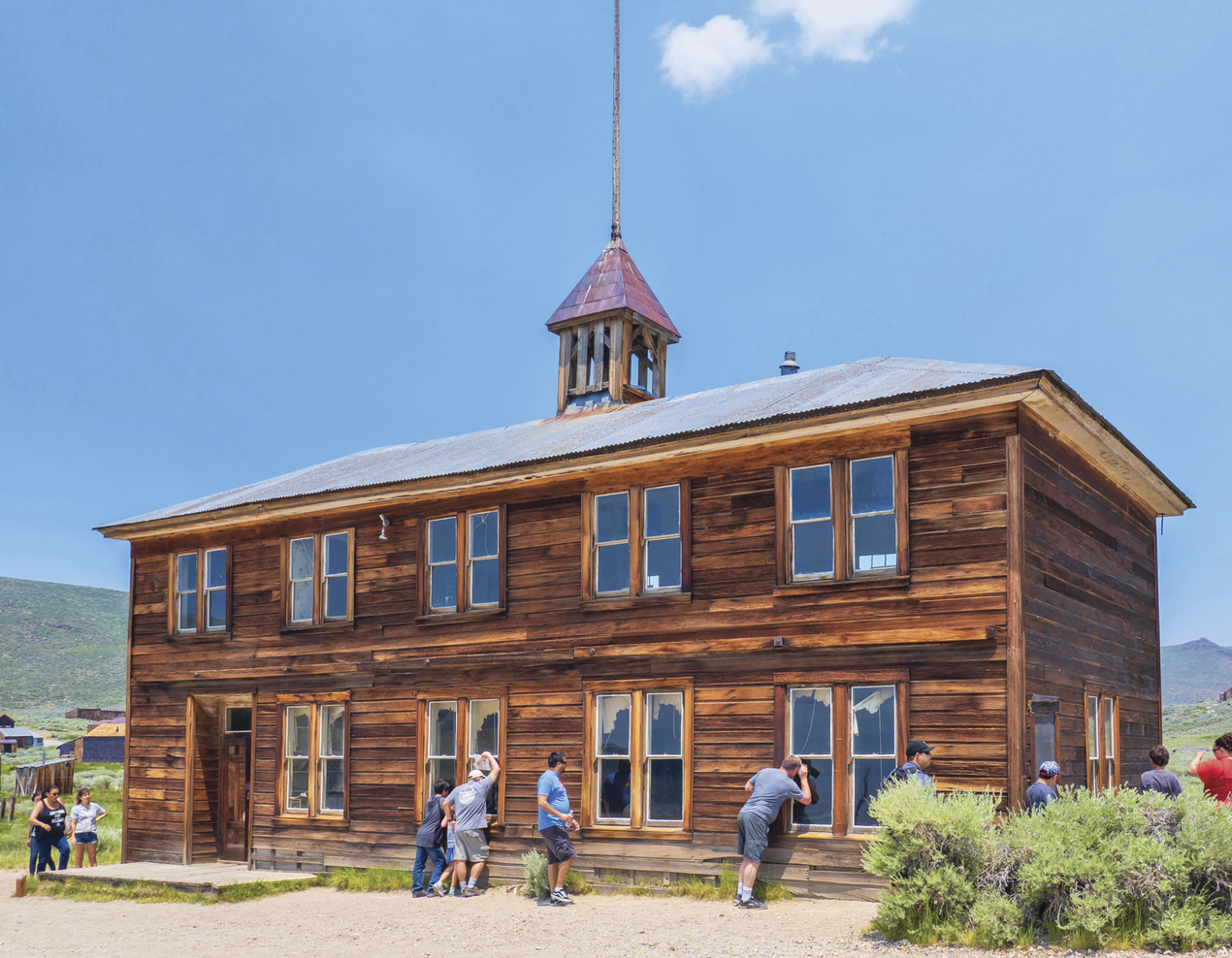
High in California’s Sierra Nevada, a former mining town is preserved as Bodie State Historic Park. More than 100 buildings—homes, a schoolhouse, a saloon, a jail and more—still line its dusty streets. A late-1870s gold and silver boom drew about 8,500 residents and yielded tens of millions of dollars before the ore dwindled and the town emptied. Inside, everyday objects remain, capturing the abrupt halt of work and life.
ALASKA
TERRITORIAL DISPUTES ON DISPLAY
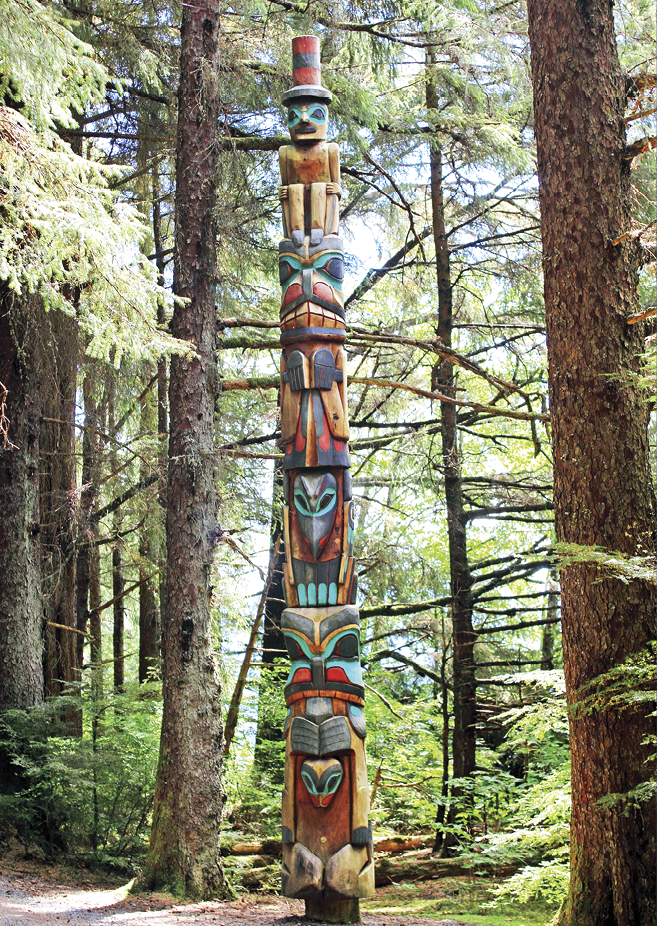
Established in 1910, the 113-acre Sitka National Historical Park is emblematic of Alaska’s imperial struggle. Here in 1804, Tlingit warriors unsuccessfully battled Russian forces. The mile-long Totem Trail threads through spruce and hemlock forest, where you can see Tlingit and Haida poles carved with clan histories and ancestral memory. The 1840s Russian Bishop’s House preserves the domestic and religious center of Russian America. On nearby Castle Hill, the U.S. flag rose in 1867 as Alaska was transferred to the United States.
TENNESSEE
HONORING A VOTE TO GAIN THE VOTE
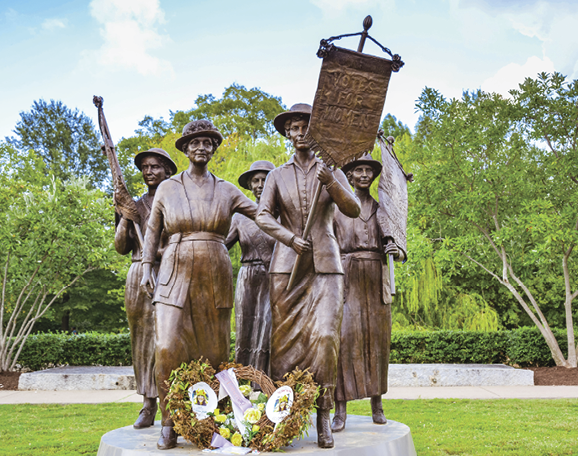
On August 18, 1920, women’s suffrage in the United States came down to a single vote in Nashville. That day, Tennessee just barely became the decisive 36th state to ratify the 19th Amendment. Explore this history at sites across the city, including the Tennessee Woman Suffrage Monument in Centennial Park.
MINNESOTA
NATIVE CULTURES, CAPTURED IN CLAYSTONE
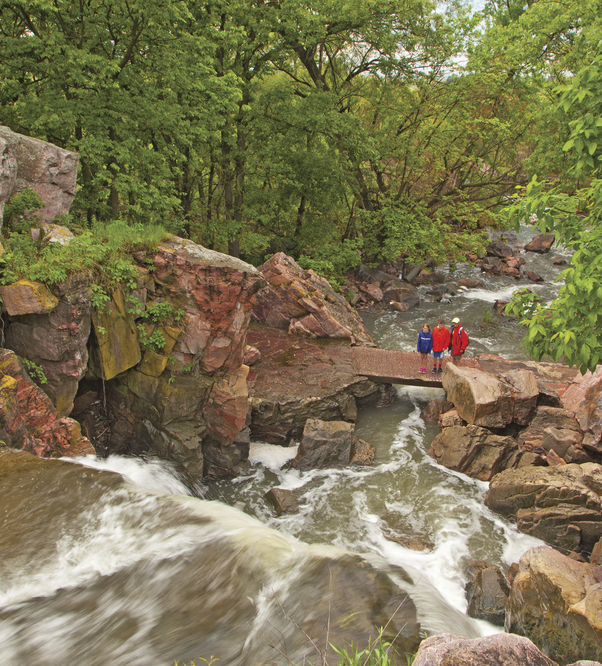
The Pipestone National Monument preserves a quarry held sacred by many Native nations. For centuries, the Lakota, Dakota and others traveled great distances to extract the soft catlinite used to carve ceremonial pipe bowls for prayer, diplomacy and peacemaking. A trail circles past active pits and Winnewissa Falls, while Native American artisans give seasonal demonstrations of their cultural practice.
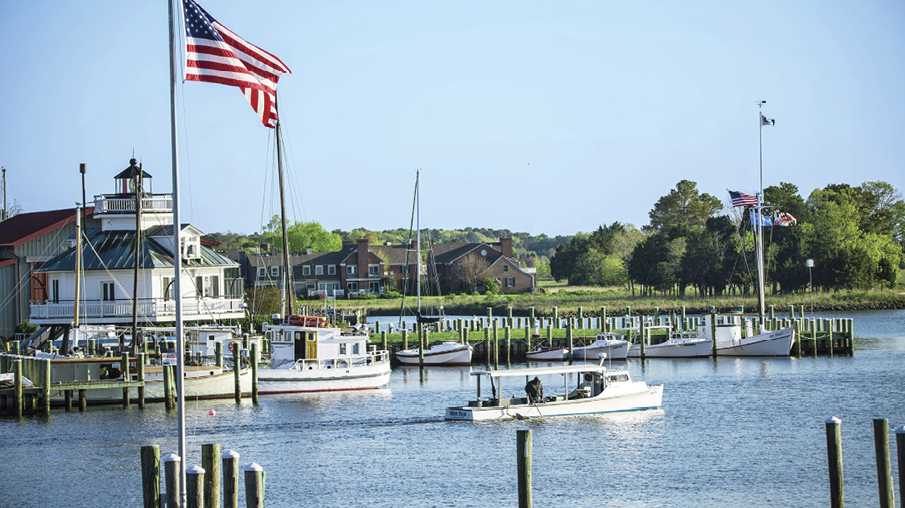
MARYLAND
MAINTAINING MARITIME HERITAGE
The Chesapeake Bay Maritime Museum spans 18 acres at Navy Point in St. Michaels, where oystering, boatbuilding and packinghouses shaped the town from the colonial era through the 20th century. Boats are still built and repaired on-site.
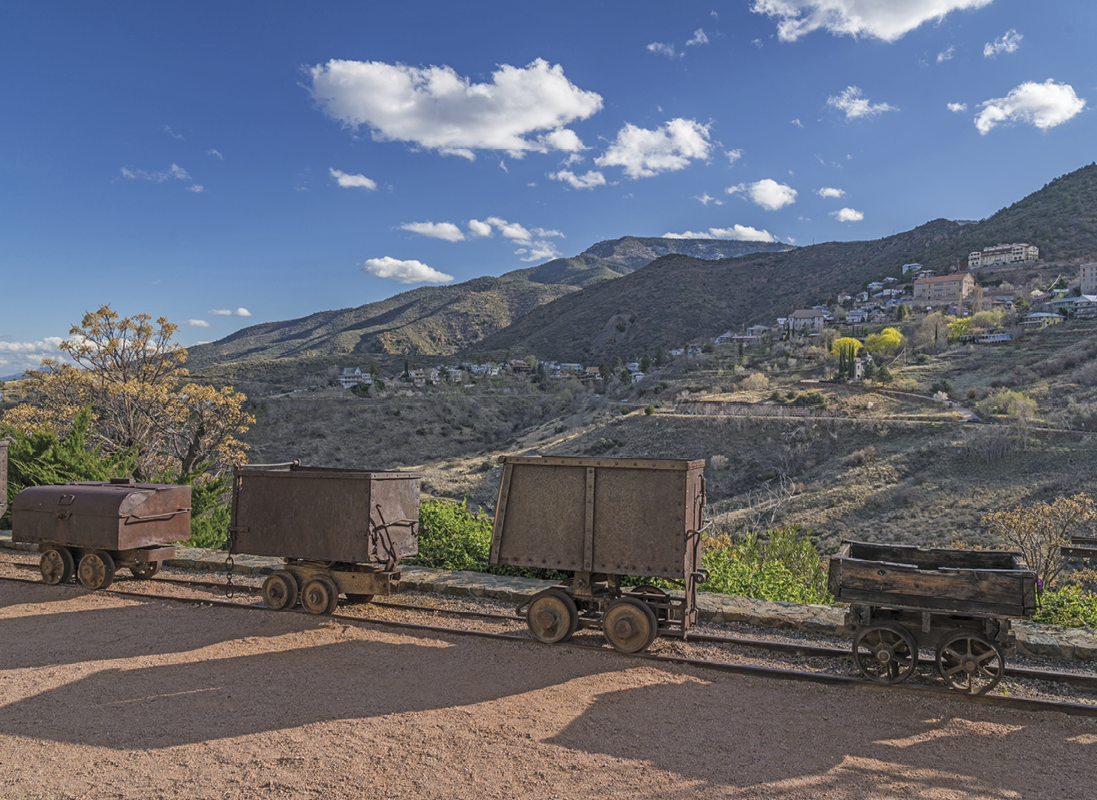
ARIZONA
COPPER WIRED THE COUNTRY
The discovery of rich copper deposits in the 1870s drew miners and investors to central Arizona, where they established the town of Jerome. By the early 20th century, that copper helped wire a rapidly modernizing nation. The mines closed in 1953, but visitors can relive the heyday at Jerome State Historic Park. The 1916 Douglas Mansion is a museum with exhibits and views of the tunnels.
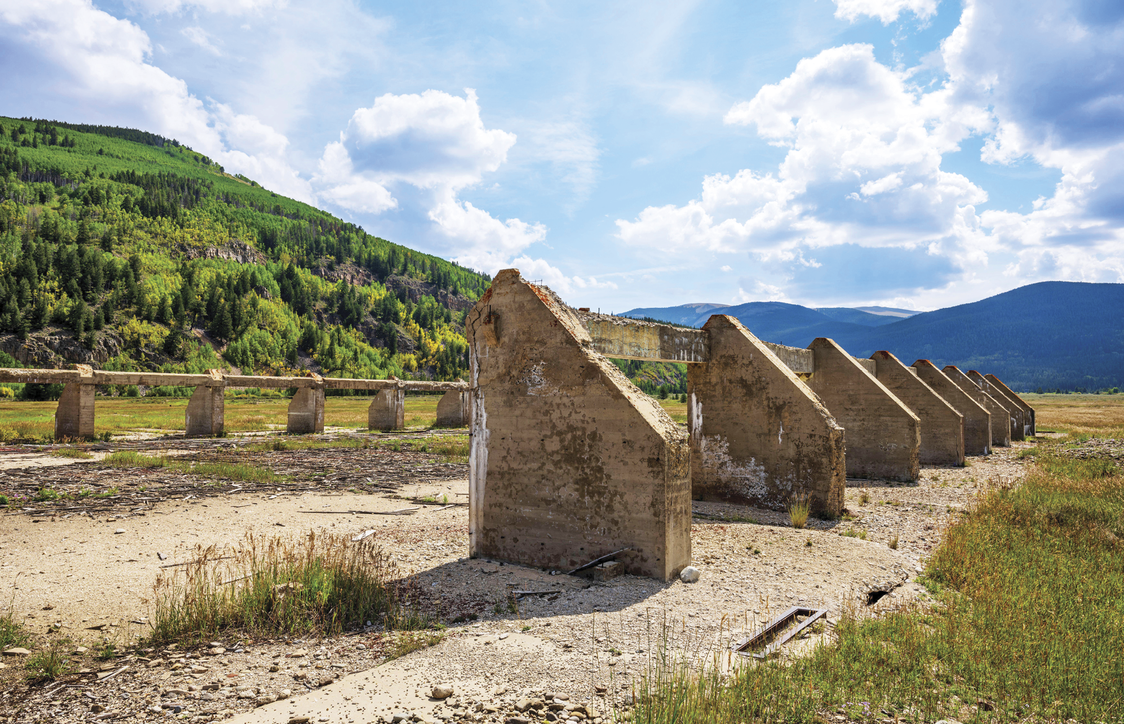
COLORADO
WHERE TROOPS TRAINED FOR A MOUNTAIN MISSION
In February 1945, American soldiers climbed the steep escarpments of northern Italy’s Riva Ridge under cover of darkness, surprising German forces in the final months of World War II. Preparation for that assault began thousands of miles away in Colorado’s Rocky Mountains at Camp Hale, located northwest of Leadville at 9,200 feet above sea level and now preserved as a national monument. Visitors can explore the site through a self-guided driving tour with stops at interpretive sites and trails that lead to the rugged training grounds.
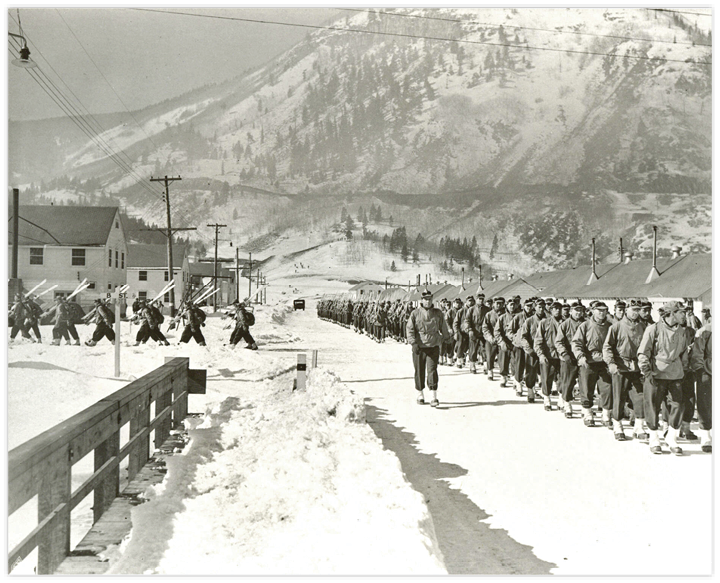
U.S. troops trained for World War II battle at the mountainous Camp Hale.
ILLINOIS
TRANSPORTATION AND A MOVEMENT
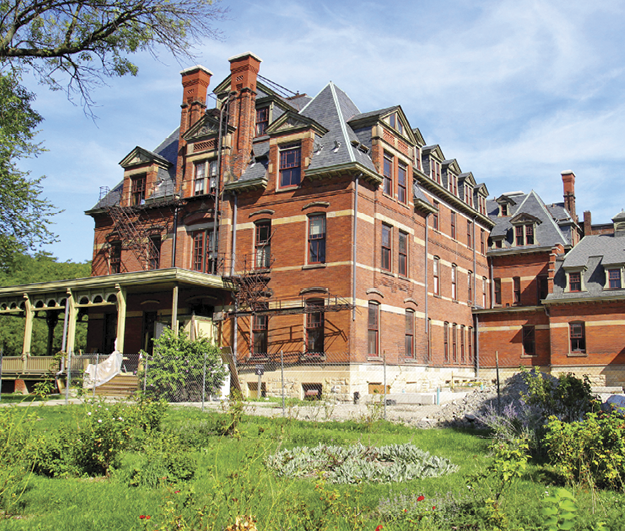
In the 19th century, Pullman sleeping cars turned trains into rolling hotels. And in 1894, a strike by porters—many formerly enslaved men or their sons—helped fuel a Black labor movement. Discover that history at the Pullman National Historical Park in Chicago.
NORTH DAKOTA
WHERE NATIVE TRIBES GATHERED TO TRADE
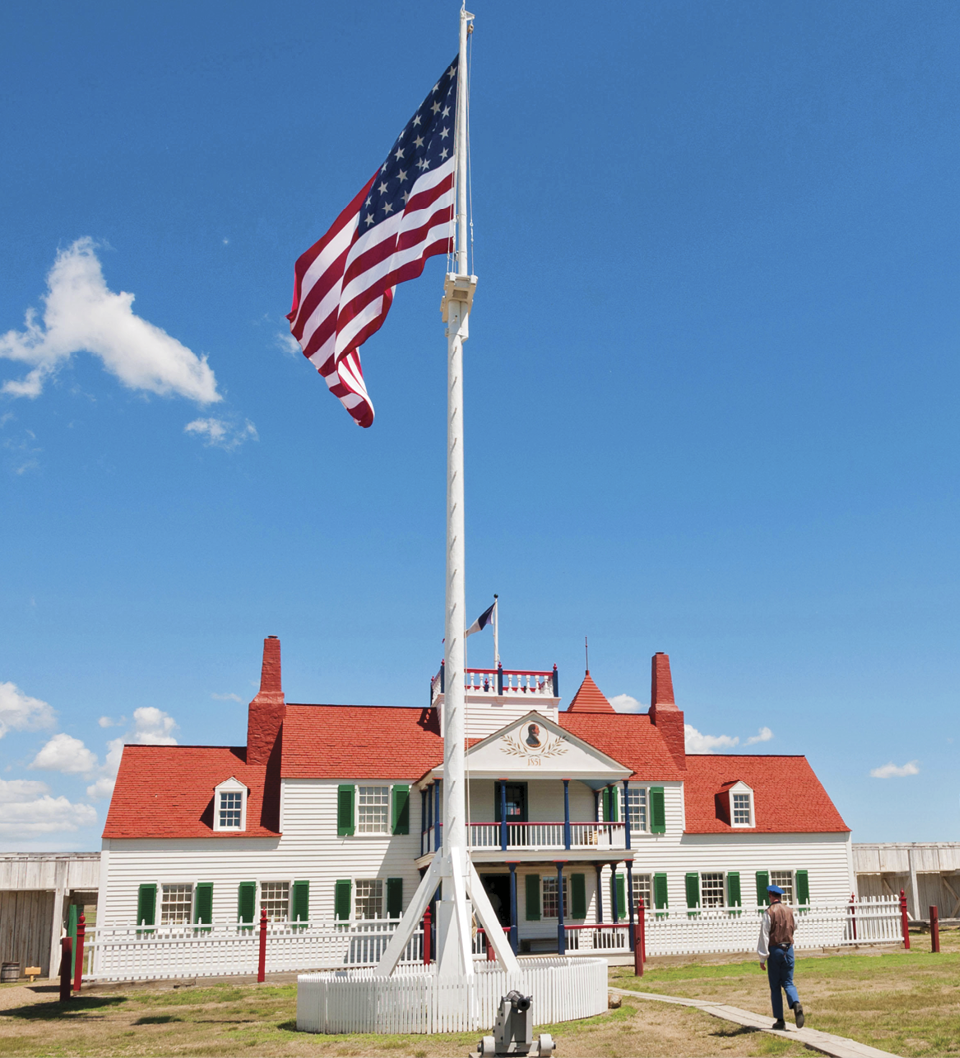
In the 1830s, members of the Assiniboine, Lakota, Blackfeet, Crow and other nations rode to a walled trading post on the Missouri River. Fort Union served as the headquarters of the American Fur Company. Inside its white palisade walls, buffalo robes were stacked high while beads, kettles, guns and cloth filled storerooms. Visitors to Fort Union Trading Post National Historical Site can explore reconstructed portions of the fort.
TEXAS
REMEMBERING WHEN THE STATE WAS A REPUBLIC
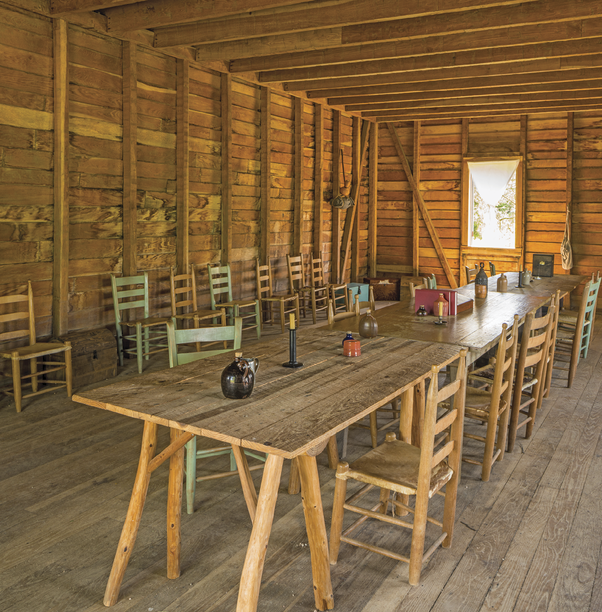
Along the Brazos River in Washington, Texas, delegates met in March 1836 to draft and sign the Texas Declaration of Independence, establishing a separate republic. The Washington-on-the-Brazos State Historic Site showcases a reconstructed 19th-century town, including replicas of a hall that once housed lawmakers and the log cabin that served as the office of Sam Houston, the republic’s first elected president.
MAINE
NATIVE CULTURE MUSEUM
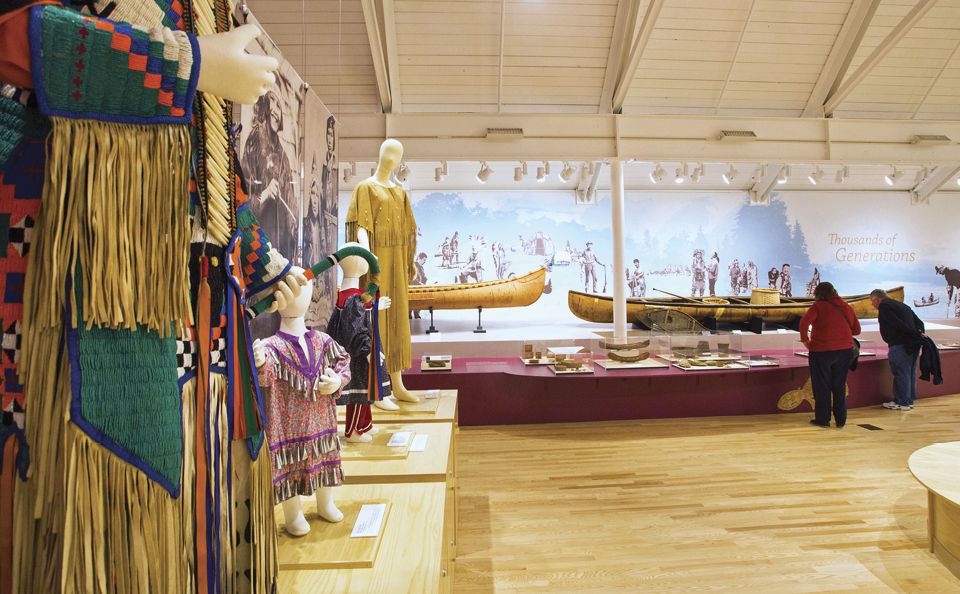
The Abbe Museum centers the history of the Wabanaki Nations, whose homelands extend across Maine and Atlantic Canada. Exhibits follow thousands of years of life on this land, from fishing technologies and ash basketry to treaty rights and contemporary art. The museum operates in two locations: in downtown Bar Harbor and at a seasonal site in Acadia National Park that connects culture to landscape.
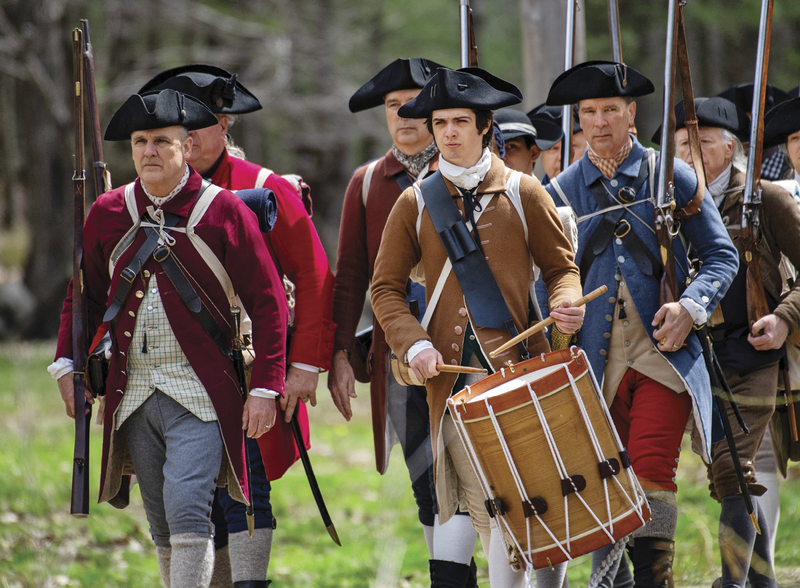
MASSACHUSETTS
A PATH TO REVOLUTIONARY VICTORY
The Minute Man National Historical Park preserves the landscape of April 19, 1775, when British troops marched from Boston to seize colonial weapons in Concord but met resistance. The first exchange occurred at Lexington Green. At North Bridge in Concord, a colonial militia advanced, fired and pushed the British into retreat. Fields, village greens and river crossings still trace that historic route. The 5-mile Battle Road Trail broadly follows the line of advance and retreat, past historic homes and stone walls colonists used as cover.
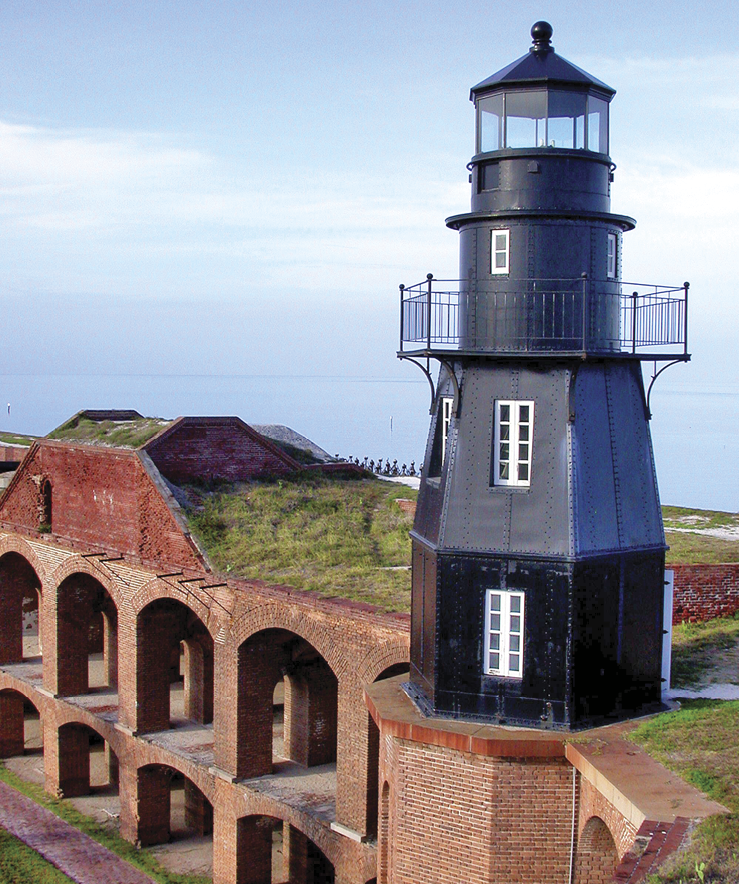
FLORIDA
A SECLUDED FORT IN A STRATEGIC SPOT
Seventy miles west of Key West, Fort Jefferson in Dry Tortugas National Park sits on a 14-acre island. Built in the 19th century to protect vital shipping lanes, the vast brick fortress is reachable only by ferry or seaplane. During the Civil War, it functioned as a military prison, holding Dr. Samuel Mudd after President Abraham Lincoln’s assassination. Today, visitors cross the central parade grounds and move through vaulted gun rooms and ramparts overlooking uninterrupted water.
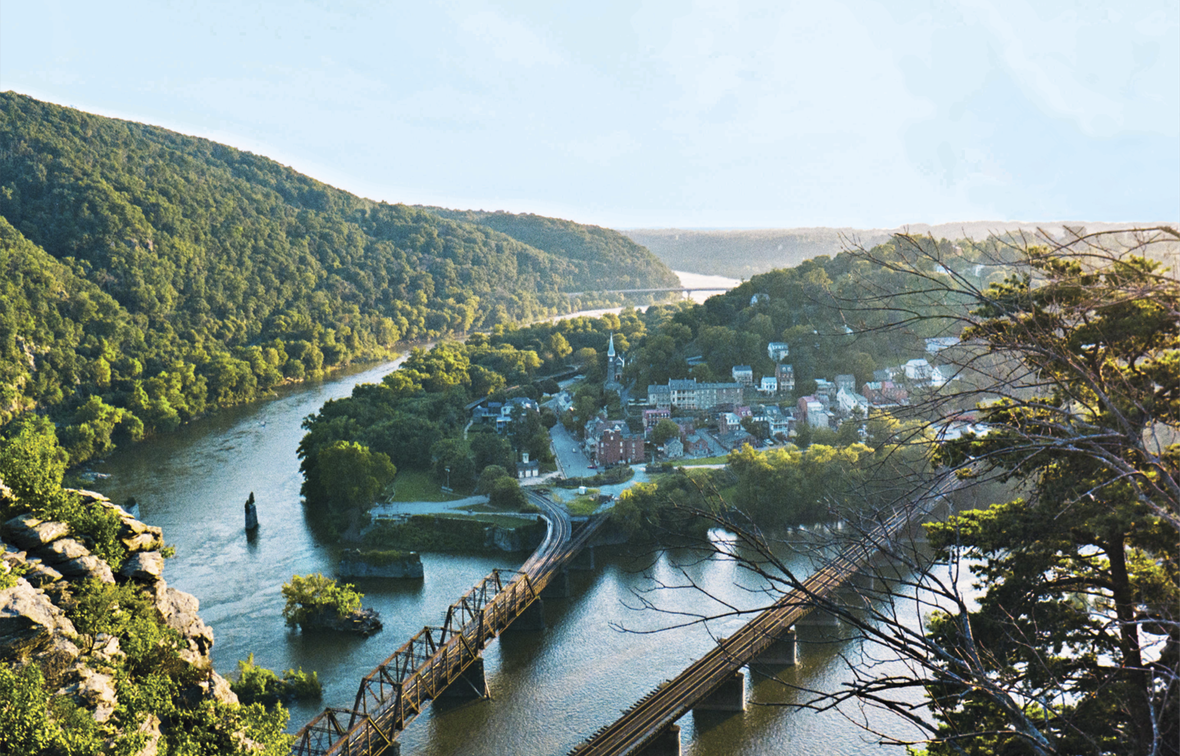
WEST VIRGINIA
A KEY SITE IN THE ABOLITION CAMPAIGN
In October 1859, abolitionist John Brown led 21 followers, Black and white, into Harpers Ferry, intending to seize the federal armory and spark an uprising among enslaved people. But U.S. forces captured Brown, and he was later executed. The news spread quickly by rail and telegraph, intensifying sectional divisions. Today, Lower Town’s preserved streets make up the Harpers Ferry National Historic Park.
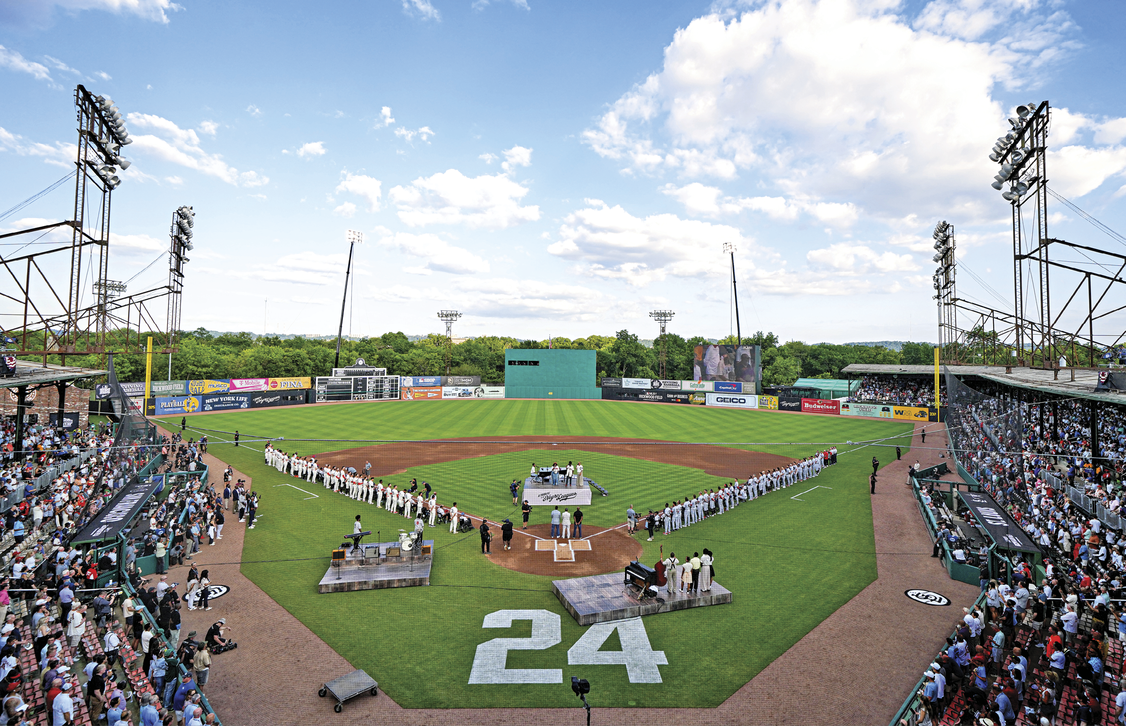
A special Major League Baseball game in 2024
ALABAMA
RECOGNIZING BASEBALL’S COMPLICATED HISTORY
Rickwood Field has stood in Birmingham since 1910, witnessing baseball’s brilliance as well as the realities of the Jim Crow era. It has hosted legends such as Babe Ruth, Ty Cobb, Satchel Paige and a teenage Willie Mays—all while Black fans sat in segregated sections. Integrated in 1964 and once considered for demolition, Rickwood survives as a rare stadium where America’s sporting triumphs and racial divisions played out in plain view.
HAWAI‘I
A LEGAL REFUGE, NOW A PLACE OF CONTINUED TRADITIONS
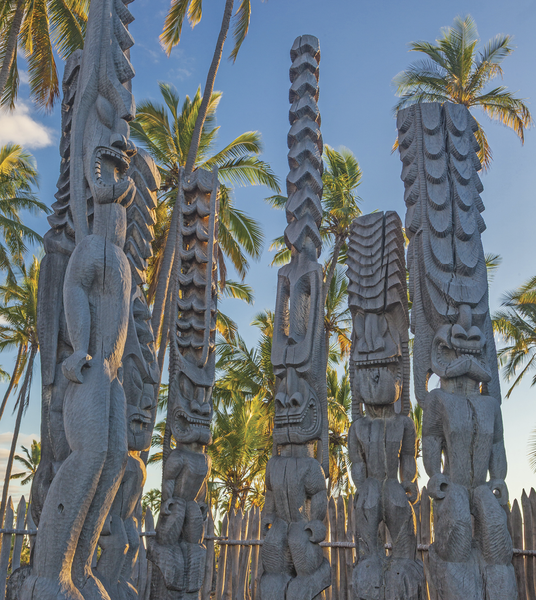
From the 1500s to the early 1800s, Pu‘uhonua o Hōnaunau was a place of refuge. Under traditional Hawaiian law, those who broke kapu, the sacred rules governing daily life, could escape death if they reached this sanctuary before capture. Visitors to this historical park on the Big Island can walk the perimeter as cultural practitioners demonstrate Hawaiian crafts, such as carving, kapa cloth making and fishing traditions.
MONTANA
WHERE CUSTER LAST STOOD
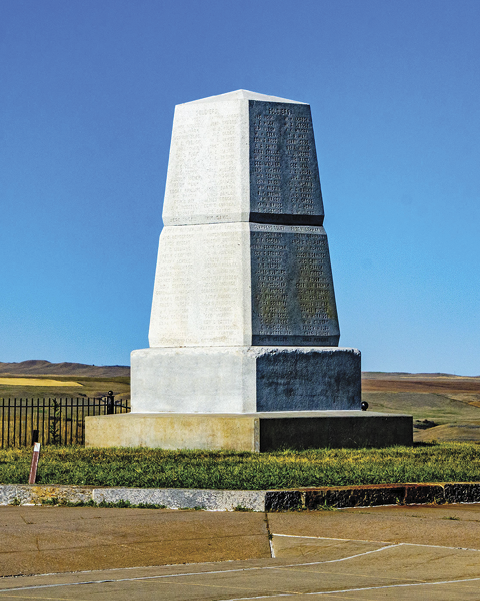
In June 1876, Lakota, Northern Cheyenne and Arapaho warriors defeated Lt. Col. George Armstrong Custer’s forces along the Little Bighorn River. The battlefield, now a national monument, spans open prairie in southeastern Montana. White marble headstones mark where 7th Cavalry soldiers fell; red granite markers honor Native American warriors.
WYOMING
A KEY STOP ALONG THE JOURNEY TO THE WEST
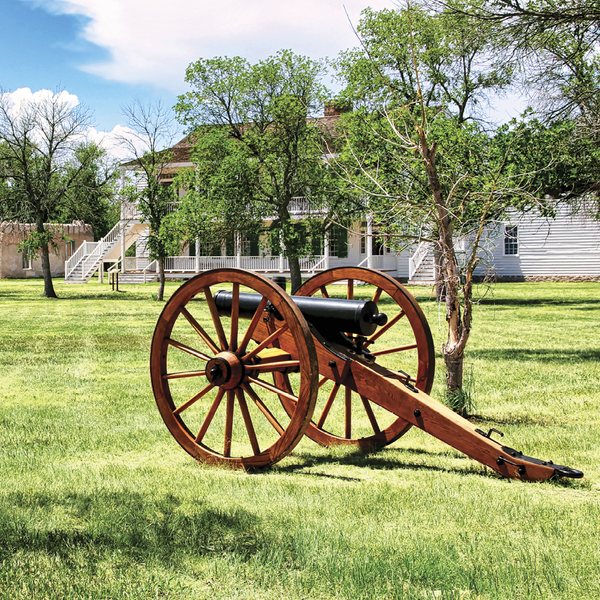
Established as a fur trading post in 1834 in southeastern Wyoming, Fort Laramie became a stop for westbound wagon trains to rest and resupply. In 1851 and 1868, Lakota, Cheyenne and Arapaho leaders negotiated major treaties nearby with the United States—agreements that recognized tribal territories and were later broken as settlement and gold rushes surged. Today, you can explore more than a dozen preserved buildings, with exhibits and films in the visitor center.
NEW YORK
HARRIET TUBMAN’S LEGACY
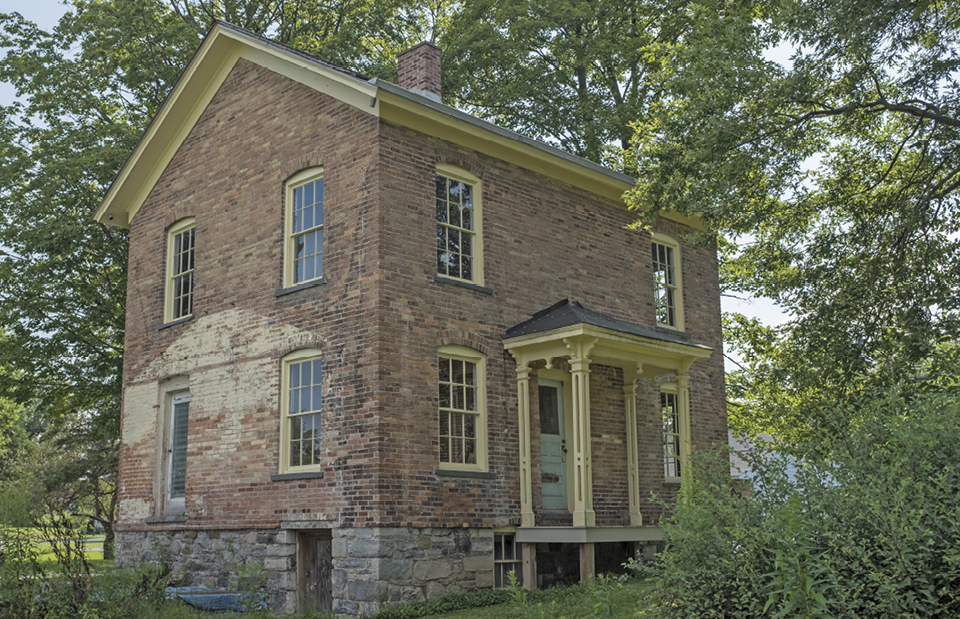
A modest brick house stands on a quiet street in Auburn, New York, where Harriet Tubman settled. After leading about 70 enslaved people to freedom and serving the Union as a nurse and spy, she founded the Harriet Tubman Home for the Aged, providing care for impoverished African Americans. The preserved residence, adjacent brick home and nearby AME Zion Church form a compact site reflecting post–Civil War independence.
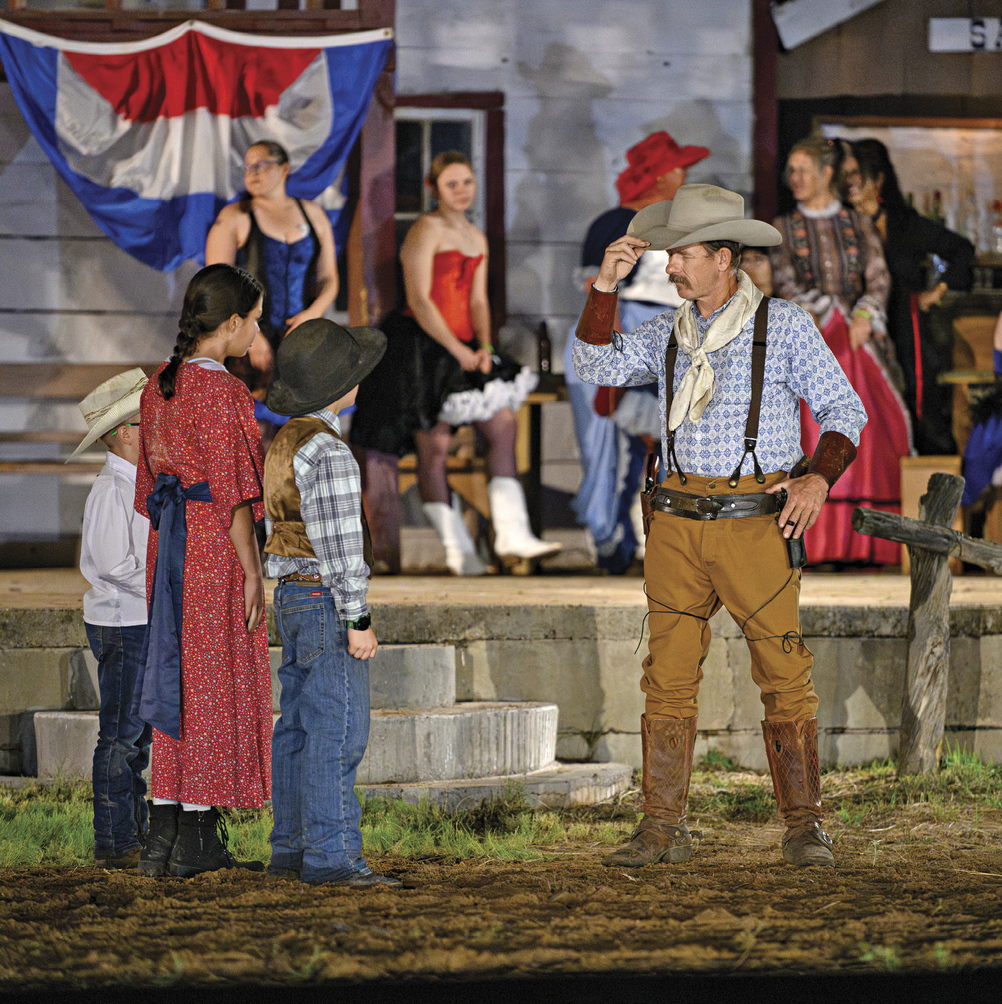
Old Lincoln Days event, featuring reenactors, in 2025
NEW MEXICO
A FAMOUS OUTLAW HELPED MAKE THIS TOWN INFAMOUS
In the hills of southern New Mexico, the tiny town of Lincoln became the center of the infamous Lincoln County War. From 1878 to 1881, rival merchant and ranching factions fought for control of the region’s cattle trade, drawing in figures such as Billy the Kid, Sheriff Pat Garrett and hired gunfighters. Lincoln’s main street survives as part of the Lincoln Historic Site, with adobe storefronts, a mission church, and the courthouse where the Kid—condemned to hang for killing Sheriff William Brady—shot two deputies and escaped on horseback in 1881. The daring jailbreak helped cement his legend as the West’s most famous outlaw.
KENTUCKY
LEARN ABOUT LINCOLN’S CHILDHOOD
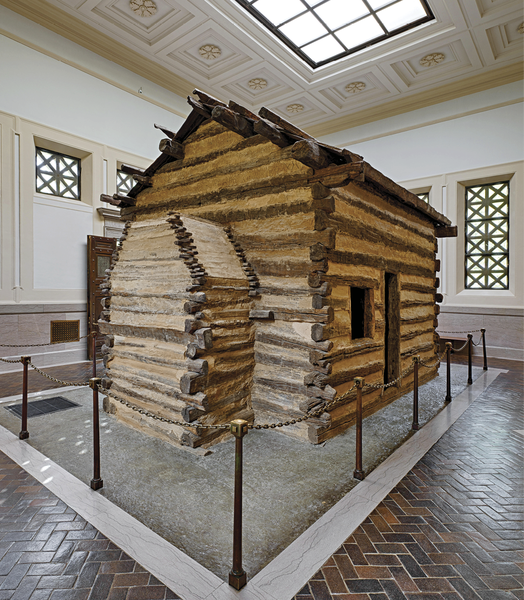
Fifty-six steps, one for each year of the president’s life, lead to the hilltop memorial at the Abraham Lincoln Birthplace National Historical Park. Nearby, the Boyhood Home at Knob Creek preserves the wooded acreage, farmland and creek of his childhood. Also in Hodgenville, the Lincoln Museum traces the family connections and ties Lincoln maintained with the state throughout his life. These sites give meaningful perspectives into what shaped the man.
WASHINGTON
WHERE A DEAD PIG NEARLY STARTED A WAR
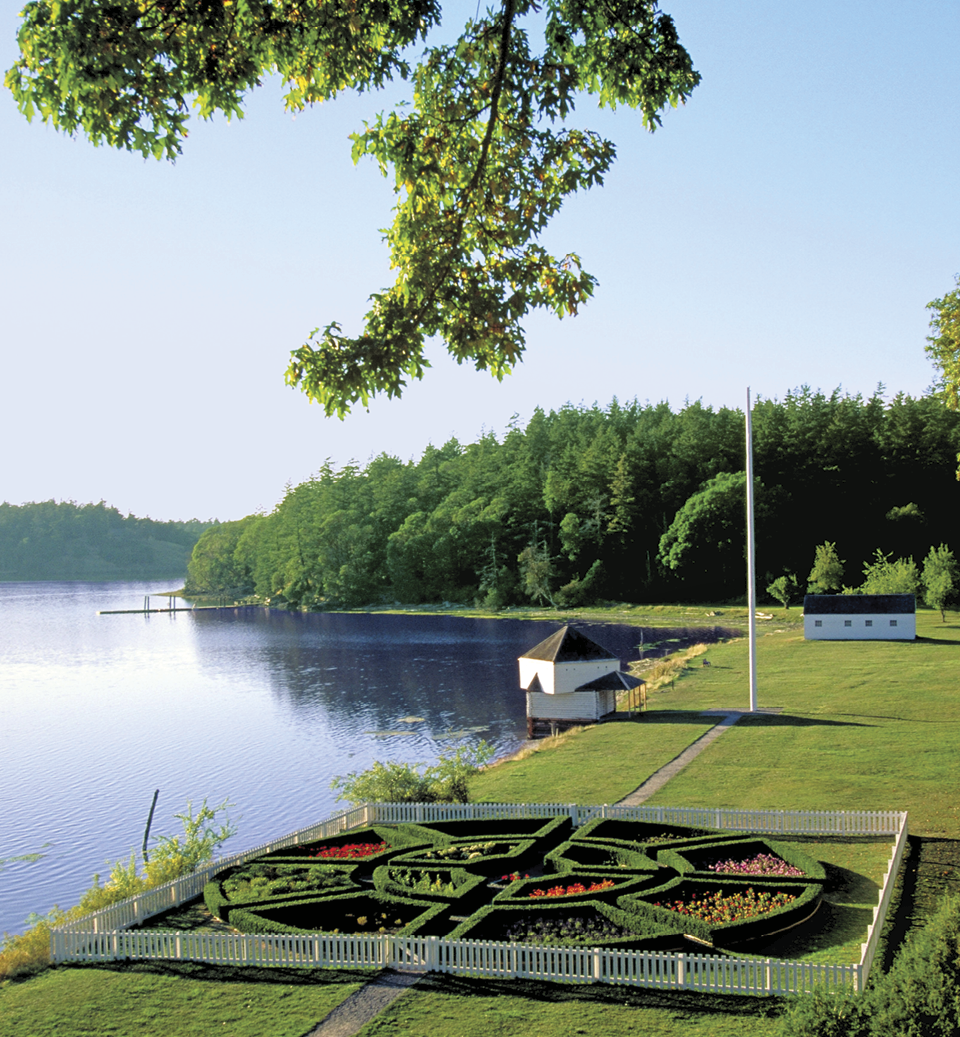
In 1859, on San Juan Island in Washington’s Salish Sea, an American farmer shot a British-owned hog, igniting a standoff between U.S. and British troops over an ambiguously drawn border. For 12 years, rival military camps occupied opposite ends of the island. The dispute was ultimately resolved without bloodshed. Today, preserved and reconstructed bluff-top camps at a historical park overlook Haro Strait.
OHIO
THE WRIGHT BROTHERS AND THE AGE OF AVIATION
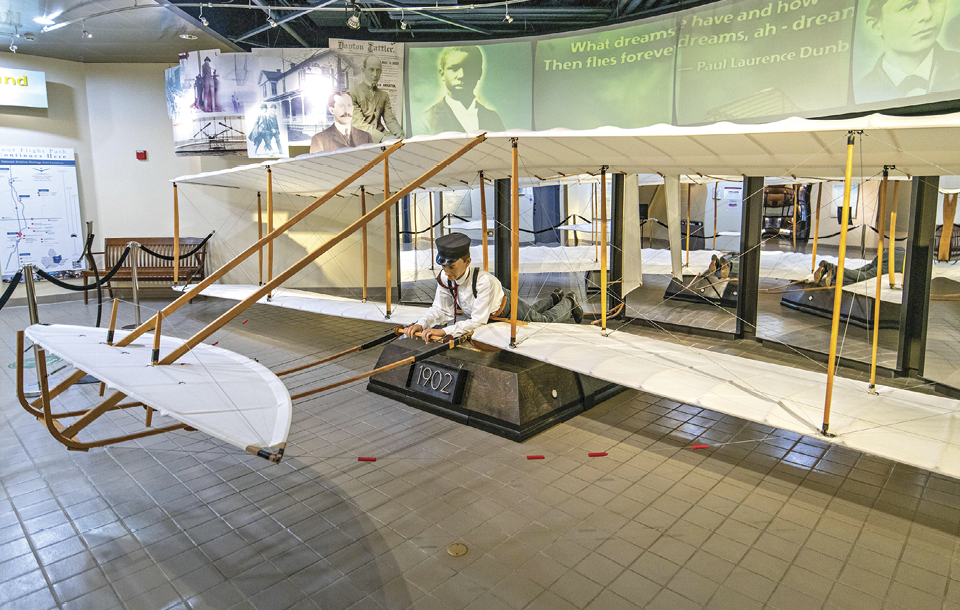
Working from their print shop in Dayton at the dawn of the 20th century, Wilbur and Orville Wright designed the aircraft that launched aviation. After their famous flight in Kitty Hawk, North Carolina, the Wrights returned to Ohio and spent two years testing and refining. Then, they flew the first practical airplane at nearby Huffman Prairie in 1905. Today, the Dayton Aviation Heritage National Historical Park includes a replica of the workshop.
More America 250
Go to aarp.org/america250 to read about more historic sites across the United States; we have sites in all 50 states and some territories. Plus: