Feature STORY
America Turns 250!
Celebrating the people, places and things we love about this nation
AMAZING ARTIFACTS
True Tales of U.S. History
The stories behind 7 enshrined museum pieces
Museums are hallowed places where we house items so that future generations will learn about how we lived. And it’s those lives, the connections to real humans, that make these pieces important. We tracked down some people to tell the stories behind some of the personal effects at prominent American museums. As told to Michael Grant
MEDAL OF HONOR
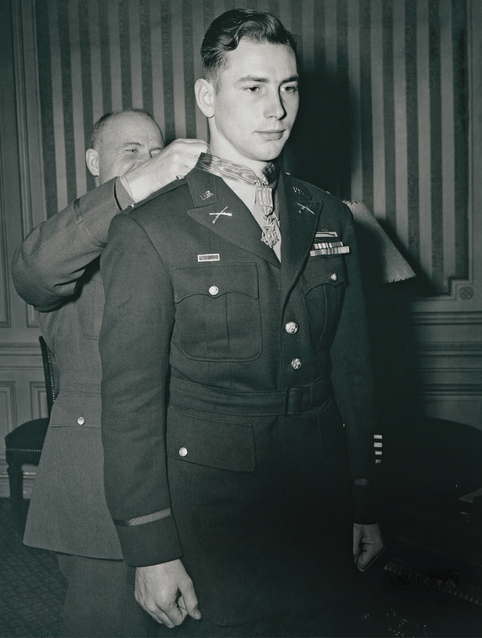
Lt. Gen. John C.H. Lee presents Ehlers with the Medal of Honor on December 19, 1944.
Staff Sgt. Walter David Ehlers, a Kansas native, served throughout World War II, including on D-Day. On June 9 and 10, 1944, he performed acts of heroism near Goville, France, that earned him a Medal of Honor. “[T]hough wounded himself,” the citation reads, “he carried his wounded automatic rifleman to safety and then returned fearlessly over the shell-swept field to retrieve the automatic rifle which he was unable to carry previously.” Ehlers’ Medal of Honor is at the National WWII Museum in New Orleans.
Ehlers died in 2014. His daughter Cathy Ehlers Metcalf, 69, of Orange, California, regularly visits the museum.
★ Seeing the medal at the museum touches my heart. During his Medal of Honor action, he was shot in the side, and the bullet ricocheted off a rib, went out through his pack and shot a hole in the side of his mother’s picture. That picture is in the museum with the Medal of Honor.
On the 50th anniversary of D-Day, he delivered the keynote address on Omaha Beach. He mentioned that they didn’t just fight for the cause or for the people, they fought for the life they left behind and the life they hoped to return to. I feel that the museum gives me a sense of recognition for what Dad and his family did to secure the freedom we still relish in this country.
Dad said Medal of Honor actions happen in context. Part of the reason he was so determined to keep his story in context was that it was also his older brother’s story. Dad was able, with the help of a beachmaster, to get his whole platoon safely off the beach on D-Day. By contrast, Roland’s landing craft was hit by a mortar, and he and other men were killed. My dad always felt that his brother was truly a hero who made the full measure of sacrifice.
SUPER BOWL XIV GAME BALL
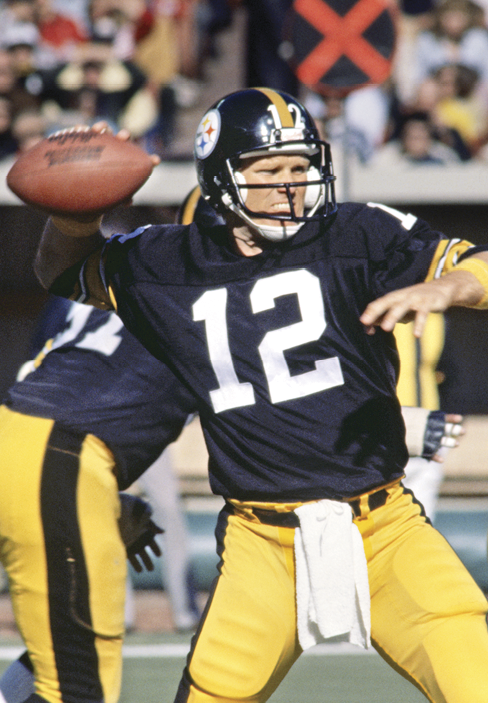
Steelers quarterback Bradshaw
On January 20, 1980, the Pittsburgh Steelers won their fourth Super Bowl, becoming the first NFL team to achieve that milestone, at a time when football was cementing its position as America’s favorite sport. A ball from that game is now part of the collection of the Smithsonian’s National Museum of American History, although it is not currently displayed. Hall of Fame quarterback Terry Bradshaw, 77, who played for 14 seasons with the Steelers and is now a broadcaster for Fox NFL Sunday, was unaware of the ball’s enshrinement.
★ That football represents the closing of a decade when a group of men stayed together for about 10 years and won four Super Bowls. That was our last Super Bowl together. That is the culmination of all that, so it is extremely rewarding. But I say we did this, not I did this. I’m just one of 53 players who were part of the ball being in there, so that’s what I’m proud of.
Winning four Super Bowls was special. Now, looking back, here comes Joe Montana, and he wins four. Then here comes Tom Brady, and he wins seven—but he lost three. Seven minus three is four. That’s the way I like to look at it. I’m not going to give anybody the upper hand.
EVEL KNIEVEL’S MOTORCYCLE
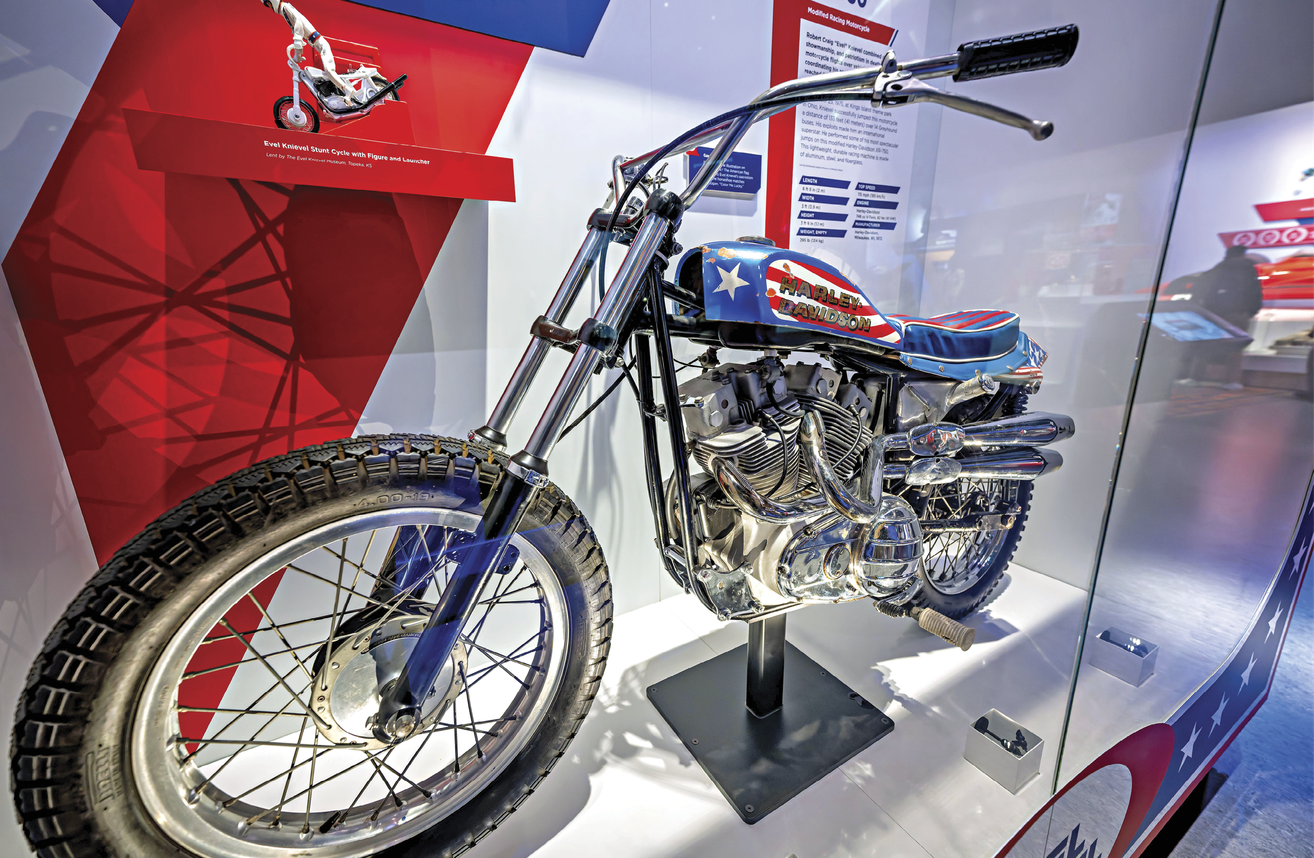
Knievel’s motorcycle on display and, above, in action on a jump over 14 buses in 1975
Evel Knievel was America’s first superstar daredevil, known for his death-defying motorcycle stunts. His customized 1972 Harley-Davidson XR-750, in the collection of the Smithsonian’s National Museum of American History, was used in some of his most famous jumps, including a successful flight over 14 buses that was nationally televised on ABC’s Wide World of Sports on October 25, 1975.
His oldest son, Kelly, 65, witnessed many of his father’s risky stunts.

★ I’ve always been proud of my dad. He wasn’t the easiest man to grow up with, but you don’t become a world-famous daredevil by being a shrinking violet. My dad’s accomplishments are a reflection of the freedom and spirit of America. If you follow his career, even after he crashes, he gets up and jumps even farther the next time. That’s what made him so popular—his courage, his confidence in himself, his originality, his showmanship. No one had ever seen anyone like Evel Knievel before.
At the time, in the early ’70s, I think motorcycles were more associated with outlaws and gangs like the Hells Angels. Today, motorcycle culture is more of an expression of freedom and individualism. I think my dad was the turning point between the bad guys and the good guys, with that red, white and blue outfit he wore. The fact that he had the highest-rated Wide World of Sports show in history is just a testament to how he had the whole country sitting on the edge of their seats, waiting to see what he would do next.
Look at all the people he has inspired—freestyle motocross riders, racers and extreme-sports enthusiasts. He created a new industry, and it’s still going today. Not a single person in these sports doesn’t credit Evel Knievel for it, and he definitely deserves it.
SHAWNEE DUSH-TOH HAIR ORNAMENT
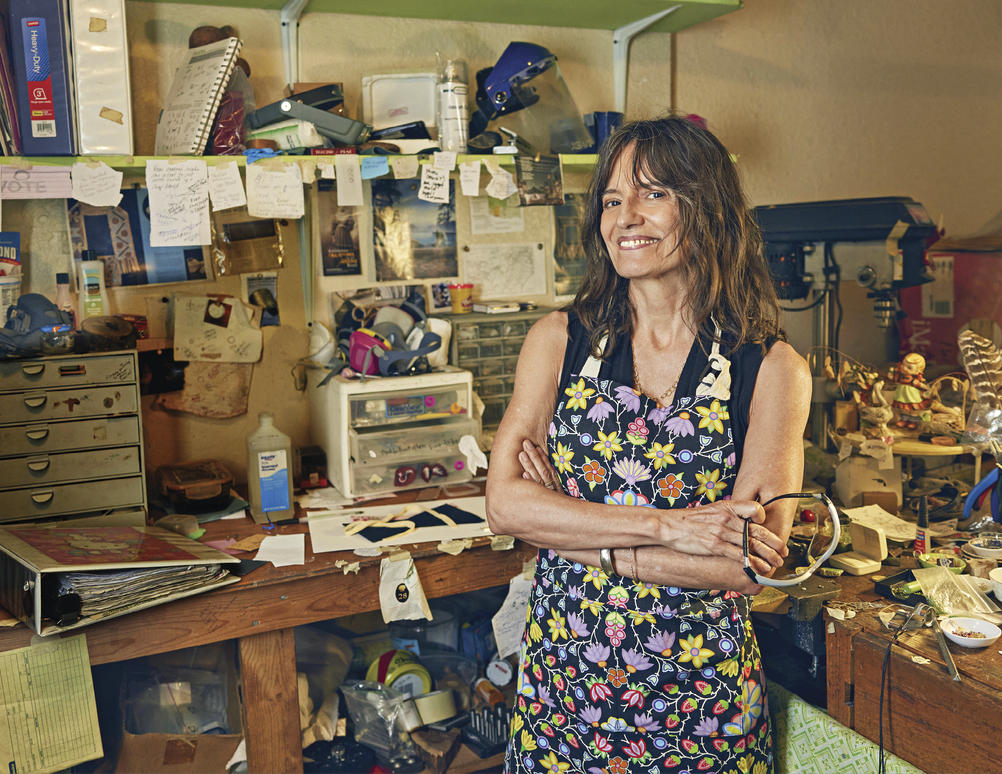
BigKnife in her studio in Oklahoma
As the First Americans Museum in Oklahoma City prepared to return some items on loan from the Smithsonian’s National Museum of the American Indian, it asked artist Heidi BigKnife to create a contemporary piece to replace the dush-toh, a type of hair ornament worn by the Shawnee. The original was created sometime between 1870 and 1900. BigKnife’s version is made of maple wood, cotton calico, glass seed beads, silk ribbon, wool broadcloth, sterling silver, brain-tanned hide and embroidery floss.
★ The dush-toh is worn during ceremonial dancing. The hourglass shape, to me, represents the Earth and the universe. When we’re dancing, we are in a relationship with those two things.
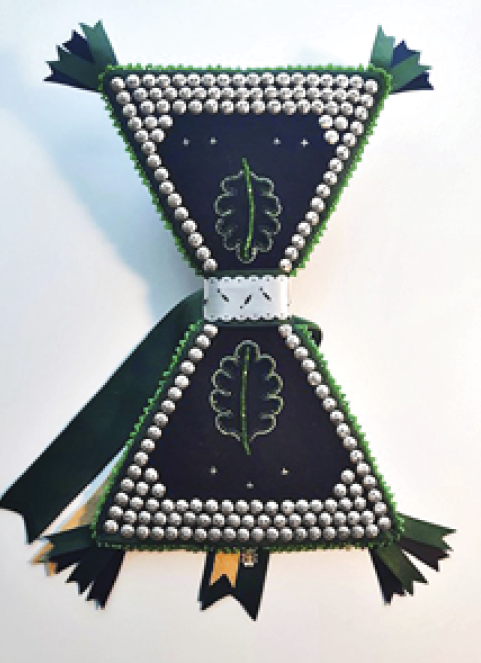
When I made this piece, I thought about different designs, but I landed on illustrating things that relate to my ceremonial ground. It’s got oak leaves on it because our ceremonial ground is called White Oak. It has a tiny pendant hanging from it, a little dogwood flower, which is significant to my grounds. I don’t know the person who made the original piece, but making this made me feel more connected to my ancestors and my heritage.
The Smithsonian’s object was collected about 1910, and then to see that they’re still being made—that’s important. People who roll in off Route 66 see that Native people are still living, the cultures are still alive and languages are still being spoken. Maybe they will be able to see that some of these objects are spiritually significant, just as one might find significance viewing objects in other religious contexts.
The dush-toh represents Shawnee culture. The Shawnee have been building community on this continent since time immemorial, and our history, culture and people embody the lived experience of what is now called America.
U.S. AIR FORCE FLIGHT HELMET
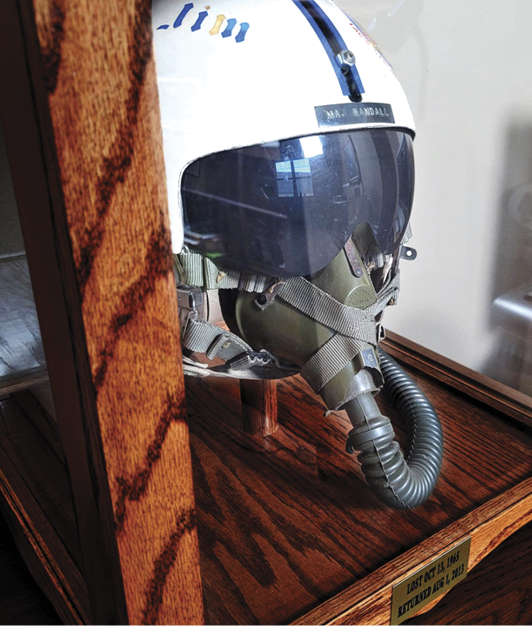
Randall’s flight helmet
U.S. Air Force Col. James E. Randall lost his helmet on October 13, 1965, when his F-105 Thunderchief was shot down near Dien Bien Phu, Vietnam. It was later found in a Vietnamese flea market and returned to him. In recent years, Wish of a Lifetime from AARP, an organization that works to fulfill the dreams of older Americans, helped get the helmet accepted into the collection of the Smithsonian’s National Museum of African American History and Culture, along with Randall’s Purple Heart and other items.
Randall, a member of the legendary Tuskegee Airmen who had a 36-year military career that included combat missions in two wars, died in 2019. His widow, Essie, passed this year. His daughter Roberta Rollins shares his story.
★ In August 2013, they presented my dad with his helmet at the Tuskegee Airmen Convention in St. Louis. He brought it home and had a cabinet built. Before my father passed away, he said he wanted the helmet to go to the African American museum. It was important to him because there isn’t much memorabilia left of the Tuskegee Airmen.
My dad fought for his country during a time when African Americans couldn’t even vote. He faced racism, but he persevered. I have never been prouder of my dad than I am now.
AARP affiliate Wish of a Lifetime helps older people live their once-in-a-lifetime dreams. Go to wishofalifetime.org to learn more about the program and read other stories of wishes fulfilled.
FONZIE’S LEATHER JACKET
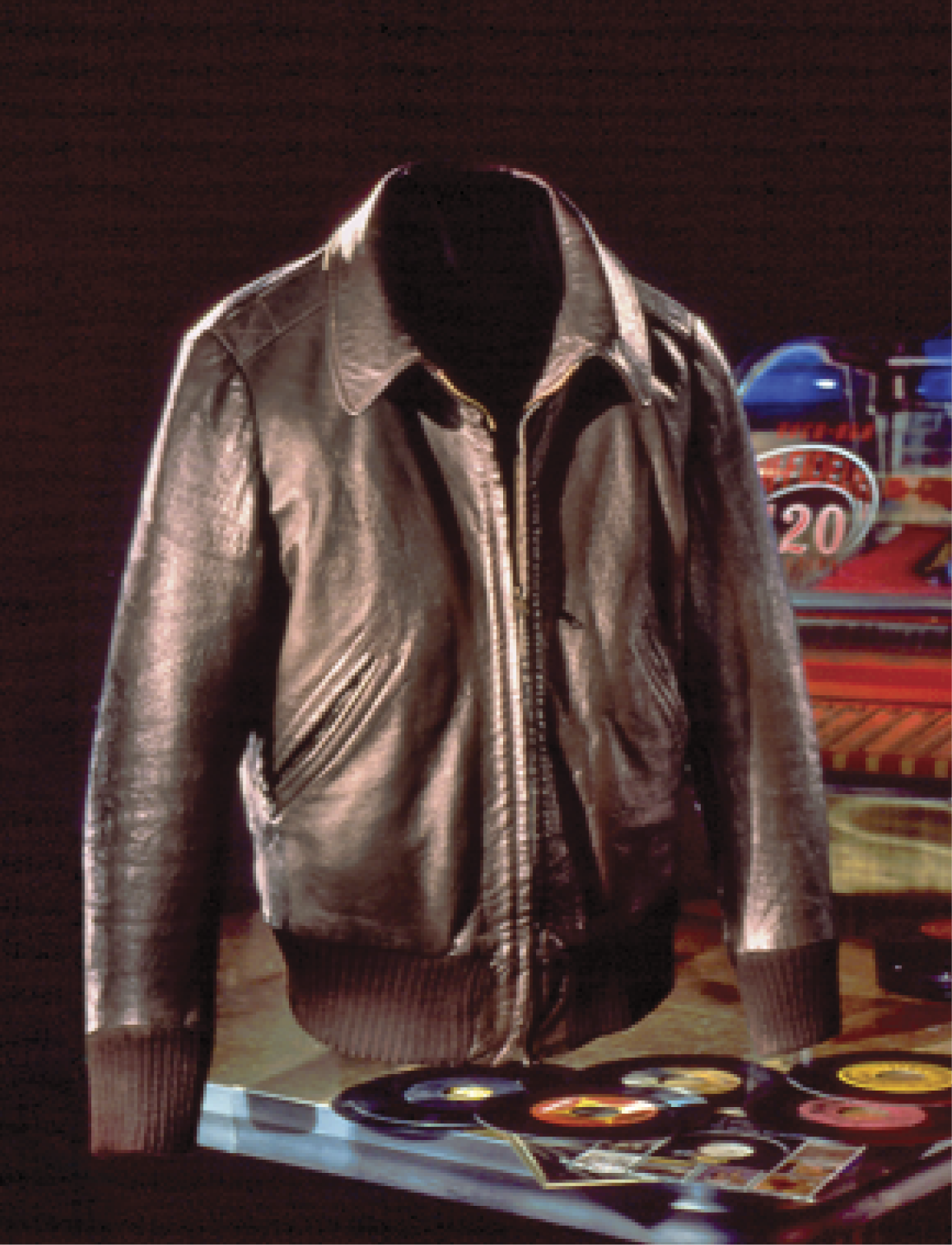
Few articles of clothing embody cool quite like the Fonz’s leather jacket from the ABC sitcom Happy Days. Portrayed by Henry Winkler, now 80, during the show’s 11-season run in the 1970s and ’80s, Arthur Fonzarelli was TV’s most popular character on one of the era’s most popular shows. One of the jackets used on the show is part of the collection at the Smithsonian’s National Museum of American History.
★ I got a call from Gary Nardino, the president of Paramount Television. He said, “The Smithsonian would like to have your jacket.” When you’re first asked, it is an honor, but the breadth and the depth are not fully comprehended. As you go through life, it becomes this gigantic compliment.
The original was a beat-up bomber jacket that was stolen from the costumes department at Paramount after the show’s first year. Then they made five and stored them in a vault. Two of those jackets are still in my closet.
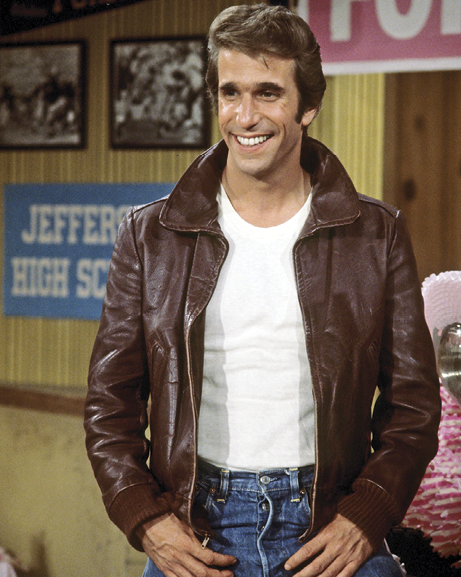
I think the jacket represents external toughness. The jacket is instantaneously recognizable as Oh, I would give that human being space. I would arrive on set at 12 on Friday and have my hair combed into a ducktail. I got ready for dress rehearsal with the T-shirt and the boots. When I put on the jacket, the character was complete.
I never wore the leather jacket as myself. I couldn’t live up to the character; he was bigger than life. One time, I went to see the jacket at the Smithsonian. I didn’t have a camera, so I waited by the case. A family came by. I said, “I know this is crazy, but I’m going to ask you to take a picture of me with the jacket. I’m going to give you my address, and you’re going to send it to me.” They knew who I was, but they looked at me like I was crazy.
I hope that when people see the jacket, they think that even though the Fonz was supposed to be tough, his humanity always shines through. As the character, I never hit anyone. I never used a weapon. It’s the strength of a human being that convinces both the good and the bad to do the right thing.
NASA VIKING ’75 POSTER
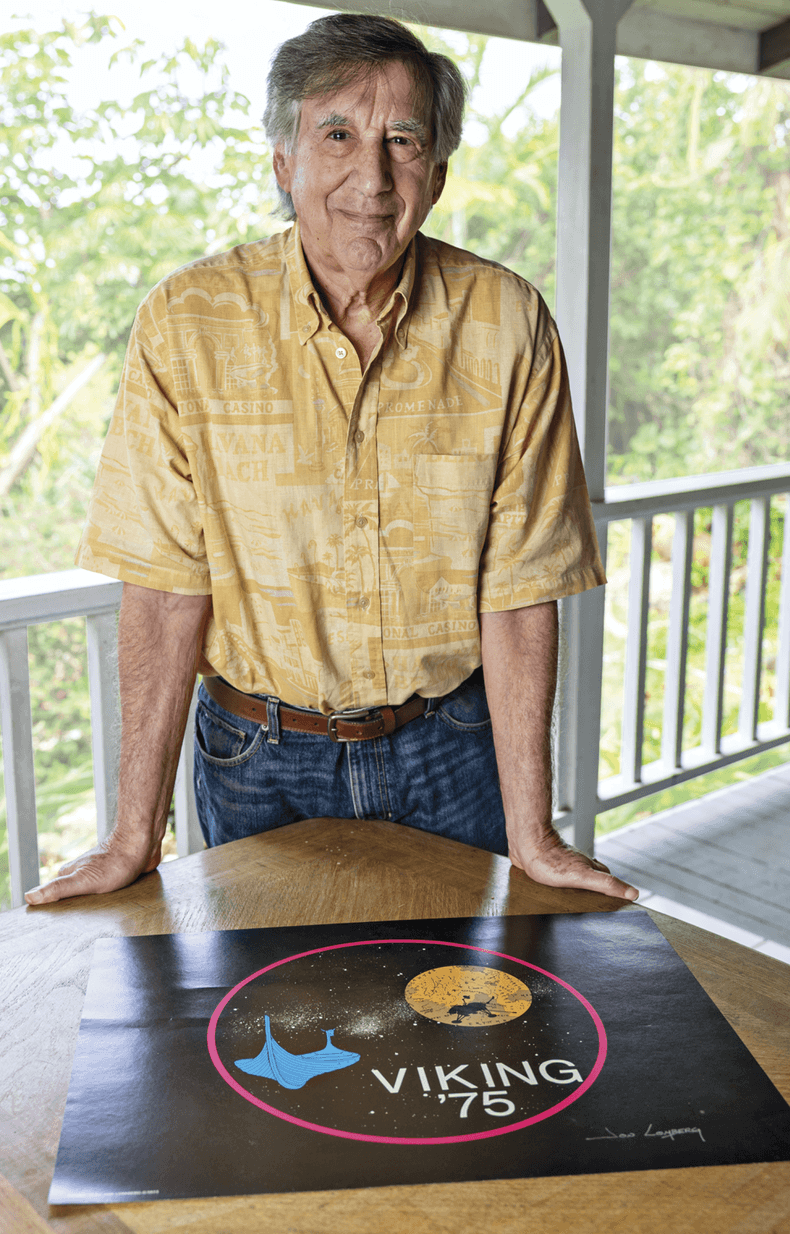
Lomberg and his Viking ’75 illustration at his home in Hawaii
Artist Jon Lomberg, 77, designed this poster for NASA’s 1975 Viking Project, the first U.S. mission to land a spacecraft on the surface of Mars. These posters were often handed out to media, and one is now part of the collection at the Smithsonian’s National Air and Space Museum.
As a frequent collaborator with Carl Sagan, Lomberg produced images that helped us visualize what the universe looked like. He won an Emmy Award for his artistic work on the PBS show Cosmos, served as a consultant on the movie Contact, and created the illustrations for Sagan’s books.
★ Space has always been my thing. As a child, the question was always: Why isn’t everybody interested? Some people are born to play soccer or play the cello. I think I was born with a love of space.
Sagan and I began working together when he wrote his first solo book, The Cosmic Connection, in 1973. He was also one of the scientists on the Viking mission. One day, he told me, “You know, Jon, the mission doesn’t have a really good patch. It doesn’t have an insignia. If we leave it to NASA, I don’t know what they’ll do, so why don’t you try to do something?”
I came up with the design, which took a Viking ship and placed it in space, approaching Mars. On Mars, there’s an image of the Viking lander itself. It never became the official Viking mission patch, but this design was used for the launch of the Viking mission in 1975 from Cape Canaveral. I think NASA just wanted to have some nice handouts for the launch. I was just starting my career. I was still in my 20s. It made me feel, in a very small way, part of the mission.
I don’t know how widely it’s seen in the Air and Space Museum, but for me, it’s a bit of history. Viking is one of NASA’s great achievements, but it’s been overshadowed now because we have rovers on Mars. But at the time, the first U.S. landing on Mars was a big deal. My tiny contribution has somehow been preserved.
Michael Grant is a regular contributor to AARP THE MAGAZINE who has also written for the Louisville Courier-Journal and other outlets.
ACHIEVEMENTS AFTER 50
14 Older Americans Who Made an Impact
(like AARP founder Dr. Ethel Percy Andrus)
By Katya Cengel
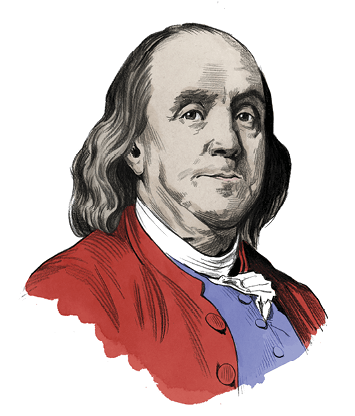
Benjamin Franklin (1706–1790)
The oldest founding father, he was key to the United States’ victory over Britain. Starting in 1776, at age 70, he used his diplomatic skills to forge a critical military alliance with France.
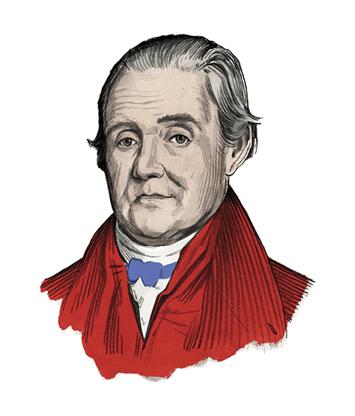
Noah Webster (1758–1843)
A teacher, clerk, newspaper editor and lawyer, he wrote a comprehensive American dictionary, which he published at age 70. It promoted uniformity in how Americans spoke and spelled.
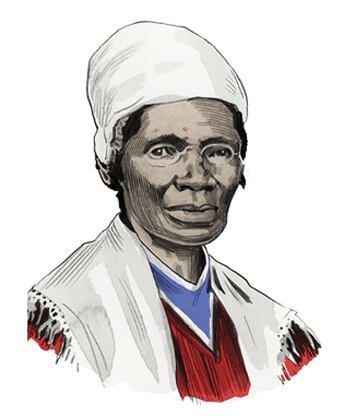
Sojourner Truth (1797–1883)
A former enslaved person, she became a leading voice for human rights in her mid-50s after delivering an important speech at the 1851 Women’s Rights Convention in Ohio.
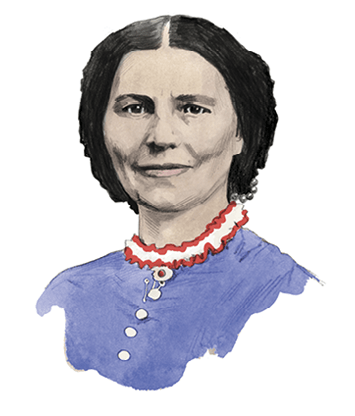
Clara Barton (1821–1912)
In 1881, at age 59, she established the American Association of the Red Cross, one of the country’s most prominent humanitarian organizations and a supplier of blood.
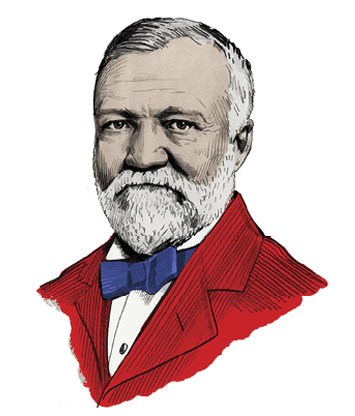
Andrew Carnegie (1835–1919)
He used his fortune to create libraries, universities and foundations. In his 70s, he established the Carnegie Corporation of New York, which supported the discovery of insulin.
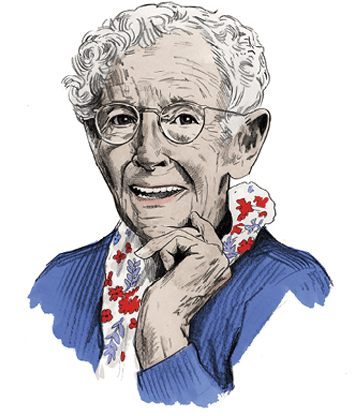
Grandma Moses (1860–1961)
Artist Anna Mary Robertson Moses held her first solo show in 1940, at 80. She was 88 when President Harry S. Truman presented her with an award for her work.
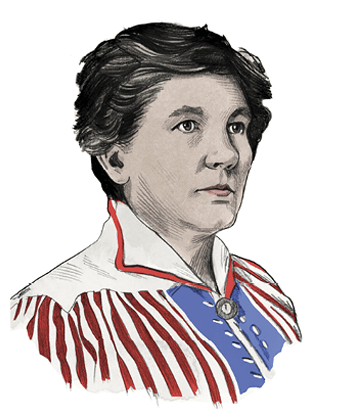
Laura Ingalls Wilder (1867–1957)
The author wasn’t published until age 65, with her first Little House novel in 1932. The series went on to sell more than 73 million copies and spawn a hit TV show.
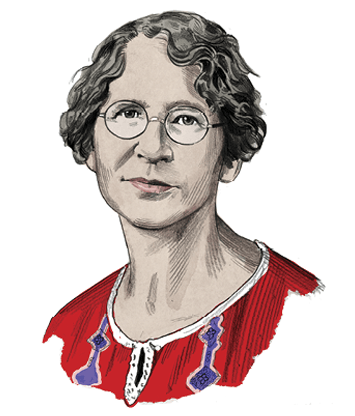
Ynés Mexía (1870–1938)
Mexía’s important work as a botanist began at age 55. In her 13-year career she collected more than 150,000 plant specimens, 500 of which were newly discovered species.
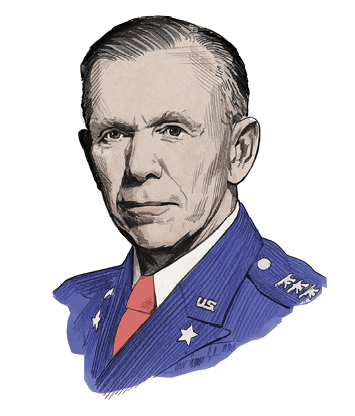
Gen. George C. Marshall (1880–1959)
At 58, he became U.S. Army chief of staff. Marshall was the Allies’ “organizer of victory” in World War II, then developed the postwar European Recovery Program.
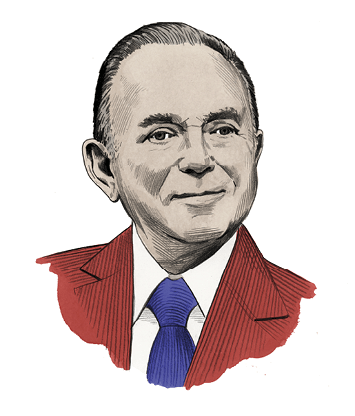
Ray Kroc (1902–1984)
As fast food’s founding father, Kroc began franchising McDonald’s at age 52, launching an empire that has grown to more than 45,000 restaurants in over 100 nations.
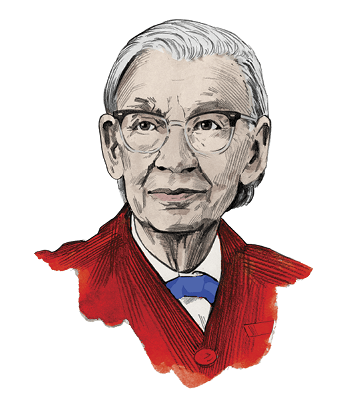
Grace Hopper (1906–1992)
Beginning in 1959, at age 52, she helped develop the computer programming language COBOL. The code still supports an estimated $3 trillion in financial transactions a day.
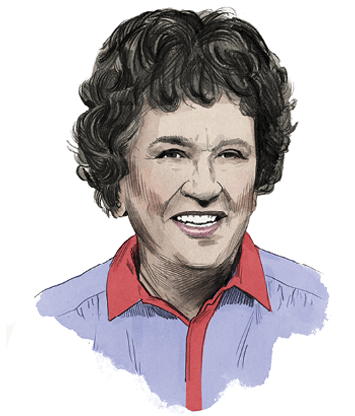
Julia Child (1912–2004)
In 1963, at age 50, she launched the cooking series The French Chef on public television, helping everyday Americans elevate their culinary skills by breaking complex methods into simple steps. Child added beef bourguignon and ratatouille to palates accustomed to meat loaf.
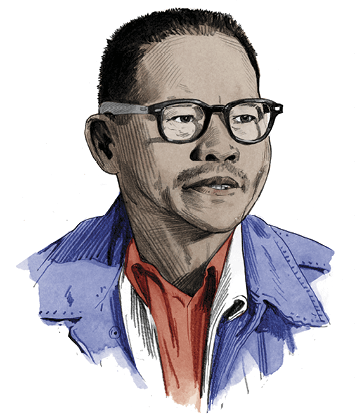
Larry Itliong (1913–1977)
In 1965, when Itliong was in his early 50s, he launched the Delano grape strike in California, a five-year action that resulted in increased pay and improved conditions for farmworkers. The strike also led to the formation of the United Farm Workers union.

John B. Goodenough (1922–2023)
This American inventor was the oldest person to win a Nobel Prize, at 97. The prize in chemistry came for Goodenough’s breakthrough work, in his late 50s, developing lithium-ion batteries, which power laptop computers, mobile phones and electric vehicles.
The Spirit of 1976
Remembering the celebration that was the bicentennial
As told to Claire Leibowitz
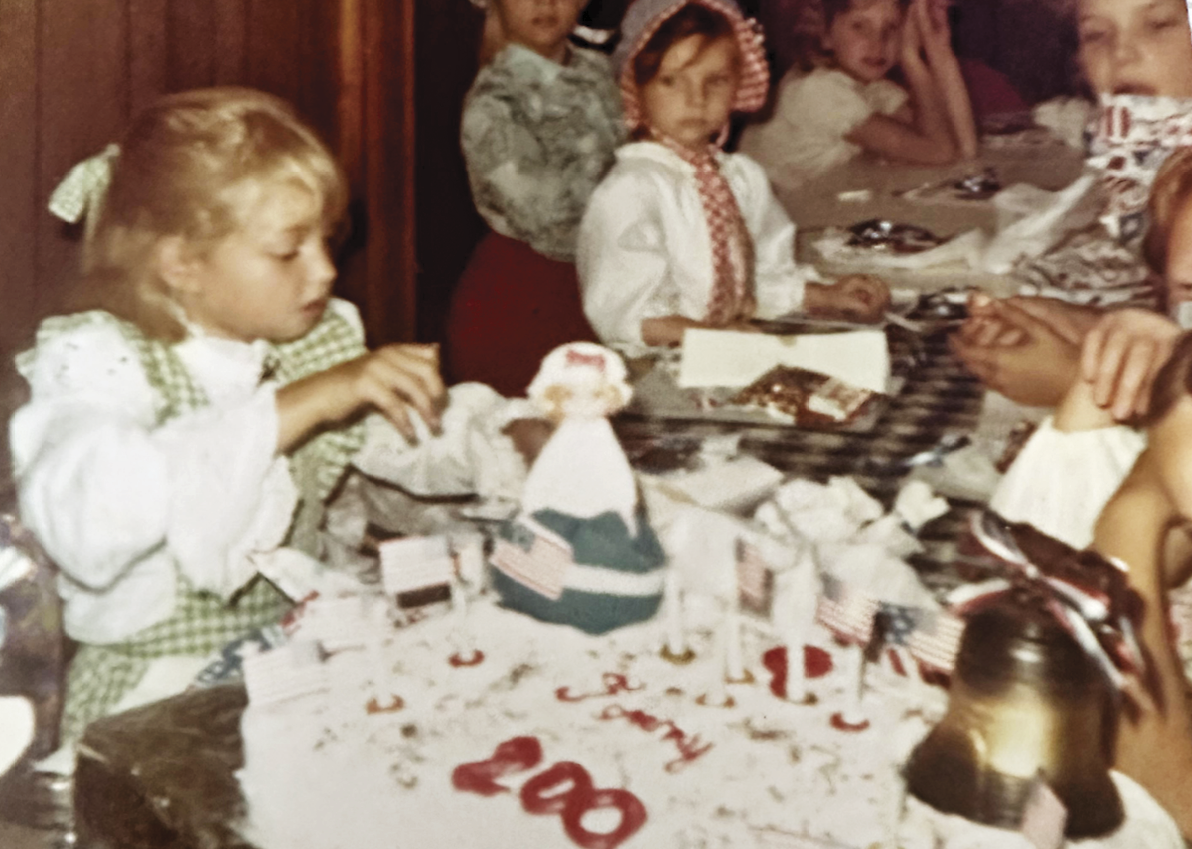
Guests at Carlson’s party
Growing Up With the Country
I turned 9 in 1976. I had a Betsy Ross–themed birthday party. My mom put together everything, including an adorable cake topper—a Betsy Ross pin cushion, which I have handed down to my daughter. The girls showed up in handmade dresses, my mom hand-made puzzles and we did an exercise where we sewed the flag. Being spirited in ’76 meant believing in tradition while looking forward. —Jennifer Carlson, 58, Columbus, Ohio
Tall Ships in the Big Apple
I was 11 years old, standing along the East River in New York City. On that day, I was awestruck watching so many ships in the water. The buzz was so exciting, the boats were beautiful and the fireworks were next level. New York is always busy, but I recall feeling small in the middle of something enormous. —Ingrid Collins, 61, Winter Garden, Florida
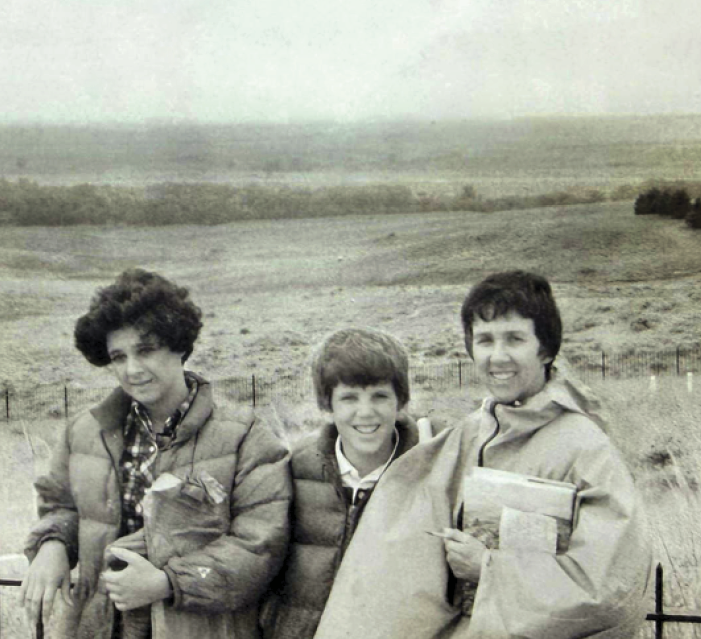
Summers with his sister and mother in Montana
Music and History
My mom loved the armed services bands. During the bicentennial, the Marine Band and the combined armed services band were playing around the West. We followed them around Utah, Montana and Idaho. The summer was about history, and I went on to become an American studies major. —Tim Summers, 61, Helena, Montana
Real Dedication
My dad took us to Brownsville, Texas, to see the dedication of a plaque to commemorate the bicentennial. It meant a lot to my folks to bring us there because we were all first-generation U.S. citizens. My parents became naturalized citizens in 1985. —Juanita Jiménez-Soto, 59, Houston
Collecting Materials From Every State
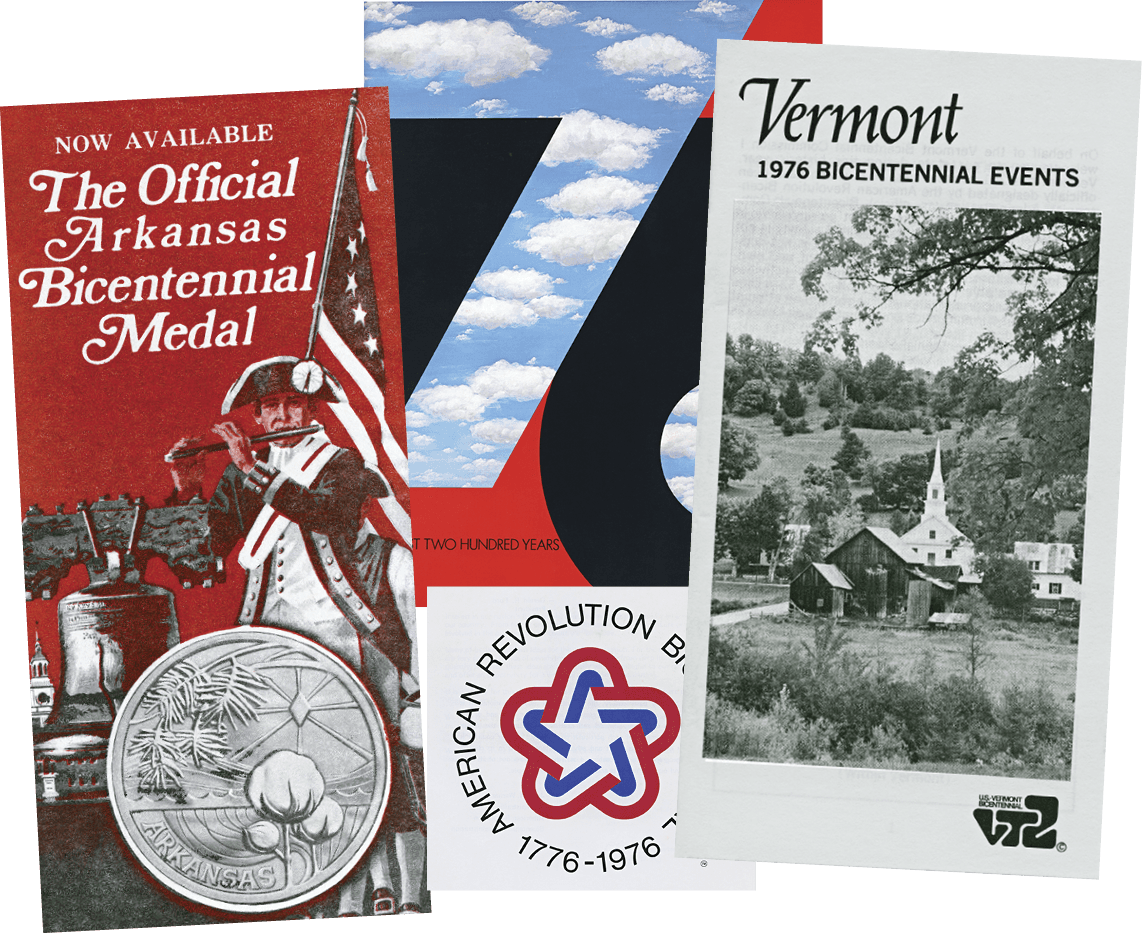
I wrote to all 50 states and asked if they had any free bicentennial memorabilia to send me. A lot of it was events calendars or a little swag they had produced. Every state responded. I think it is reflective of the enthusiasm for that commemoration. I retired 10 years ago and gave a lot of material to the University of Idaho, and it’s in its library now. —Keith Petersen, 75, Pullman, Washington
Visiting a Rolling Museum
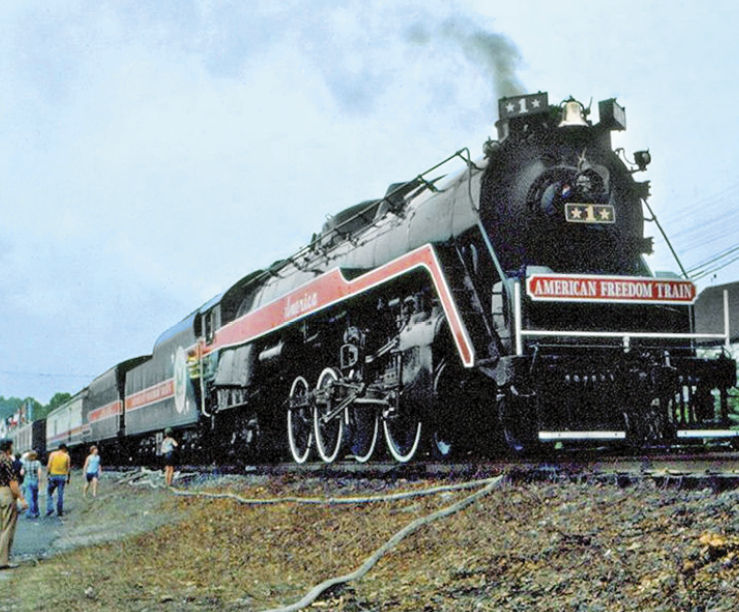
The American Freedom Train came through the Seattle area with historical artifacts. The lunar rover, Dorothy’s dress from The Wizard of Oz, Martin Luther King Jr.’s Bible, George Washington’s copy of the Constitution. It was great to see these items. —Karen Quinn, 64, Duvall, Washington
Claire Leibowitz is an associate editor at AARP THE MAGAZINE.