Upfront/LISTEN
Sound Matters
From speeches to pop music, the Library of Congress preserves historic recordings
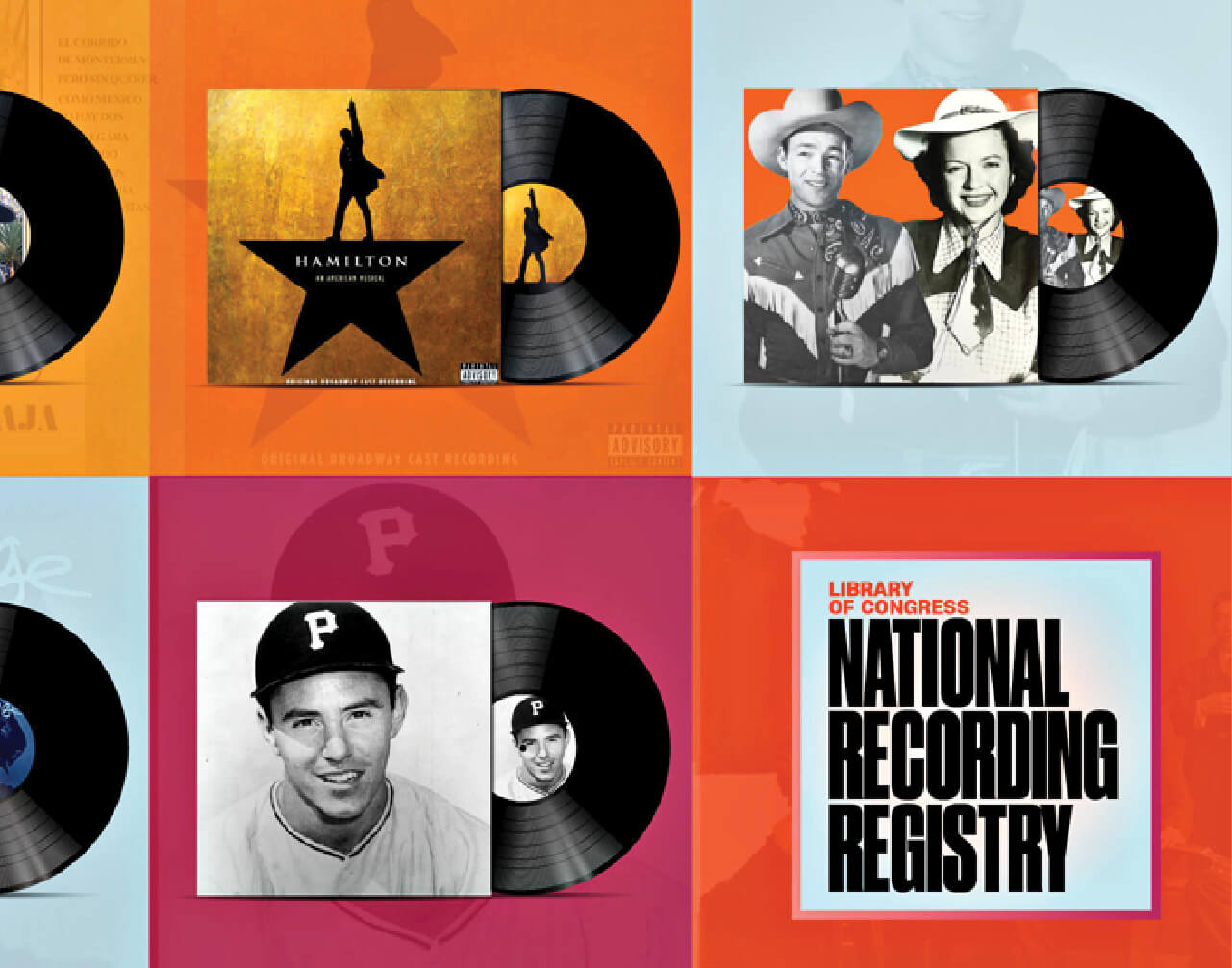
THE LIBRARY of Congress is curating the ultimate playlist. Each year the institution adds 25 important works to its National Recording Registry. That puts the total so far at 675, ranging from Thomas Edison’s pioneering wax-cylinder audio to the Hamilton original cast album.
As the U.S. celebrates its 250th birthday, we talked with Patrick Midtlyng, head of the library’s Recorded Sound Section, about audio preservation.
Why does the National Recording Registry matter?
These recordings mean something about us. They are anchors to our past.
How can the public listen to these?
Anything pre-1926 on the registry is now in the public domain. We have those online through the National Jukebox [loc.gov/collections/national-jukebox].
What are recent additions to the list?
The Chicago Transit Authority, the debut album from the band Chicago. Fly Like an Eagle by the Steve Miller Band. “Ain’t No Sunshine” from Bill Withers.
What types of speeches are on there?
Martin Luther King Jr.’s “I Have a Dream.” Lyndon B. Johnson’s presidential recordings. We also have the WNYC broadcasts from 9/11.
What might surprise people?
The Windows start-up chime is in the registry. That’s a sound everyone knows. —Michael Grant