FEATURe STORY
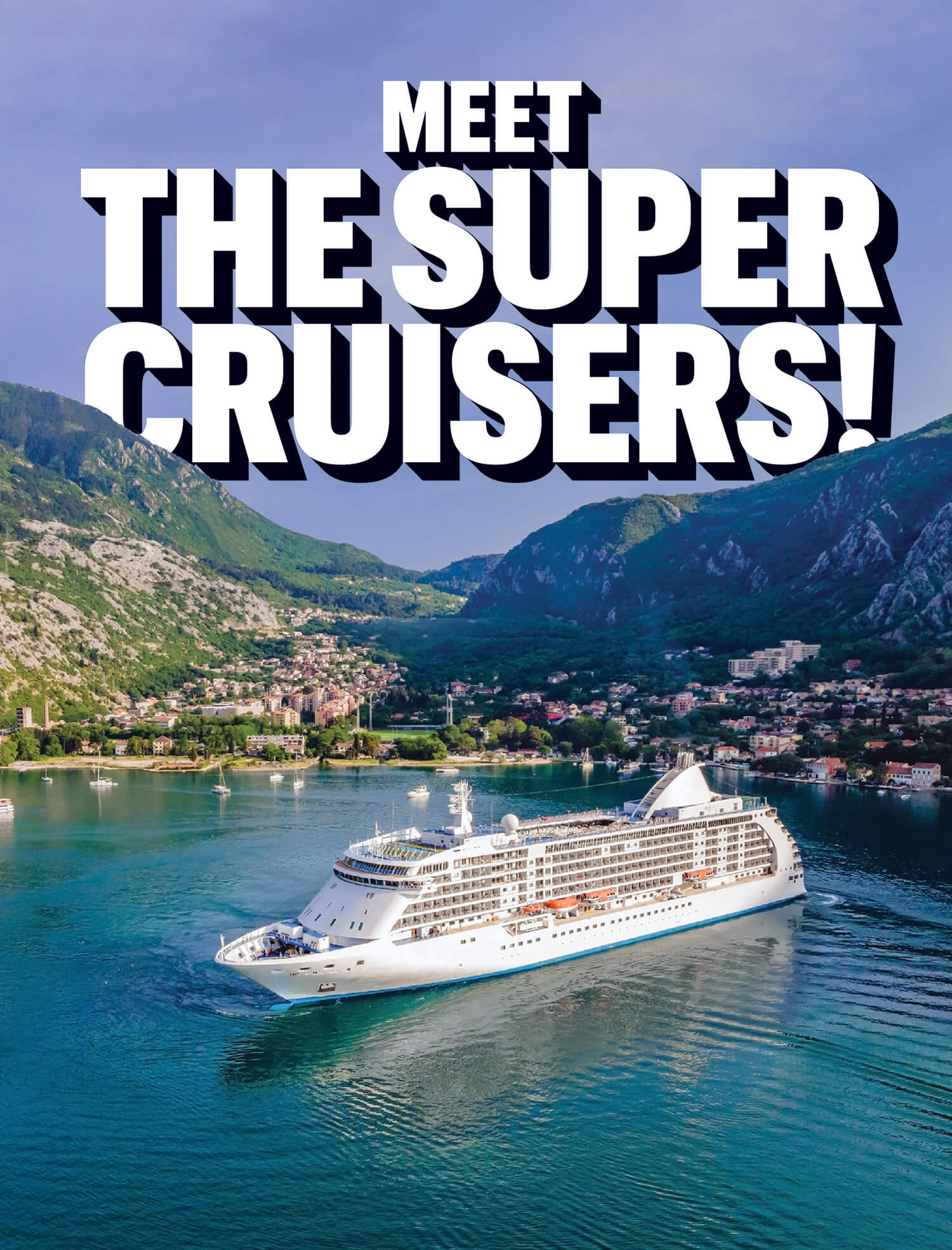
The Bay of Kotor in Montenegro
What even occasional travelers can learn from their extensive on-board experiences
THE LIFELONG CRUISER
TED EASTWICK, 68
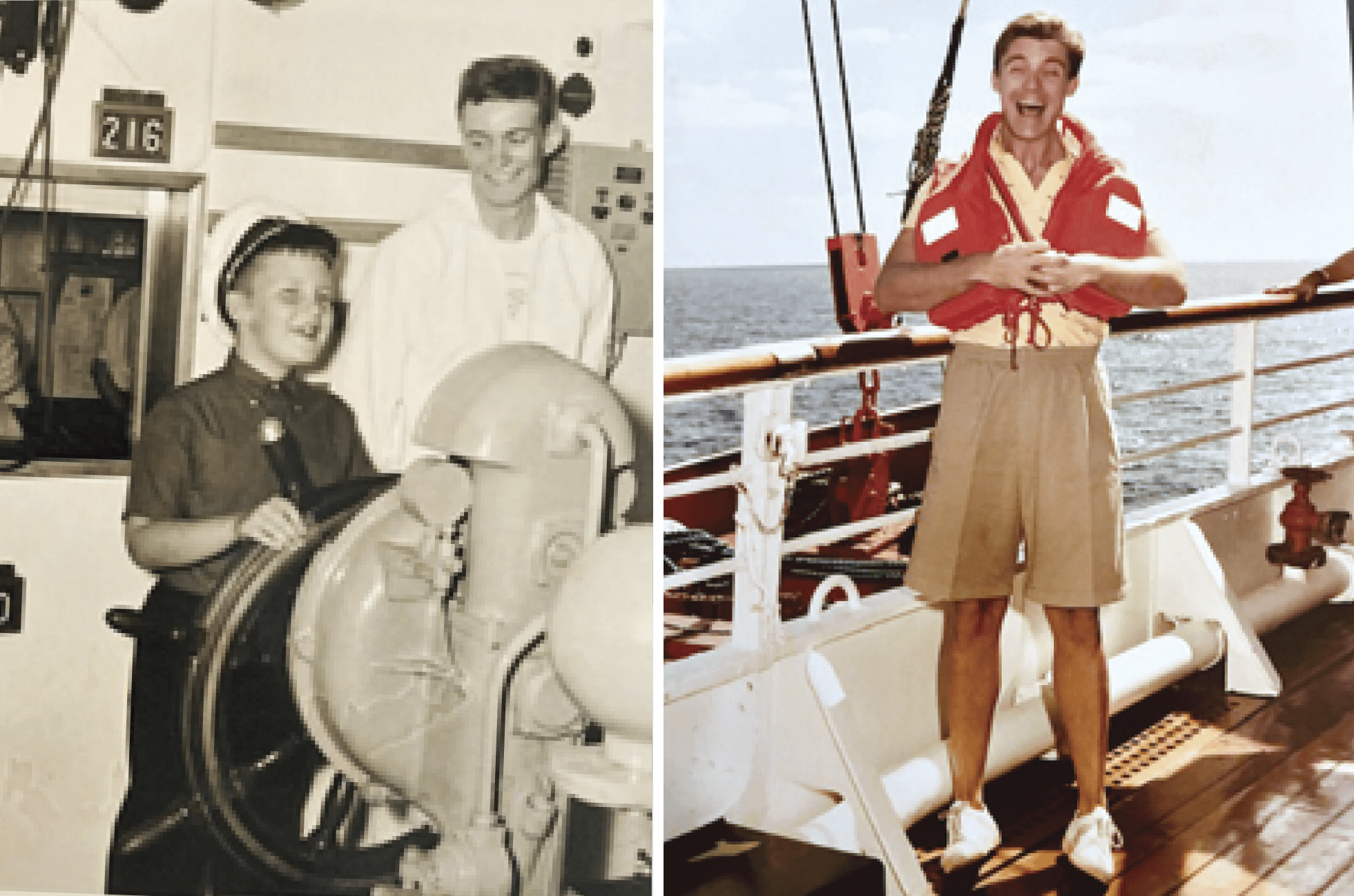
“On one cruise line, I am known when I walk up the gangway. And at the saloon, they say ‘Mr. Eastwick, how lovely to see you, and we know you’re a Ketel One martini guy.’ I’ve rarely walked off a ship and said, ‘I didn’t like it; I’ll never come back.’ ”
This Miami Beach resident has been on ocean crossings since he was 2 years old, when he went with his family on a voyage from New York to Italy. (His mother disliked air travel.) Now the owner of an executive search firm, Eastwick puts his lifetime cruise tally at more than 150, including 80 transatlantic trips, on various lines. He continues to take about two cruises a year.
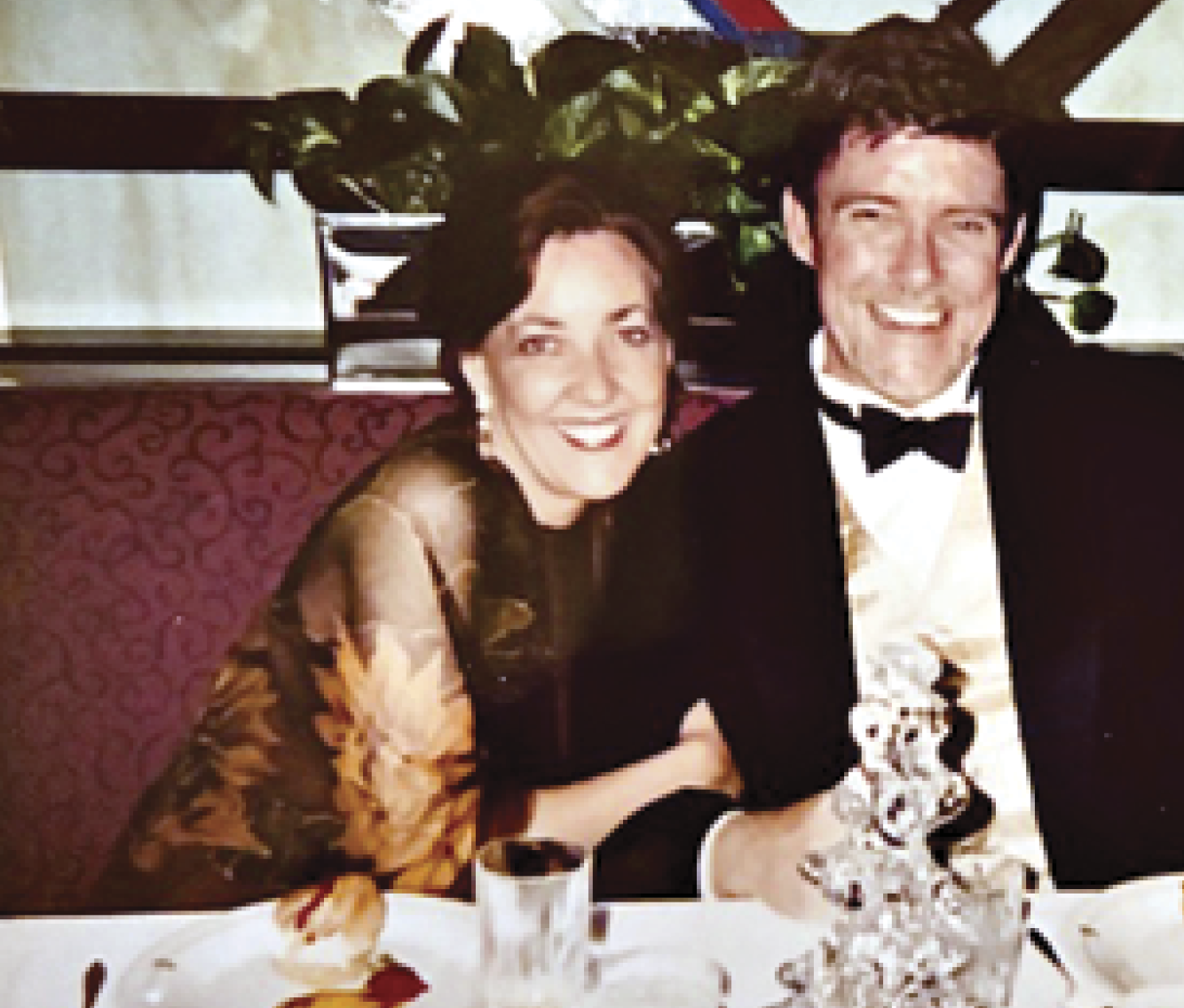
With Jane Emmet
WHAT HE HAS LEARNED: >I live by the motto that friends made at sea tend to last forever. The remarkable thing about travel by sea: We’re all in it together. One for all, and all for one. So be open to talking with people. I met a couple from Chicago on a transatlantic cruise on the Queen Mary 2 in 2005. Twenty years later, we have sailed on 10 cruises together and visit one another in Miami and Chicago.

Friend Michael Privitera, at left
>Exult in being at sea. Some cruises have a port a day. But if you have the opportunity when at sea to sit in a lounge chair, looking at the wake, plowing through the Atlantic, the Mediterranean, the Caribbean, the Indian Ocean, and you know that everyone who’s sailed that—the Portuguese, Columbus, the Vikings, Magellan—had that same view as you, wow, does that put life into perspective!
THE RESIDENT TRAVELER
ANDREA NEWMAN, 67
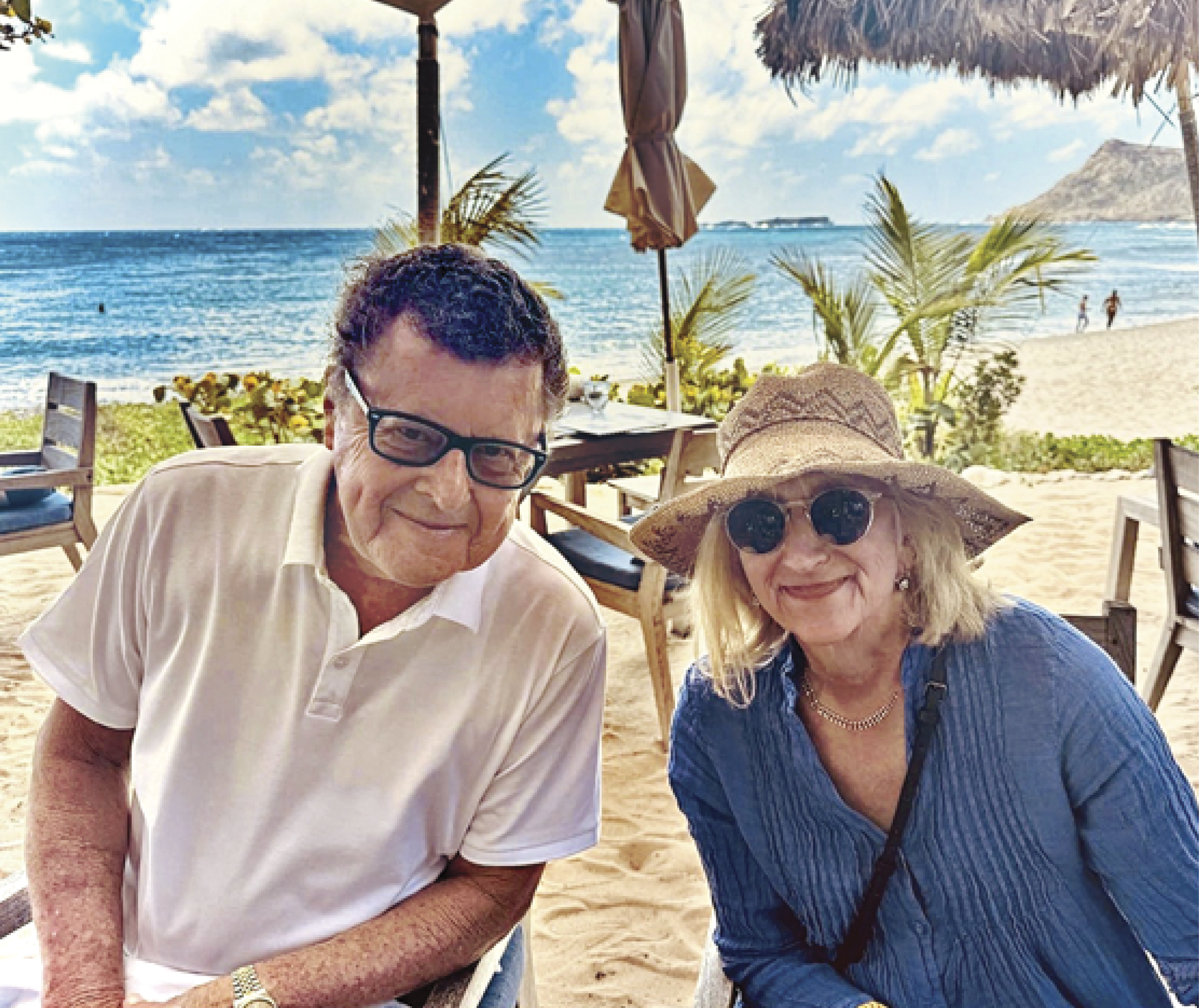
“Life at sea is both luxurious and deeply peaceful. This combines everything I love—travel, learning and community—while maintaining a sense of home wherever I go.”
The retired airline executive and her husband, Frank, 77, bought an apartment on The World, Residences at Sea in 2017. They spend six to nine months each year at sea and the rest of the year at their homes in Michigan and Utah.
WHAT SHE HAS LEARNED: >Pack less than you think you need. Ship life is low-maintenance. A few layers, a pair of day and evening shoes and a couple of nicer evening outfits go a long way. There’s laundry, toiletries and shops on board.
>You don’t have to be rugged to love expeditions. They aren’t necessarily challenging, just different. Instead of jewelry stores, you meet naturalists; instead of crowds, you find glacier inlets and quiet bays. Visiting Antarctica was breathtaking, filled with learning, science and history—and not a jewelry shop in sight.
THE RIVER CRUISE EXECUTIVE
RUDI SCHREINER, 73

“I grew up by the Danube; it’s in my blood. It was the right time to slow down a little, but my passion for the rivers hasn’t changed.”
Schreiner is cofounder and former CEO of AmaWaterways river cruises, which operates boats in Europe, Asia, Africa, Central America and South America. Since 1993, he has been on about 200 trips. Currently company chairman, he continues to cruise with his wife and fellow cofounder, Kristin.
WHAT HE HAS LEARNED: >You can explore on your own. On a river cruise, group excursions are included in the fare, but guests can create personal experiences. Get advice from the cruise manager. Ask what to see in a city, how to get there and any local tips.

>When packing for a river cruise, think in layers. European weather can change quickly, so buildable layers let you stay comfortable. Don’t overpack; laundry service on board is usually inexpensive, and packing light gives you more room for souvenirs.
>Travel in offseasons. Europe in summer versus February is completely different. In winter, there are fewer crowds and more chances to feel like a local, enjoy a café or take your time in museums.
THE TRAVEL JOURNALIST
BELINDA LUKSIC, 56
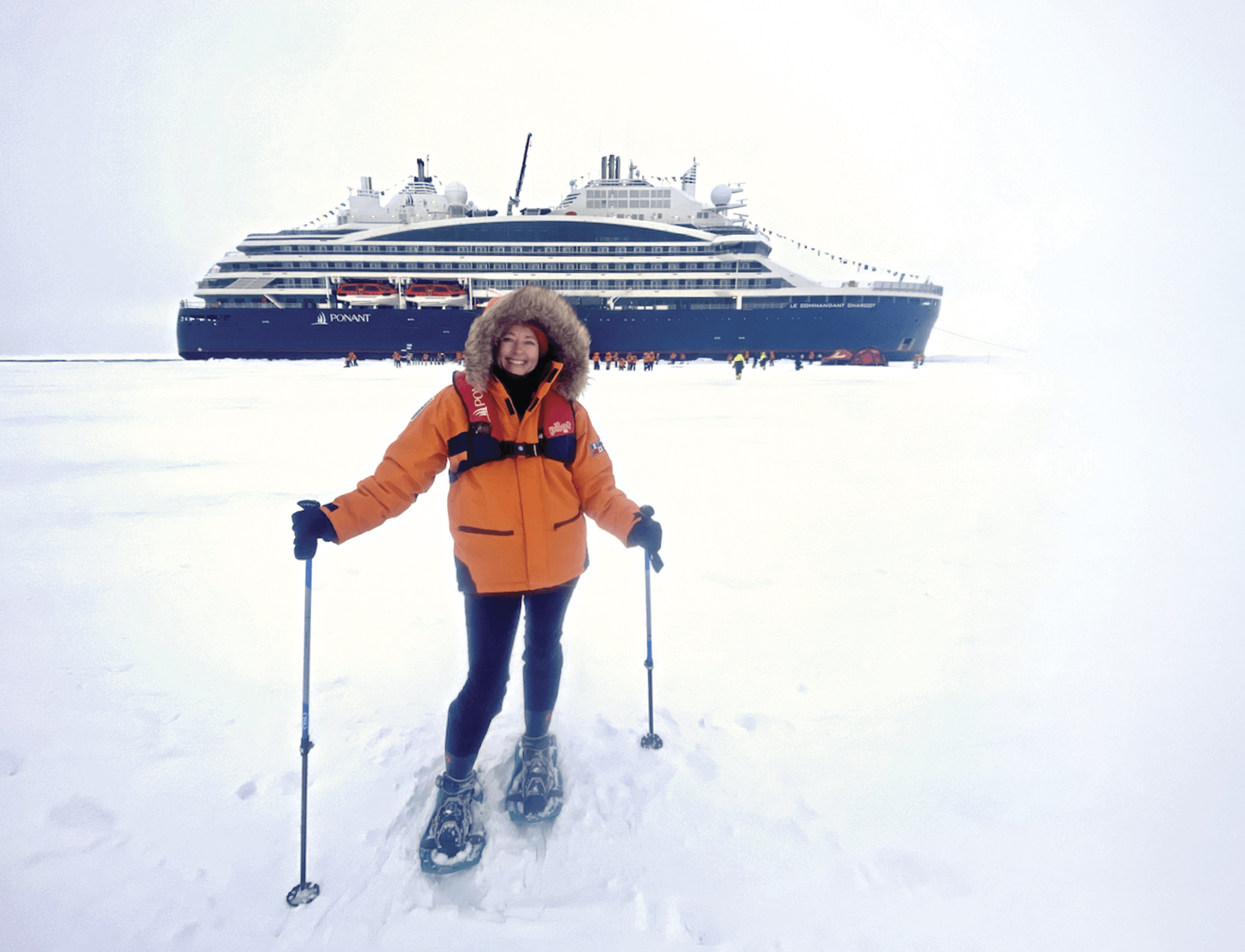
“I’ve been on everything from expedition cruise ships to luxury small ships, megaships, river cruises—you name it, I’ve done it. Every time I think I’ve reached the end of cruising, there are more ships, new destinations.”
Luksic has covered the industry for more than 10 years and taken 32 cruises.
WHAT SHE HAS LEARNED: >At a port, seek out a locally owned restaurant. Find a local designer and purchase something. Most people get off the ship with the mindset of I’m just going to go walk around on a tour and buy a magnet. But if 3,000 people descend on a town, make it worth it for that local economy: If we want to stop towns from losing their character, we have to put our dollars toward what we want to see.
>Seek out somewhere that hasn’t been constructed just for your gaze. I had one of the loveliest days on Greece’s Amorgos island. While other passengers went off on walking tours, my partner [fellow journalist Gene Sloan, 56] and I headed in the opposite direction. It took us along the coastline and down to a slip of sand where we swam in the cool waters and drank freddo cappuccino [Greek iced coffee] on the beach.
>I have a personal rule that unless a bus tour is to something like a world wonder, I’ll never join one again.
>Get up early and wander. Find those quiet moments in the morning, like on the aft deck, and sit and watch the sea stream away as you’re sailing. There’s a quiet that you don’t get any other time.
THE FUN MANAGER
SIN ALVAREZ, 45

“I get to make people laugh and help them have a great time. Life on ships can be addictive. I was hooked from the moment I first worked on board.”
Alvarez is the entertainment and engagement manager for Windstar Cruises’ Star Legend, overseeing shows, games, lectures and more. He is at sea about eight months each year.
WHAT HE HAS LEARNED: >Skip buying the Wi-Fi package. Give yourself a break from the screen. It’s one of the best ways to actually “vacation.” Pretend it’s the 1970s, before cellphones. People made real talk and memories instead of staring at a screen.
>On ships with big production shows, go for the early evening slot—usually 7 p.m. These shows are a big deal, with a full cast of dancers and singers, lights, lasers and sometimes acrobats. But with the late show, numbers get cut shorter or the energy dips because the audience is winding down.
THE OCEAN CRUISE EXECUTIVE
BOB DICKINSON, 83

“The ship is a floating luxury resort but with the same staff every day. They know us, and that feeling is special.”
Dickinson is a former Carnival Cruise Line president and CEO. In 35 years in the industry, he went on more than 200 cruises. Since retiring in 2007, he has taken about 60 more, many with his wife, Andria, 59.
WHAT HE HAS LEARNED: >Take a cruise where your drinks are included in the fare. That makes for easy sociability on the voyage, where you’re likely to make friends because you’re together for seven or 14 days. You don’t have to say, “Let’s split the tab. OK, you had the chocolate martini and ... ”
>Get the vibe before you book. We were on a wonderful cruise, but the guests—you would go down the hall and say good morning and get no response. So ask people who’ve been on the line, not just “How was the service? How was the food?” but also “What are the other passengers like?”
THE CRUISE DIRECTOR
LALE RAMIREZ, 55
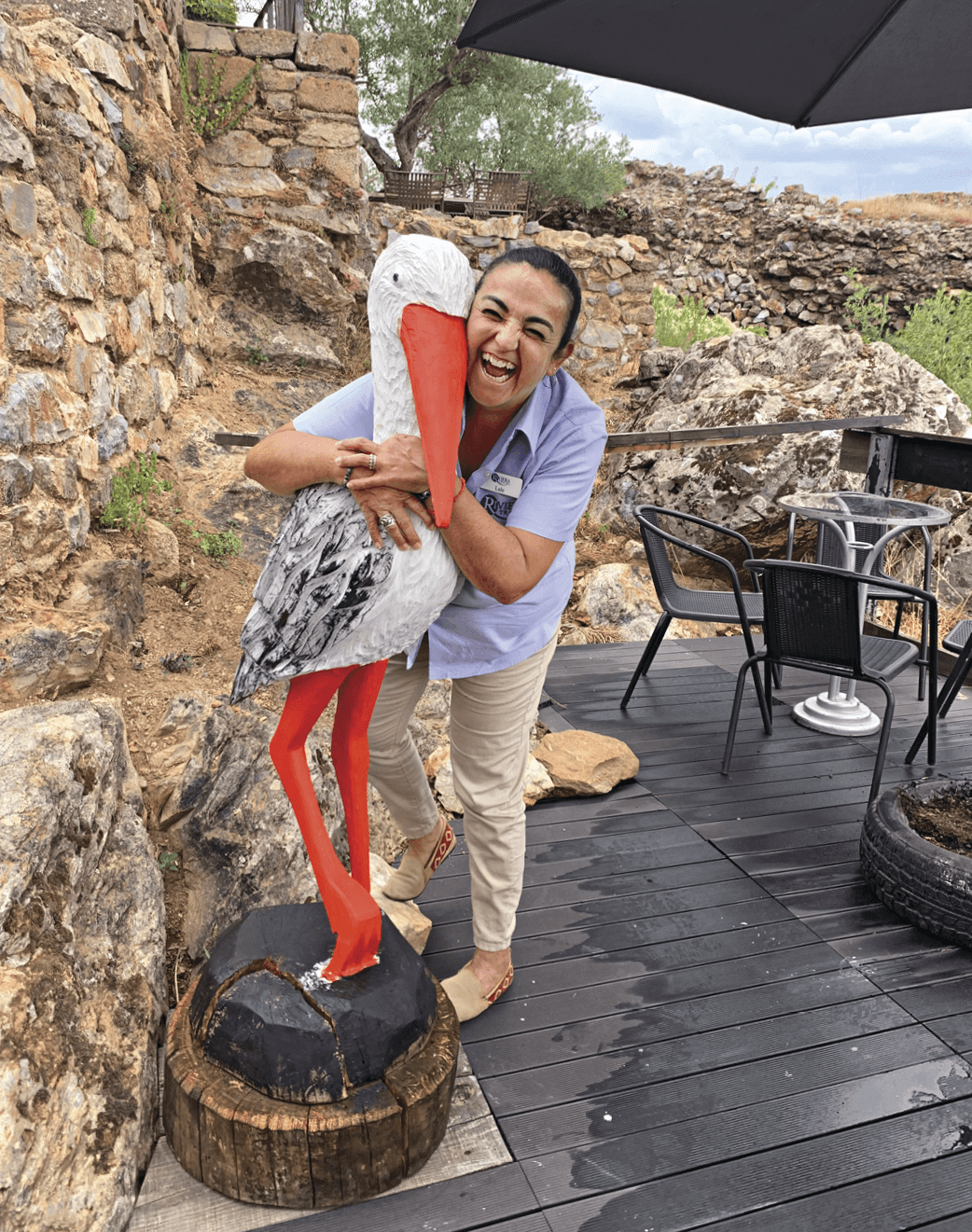
“Cruising gives me the opportunity to travel the world and meet diverse people. I enjoy the dynamic environment.”
Ramirez has been a cruise director for Riviera Travel river cruises since 2018. She has been on more than 100 voyages.
WHAT SHE HAS LEARNED: >Get to know your cruise director. We can introduce you to other travelers with shared interests or backgrounds, group you for games and activities, and help break the ice. I’m a matchmaker. I’m talking to you and you’re telling me one story, and I’m talking to someone else and they’re telling me something. And then I go, “Hey, why don’t you talk to that person?”
>If you really click with the crew, follow them to another cruise. A guest who traveled with me last year asked, “Where are you going to be?” So she came to my cruise in Switzerland.
>Tap real traveler groups. Join Facebook groups to see honest reports, ship differences and packing tips. Just open Facebook and click Groups, then search by the cruise line name.
THE FANATICS
JIM AND PAT BITTLE, BOTH 81
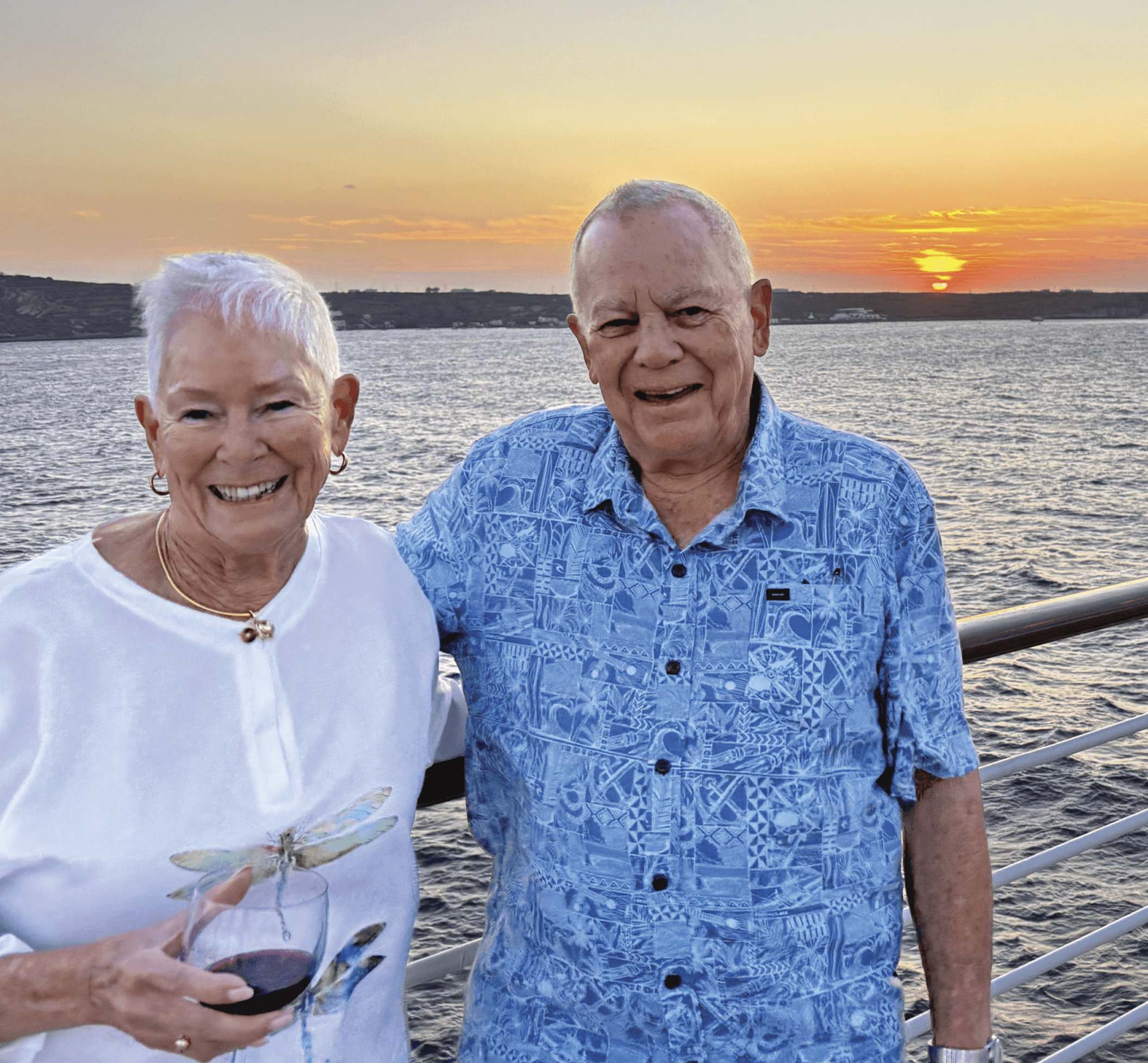
“Cruising is a way of life and replaces a second home or condo,” says Jim. “We both have the ‘travel gene.’ When we’re home, it can get boring. Pat and I are both done with tennis and golf.”
The Bittles have been regular cruise travelers for a quarter-century. They have spent more than 2,500 nights on various cruise lines, including river cruises, and have been to all seven continents. They live in Maitland, Florida, and retired about 25 years ago.
WHAT THEY HAVE LEARNED: >We like longer cruises with some days at sea. First-timers often book seven ports in seven days. By the end, you’re exhausted. As you get older, you don’t want to be go-go-go every day. If you’re retired and don’t have to get back to work, don’t just book a cruise for one week. Go longer.

>On an overnight in port, get off the ship and get a hotel. We use our Marriott points. That way, we don’t have to take the shuttle back and forth from the ship. We go out after dinner and wander around the streets, go to a bar and have a glass of wine, or even go to a show. A lot of people run back to the ship because they don’t want to spend the money. But check out the local flavor at night.
>On board, ask for “slow service” at dinner. We’ll take 90 minutes or more to dine. Staff get it. They’ll bring appetizers and wait for a nod before cooking the mains. Take time to enjoy the food. It’s service you’re not going to get at home.
>Don’t skip the lectures. People miss great content. We’ve heard from diplomats, astronauts, marine biologists, scientists, authors and retired FBI agents.
THE SHIP DOCTOR
DR. REALEBOGA SEBITSO, 32
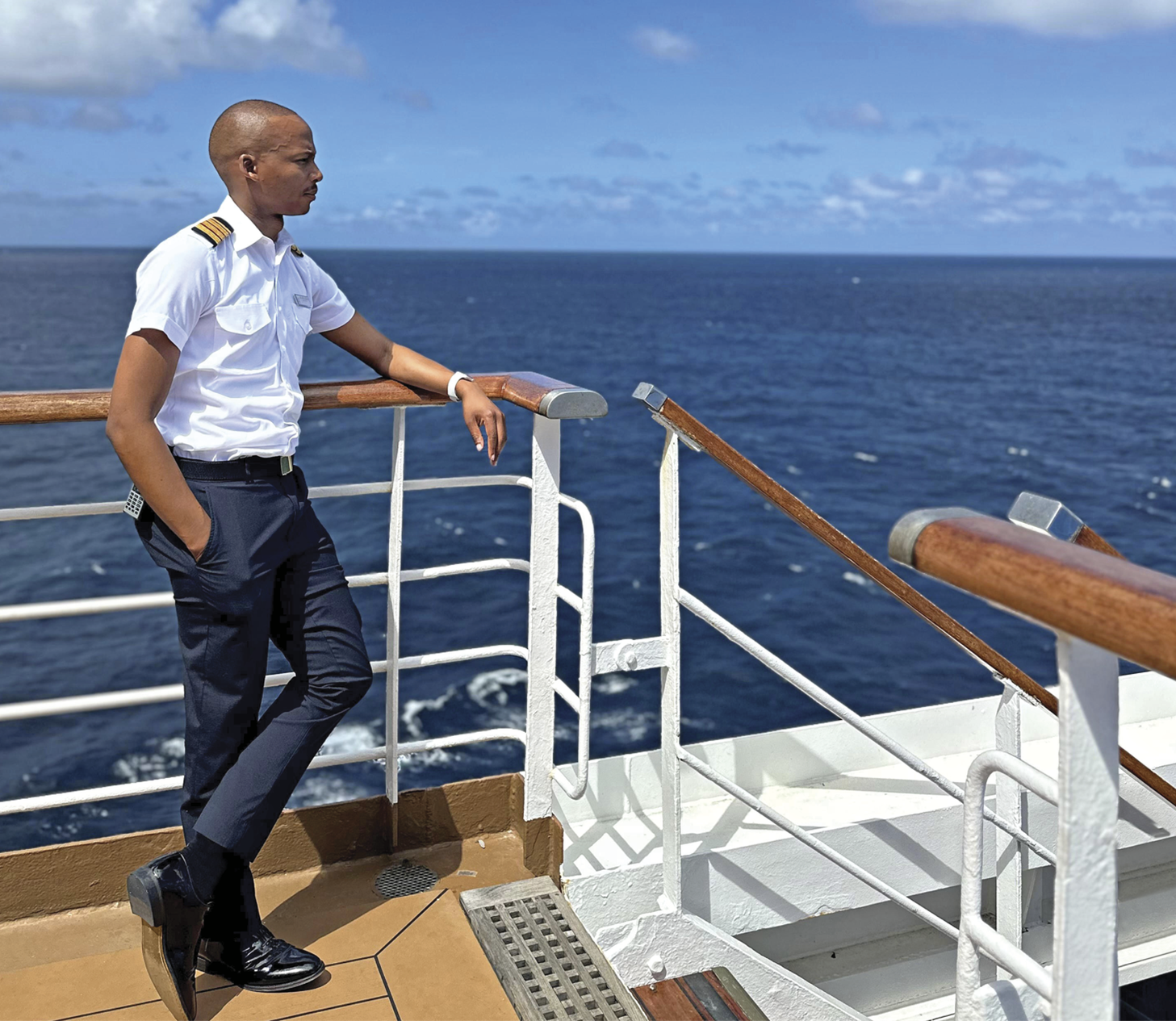
“From day-to-day checkups to middle-of-the-ocean evacuations, I’ve seen it all.”
Sebitso works for Holland America Line and has been a shipboard physician for more than three years. He is at sea about eight months each year.
WHAT HE HAS LEARNED: >Travel insurance is a must. Make sure it covers cruise-specific emergencies. First-time cruisers assume that medical care on board is free, but it’s not included. Ships are equipped for most emergencies, but we may need to coordinate with shoreside facilities. Evacuation or treatment in port can be expensive.
>Bring a basic medical file. Include your medical history, medication list and allergies. If you’re seeing a specialist, provide contact info. I often coordinate care with your doctor back home.
Save on cruises booked using aarp.org/cruisers through the AARP Travel Center.
More Cruise Wisdom
Get tips from Chris Gray Faust, executive editor of Cruise Critic, at aarp.org/cruisevideo.