Healthy You
Heart-Healthy Food Swaps
These simple meal upgrades give your ticker something to get pumped about!
SOME 80 PERCENT of heart attacks and strokes could have been prevented, researchers say. Yet cardiovascular disease remains the leading global cause of death. And much of the reason for that is what we eat. A heart-healthy diet rich in fruits and vegetables, whole grains, lean proteins, nuts, legumes and low-fat dairy—and limited in processed foods, added sugars and salt—can improve your risk. But you don’t have to give up your favorite dishes to keep your heart beating strong. With just a few substitutions, you can make everyday meals more heart-friendly.
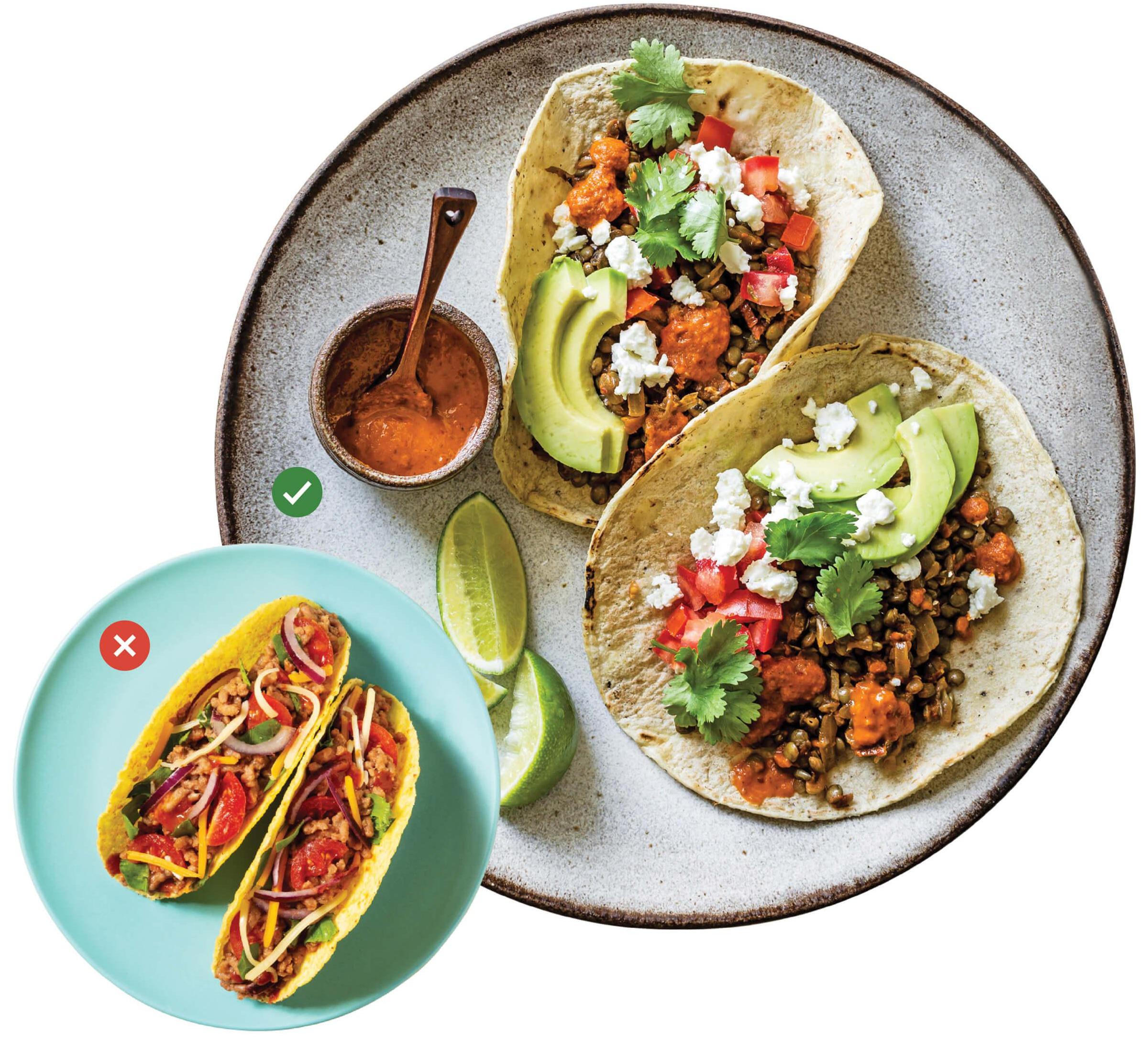
EAT THIS: Lentils
NOT THAT: Ground beef
Regular consumption of red meat may increase your heart disease risk, research suggests. It may be due in part to the chemicals the gut produces while digesting red meat or by-products released when grilling or cooking it at high temperatures.
But there’s a heart-healthy substitute: Lentils are low in fat and sodium and high in fiber, contain beneficial nutrients and may help lower LDL cholesterol. You can work them into a pasta sauce or substitute them for ground beef in dishes like tacos or burritos, says Dr. Brooke Bussard, a Baltimore-based lifestyle medicine health coach and author of Chew on This. Combine 2 cups cooked lentils with 1 cup walnuts, 1 clove garlic, 2 teaspoons each oregano, cumin and chili powder, ½ teaspoon salt, and 2 tablespoons water or olive oil in the blender for a delicious Mexican-dish meat substitute.
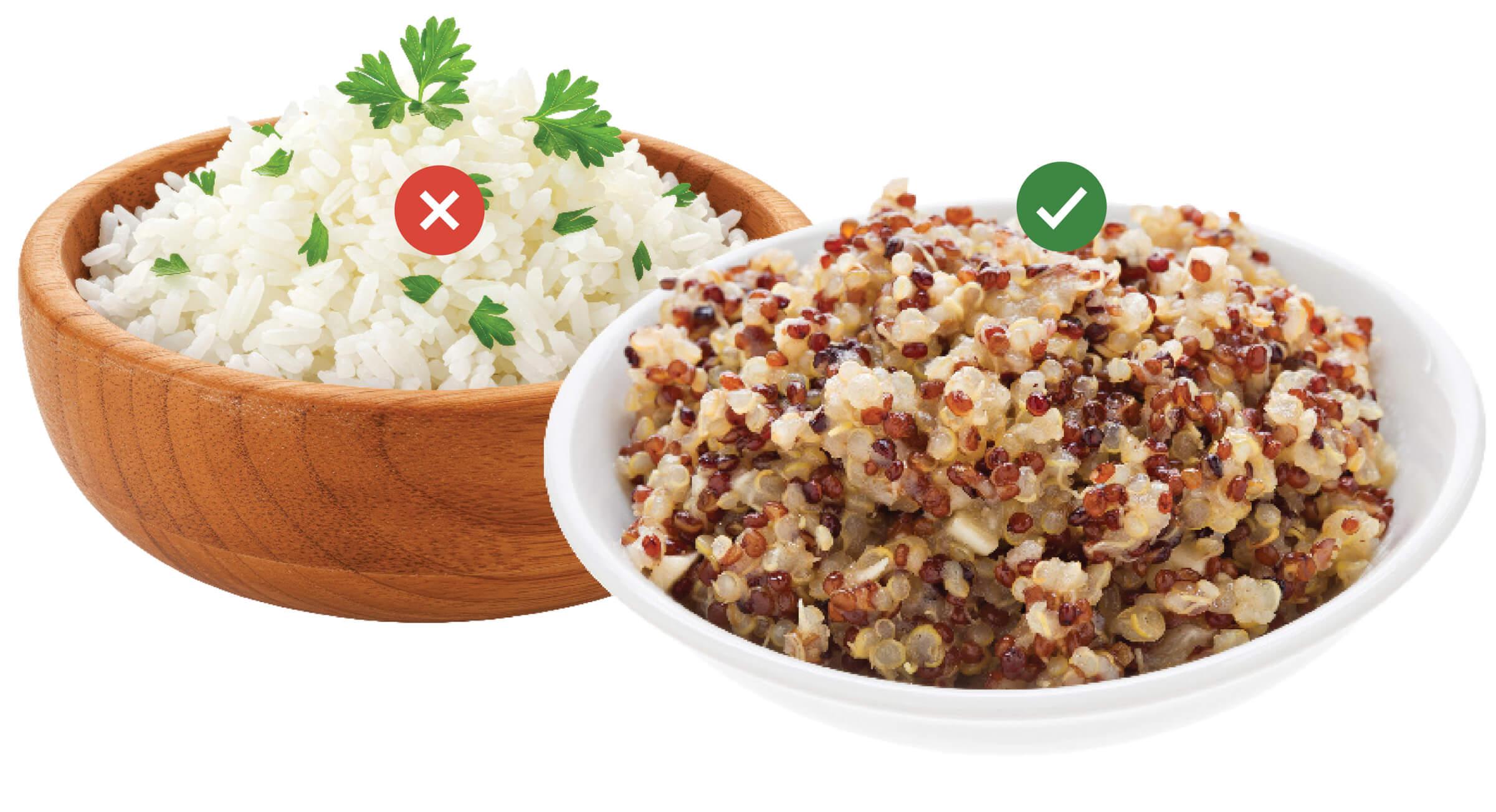
EAT THIS: Quinoa
NOT THAT: White rice
Starchy side dishes like rice are high in carbohydrates and can lead to spikes in blood sugar: Some studies have shown that higher consumption of white rice is associated with an increased risk of diabetes, a risk factor for heart disease. (In fact, people with diabetes have twice the risk of developing heart disease as those who don’t.)
Quinoa (pronounced “keen-whaa”) is actually a seed, rich in fiber and B vitamins and packed with plant-based protein. Some research has shown that quinoa may help reduce bad (LDL) cholesterol, which may help prevent plaque buildup in your arteries.
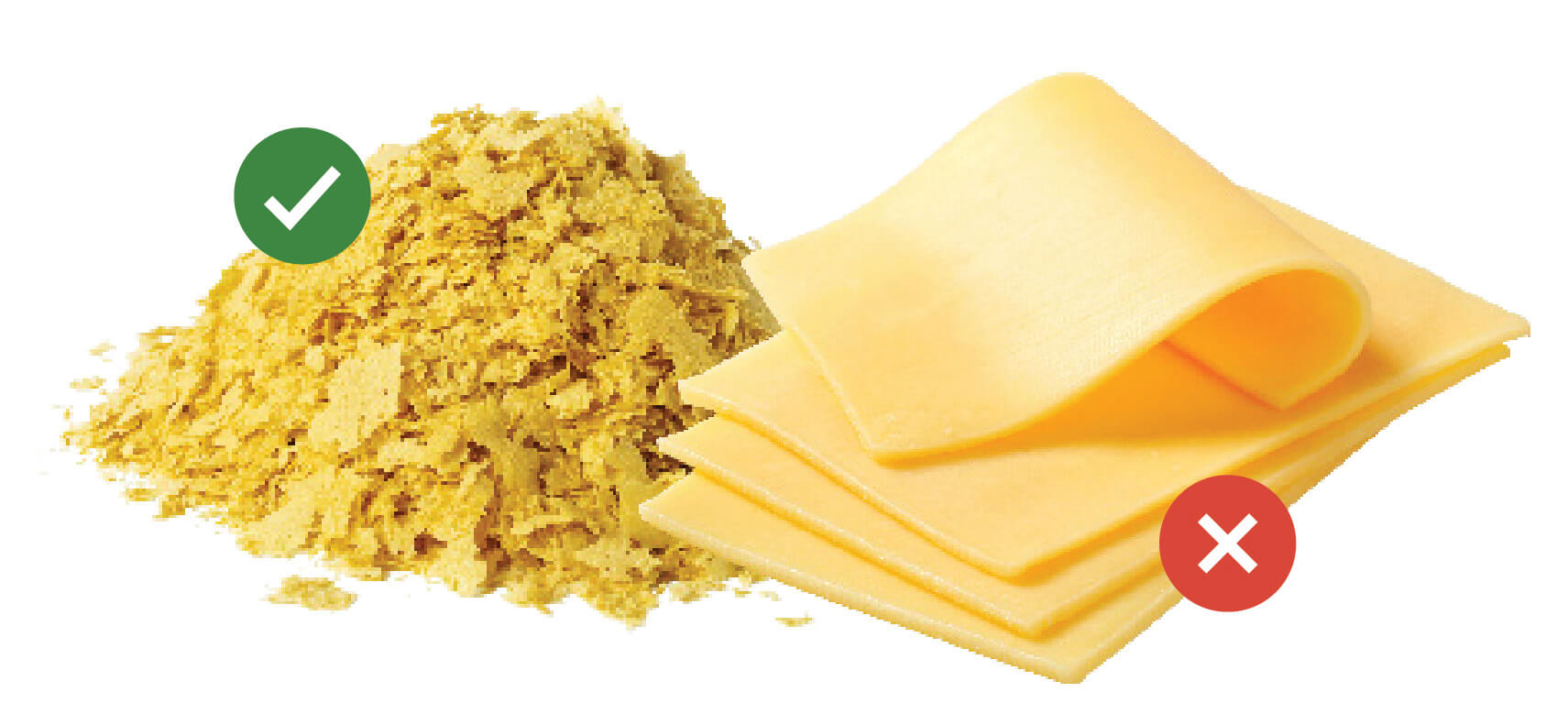
EAT THIS: Nutritional yeast
NOT THAT: Processed cheese
Large portions of cheese can rack up your saturated fat and sodium intake—especially processed cheese (like American), says Julia Zumpano, a registered dietitian with the Cleveland Clinic.
Enter nutritional yeast, a deactivated yeast that looks like yellow flakes or powder. You can often find it in the spices aisle of your local grocery store. It has a cheesy, nutty flavor and can be sprinkled over soups or salads, or in a casserole or meatloaf. You can even use nutritional yeast as a base for a plant-based mac-and-cheese sauce. And bonus: Fortified nutritional yeast offers B vitamins and protein.
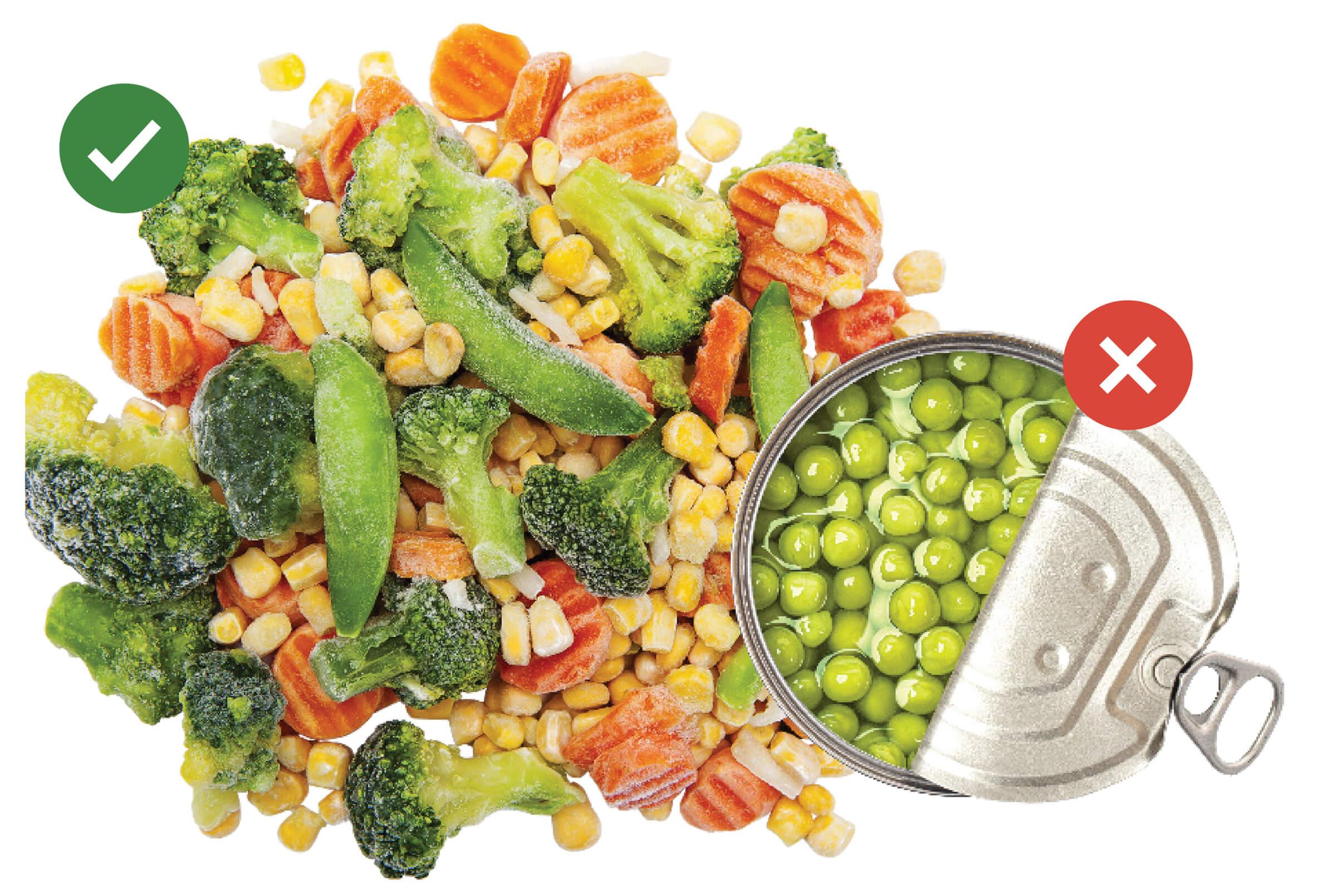
EAT THIS: Frozen vegetables
NOT THAT: Canned vegetables
The majority of people with heart disease consume, on average, more than twice the recommended daily amount of sodium, one study found. “Regularly consuming that extra sodium can elevate blood pressure and increase cardiovascular disease risk,” says Jennifer Pallian, a nutritionist and food scientist in Seattle and Vancouver, British Columbia. All the more reason to avoid canned veggies, which may include added salt for flavor.
“Frozen vegetables are flash-frozen shortly after harvest, preserving nutrients naturally, without salt,” explains Pallian. If you still prefer canned, give your produce a quick rinse before eating it. One study that looked at canned peas found that draining and rinsing them with water reduced their sodium content about 12 percent.
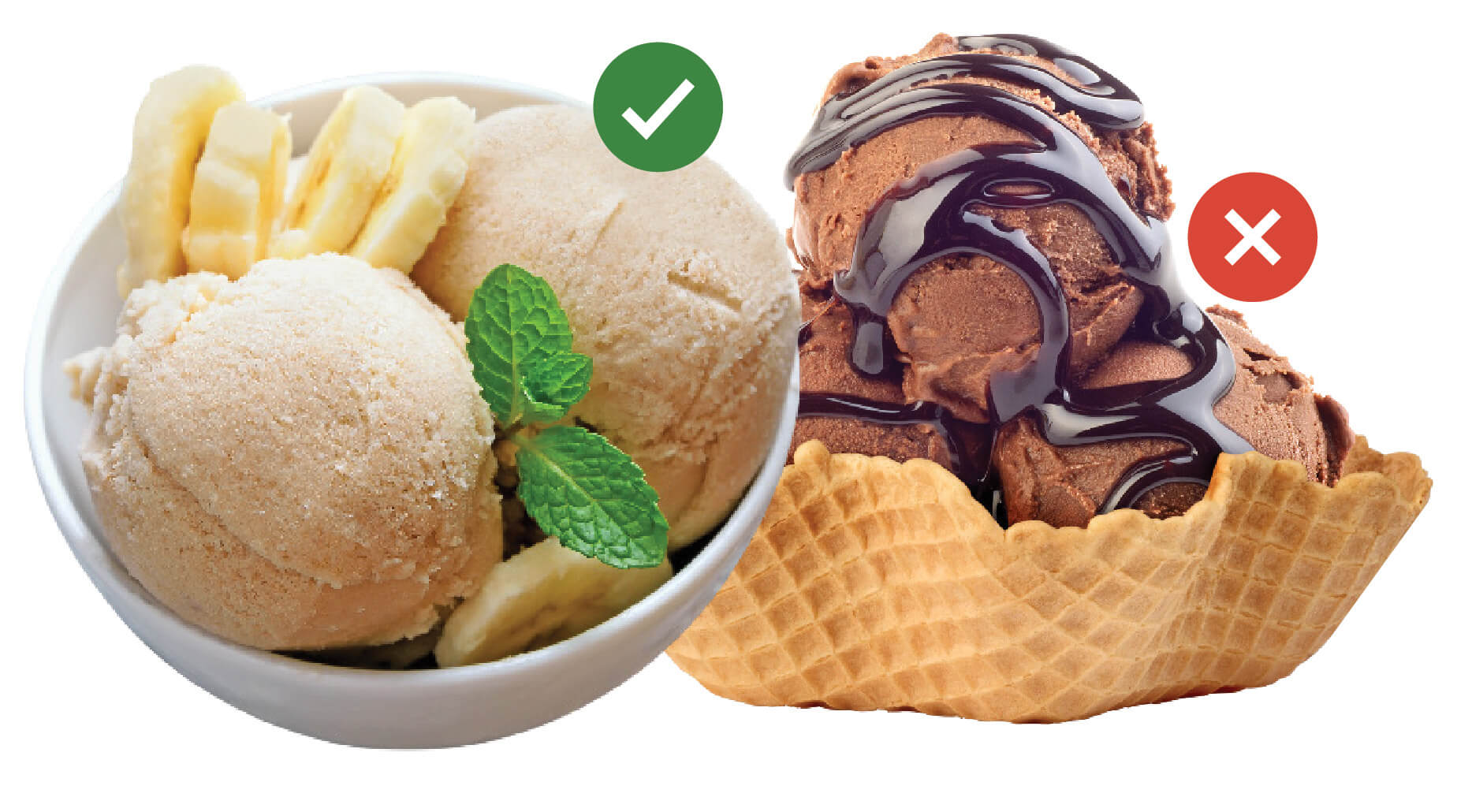
EAT THIS: ‘Nice cream’
NOT THAT: Sugary ice cream
While ice cream may be a better choice than cookies, cake or brownies, it’s high in saturated fat, and many versions—especially those with mix-ins like cookie dough or candy—are jam-packed with sugar. A ⅔ cup serving of Ben & Jerry’s “Everything But The…” flavor contains 38 grams of sugar, 13 grams more than the daily limit the American Heart Association recommends for women.
Try “nice cream,” typically a dairy-free, fruit-based version made by blending fruits, like nutrient-rich frozen bananas, into a creamy sorbet. (Bussard’s favorite: frozen bananas, frozen cherries and cacao powder.) And for an even lower-sugar version, blend a frozen banana with 2 cups frozen berries, 2 small avocados, and ½ cup unsweetened almond milk. Pro tip: Always remove the peels before freezing bananas; otherwise they turn into little bulletproof vests.
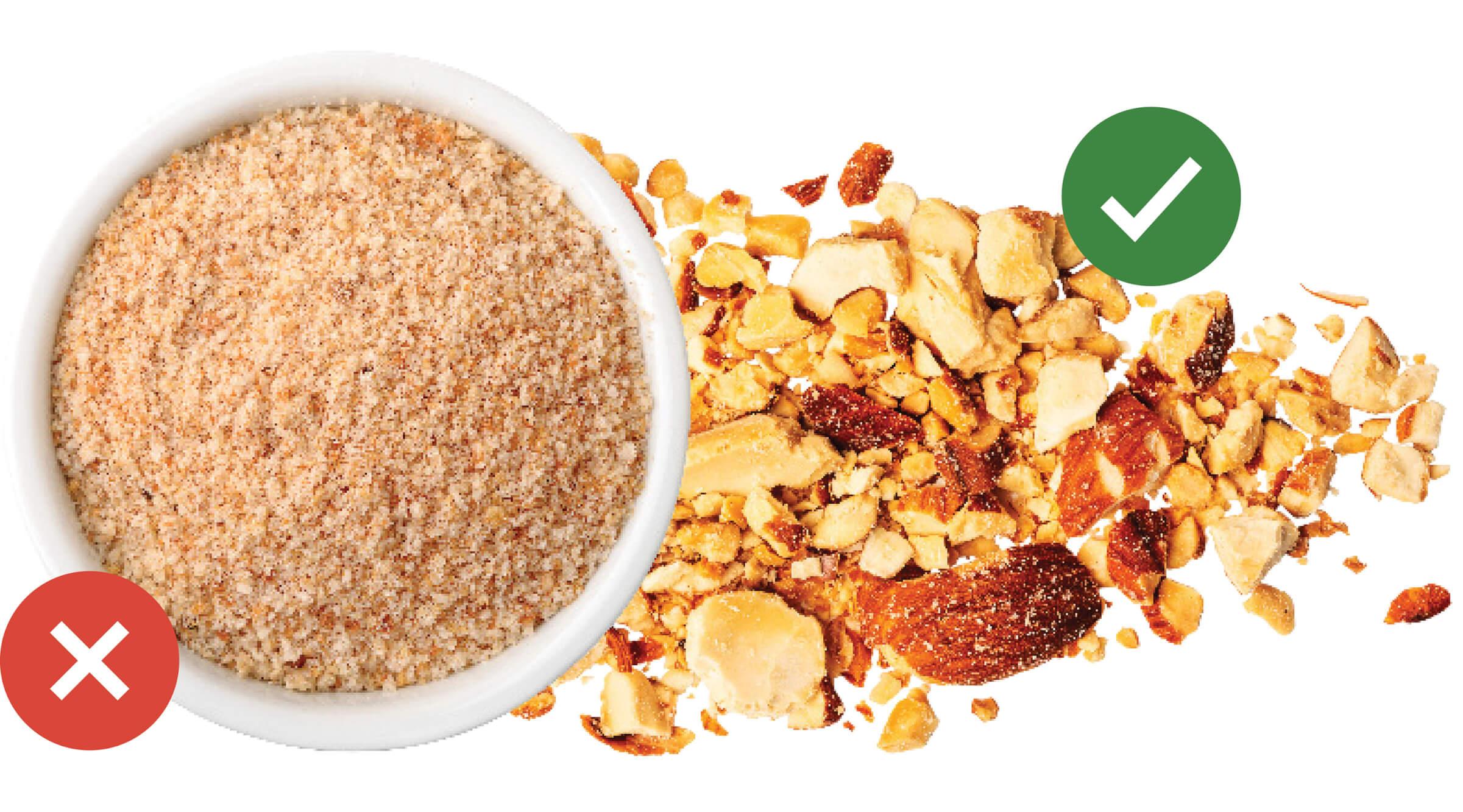
EAT THIS: Ground nuts
NOT THAT: Breadcrumbs
Do you use breadcrumbs to coat chicken breasts, mix into meatballs or sprinkle on top of a casserole? “Breadcrumbs can include refined white flour, added salt, hydrogenated oils, added sugar—calories, not nutrition,” says Dr. Joel Kahn, founder of the Kahn Center for Cardiac Longevity in Bingham Farms, Michigan.
“Nuts and seeds used as a breadcrumb substitute will offer more fiber, minerals and protein than bread alone,” says Kahn. Research has linked higher nut consumption to a 19 percent lower risk of cardiovascular diseases and a 25 percent reduced risk of cardiovascular disease-related death. Grind up combinations like almonds and cashews in a food processor, then sprinkle in some spices of your choice.
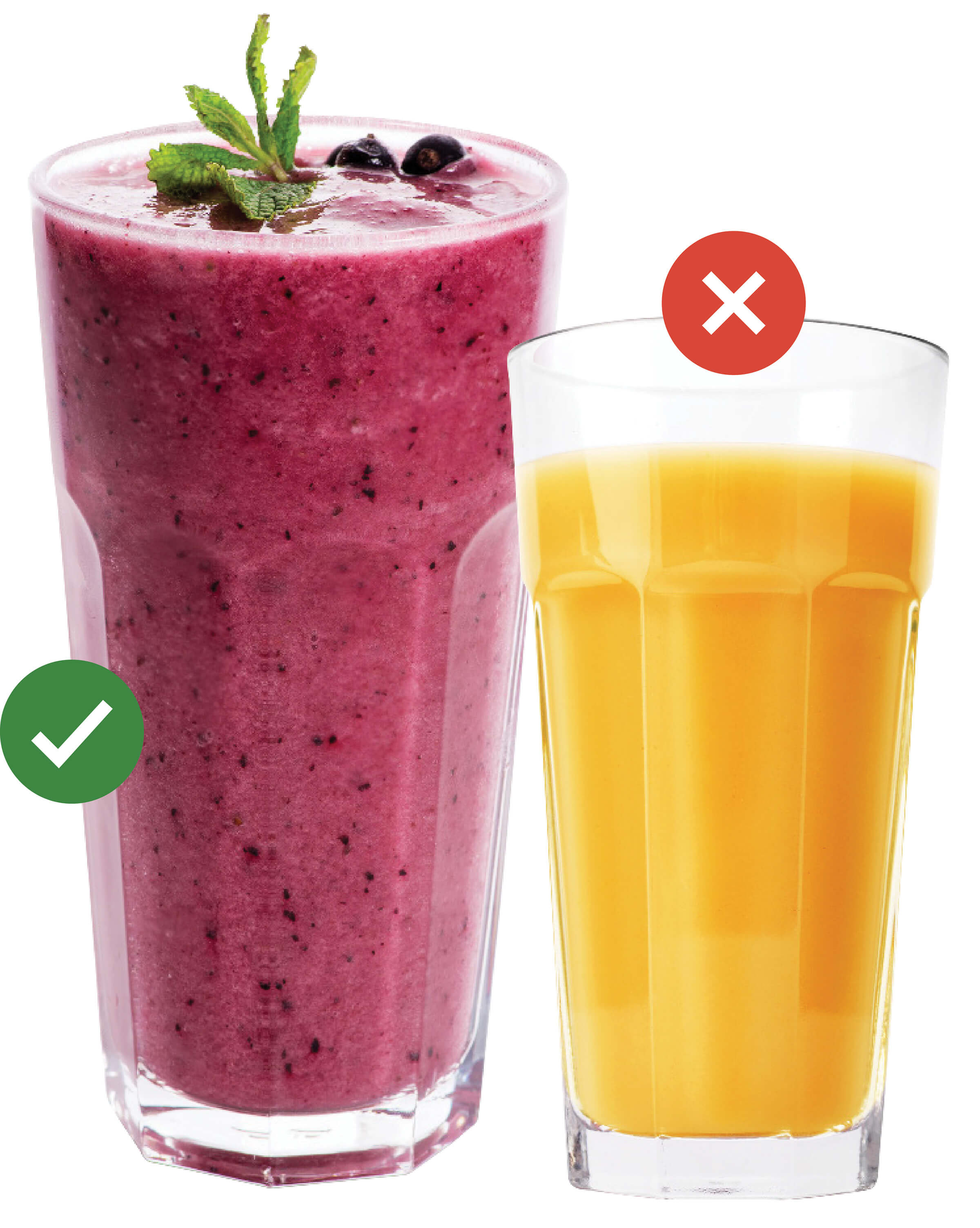
DRINK THIS: Fiber-and-protein-rich smoothie
NOT THAT: Fruit juice
One cup of OJ can deliver 22 grams of sugar—with no fiber or fat to slow its impact on your body. If you’re going to drink juice, stick to an occasional half-cup serving of 100 percent fruit juice. “Add sparkling or tap water to extend the fruit juice further,” says Kahn.
Fruit-only smoothies can have the same blood-sugar-spiking effect. Instead, pack your blender full of fiber, protein and healthy fats to help keep blood sugar stable. “Blend whole fruits, leafy greens, unsweetened almond milk or low-fat yogurt, and a tablespoon of chia [seeds] or flaxseeds for a heart-smart meal or snack,” says Meghan Gonzalez, a registered dietitian in Orange County, California. You can also toss in ingredients like nut butter and avocado.
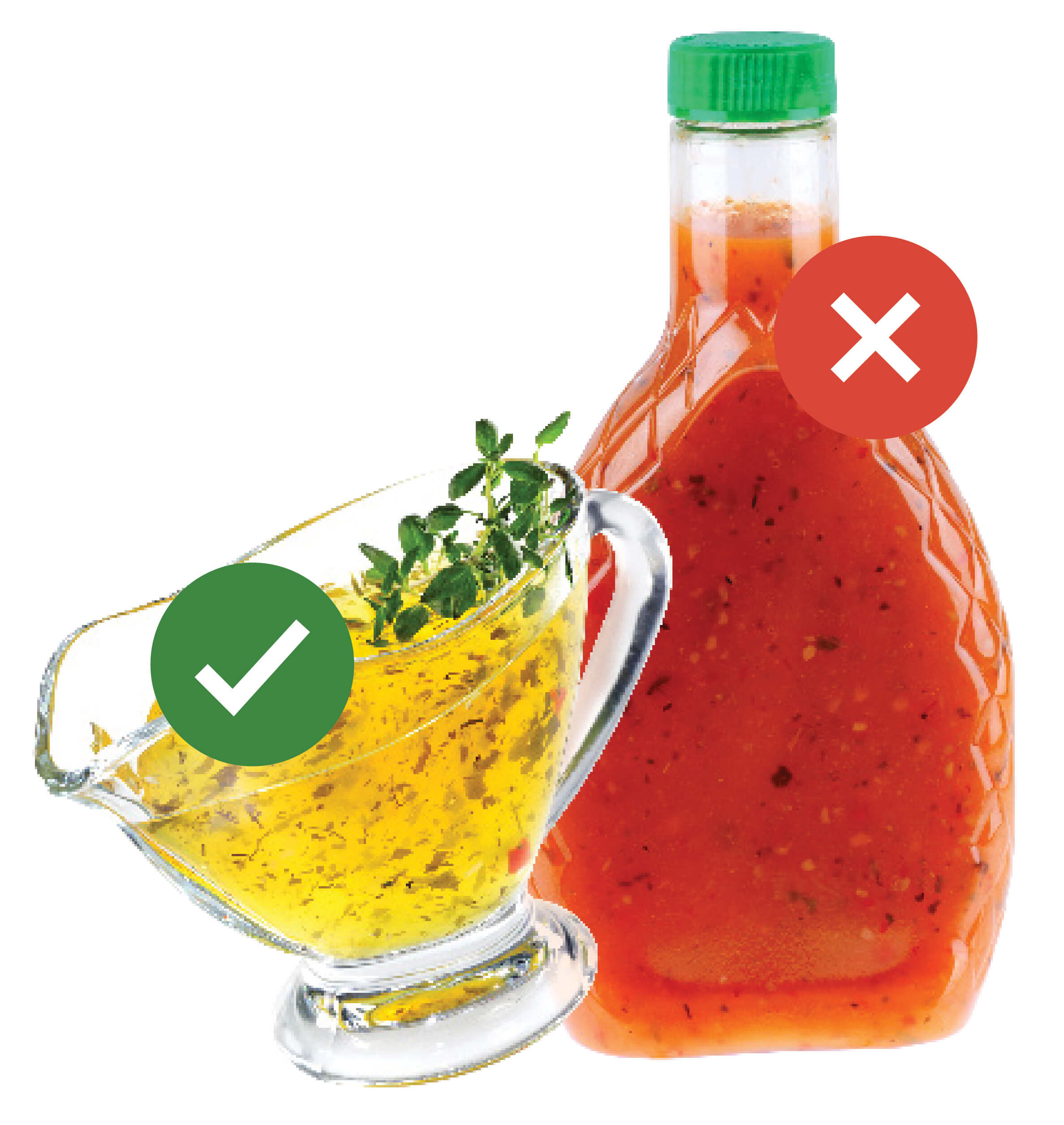
EAT THIS: Homemade salad dressing
NOT THAT: Store-bought dressing
Just check the labels: Many commercial salad dressings have water and sugar among their top ingredients. Neither should be a highlight of your salad. Be especially wary of any dressings that are labeled “fat-free,” as these are often packed with added sodium and sugars to offset the lack of flavor.
Thing is, you want fat in your salad dressing, as long as it’s good-for-you fat. “Having some fat in your dressing can help with the absorption of fat-soluble vitamins in your salad,” Bussard says, but limiting portions is key. Making your own dressing allows you to focus on adding heart-healthy oils, like olive oil, and leaving out the questionable fats, like soybean oil. For a quick vinaigrette, mix extra-virgin olive oil with red wine vinegar and some fresh chopped herbs.
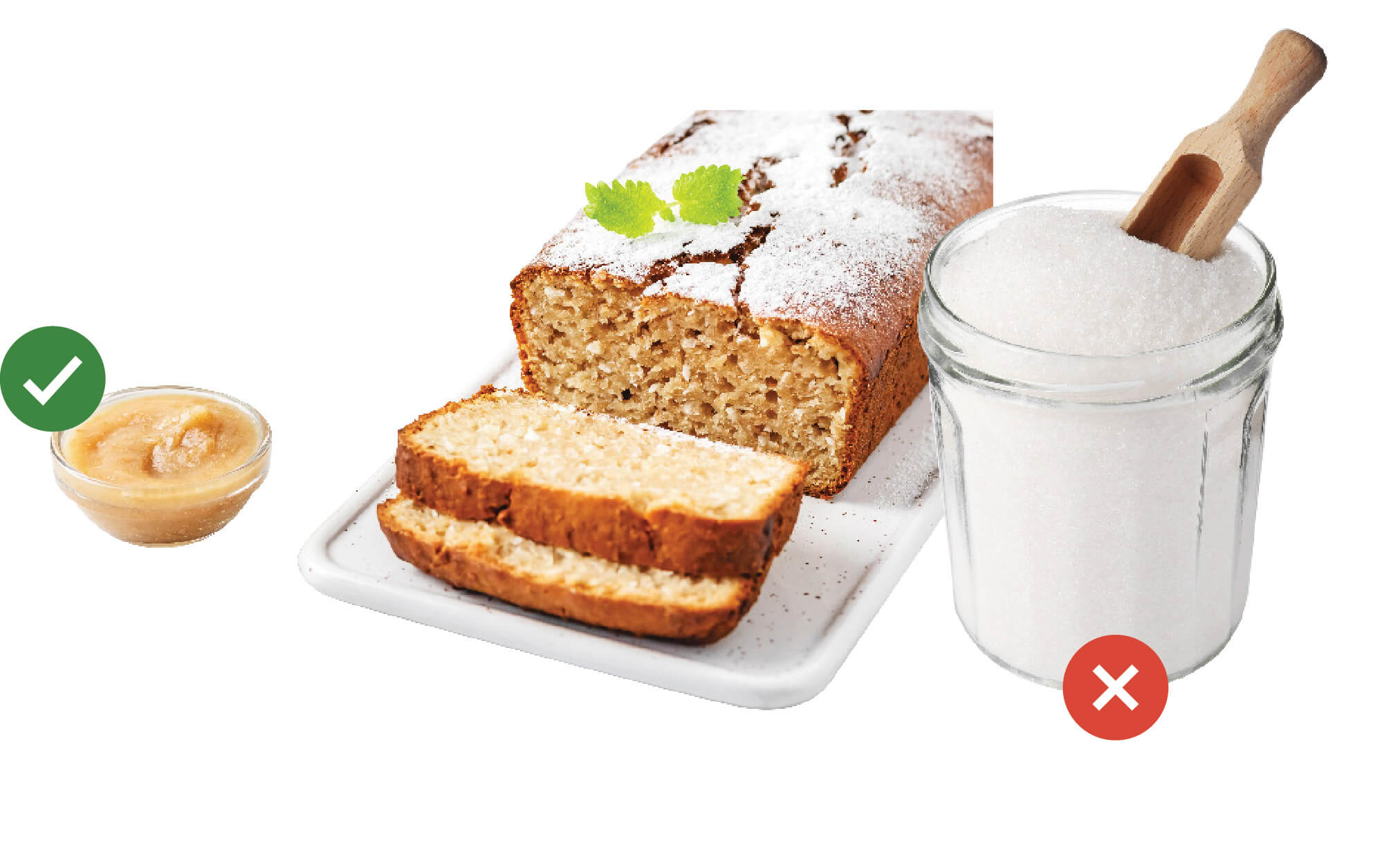
EAT THIS: Pureed fruit
NOT THAT: Artificial sweeteners
A 2022 study found that higher consumption of artificial sweeteners was associated with an increased risk of cardiovascular diseases. “While more research is needed, limiting artificial sweetener intake is a reasonable precaution,” adds Kahn. (Talk with your doctor if you use artificial sweeteners as part of a low-carb diet.) Mashed bananas or unsweetened applesauce can be used to sweeten baked goods. You can even use pureed prunes, as Lauren Manaker, a registered dietitian in Charleston, South Carolina, does. “Puree 8 ounces of pitted prunes with ¼ cup of warm water,” she says. “Use this puree to swap out half the sugar you would usually use in your brownie, cookie, muffin and other baked-good recipes.”
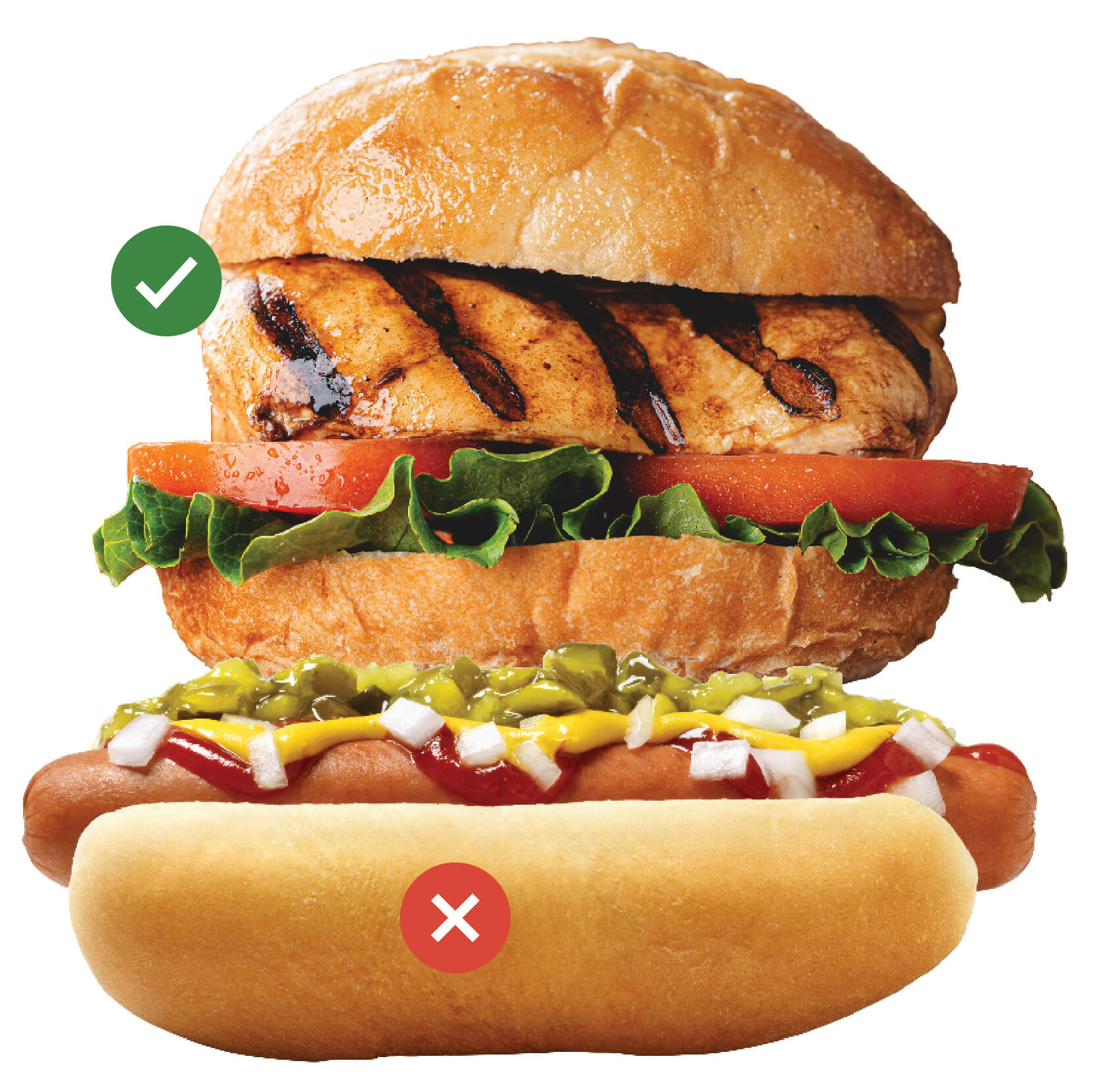
EAT THIS: Chicken breast
NOT THAT: Processed meat
Processed meats like hot dogs, salami, bologna and pepperoni are high in saturated fats, sodium and preservatives. One study found that eating just over 5 ounces or more of processed meat per week was associated with a 46 percent increased risk of cardiovascular disease and a 51 percent increased risk of death from any cause, compared with eating none.
Instead of buying processed lunch meat, use leftover chicken or turkey breast. You can even throw some chicken breast in the slow cooker, shred it and keep it in the fridge as a protein for whatever you’re eating the next three to four days. ■
Nicole Pajer writes about health for magazines including Glamour and Woman’s Day.
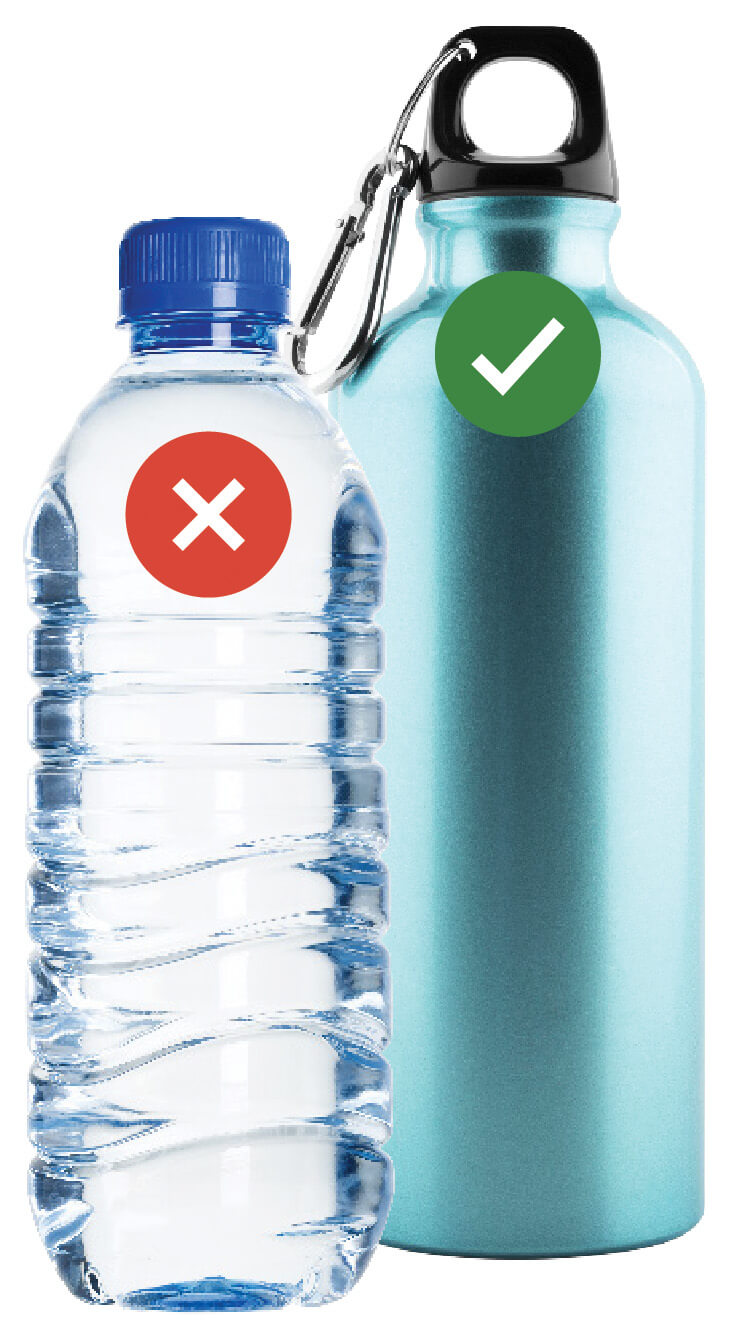
Bottle Swap!
A 2024 STUDY in The New England Journal of Medicine found microplastics and nanoplastics (MNPs) in the carotid artery plaques of patients having surgery to remove plaques. The findings suggested those with MNPs detected in their plaques had a higher risk of heart attack, stroke or death from any cause at 34 months of follow-up.
It’s impossible to avoid all MNP exposure, but there are steps you can take that can make a difference, says Zumpano. Start by ditching your bottled water for a glass or stainless steel reusable bottle—one study found an average of 240,000 plastic particles in one liter of bottled water. Zumpano also suggests not microwaving food in plastic, transferring takeout into non-plastic containers, and swapping plastic storage bags for glass storage containers.
Check out aarp.org/eatthisnotthat for our exclusive AARP e-book on healthy food swaps.