Feature STORY
The Triumph of Disco
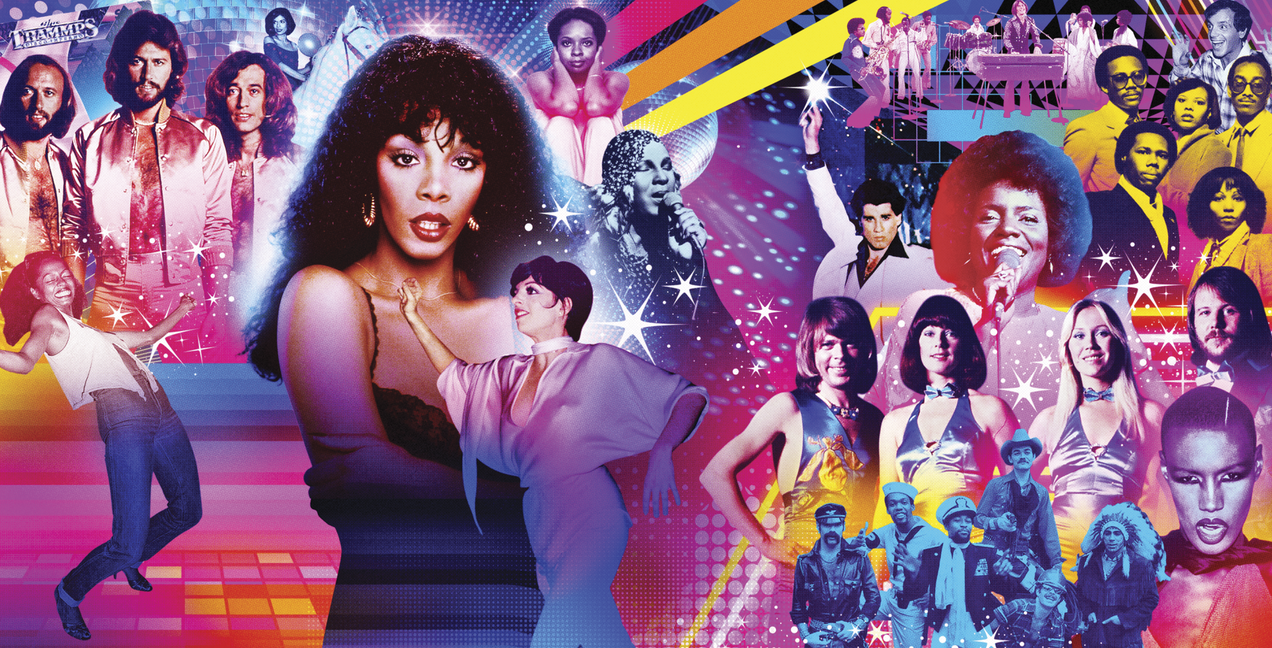
Who’s who? For a list of these disco icons, see below.
IT WAS DERIDED for years as danceable detritus. But some 50 years later, disco is finally getting the respect it deserves. Vintage dance tracks can be heard in supermarkets, on planes, at the theater—yes, that is a song from The Ethel Merman Disco Album playing before the Broadway hit Oh, Mary.
This glittery music genre that shot to popularity in the ’70s and then faced a harsh “disco sucks” backlash is now appreciated for all its thump-thump glory. Would you really want to go to a high school reunion and not hear Donna Summer’s “Last Dance”?
This mainstream acceptance was not expected when disco started about five decades ago. Sure, Donna Summer, Gloria Gaynor and the Village People eventually scored monster hits, but at its origins, this was just high-energy music, then called “danceable R&B,” meant to be played in safe spaces where marginalized groups—people of color, women, gay men—gathered to have fun together. Diversity danced beneath the disco ball.
Although disco emerged in the early ’70s, it was surging in popularity by 1975 and ’76, with such chart hits as Silver Convention’s “Fly, Robin, Fly,” Vicki Sue Robinson’s “Turn the Beat Around,” Andrea True Connection’s “More, More, More” and others.
The following year, the mirror ball really got spinning. The feature film Saturday Night Fever premiered in December 1977, making a superstar out of a white-polyester-clad John Travolta and getting the country boogying to the Bee Gees. (I saw the English Aussie superstars at Madison Square Garden in September 1979—I still have my ticket stub!) Earlier that year, a Newsweek cover story headlined “Disco Takes Over” estimated that 20,000 discotheques had opened in the U.S. My local club was the Strawberry Patch in Wayne, New Jersey, and you bet I went to their alcohol-free “teen disco” events every Sunday afternoon. It seemed like this party would never end.
But disco’s downfall began when a Chicago shock jock staged a radio promotion called Disco Demolition Night at a baseball doubleheader in July 1979. More than 50,000 people showed up and started a riot. Rock critics, most of whom had discounted disco all along, felt vindicated by its supposed demise (although the music kept going strong in Europe and Australia). It would be decades before they admitted that disco had, in fact, laid the groundwork for new wave and hip-hop.
As we celebrate a half-century of disco, it’s time to realize that disco never really died. It just went into hiding for a while, assuming different names like house music, techno and EDM (electronic dance music). And many of today’s young pop stars proudly incorporate disco beats into their hit songs. Harry Styles’ latest album, for instance, is called Kiss All the Time. Disco, Occasionally. As a current T-shirt philosophy puts it: “Disco doesn’t suck. You just can’t dance.” There are lessons to help with that. Only now, instead of at Arthur Murray, they’re on TikTok.
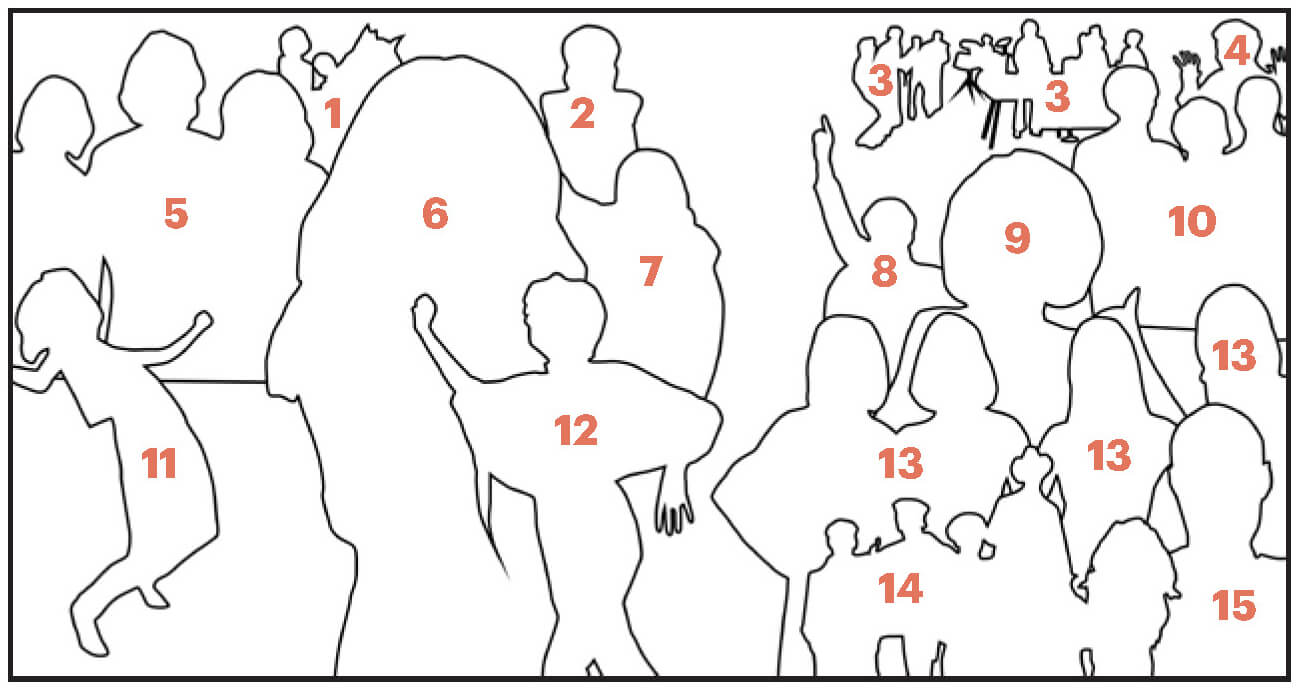
1 Bianca Jagger, 2 Thelma Houston, 3 KC and the Sunshine Band, 4 Steve Rubell, 5 Bee Gees, 6 Donna Summer, 7 Sylvester, 8 John Travolta as Tony Manero, 9 Gloria Gaynor, 10 Chic, 11 Diana Ross, 12 Liza Minnelli, 13 ABBA, 14 Village People, 15 Grace Jones.
Frank DeCaro is a former contributor to The Daily Show and the author of Disco: Music, Movies, and Mania Under the Mirror Ball.
ON THE RADIO
10 DYNAMITE DISCO HITS
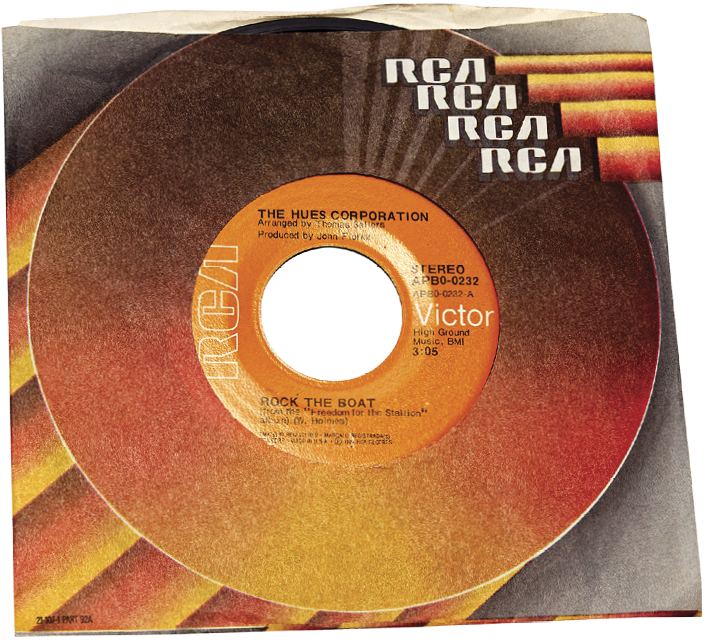
1974
“Rock the Boat”
The Hues Corporation
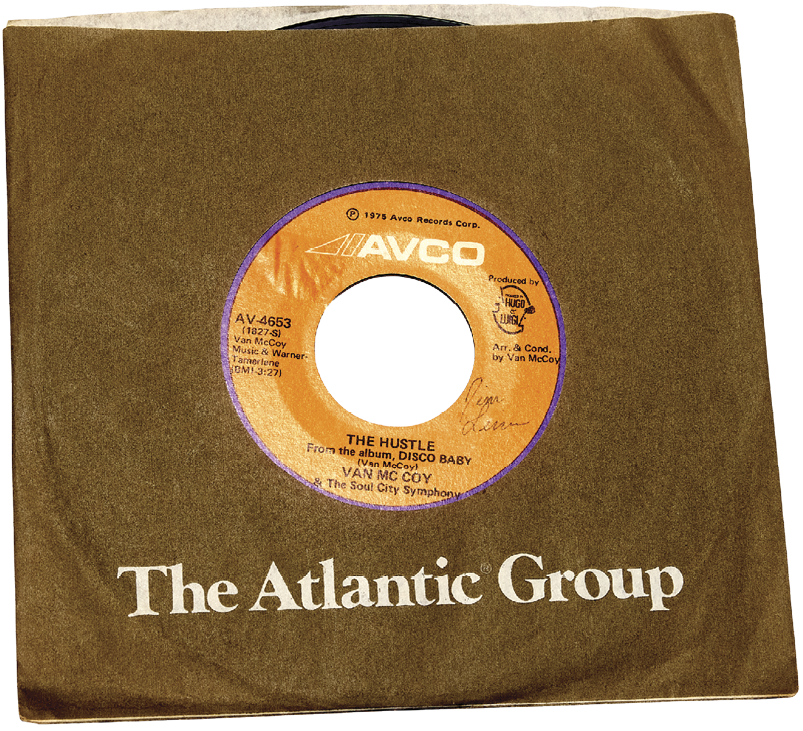
1975
“The Hustle”
Van McCoy
1976
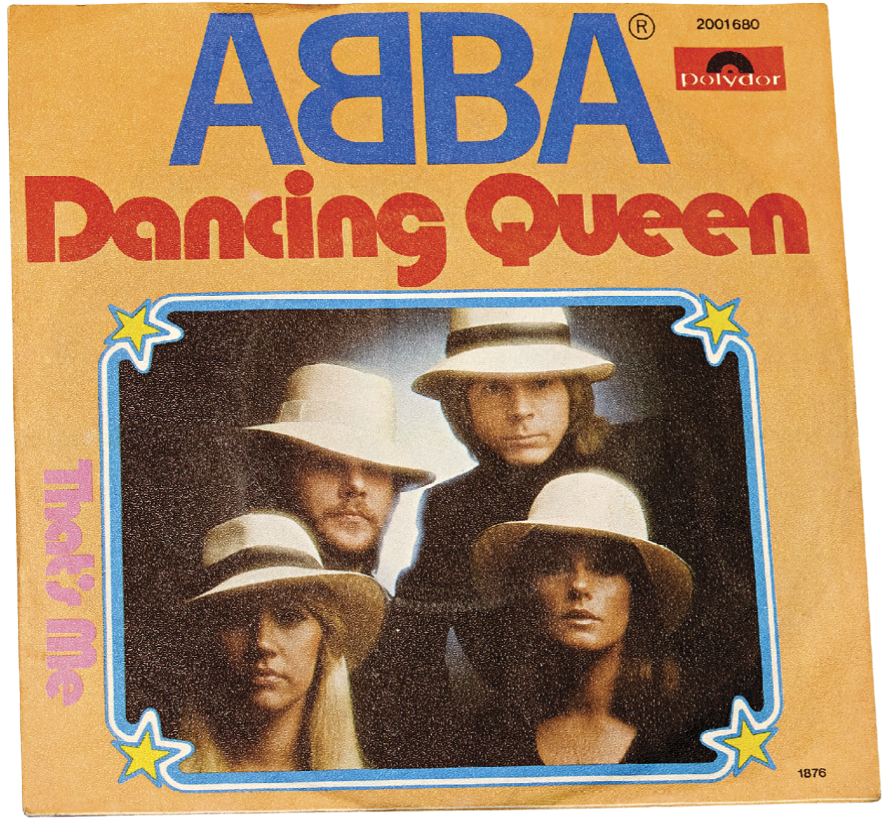
“Dancing Queen”
ABBA
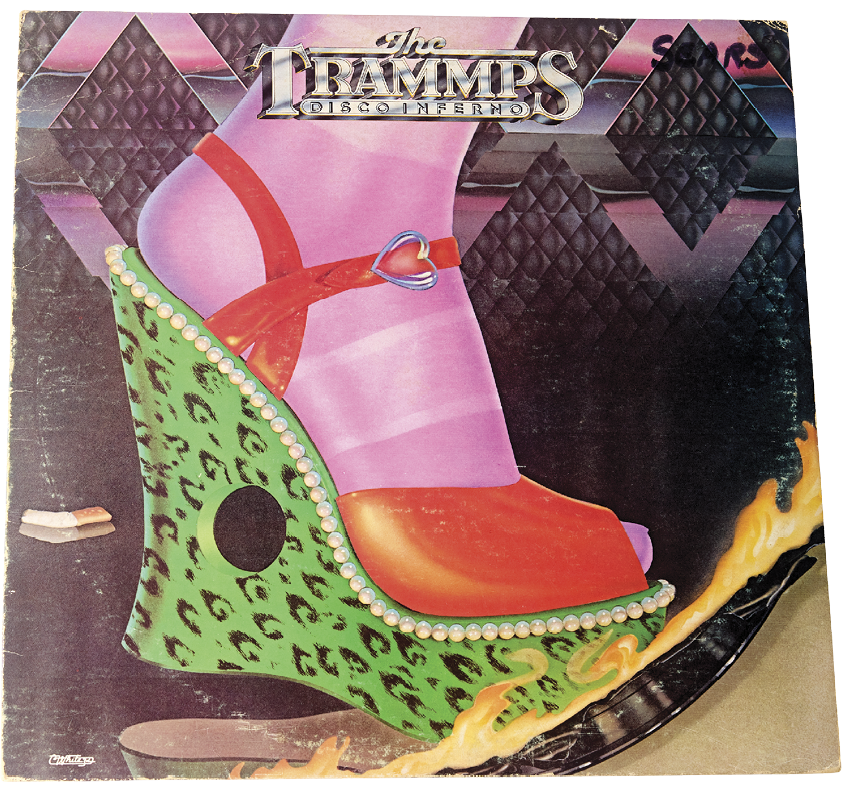
“Disco Inferno”
The Trammps
1977
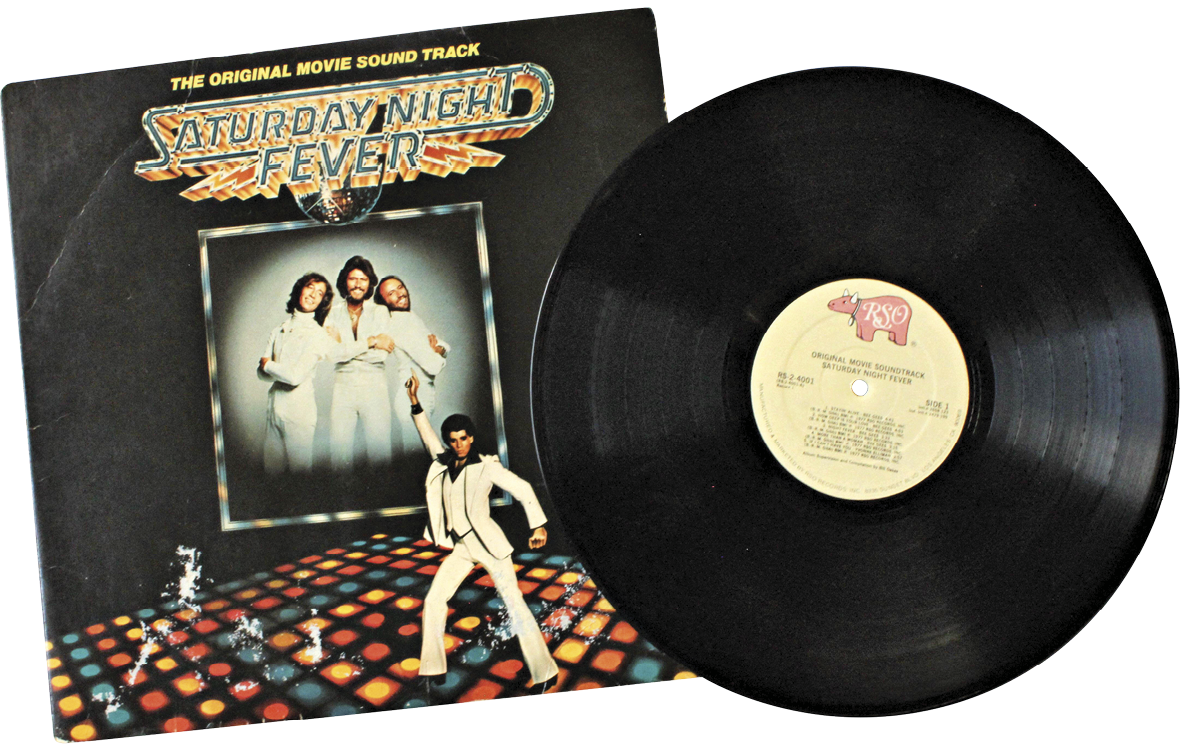
Saturday Night Fever soundtrack
Bee Gees and others
1978
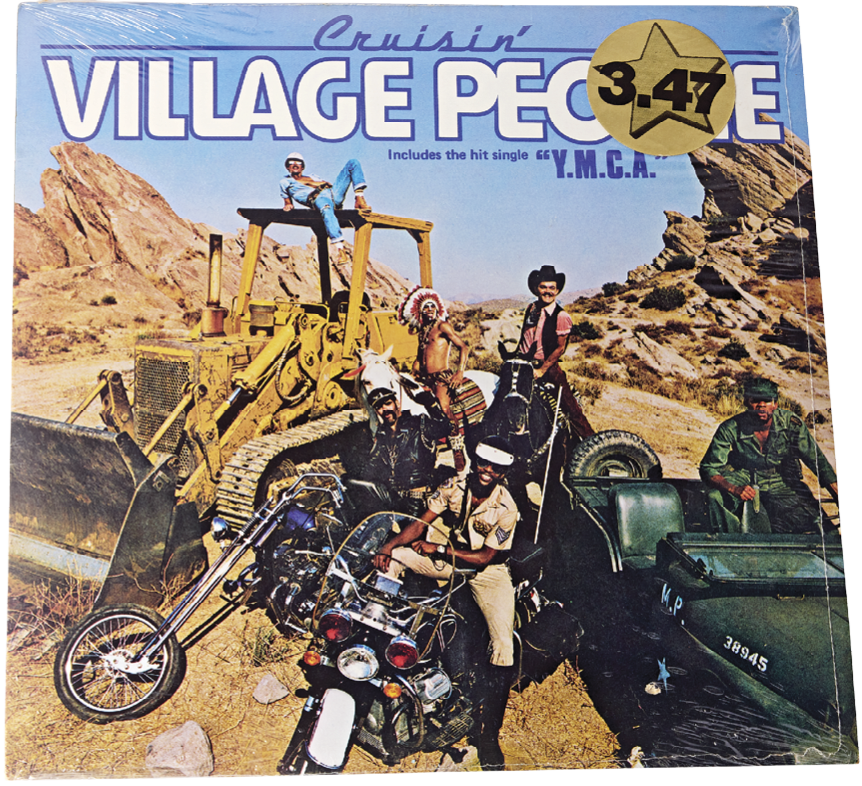
“Y.M.C.A.”
Village People
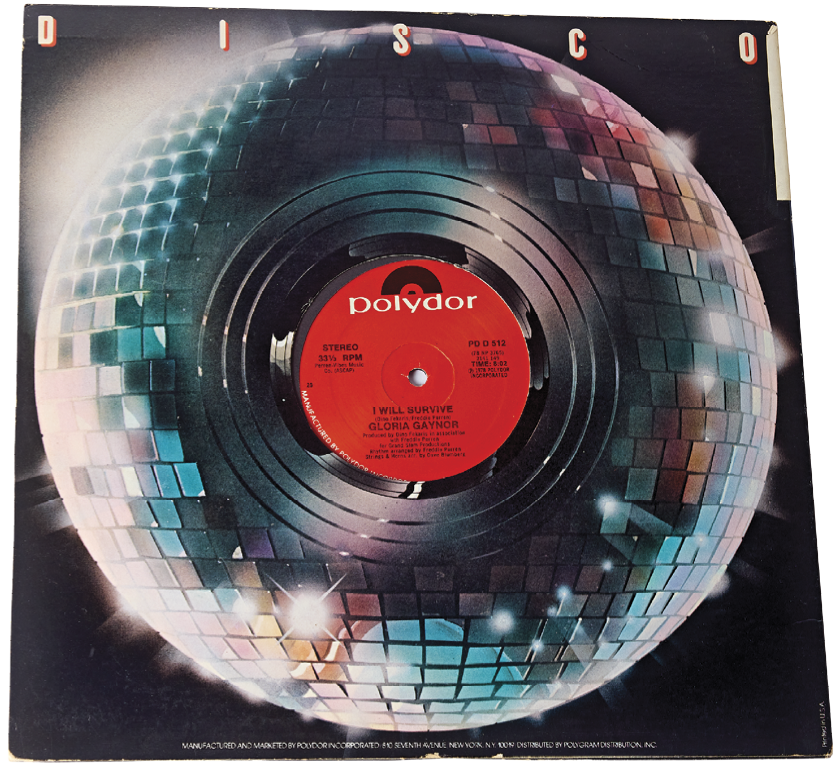
“I Will Survive”
Gloria Gaynor
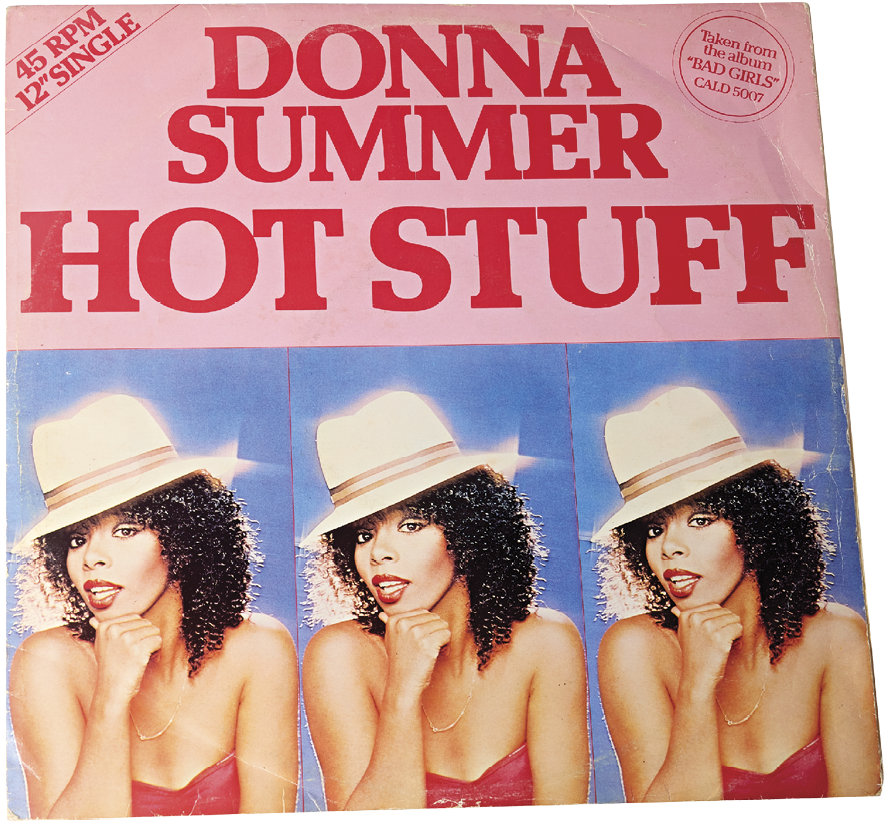
1979
“Hot Stuff”
Donna Summer
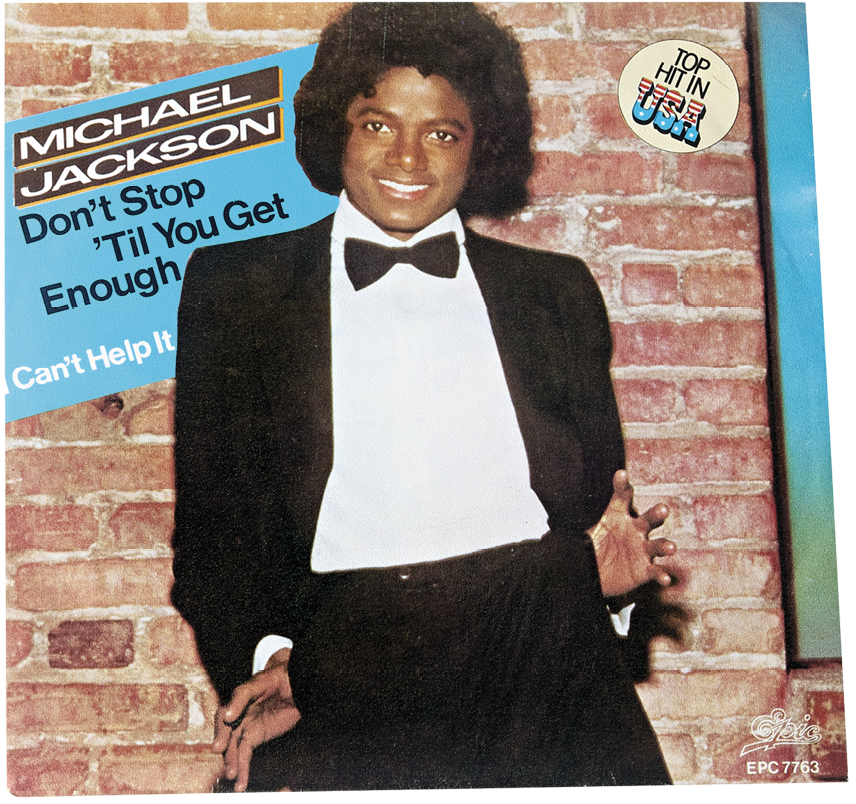
“Don’t Stop ’Til You Get Enough”
Michael Jackson
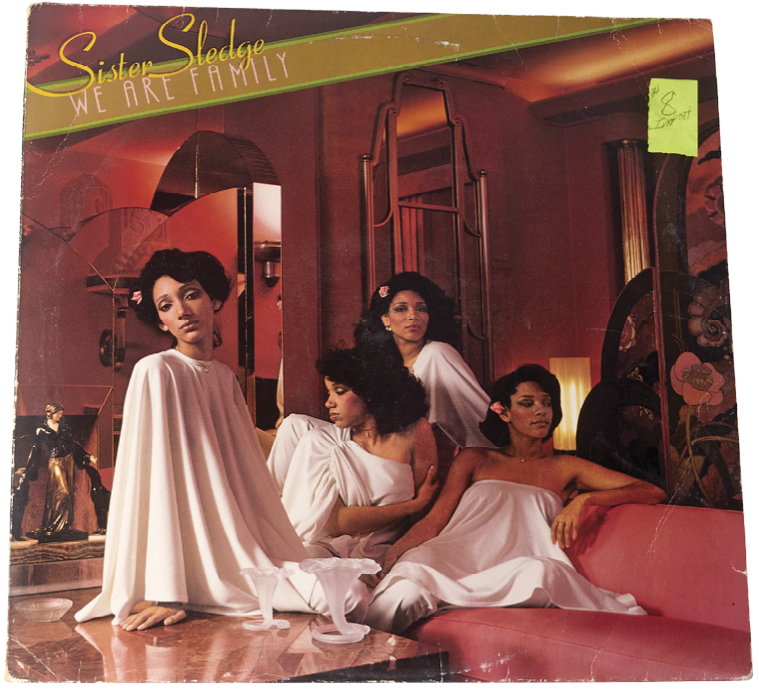
“We Are Family”
Sister Sledge
HITMAKERS!
NILE RODGERS OF CHIC
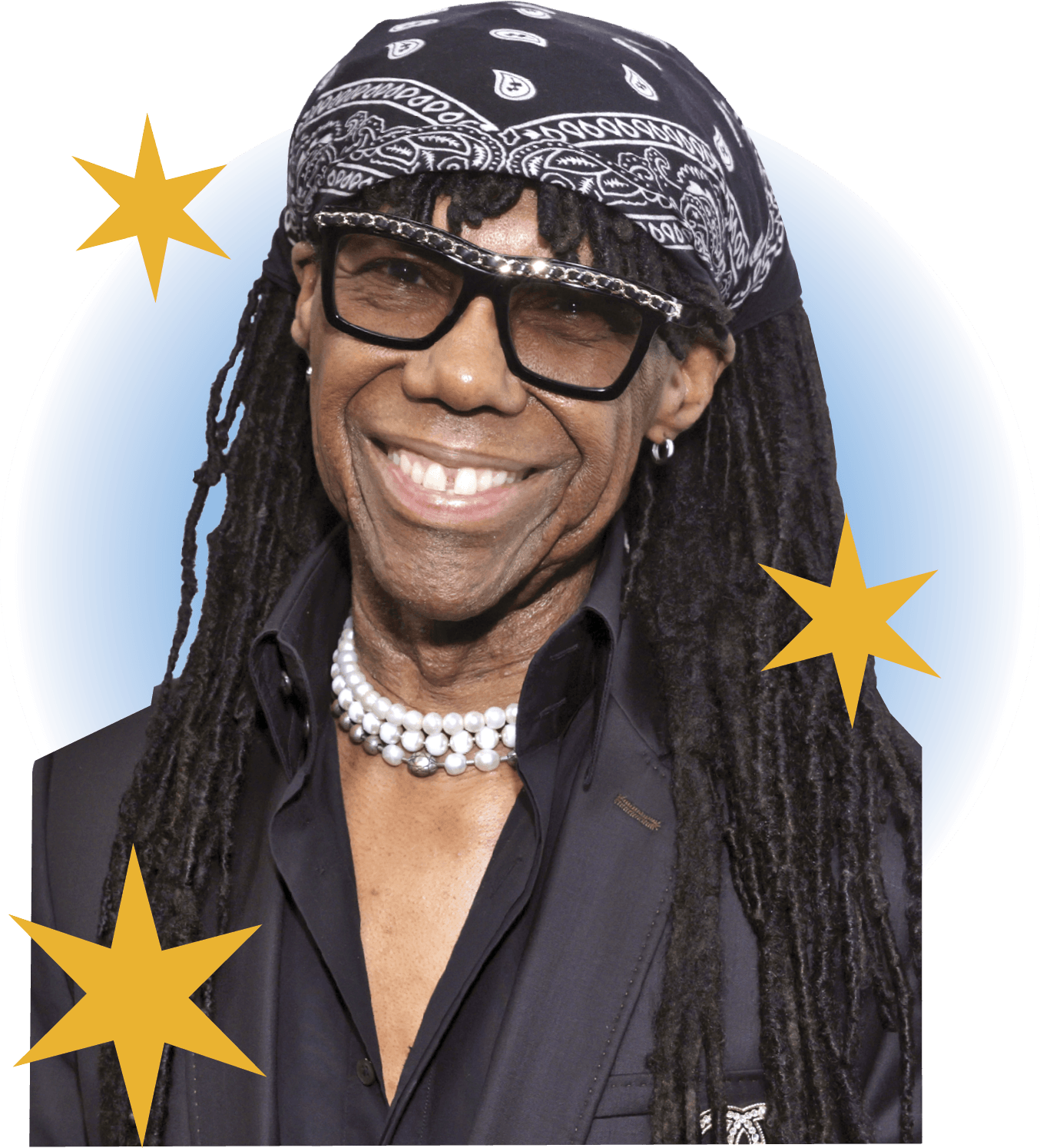
HITS INCLUDE:
★ “LE FREAK” (1978)
★ “GOOD TIMES” (1979)
Was disco revolutionary?
It was super revolutionary. It was a celebration of movements in the activist community. Our world was about women’s rights, gay rights, equal rights for people of color and societal ills we wanted to correct.
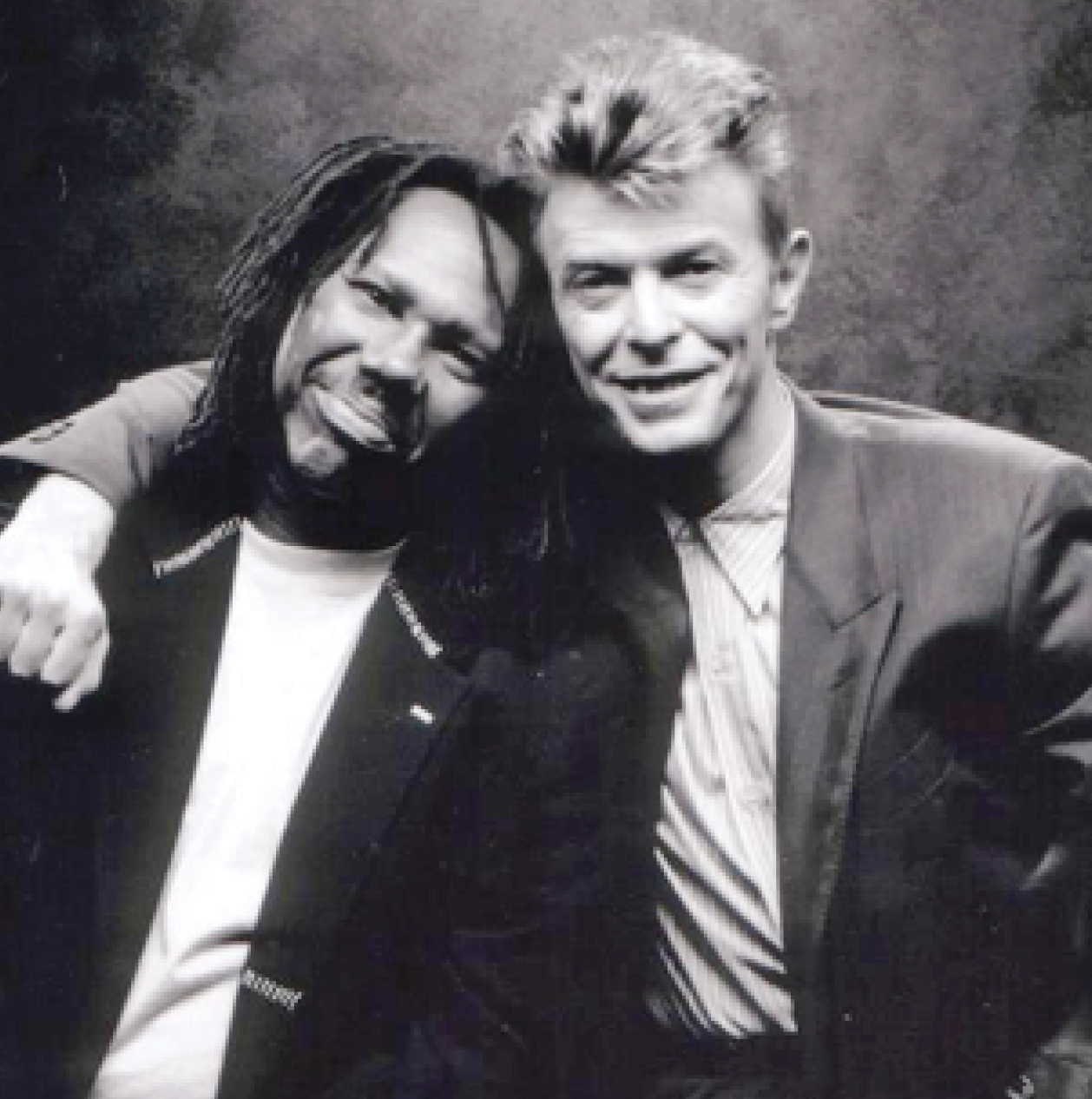
With David Bowie
In 1980, Chic stopped having hit singles. But you stayed on the charts by writing, producing or playing with other artists, from Diana Ross and David Bowie to Madonna and Daft Punk. Does that mean disco never died?
Disco, as a movement, died, but dance music will never go away—it makes you want to move. Disco is alive in me, for sure. And not just me. I played “Le Freak” with Dua Lipa last year at Madison Square Garden. She started crying. It was amazing to see an artist of that caliber so moved by hearing a band play a song.
HARRY WAYNE CASEY OF KC & THE SUNSHINE BAND
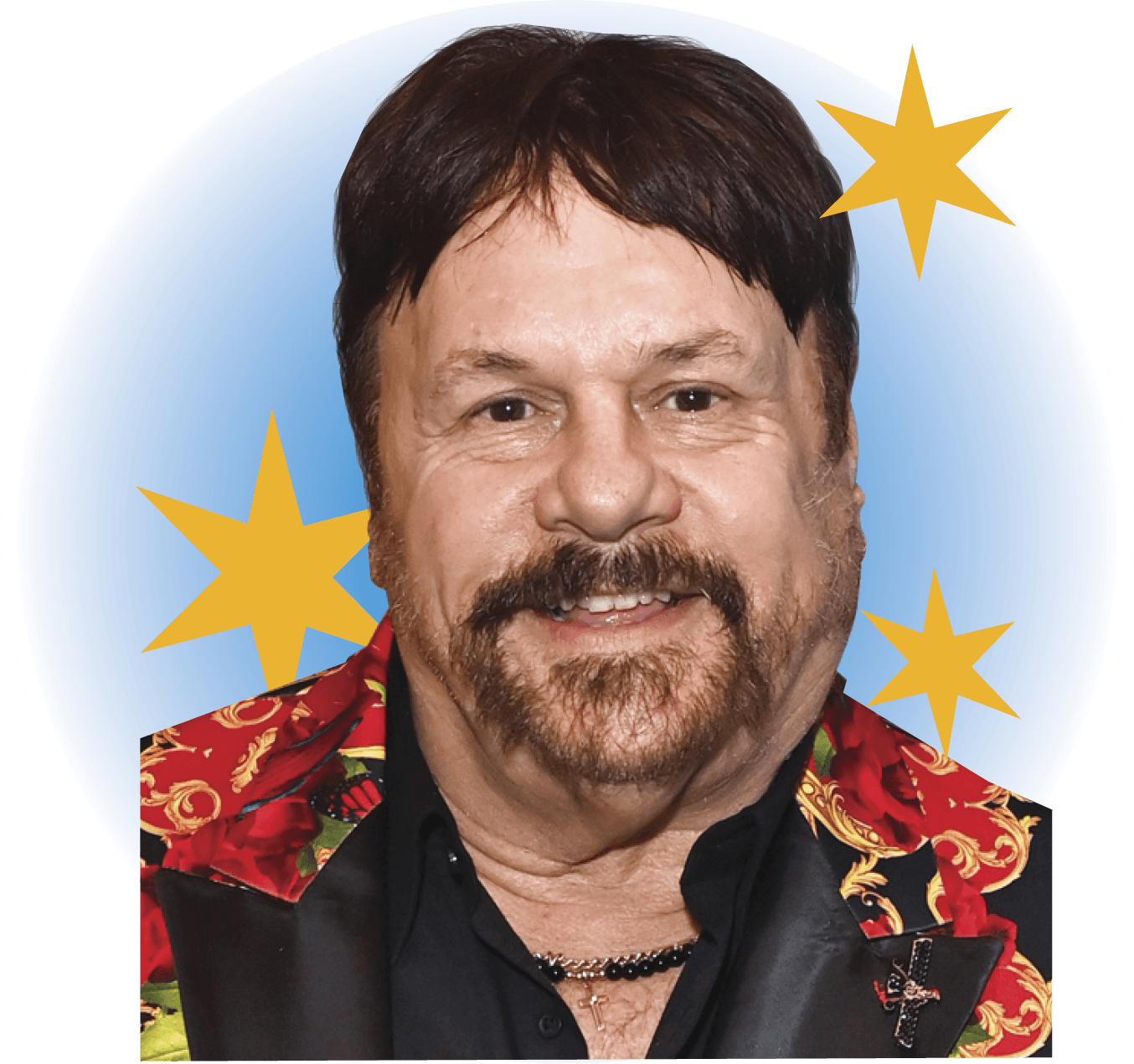
HITS INCLUDE:
★ “GET DOWN TONIGHT” (1975)
★ “THAT’S THE WAY (I LIKE IT)” (1975)
You’ve likened your success to Beatlemania but also said it was the loneliest time of your life.
I remember feeling like a caged animal, in a way. I couldn’t go places without being mobbed. I’d be in a hotel after our shows, and there would be 5,000 kids waiting out front.
Did you intend “Shake Your Booty” as a song of encouragement?
Yes. “Don’t fight the feelin’ / Give yourself a chance.” Have a good time! Give yourself a chance to enjoy life.
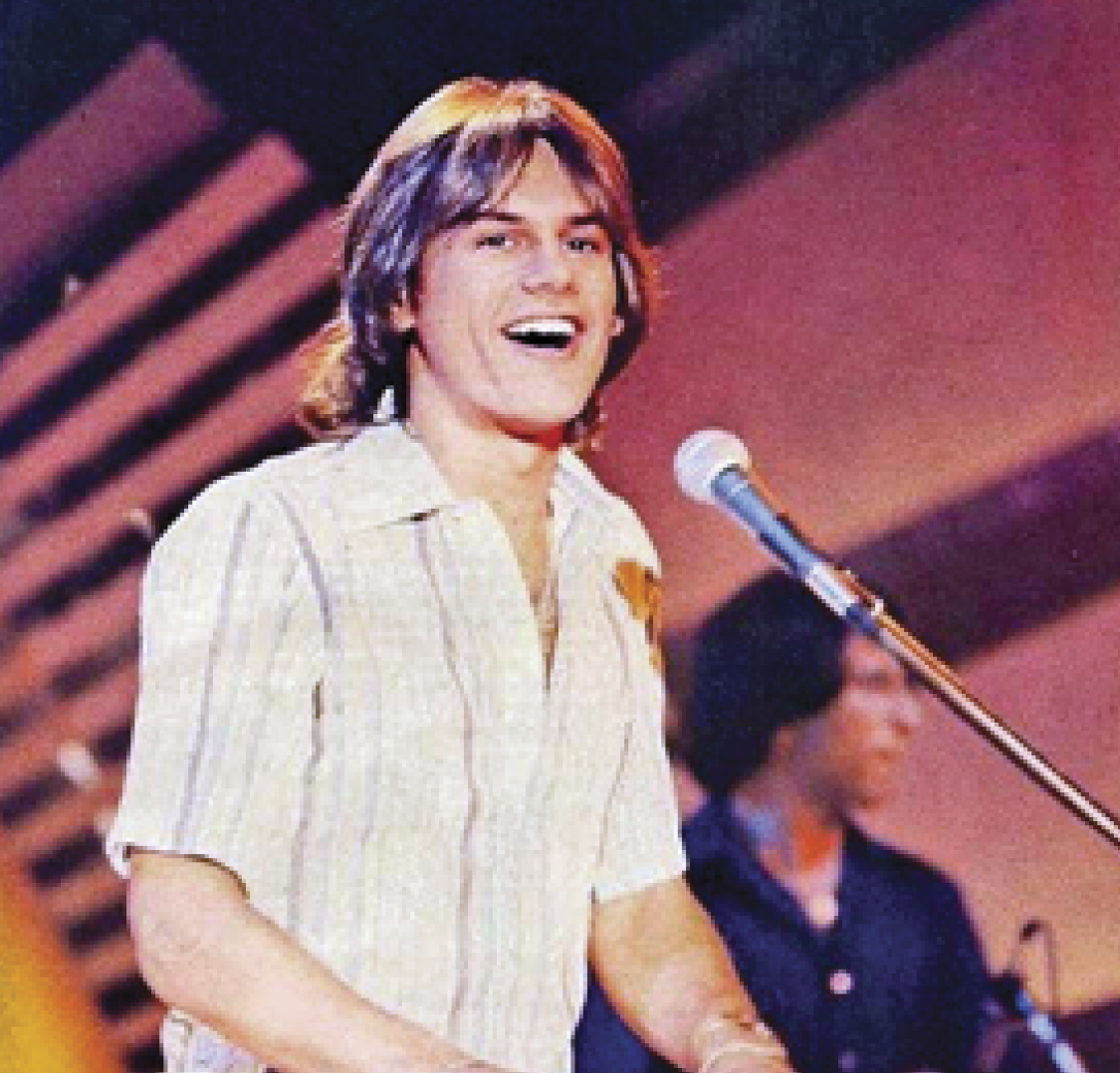
Do you think the ubiquity of Saturday Night Fever in 1977 helped create the backlash against disco?
It wasn’t any different than when everyone went after Elvis Presley or the Beatles. Disco was such a strong change in the direction of music that it was threatening to other people. The backlash was about rockers feeling like their music was being taken away.
THELMA HOUSTON
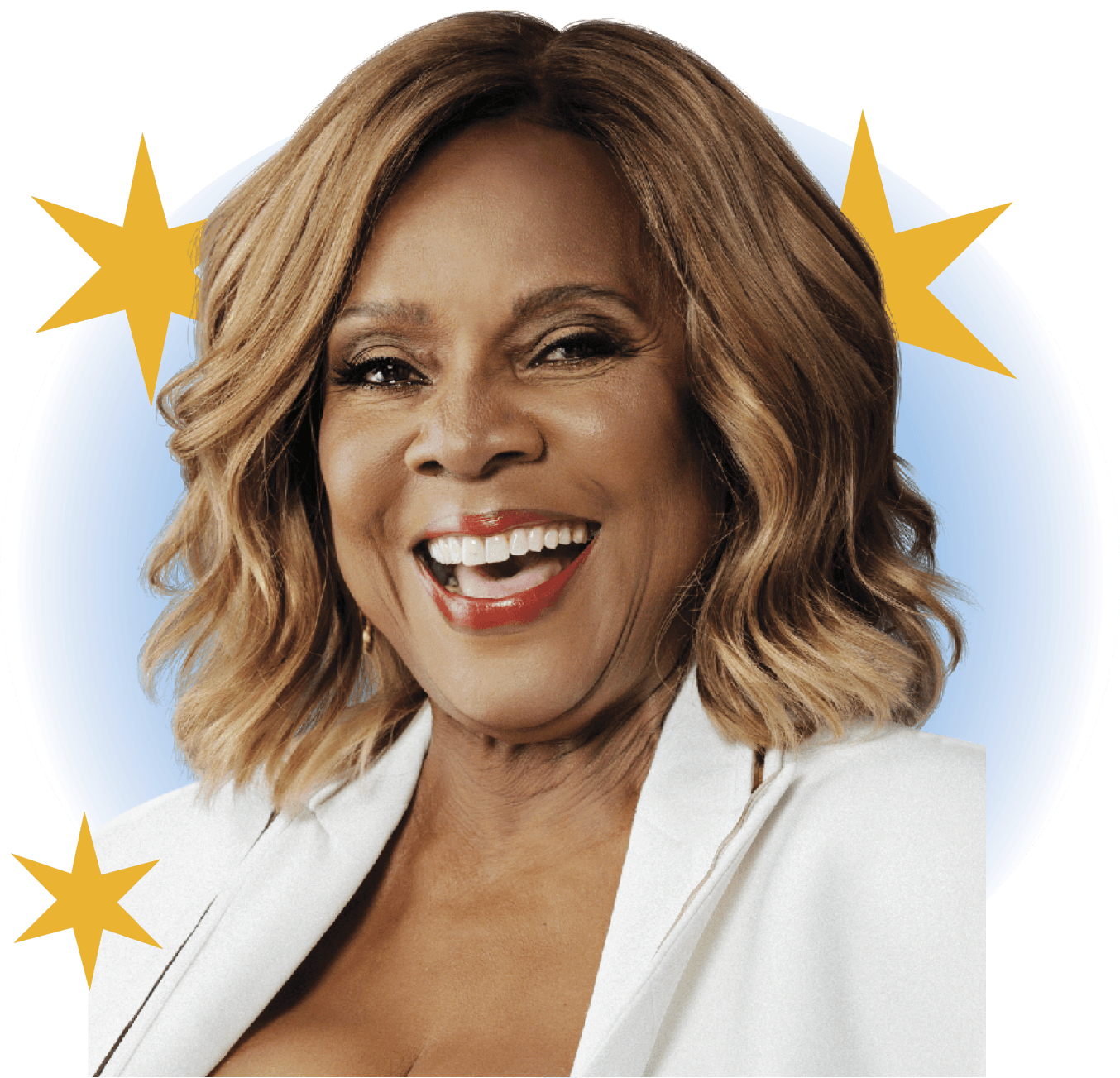
HITS INCLUDE:
★ “DON’T LEAVE ME THIS WAY” (1976)
★ “SATURDAY NIGHT, SUNDAY MORNING” (1978)
The biggest hit of your career was a disco song, but you’re not really a disco singer, are you?
I’m not. But when “Don’t Leave Me This Way” came out, people associated me with the disco era. That’s where I’ve been ever since, according to people’s beliefs.
Disco had the reputation of being a producer’s medium, rather than a singer’s medium.
It did, and when every single song started to sound the same, that ruined it. I recently did a gig with the Trammps, A Taste of Honey and Rose Royce, and these people still sound good! It wasn’t like everybody who sang disco was not a good performer or singer.
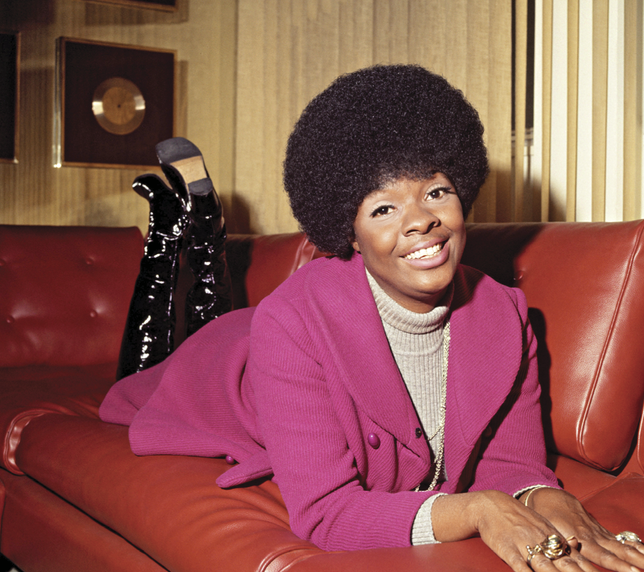
I’ve seen videos, and your voice still sounds great at 83.
That’s because I didn’t party all the time back in the ’70s! Plus, I still do vocal exercises with a teacher, because I want to keep doing this. —Interviews by Rob Tannenbaum
INSIDE STUDIO 54
BEYOND THE VELVET ROPE
The glitzy nightclub was disco’s ground zero
BY ROB TANNENBAUM
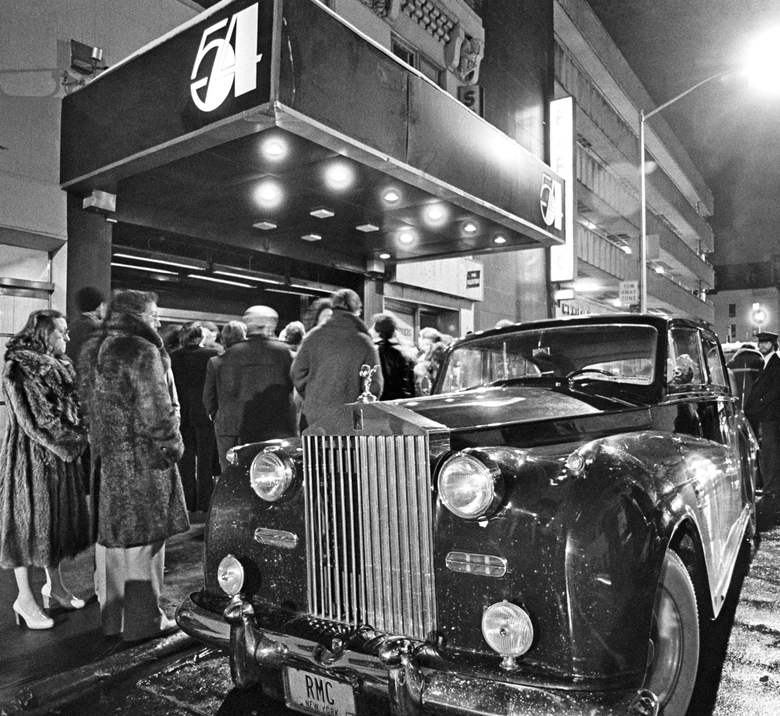
ONE NIGHT in 1977, Sandy Linter heard about a new club at 54th Street and Eighth Avenue in Midtown Manhattan, put on a chic, colorful Fiorucci skirt, inched her way past eager patrons queued outside and found herself inside what felt like paradise in the late ’70s. “It was oozing with glamour,” recalls Linter, 78, a renowned makeup artist who has worked with such photographers as Richard Avedon. “I’d never seen anything like that in my life. I went as often as I could.” That club, now so legendary as to be synonymous with the disco era, was Studio 54.
From its April 1977 opening until owners Steve Rubell and Ian Schrager closed the club in early 1980 (after pleading guilty to income tax evasion), Studio 54 was a decadent gathering spot for models, rock stars, actors, designers, political figures and other bigwigs and hotshots.
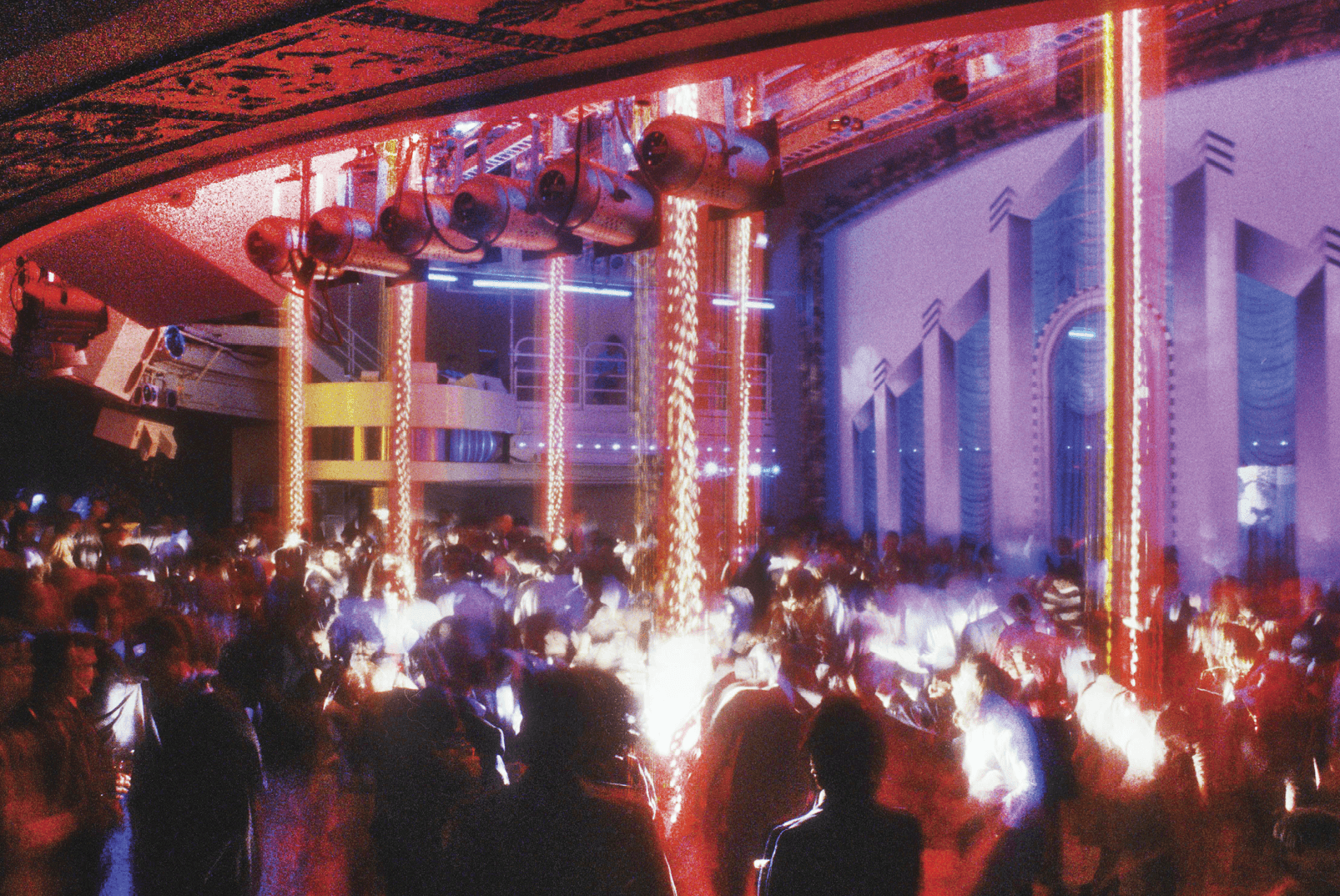
INSIDE THE CLUB
“Studio,” as insiders called it, had a 5,400-square-foot dance floor, 85-foot-high ceilings, strobe lights and a sculpture of the man in the moon with a cocaine spoon.
Five nights a week, from 10 p.m. to 4 a.m., Marc Benecke decided who had the right vibe to get in. Now 69, Benecke looks back with chagrin at his former job and the task of turning people away. “We ruined a lot of people’s nights. There’s no way around that.”
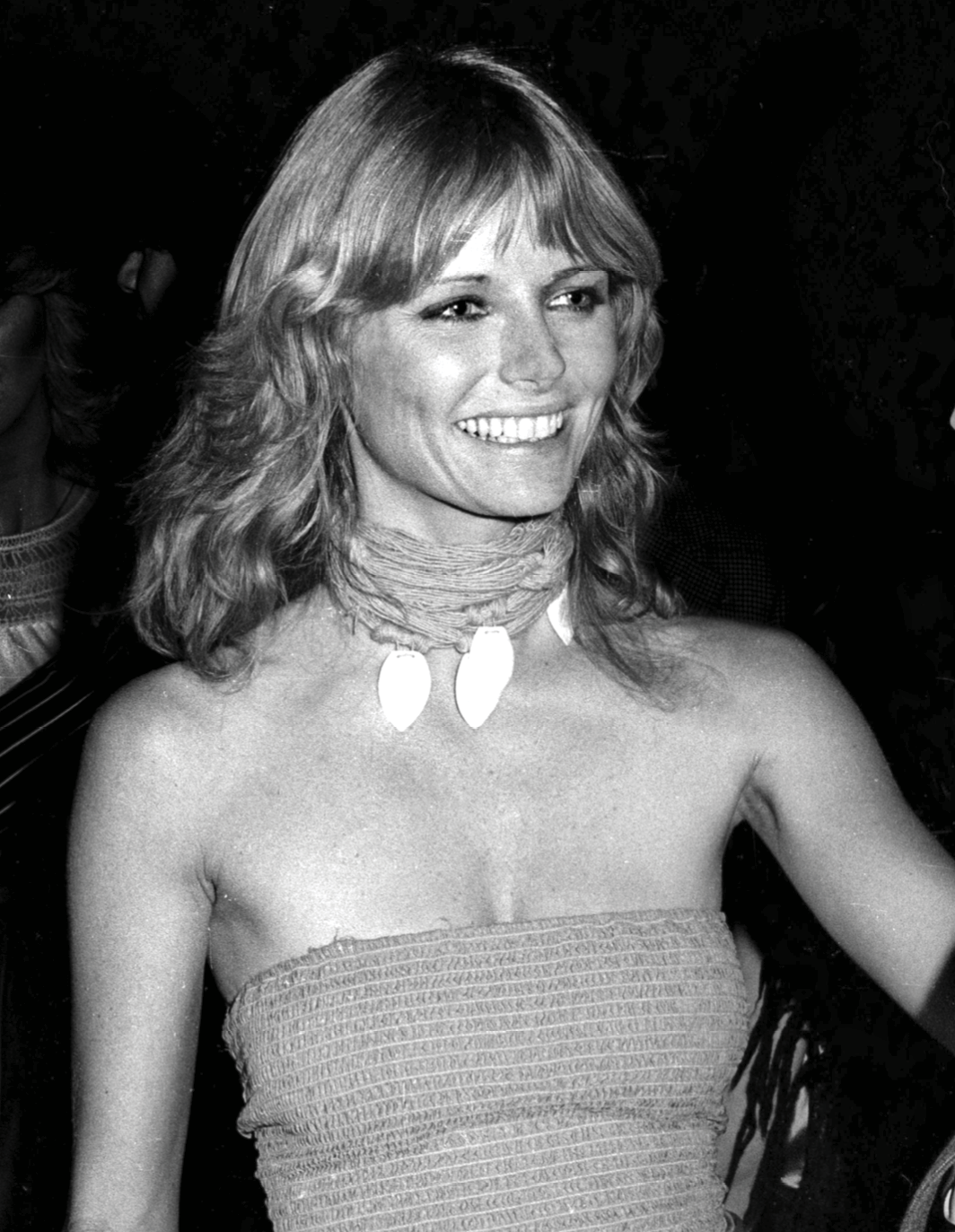
A SUPERMODEL’S ATTRACTION
Cheryl Tiegs, above, now 78, one of the first fashion supermodels, was a regular. “The music was like the thumping of a heartbeat, which was comforting and wild at the same time,” she says. “It was a feeling: a feeling of freedom. A feeling of everything being OK. A feeling of no judgment. Those were nice feelings.”
Rob Tannenbaum is the former music editor for Blender magazine who has also written for GQ, The New York Times Magazine, Rolling Stone, Details, New York Magazine and Spin.
’70s FASHION
GET DOWN WITH THESE LOOKS
BESIDES THE MUSIC, what do we remember about the era? The clothes! It was about “standing out and being flamboyant,” says design historian Sonya Abrego. “People wanted to be more expressive”—and make an impression in a nightclub.
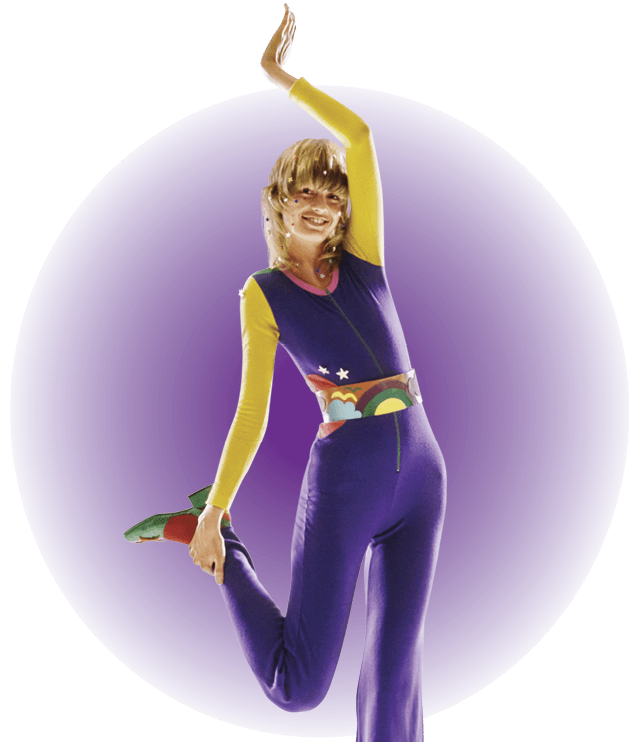
JUMPSUITS
“A full-body jumpsuit in a stretch synthetic works like a leotard—which we also saw on dance floors—in how it molds to the body and creates a lean silhouette,” Abrego says.
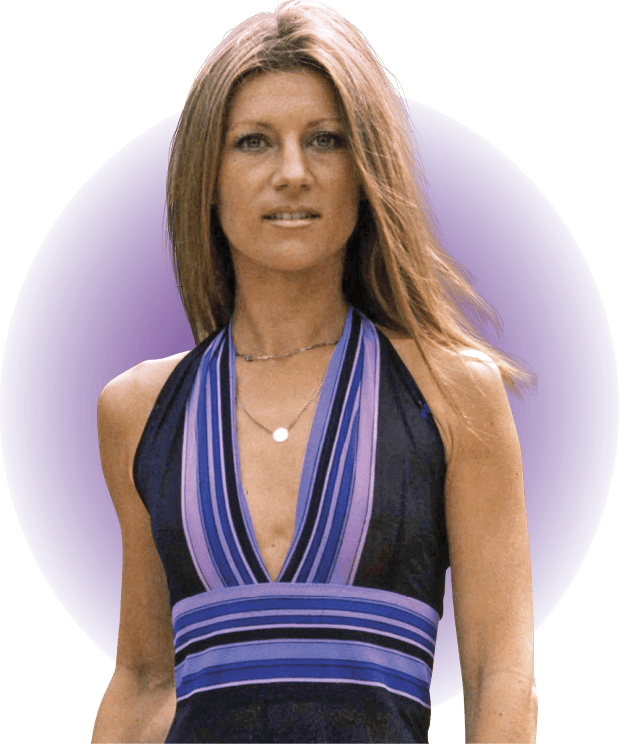
HALTER TOPS
These are “a style that is easy to wear and adjusts to fit while still being revealing. It makes sense with the more body-conscious styles of the time,” she says.
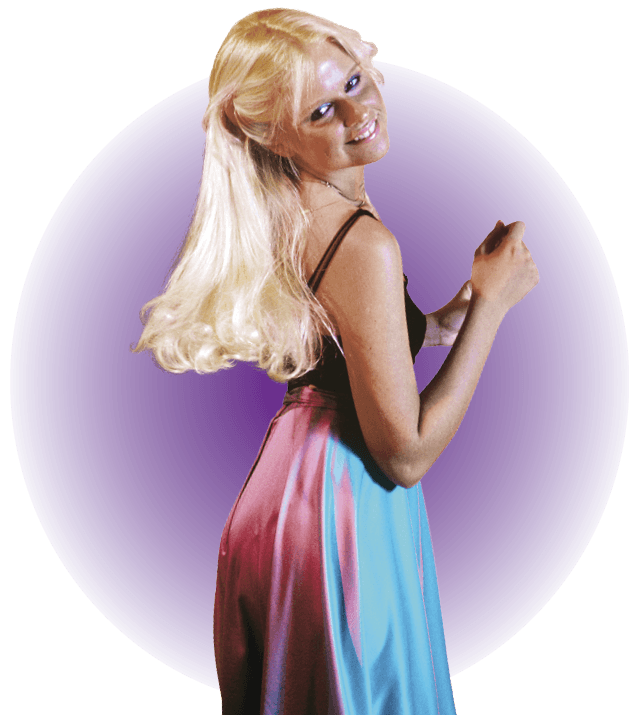
DRESSING UP
“Dresses ranged in length, but we saw a lot of flowing, fluid skirts that showcased movement. Lots of uneven hemlines and flounced edges with high slits,” Abrego says.
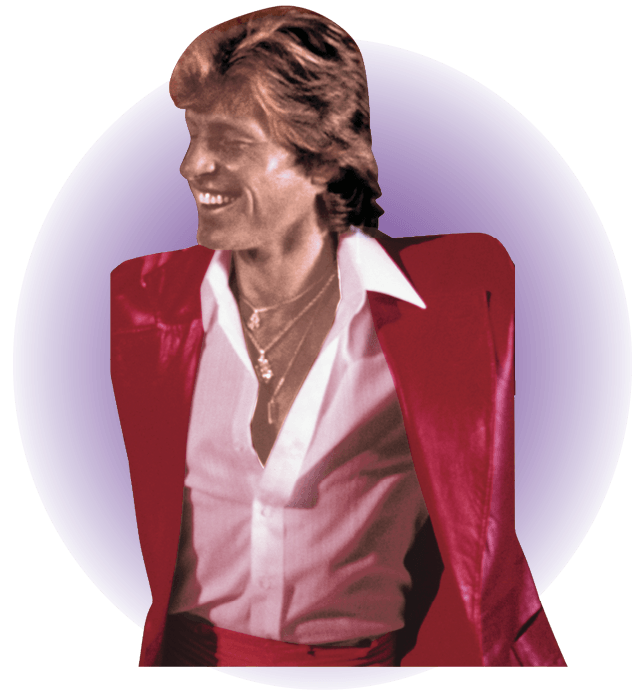
WIDE-LAPEL SUITS/DAGGER COLLARS
Dagger collars on men’s shirts were another go-to. “That is borrowing straight out of 1930s aesthetics but repackaged” for the era, she says.
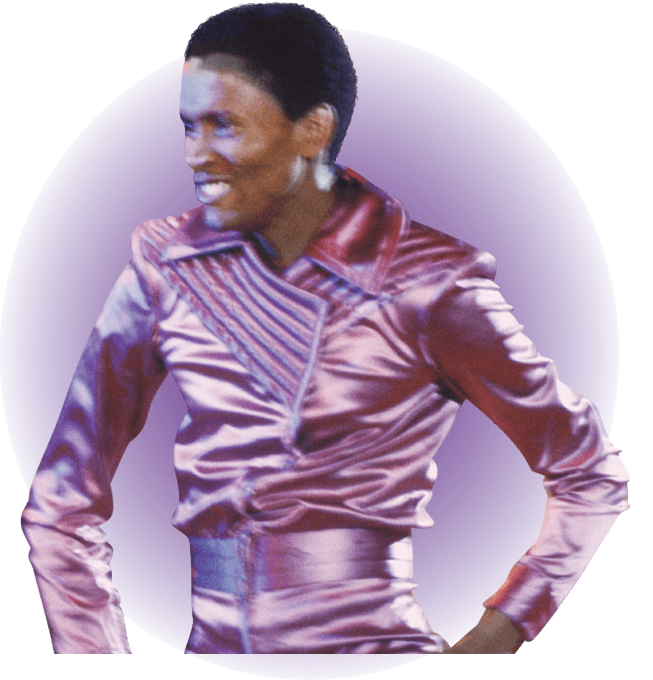
‘PEACOCK’ LOOKS FOR MEN
This meant more colorful menswear: bright prints and patterns. Also, flared pants, half-buttoned shirts, higher heels and medallions were popular looks.
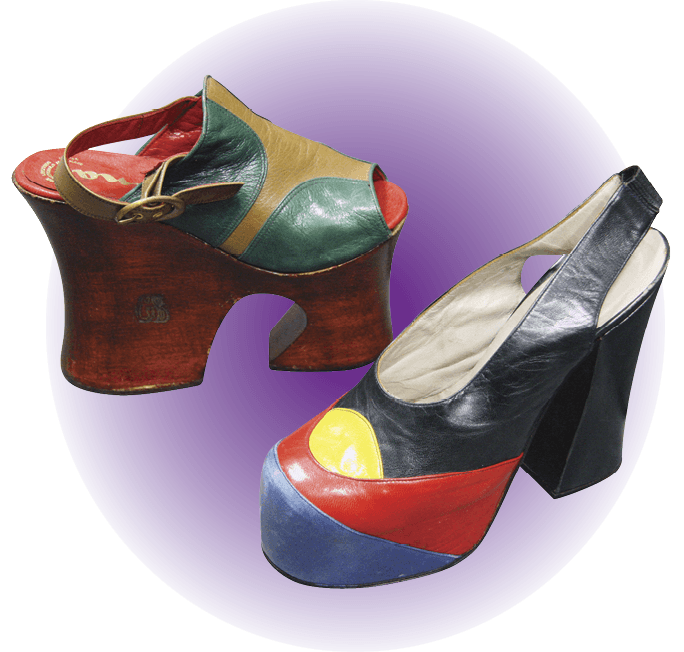
PLATFORM SHOES
This look started with rock stars. “By the time you get to disco, it was becoming more acceptable for guys to bring that into their wardrobes on the weekend,” she says. —Maisy Fernandez
ROCKERS GO DISCO
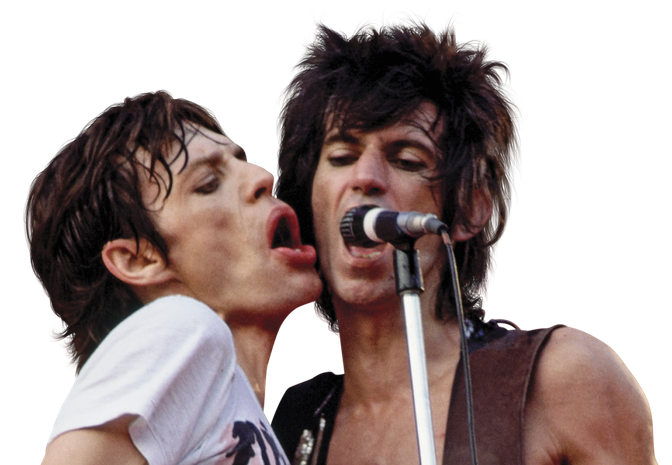
ROLLING STONES
“Miss You” (1978)
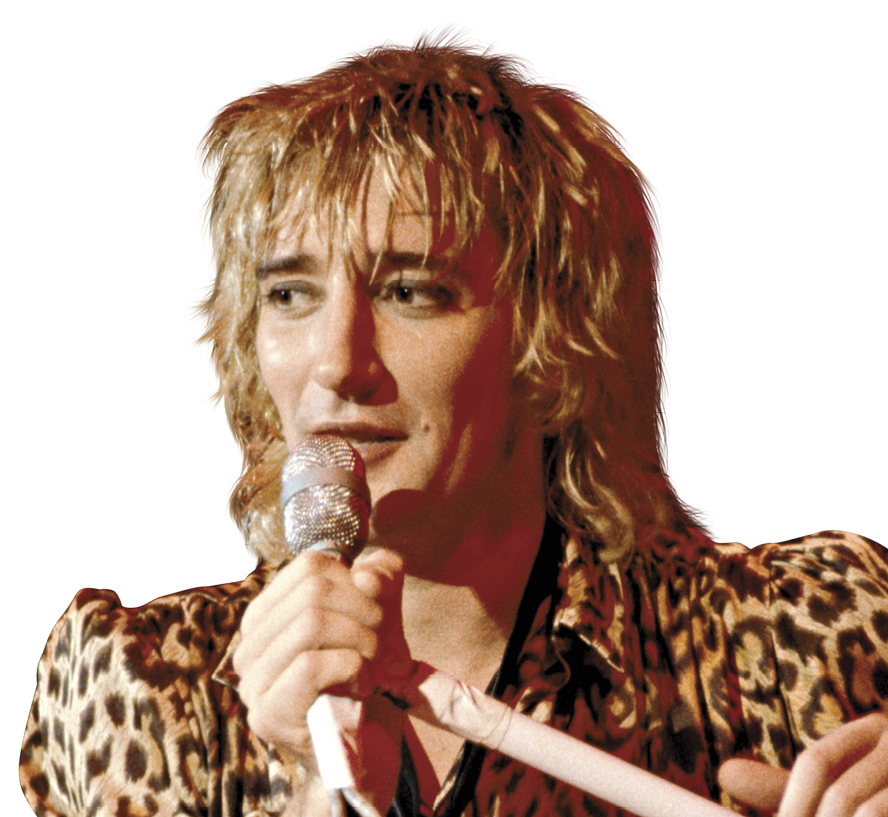
ROD STEWART
“Da Ya Think I’m Sexy?” (1978)

BLONDIE
“Heart of Glass” (1978)
THE LEGACY
THE BEAT GOES ON
DISCO CONTINUES to shape-shift and evolve to this day. “Disco is all-pervasive as a subterranean force going into every other kind of music,” says Michaelangelo Matos, author of The Underground Is Massive: How Electronic Dance Music Conquered America.
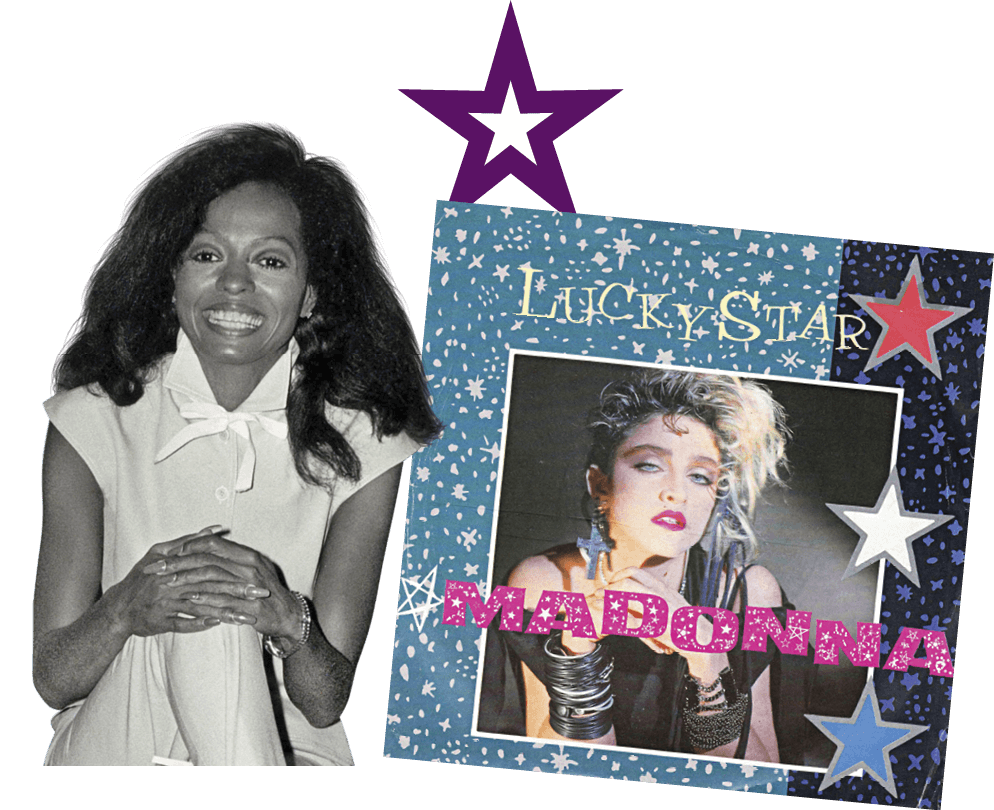
’80s
Disco in the clubs morphed into an electronic genre called house. It also found a new home in pop music but without the D-word: Michael Jackson (“Thriller”), Diana Ross (“Upside Down”) and Madonna (“Lucky Star”) released disco-inspired songs.
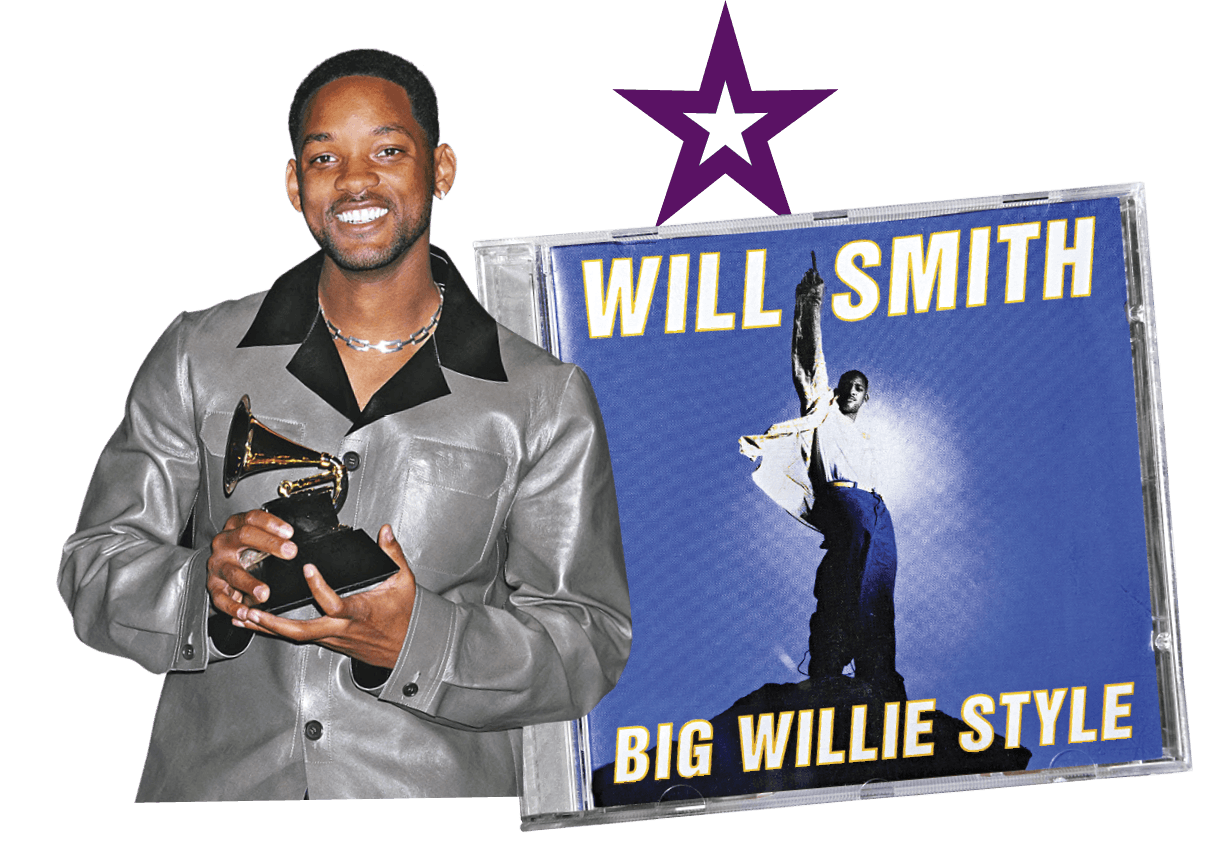
’90s
Rap pulled from the past. Listen to Will Smith’s “Gettin’ Jiggy Wit It” and you’ll also hear Sister Sledge. Tim Zawada, owner of Chicago record label Star Creature, calls it a “constant whirlwind of things being discovered, reinterpreted and sampled.”
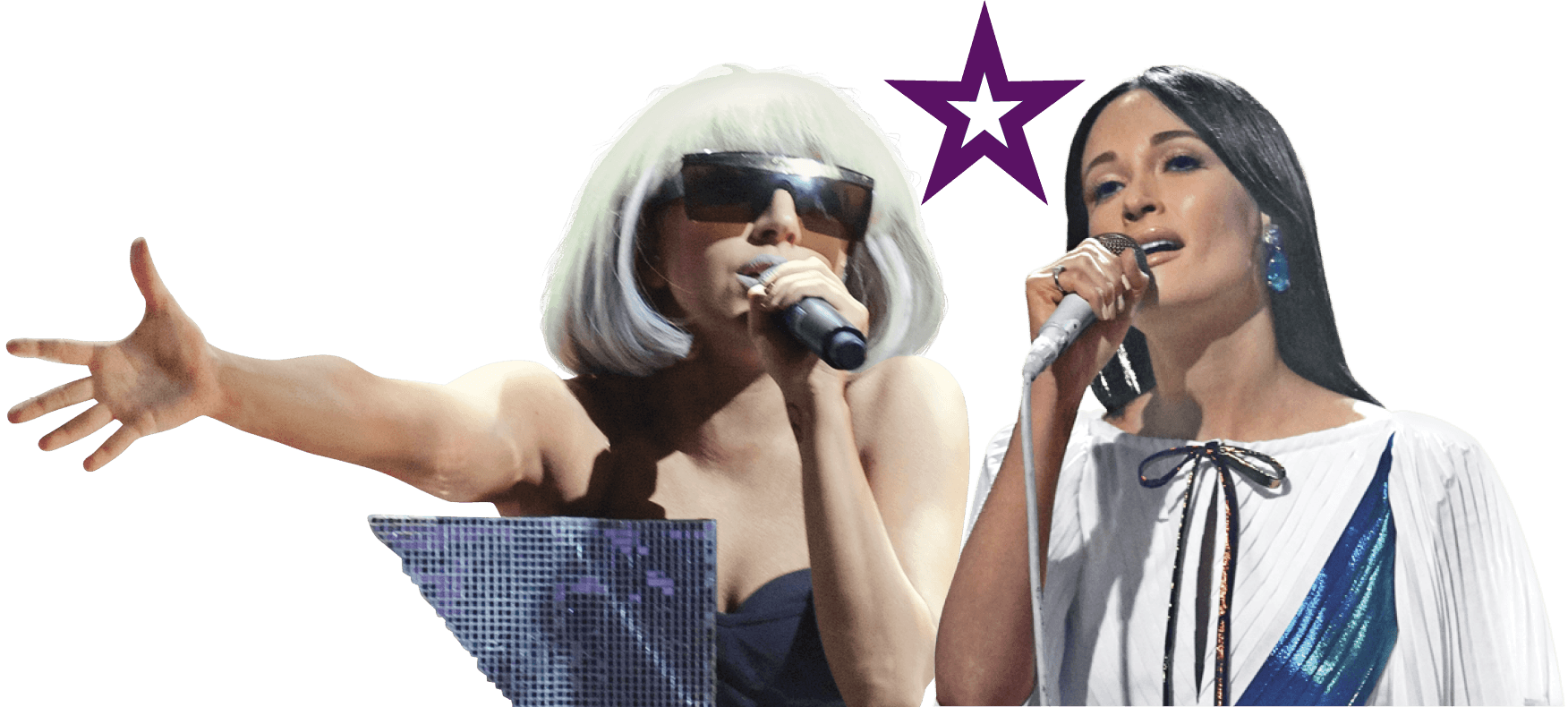
2000s/2010s
Into the 21st century, artists like Lady Gaga and Kesha started practicing a sort of modern disco. And artists across genres such as rap (Nicki Minaj), country (Kacey Musgraves) and R&B (Usher) experimented with their own disco-infused tracks.
2020s
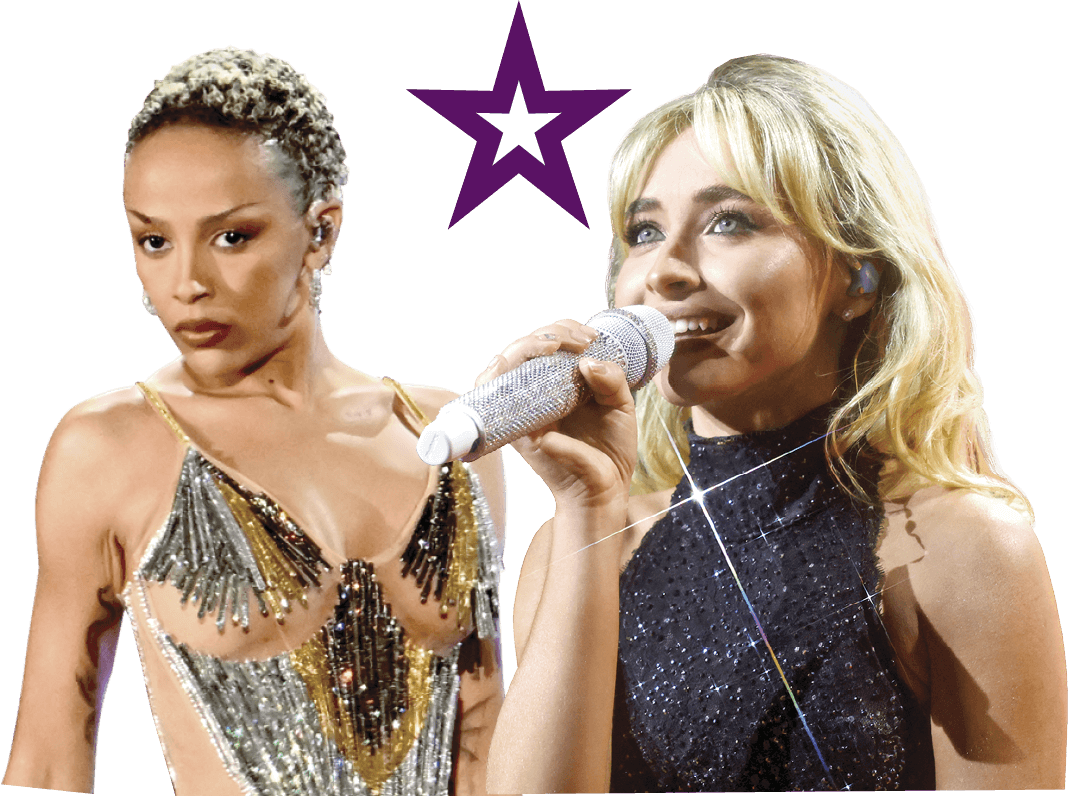
Dua Lipa, Doja Cat and Sabrina Carpenter have released danceable tracks that in an earlier era might have been called disco. “It’s so common that I don’t think people really give it much thought anymore,” Zawada says. —Britt Julious