Healthy You
Leaner Body, Fatter Wallet!
Simple supermarket swaps that will save you—in every way imaginable
EATING WELL sure seems to cost a lot these days: You want to feed your family healthy food, but you also want to keep an eye on your budget. Sometimes it feels like these goals just aren’t compatible. Vegan “alternative meat” burgers can cost 40 to 80 percent more than ground beef. Trendy quinoa may be more healthful, but it’s sometimes six times the price of plain old rice.
I’ve been researching the impact of food choices for much of my career. Now, as a budget-conscious omnivore, I’d like to let you in on some smart food swaps that can improve your health—and your bottom line. And bonus points: They’re all better for the planet too. Like Steve Austin’s bionics, they can make you better than you were—but they won’t cost you six million dollars.
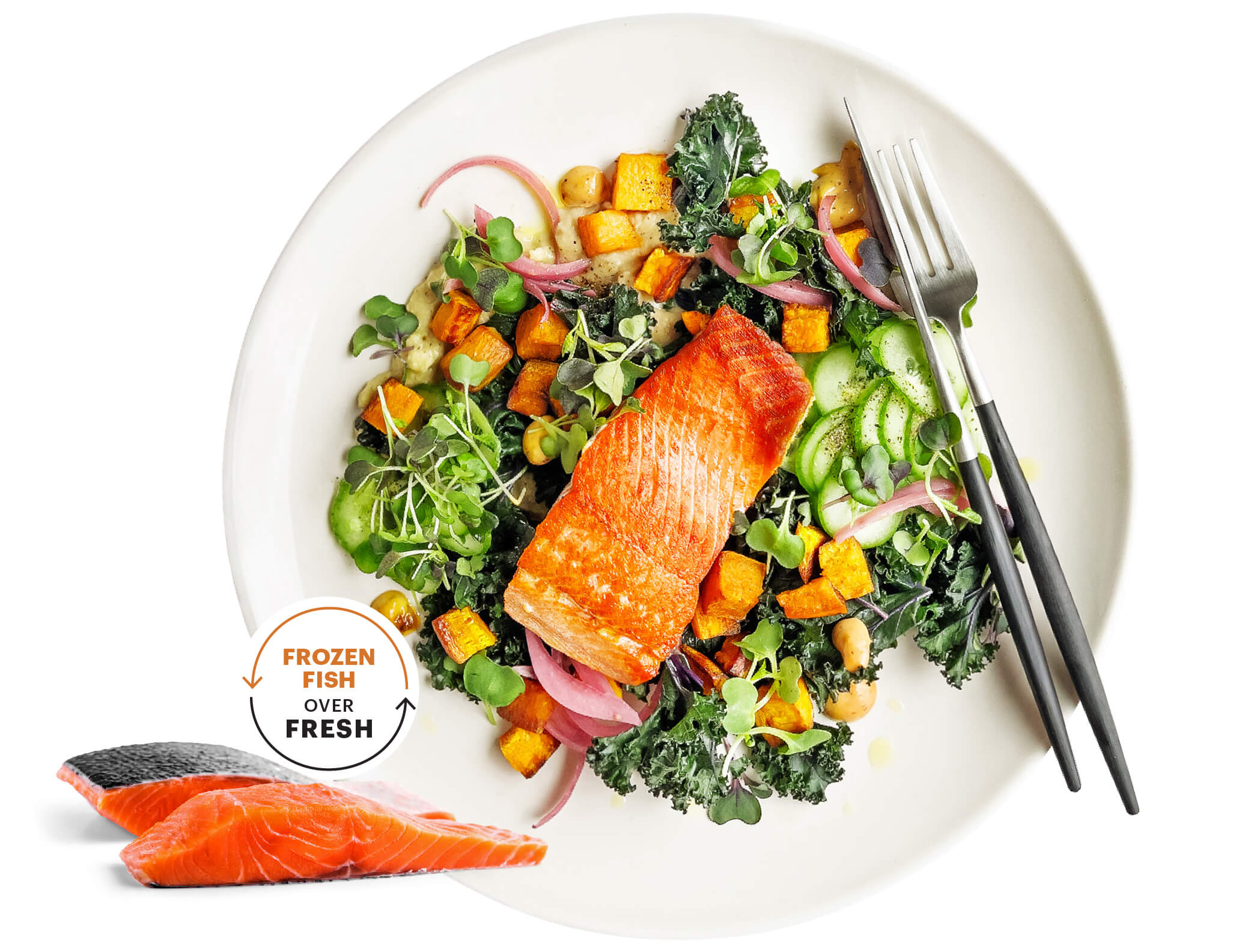
YOU MAY THINK of frozen fish as mushy and bland, but things have changed since our youth. Today’s flash freezing methods preserve the texture of the flesh so well that it can be hard to tell a fresh fish from a frozen one. And there’s a health advantage: Flash freezing eliminates any parasites that could be lurking in wild-caught fish. (They’re killed by heat, but they can still present an issue if the fish isn’t cooked all the way through.) And because frozen fish can be shipped, it is cheaper and more environmentally sound than fresh fish, which usually has to be flown in at a higher (at times up to 50 percent higher) price. Think of it as sending a letter via regular mail versus FedEx.
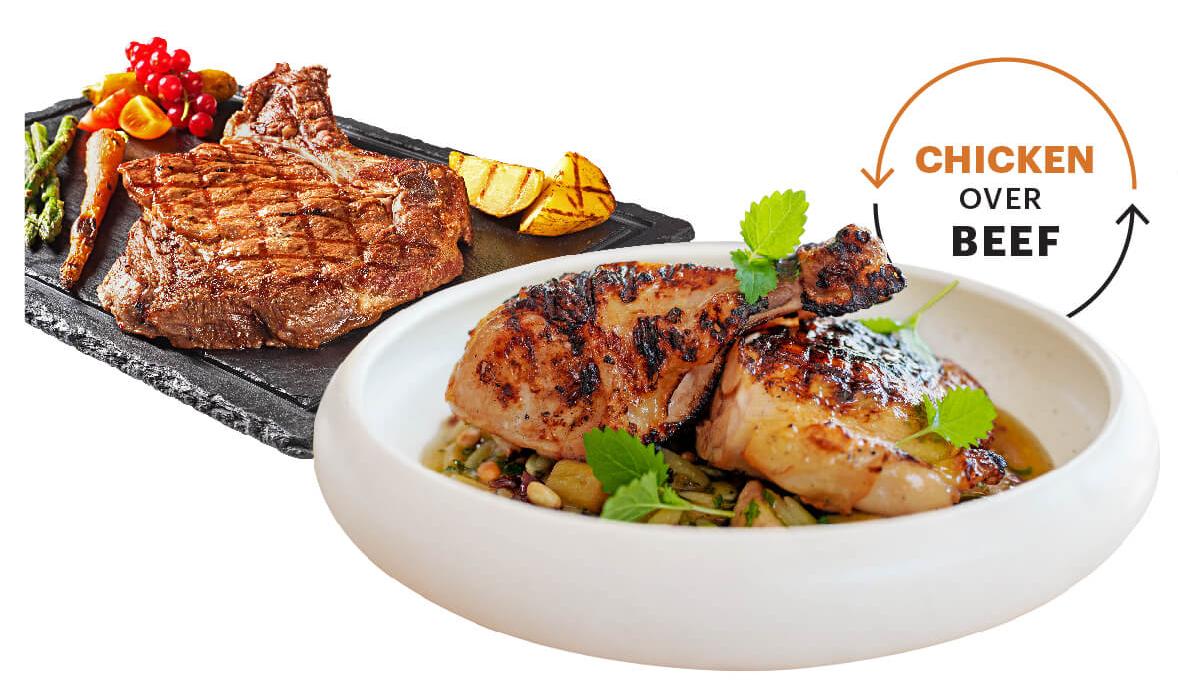
WE ALL KNOW that eating more plants and less animal protein is cheaper and brings us closer to the kind of diet most cardiologists recommend. But when you’re craving meat and watching your margins, the right choice can make a difference. Chicken is lower in calories and the saturated fat linked to heart disease than beef. And a chicken is an inherently more efficient animal than a cow. It comes to market in 12 weeks instead of two years and needs much less food to raise. Because of that, a pound of chicken is less than half the price of a pound of beef. Plus: Chicken has a carbon footprint roughly one-tenth that of beef.
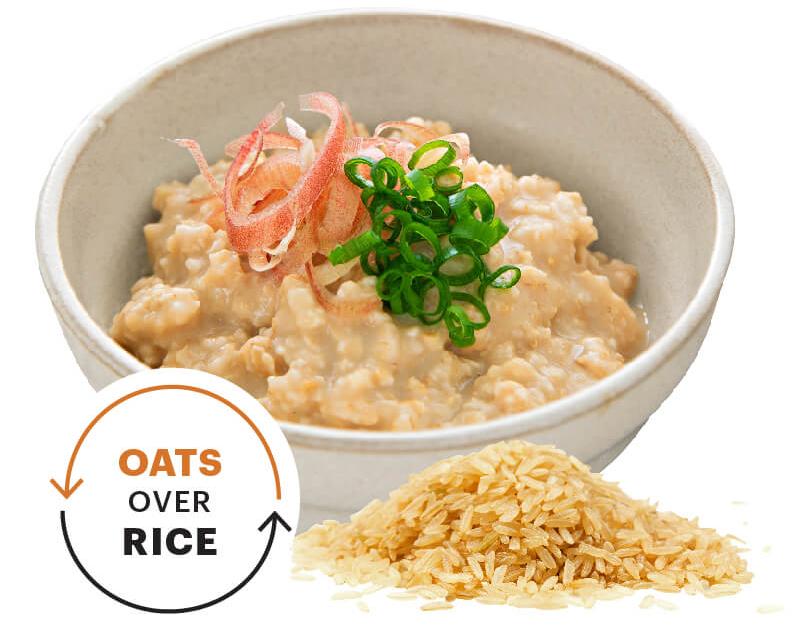
WHEN WE were a horse-drawn nation, oats were a primary part of the American diet. But as went the horse, so went the oat. That’s a shame. Oats are cold-hardy, take little or no fertilizer and, unlike water-needy rice, require nothing but rainwater for irrigation. They’re also an excellent cover crop that helps keep soil healthy. Oats are higher in fiber than even brown rice and are especially rich in beta-glucan, a form of soluble fiber that helps lower LDL (“bad”) cholesterol. That means more nutrition for every dollar spent. “But oats are for breakfast!” you say. Don’t tell that to the Irish who love brotchán roy, a savory oatmeal and leek soup, or the people of Shanxi, China, who specialize in oat noodles and other oat-based dishes. Steel-cut oats and oat groats can even be used as rice substitutes in a stir-fry, risotto or almost any dish that calls for rice or polenta. It just takes a little imagination.
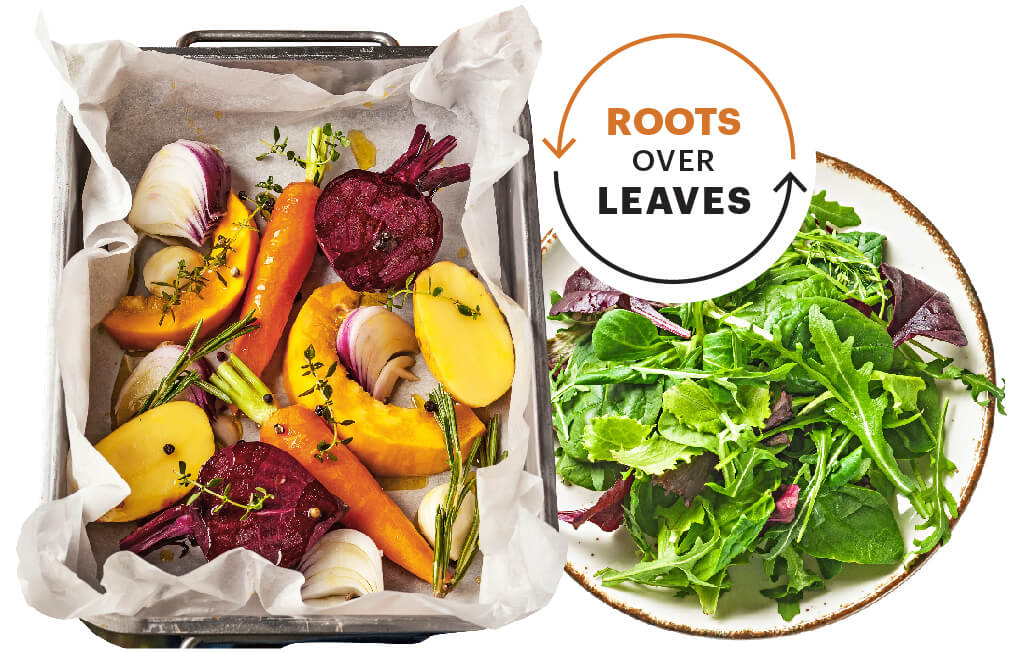
“NUTRIENT DENSITY” is one of those wonky phrases you see in food science literature, but if you recast it as “cost efficiency,” it’s a lot easier to digest. Root vegetables are just cheaper. And while both greens and root vegetables are packed with vitamins, the roots deliver the same amount of fiber as broccoli and more than three times as much as lettuce. Now consider the fact that root vegetables keep a lot longer, and you’re getting much more nutrition bang for your hard-earned buck.
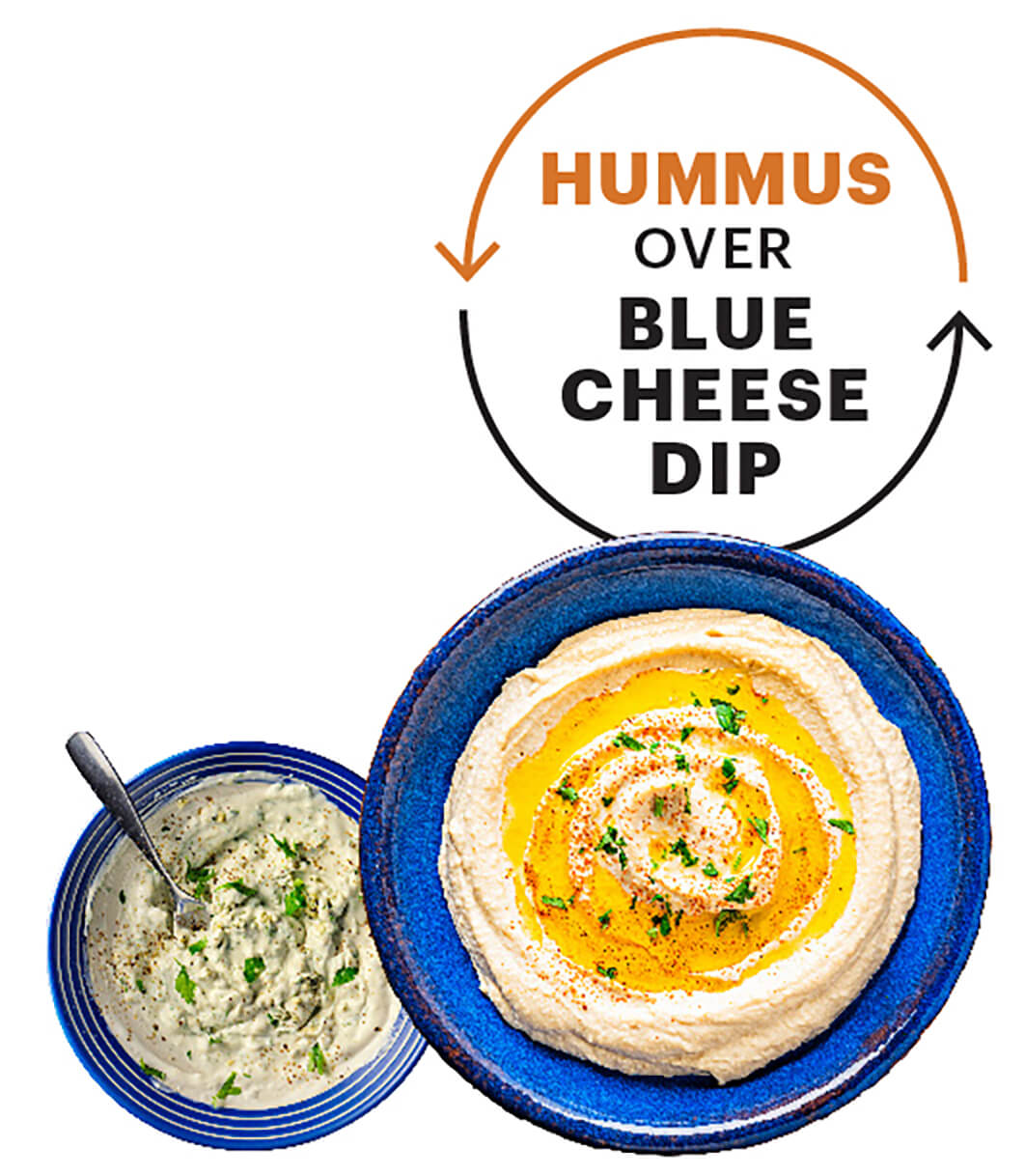
CHICKPEAS and other legumes are essential elements of the Mediterranean diet, which study after study finds to be the best at reducing all-cause mortality. Buy premade hummus to save a fair bit over cheese dip, but if you make it at home—it’s just chickpeas, olive oil, lemon, garlic and tahini—you’ll save even more.
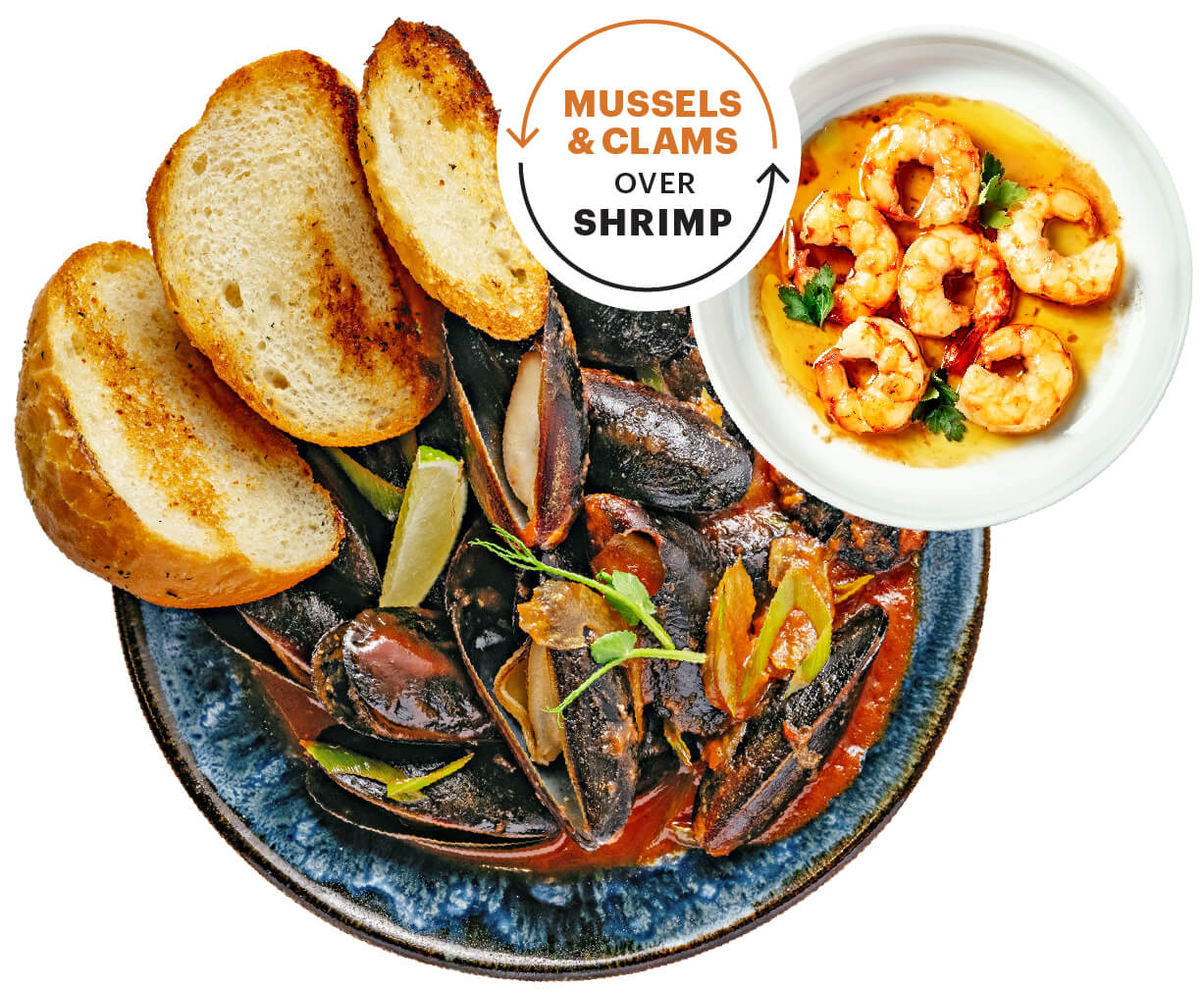
HARVESTING WILD shrimp is expensive, and it can result in the inadvertent killing of 10 pounds of other marine animals for every pound of shrimp. Farmed shrimp require a tremendous amount of wild fish to be ground up into their feed. But farmed mussels and clams (and oysters) live off plankton they filter from the water. That translates into savings: Mussels can go for as little as a buck a pound at membership stores, though around $4 a pound is more the norm. Meanwhile, shrimp generally range from $7 to $14 a pound, even at discount shops.
Paul Greenberg is the author of The Climate Diet and the James Beard Award–winning Four Fish.
When Does Organic Matter Most?
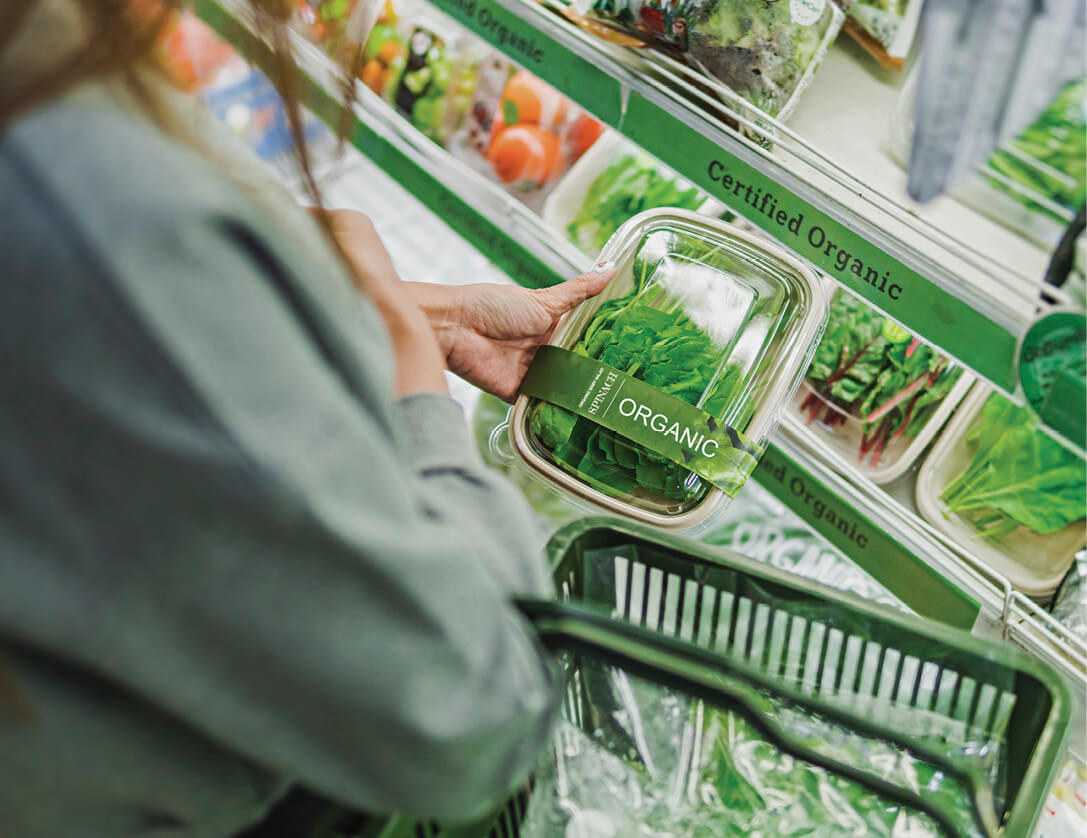
WHILE ORGANIC produce isn’t significantly more nutritious, it is considerably lower in pesticides, which have been linked to cancer, obesity and more.
But then you look at the price tag: Organic produce averages about 59 percent more than standard fare. The good news is that you can get a lot of benefit from eating just a few items organically and going with conventionally grown produce most of the time. According to research by the nonprofit Environmental Working Group, items you have to peel before you eat (think bananas, mangoes, avocados, melons) tend to have less pesticide residue. For these produce items, you don’t have to prioritize organic options. If you do want to splurge on organics, here’s where you’ll get the most benefit:
▶︎ Leafy greens (spinach, kale, collards)
▶︎ Berries (strawberries, blackberries, blueberries)
▶︎ Stone fruits (peaches, nectarines, cherries)
▶︎ Apples and pears
▶︎ Grapes
▶︎ Potatoes
—P.G.