Upfront/GO
Selling a Car Could Cost You
In some cases, your insurance bill increases
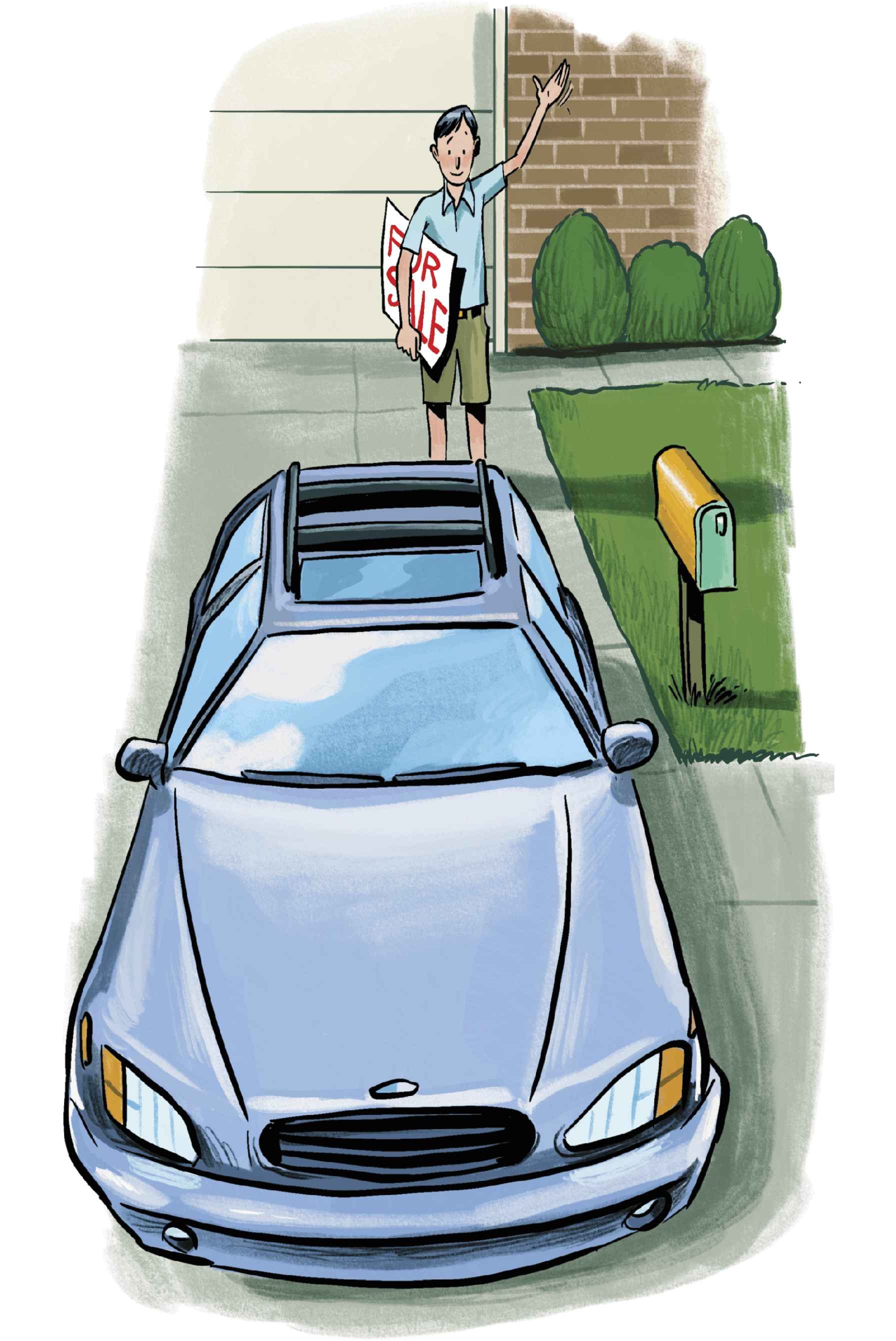
WHEN you’re looking to trim expenses, selling a spare car might make sense. But you also might get an unwanted surprise: Your auto insurance bill could go up.
The dynamic at work here is statistical probability. The car you sell is likely of lower value than the one you keep. So to the insurance company, a higher- value vehicle is being driven more and has a greater chance of getting into an accident, says Kaz Weida, who writes about insurance for NerdWallet. Some savings tips:
> Call before selling. Rather than simply expecting rate relief, contact your insurer and do the math.
> Shop around. More than 60 percent of customers who switched carriers last year were able to cut their annual bill by at least $100, a LendingTree survey found.
> Get discounts. Many insurers offer multipolicy discounts for home and auto coverage. You may also be eligible for a senior discount, or you could get a rate cut for taking a defensive driving class, such as the AARP Smart Driver course (aarpdriversafety.org).
> Boost your deductible. Increasing your comprehensive deductible from $100 to $500 could lower your annual premium by an average of nearly $500, per a Bankrate analysis.
> Consider keeping the car. If you own it outright and carry liability-only insurance on it, it could make sense not to sell. Run the numbers. —Beth Braverman