AARP TRAVEL SPECIAL
A Taste of America
Come along on our national food tour, with local chefs as your guides
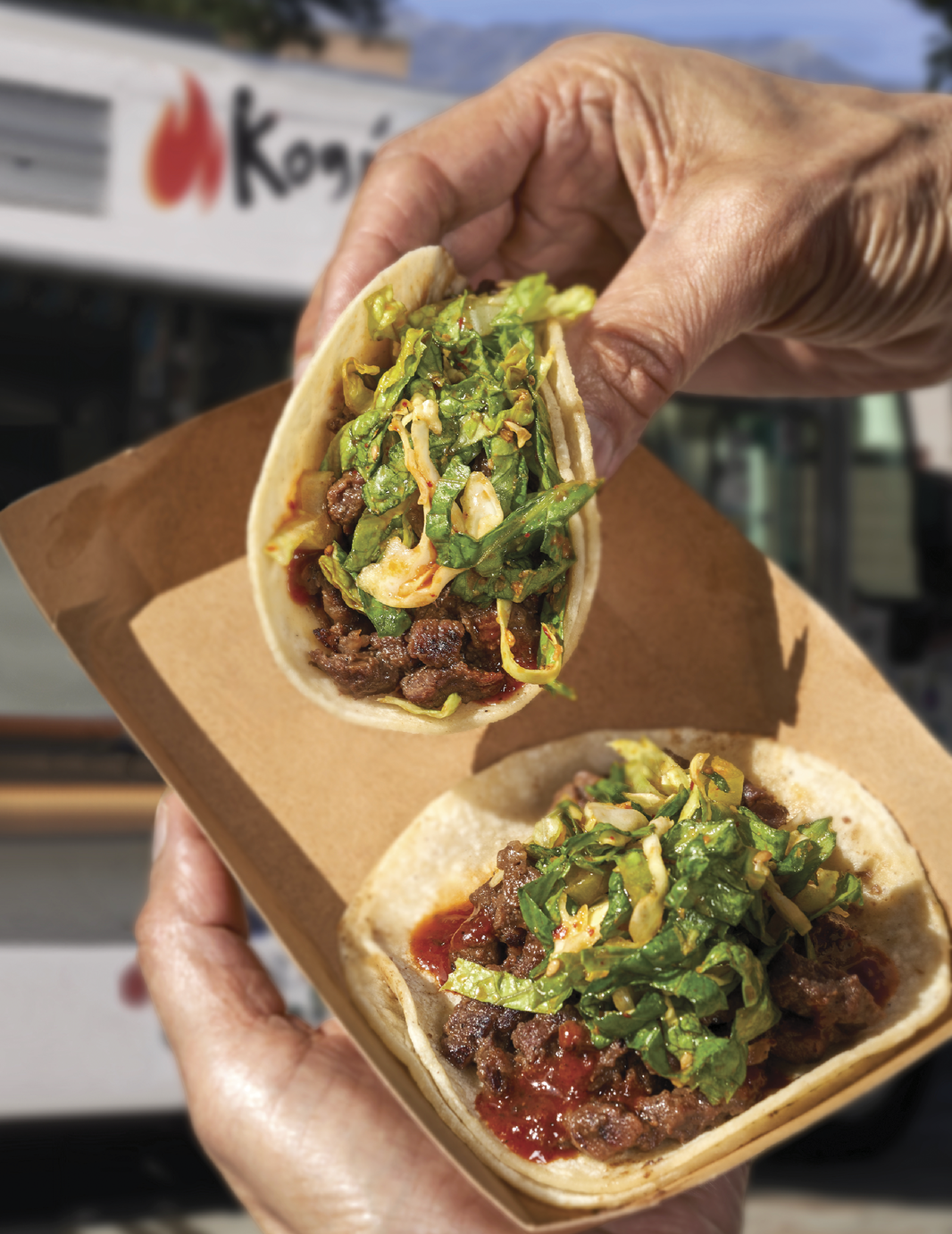
Kogi BBQ truck’s Korean short rib taco
WHEN WE TRAVEL, food is one of the main experiences we talk about—often in great detail—with our friends upon return. That savory meal in a stumbled-upon spot. Or the eagerly anticipated feast in the destination restaurant everyone’s buzzing about. Gastro-tourism is as common and thrilling as seeing the sights. And what gives you a better “flavor” for a town than actually tasting its culinary specialties?
In this mouthwatering tour across the United States, we talked with a number of older, experienced chefs about their local food scene—how it developed and what makes it special—and asked them to describe a signature dish. Tasty travels!
WEST COAST
LOS ANGELES
Chef Roy Choi on starting a four-wheeled food revolution
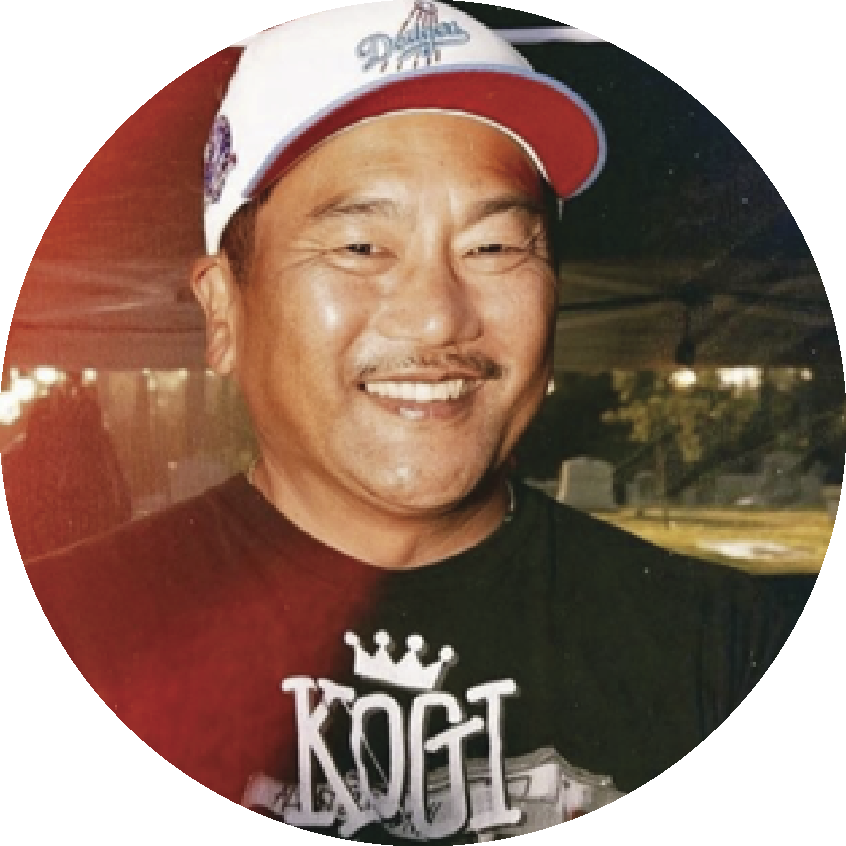
Roy Choi, 56, founder of Kogi BBQ
Local food scene: Los Angeles is an immigrant city, and you can see that story play out through its food trucks. They popped up in the 1950s and ’60s, selling tacos to workers on break. By the ’80s, these lunch trucks were everywhere. My family didn’t own a truck, but my mom made kimchi, and we sold it by the jar out of the trunk of our car. We’d roll down the window at red lights, and I’d hop out to make the exchange. When I launched Kogi in 2008, Twitter and the iPhone were new, and we used them as our megaphone. Instead of waiting for customers to find us, we told them where we’d be. It felt revolutionary, but really, we were adding a modern twist to decades of street food culture.
My special dish: The Korean short rib taco. We use bone-in short rib marinated in soy sauce, garlic, ginger, green onions, sesame oil, apple and kiwi. We grill it, chop it fine and caramelize it again so it gets crispy and sweet. It’s tucked into small tortillas and topped with a salsa roja made of Korean and Mexican chiles, lime juice and rice vinegar, and a slaw of cabbage, green onion, sesame seeds and chile vinaigrette. The first bite is warm and juicy, with this mix of charred meat, acid and spice. You taste something familiar, like a taco you’ve eaten a hundred times, but then the gochujang and sesame come through, and it flips your palate. After 17 years, this taco still tastes brand-new to me.
NEW ENGLAND
BOSTON
Lobster is a key part of Northeastern cuisine, says Lydia Shire
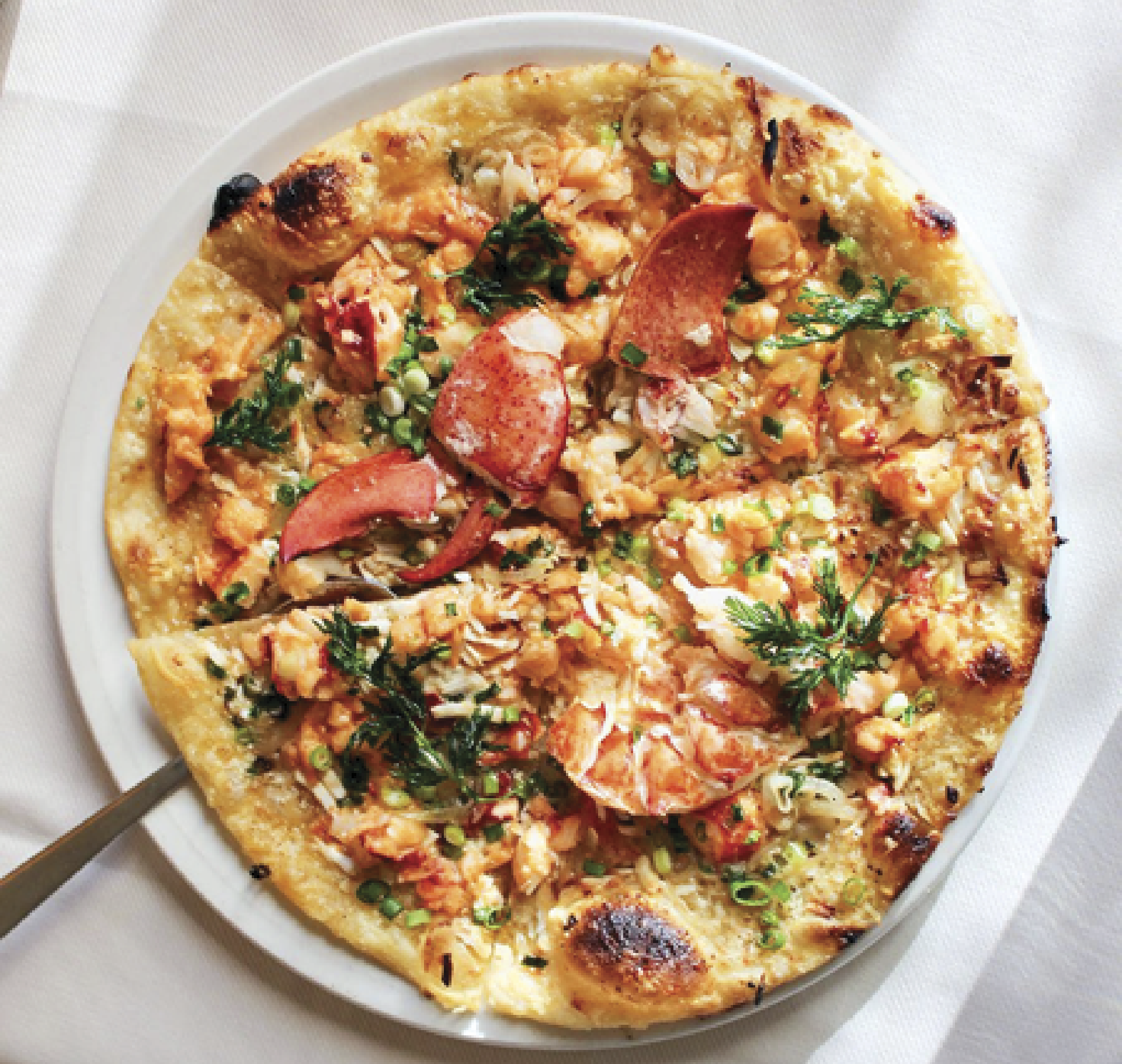
Scampo’s lobster pizza
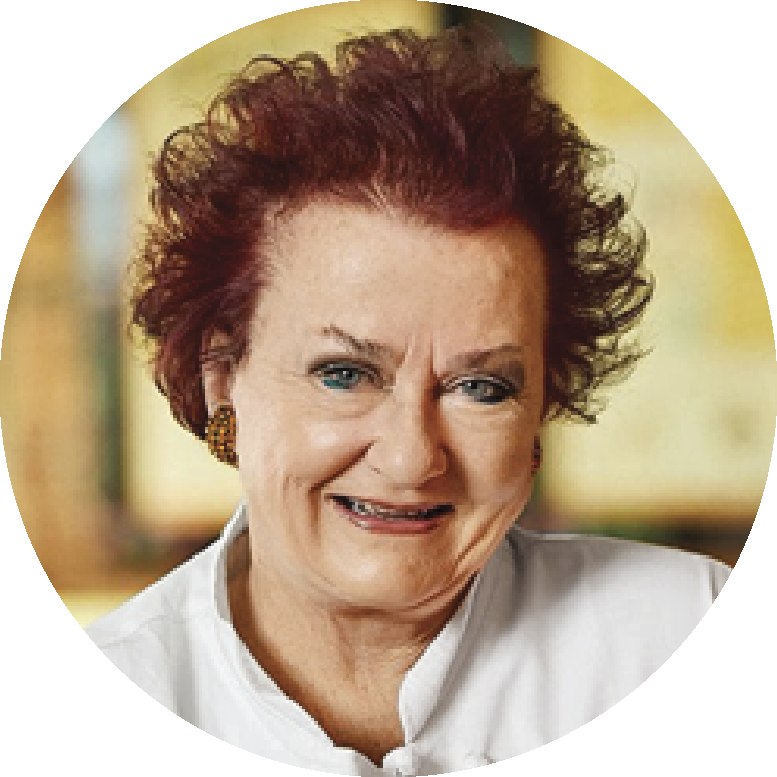
Lydia Shire, 77, chef and owner of Scampo
Local food scene: Bostonians are so lucky to be close to fertile fishing grounds, and lobster has always been a big part of the makeup.
My special dish: In 1983, I had just cooked and shucked all this beautiful lobster for brunch at my restaurant. I thought, Why don’t I make a pizza? We sold it as a special, and it flew out of the kitchen. It became so popular, I had to add it to our regular menu, where it’s been ever since. The experience of your first bite is magical. I’ve seen many couples get engaged over our lobster pizza, then come back to order it again for anniversaries.
PLAINS
KANSAS CITY
Pitmaster Deborah Jones: A smoky means to burnt ends
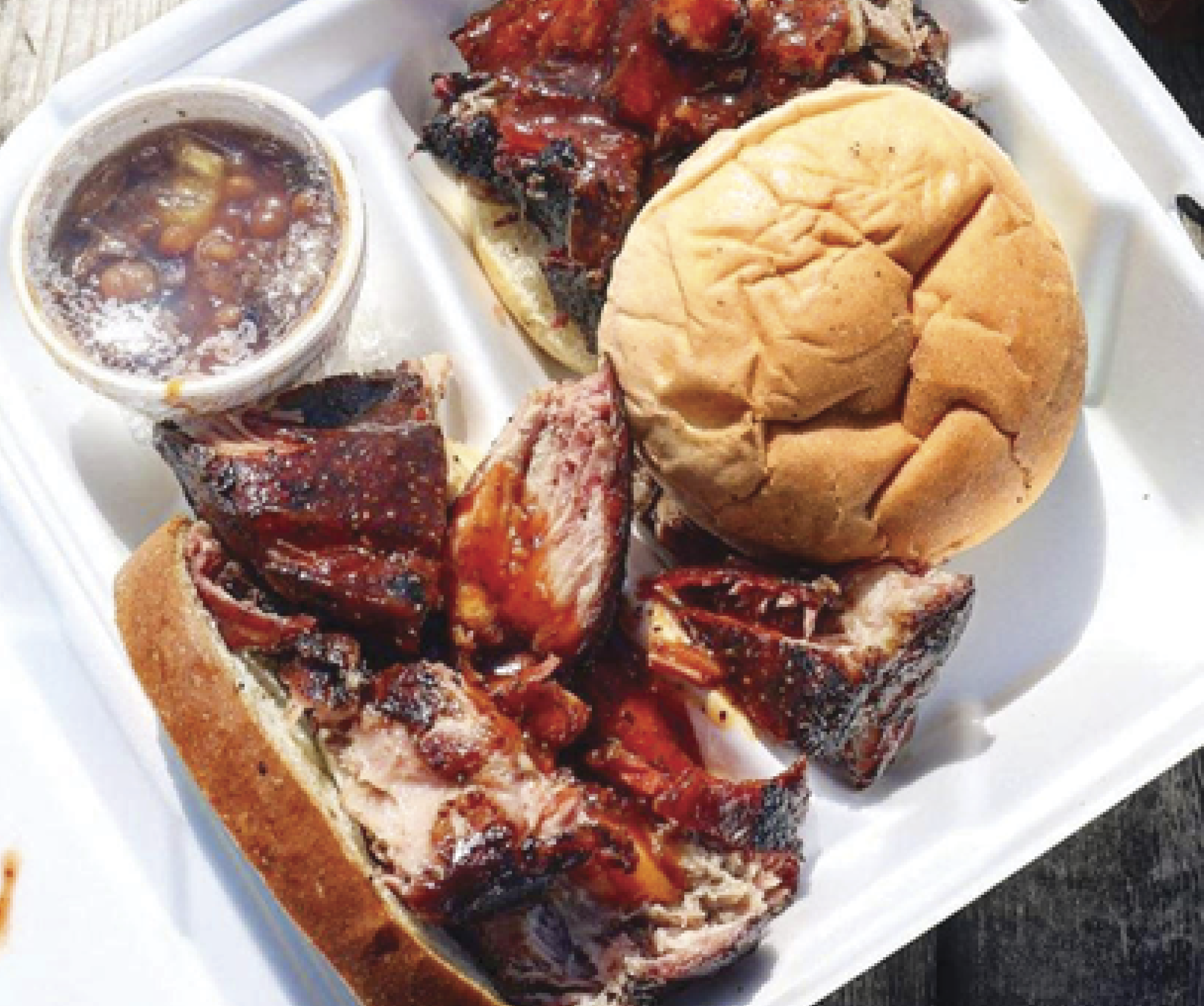
Jones Bar-B-Q’s burnt ends
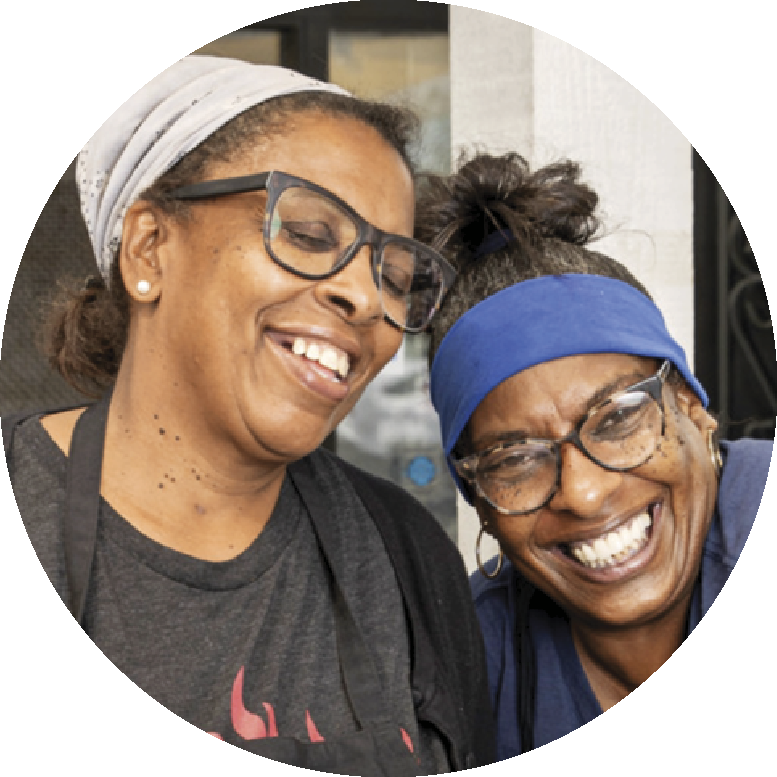
Sisters Deborah, 69, left, and Mary Jones
Local food scene: In Kansas City, barbecue is a way of life. My sister and I grew up learning from our dad. He taught us how to build a fire and smoke meat the old-fashioned way. He opened Jones Bar-B-Q in the 1970s, and we’re still carrying on his traditions. Here, it’s all about the wood. Hickory logs burn hot, infusing every bite of meat with deep, smoky flavor.
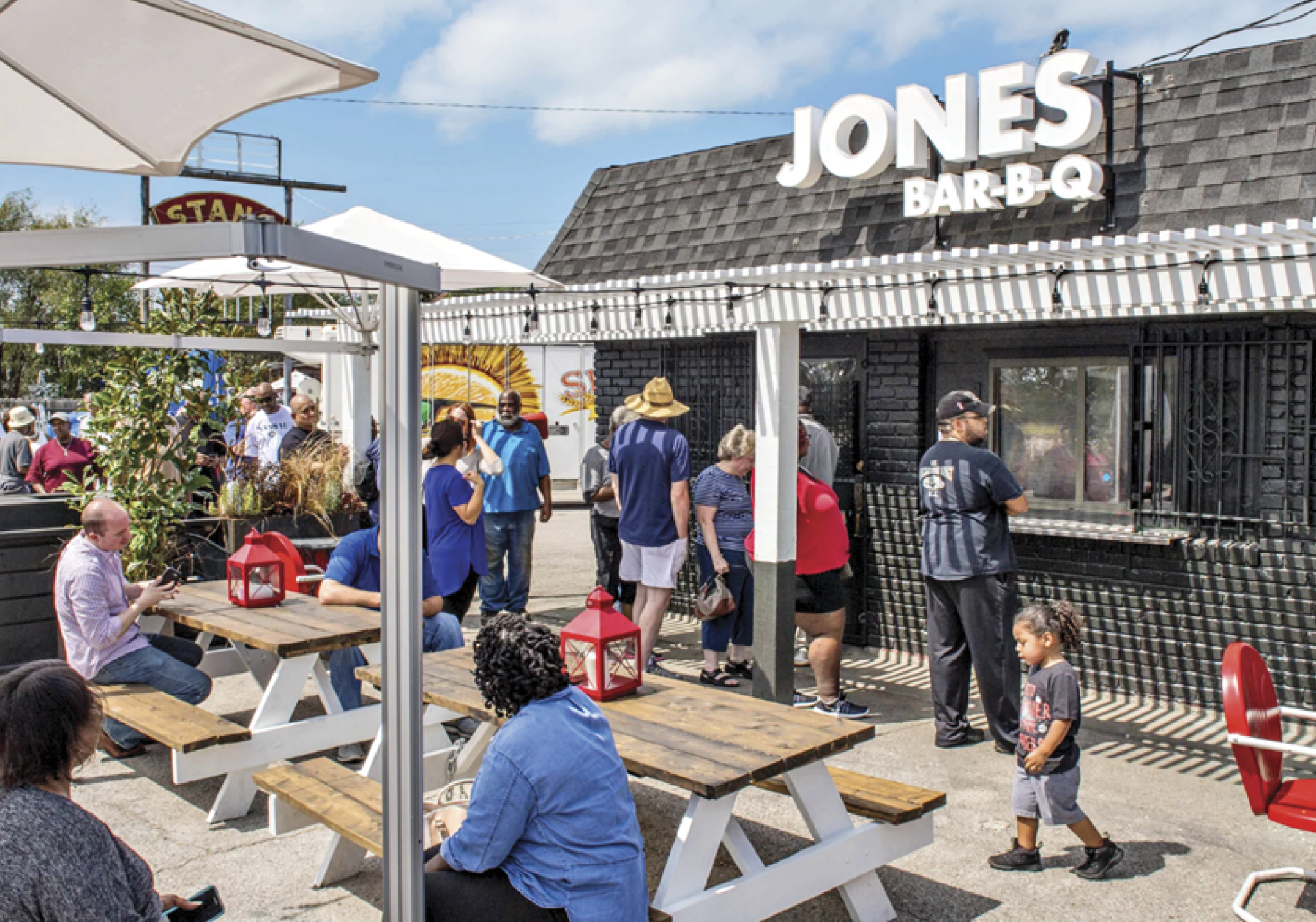
My special dish: Our burnt ends start with brisket cooked low and slow for hours over hickory. I’m usually at the pit by 2 a.m., watching the fire and trusting my eye. It’s not about thermometers; it’s about knowing when the brisket is just right. You have to really enjoy doing it, because it’s an art. Once the meat is tender, we slice off the edges, rich with bark [the outer layer of the meat] and smoke, and chop them up. We don’t use precut cubes like other spots. We season simply, with just garlic, black pepper and seasoning salt. Some customers like burnt ends straight; others order them on a sandwich. We always sell out fast. They’re good with or without sauce. We keep our sauce a secret, but it’s sweet and tangy.
I’ve seen first-timers take a bite and say, “Oh, my God.” That gives me a boost you wouldn’t imagine. For anyone coming to Kansas City, burnt ends should be the first thing on your list.
EAST COAST
NEW YORK
Chef Marcus Samuelsson reflects on the flavors of Harlem
Red Rooster’s fried chicken
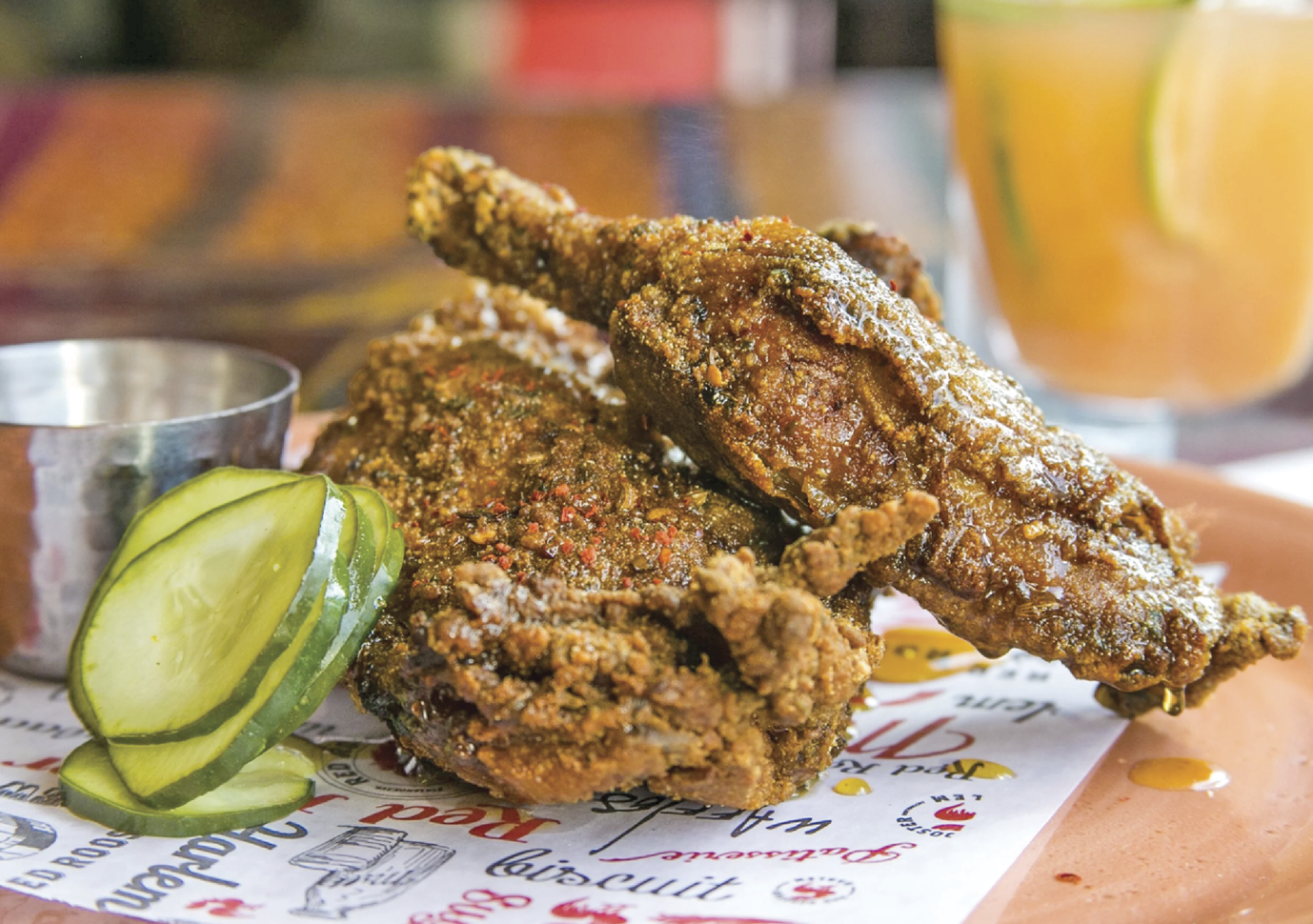
Red Rooster’s fried chicken
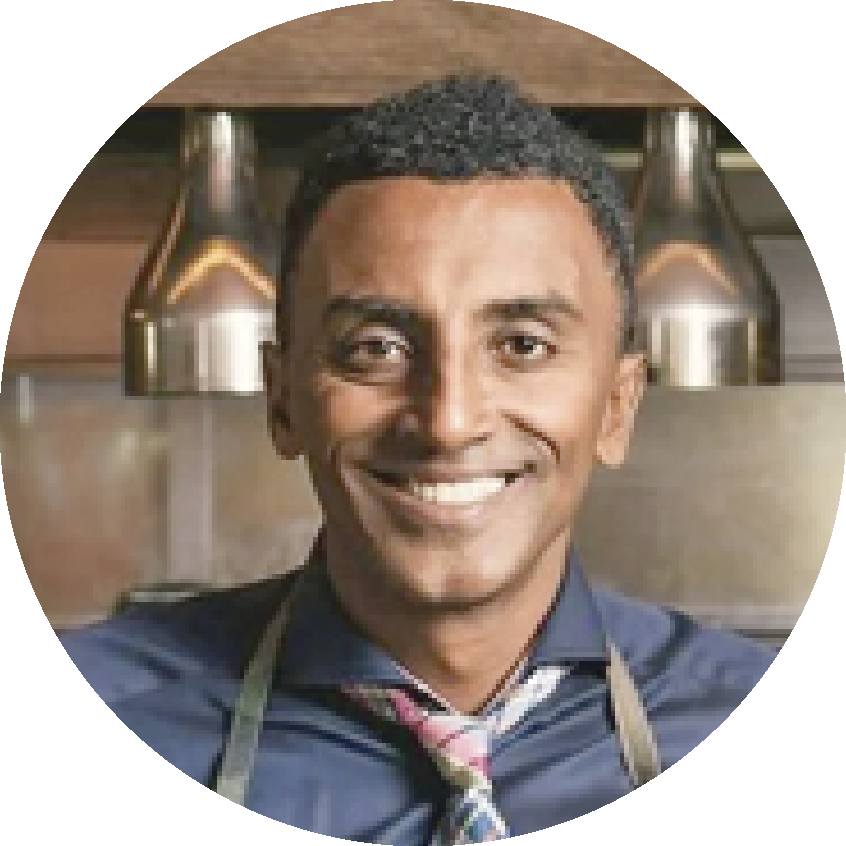
Marcus Samuelsson, 55, owner of Red Rooster Harlem
Local food scene: Harlem is a crossroads where Southern cooking, African heritage and New York energy collide. When African Americans came here during the Great Migration, they brought food, hospitality, arts, music and churches. Their recipes shaped the neighborhood’s identity: fried chicken, collard greens, corn bread.
You see the culture here everywhere—music spilling out of clubs, gospel on Sundays and restaurants where generations gather over a meal. Red Rooster sits right in the middle. We have live music five nights a week.
I opened my restaurant to reflect Harlem’s spirit: welcoming, vibrant and deeply rooted in tradition. No one comes here just because they’re hungry; they come to be part of an experience: live music, art and a plate that feels like home.
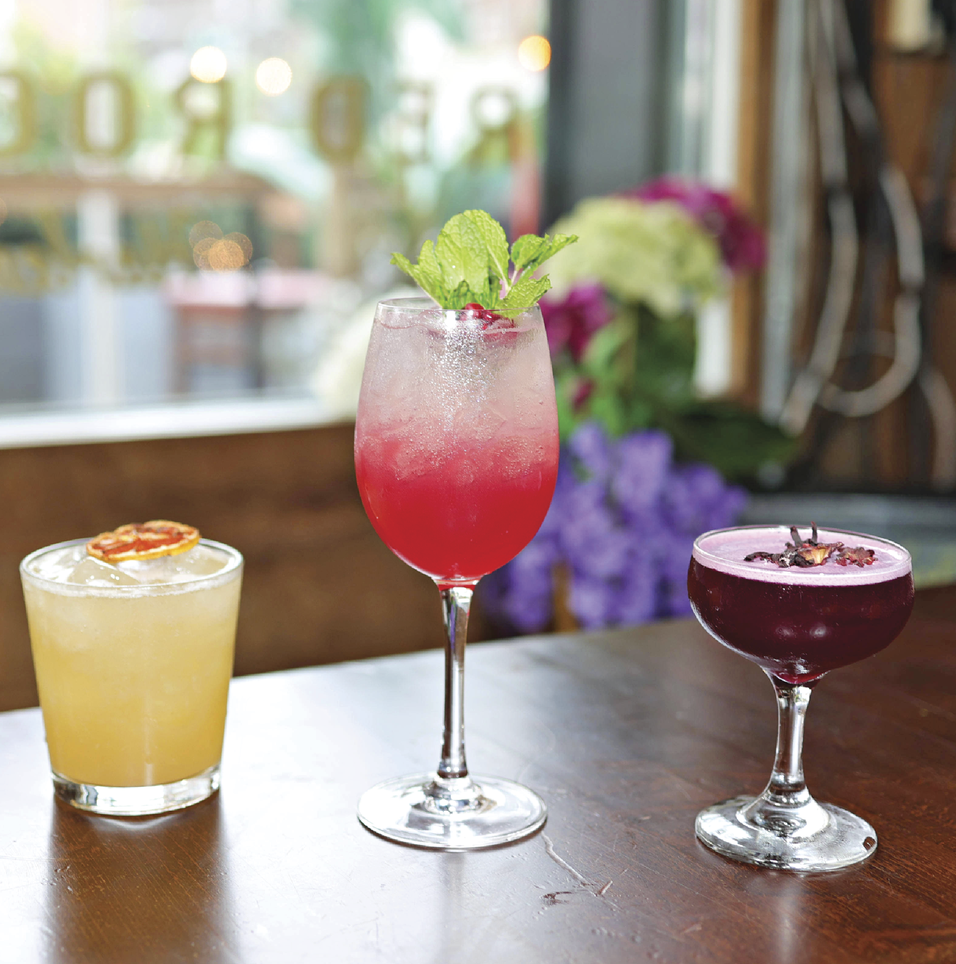
My special dish: Our fried chicken, called Yardbird, is Harlem on a plate. It starts with a good bird—about 4 pounds—brined in salted water, then marinated overnight in buttermilk, coconut milk, salt and spices like cumin and white pepper. We fry it twice: The first fry cooks it through; the second makes it shatteringly crisp.
It’s savory, not too spicy, and we serve it with house-made pickles. The acid cuts through the fat. Add collard greens or sweet potatoes to round out your meal. We also serve fried chicken and waffles drizzled with hot honey, a nod to the jazz musicians in the ’30s, who’d eat them together after late sets.
If you’re coming for the first time, show up for Sunday brunch. Harlem is proud of its culture, and it really comes to life through the food and the music.
WEST
LAS VEGAS
In this steak city, Chef Tal Ronnen is changing plant perceptions
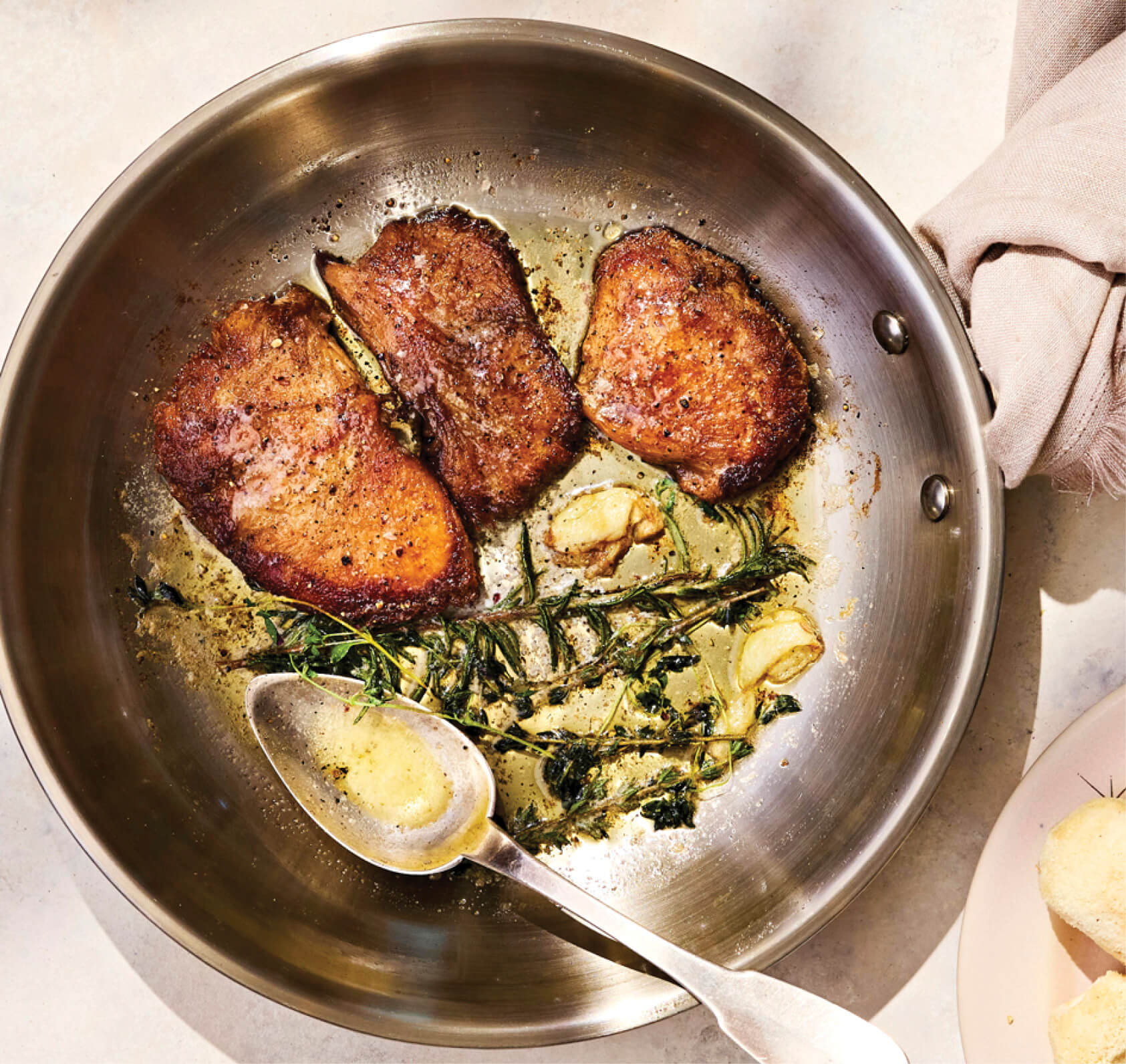
Crossroads Kitchen’s lion’s mane mushroom steak
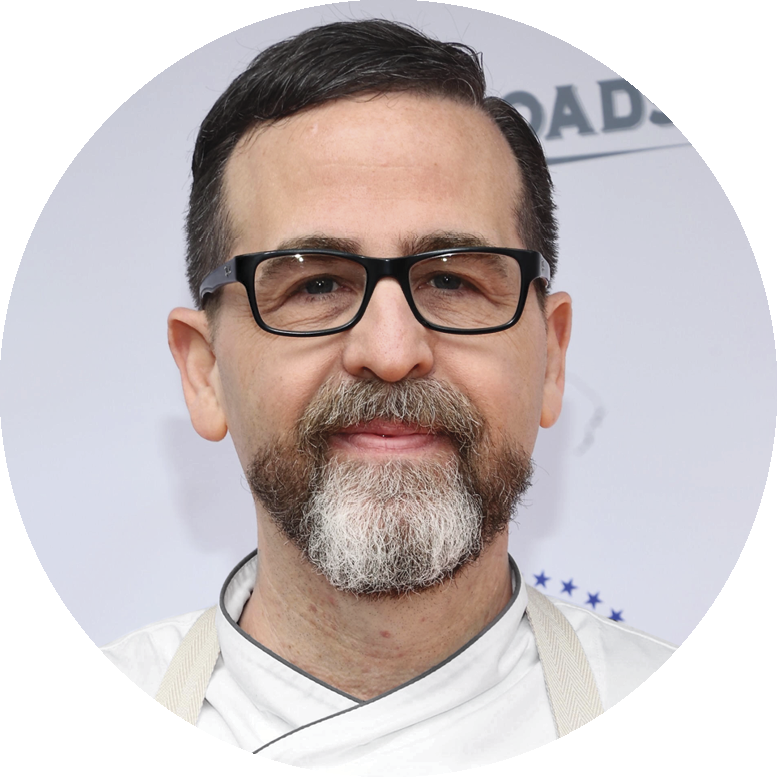
Tal Ronnen, 50, owner of Crossroads Kitchen
Local food scene: Las Vegas is a place where people come to indulge. Crossroads Kitchen comes across as an indulgent restaurant, largely Italian, but we don’t serve meat or dairy. I became a vegetarian more than 30 years ago. It was tough back then; a lot of my culinary school friends thought I was insane. Now a lot more people eat this way. I’m not the weirdo in the room anymore.
My special dish: Las Vegas is known for steaks, so we serve one made from lion’s mane mushrooms. Ninety percent of our guests aren’t vegetarians, and when they try this, they say, “Wow, that’s a mushroom? That’s crazy.” A farmer in California grows huge ones for us, up to 10 inches across. We cut them into filets, marinate them in beet ponzu to impart a red color like beef, and grill them. When you cut into one, you see the texture that you would in steak. And it takes on the flavor of the umami-rich Bordelaise sauce we serve on the side.
SOUTH
DURHAM, NORTH CAROLINA
Chef Ricky Moore says cooking with fresh seafood is how this state rolls
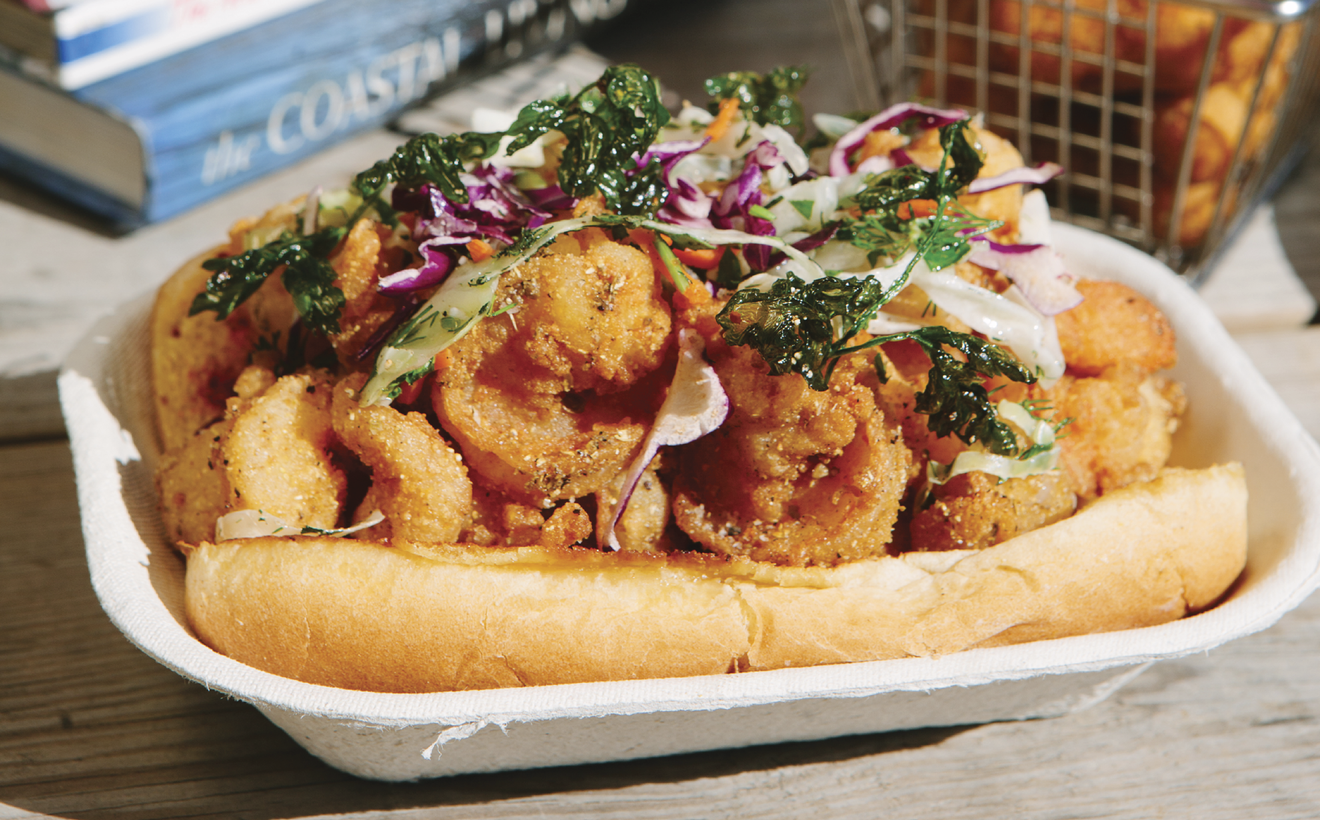
Saltbox Seafood Joint’s shrimp roll

Ricky Moore, 56, owner of Saltbox Seafood Joint
Local food scene: The North Carolina coast has always been famous for fresh seafood pulled straight from the Atlantic. Seafood here is as seasonal as any vegetable. Some fish only swim near the coast certain months of the year. At Saltbox, I wanted to bring that heritage inland to Durham—the menu shifts with the tides. You won’t find freezers here, just a chalkboard listing what’s fresh that day.
My special dish: If you’re visiting Durham, start with our shrimp roll. It’s inspired by the shrimp burgers I grew up eating at a drive-in on the way to the coast: a soft bun filled with fried local shrimp and slaw. My version begins with boiled shrimp peeled by hand. I simmer the shells in butter with herbs and spices, creating a rich shrimp butter we slather on the roll.
The shrimp are dredged in seasoned corn flour and fried until crisp, a style we call Calabash. Then they’re loaded onto the bun and topped with a bright, herbaceous slaw dressed in a light citrus vinaigrette. People often say, “I’ve had fried shrimp, but this is different.” That’s exactly the reaction I hope for: a familiar dish transformed into something unforgettable.
SOUTHWEST
HOUSTON
Chef Hugo Ortega says Texas food is wrapped in tradition
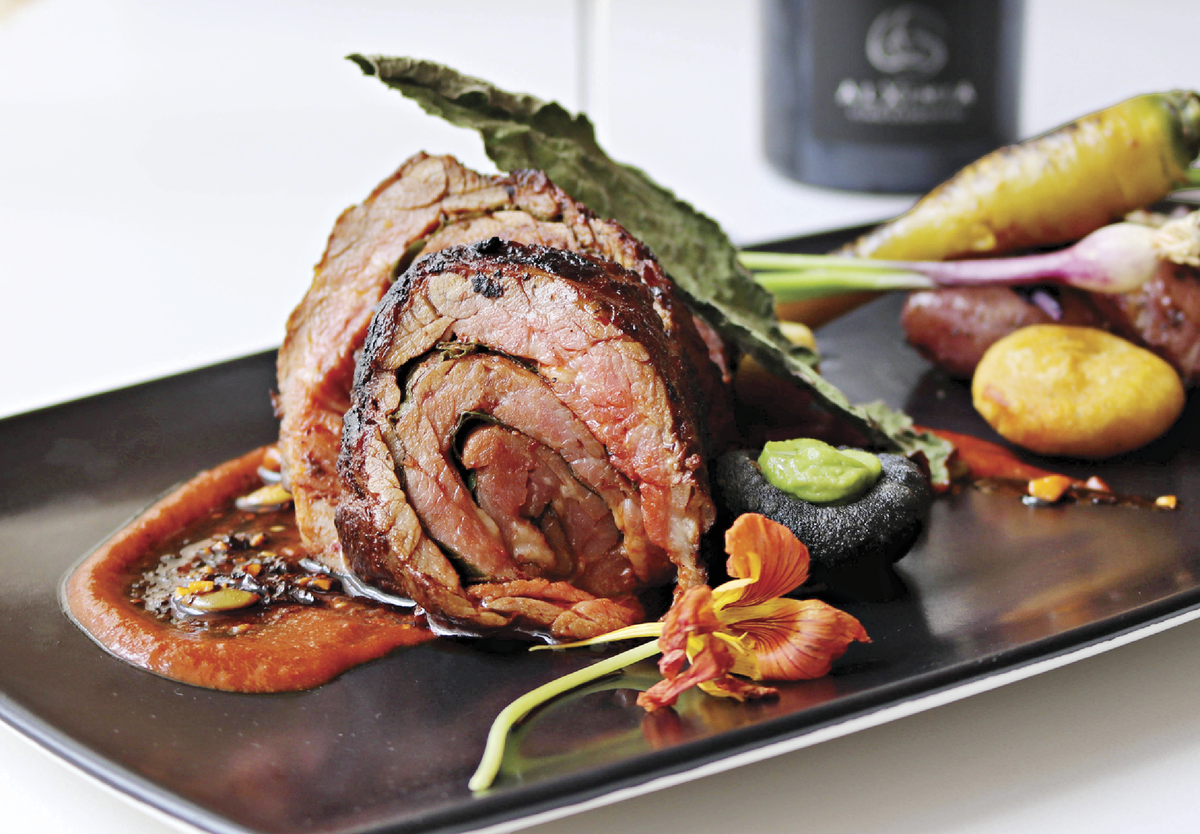
Hugo’s barbacoa
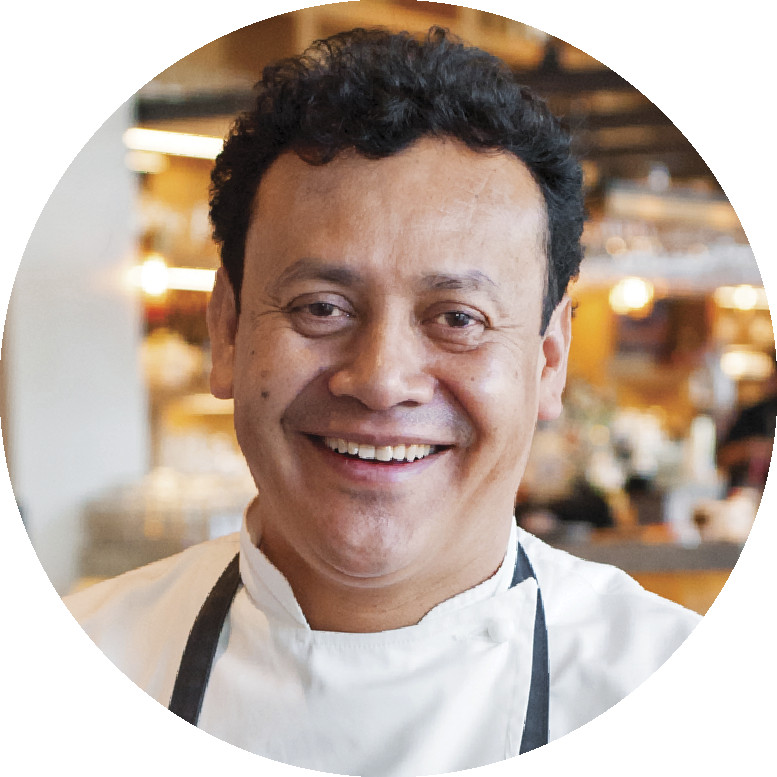
Hugo Ortega, 61, owner of Hugo’s
Local food scene: Many people think of brisket in Texas, but there’s another meaty tradition with deep roots: barbacoa. In Mexico, people would wrap meat in leaves and cook it with peppers and seasonings. That evolved and made its way to Houston.
My special dish: I first saw barbacoa being made when I was 9 years old, at a cousin’s baptism in Mexico. They dug a pit, filled it with river stones, cut some leaves and wrapped goat meat inside, then cooked it overnight. That was an incredible experience.
Today, I honor that tradition at Hugo’s. Health codes don’t allow underground pits, but we have a method that creates a similar flavor. We source young Spanish goats and Dorper lambs from a friend in Midland, Texas, who raises the animals humanely. Then we season simply, wrap in charred agave leaves and slow cook it in a wood-fired oven. It’s served with hand-pressed corn tortillas and a rich Mexican corn broth made from the drippings.
Barbacoa has always been a celebratory dish, made for life events like baptisms or weddings. When guests try it, you see the surprise and joy on their faces. It’s not just a meal. It’s a taste of something older than Texas itself.
MIDWEST
CHICAGO
At the restaurant that inspired TV’s ‘The Bear,’ the sandwiches are not gourmet but serious beef
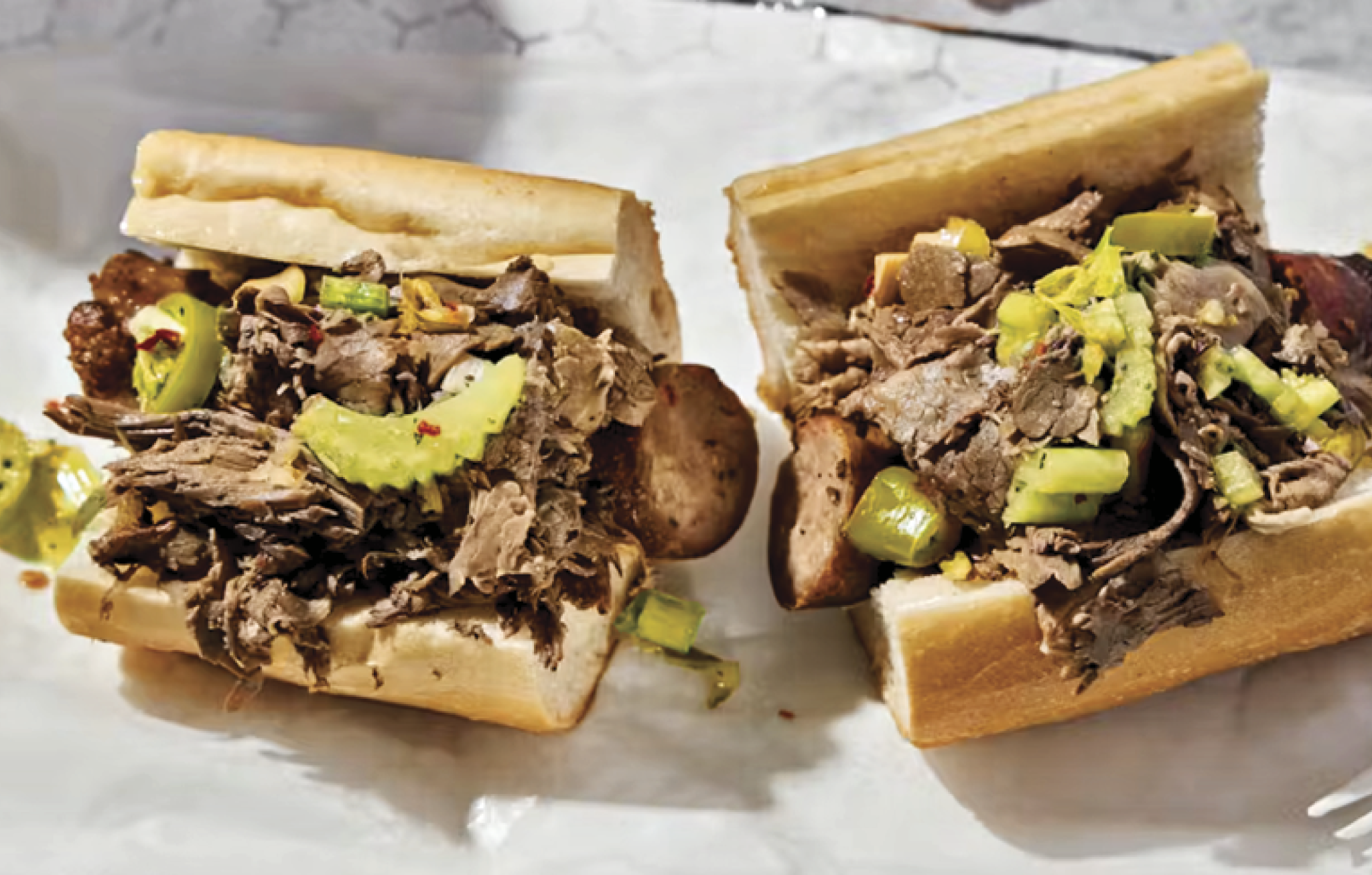
Mr. Beef’s Italian beef

Christopher Zucchero, 45, owner of Mr. Beef
Local food scene: In Chicago, Italian beef is the real deal—our root food. My dad, Joe, took over Mr. Beef in 1979. He didn’t invent Italian beef, but he knew how to make it right. People come in expecting something fancy because of the TV show, but it’s just a humble sandwich shop.
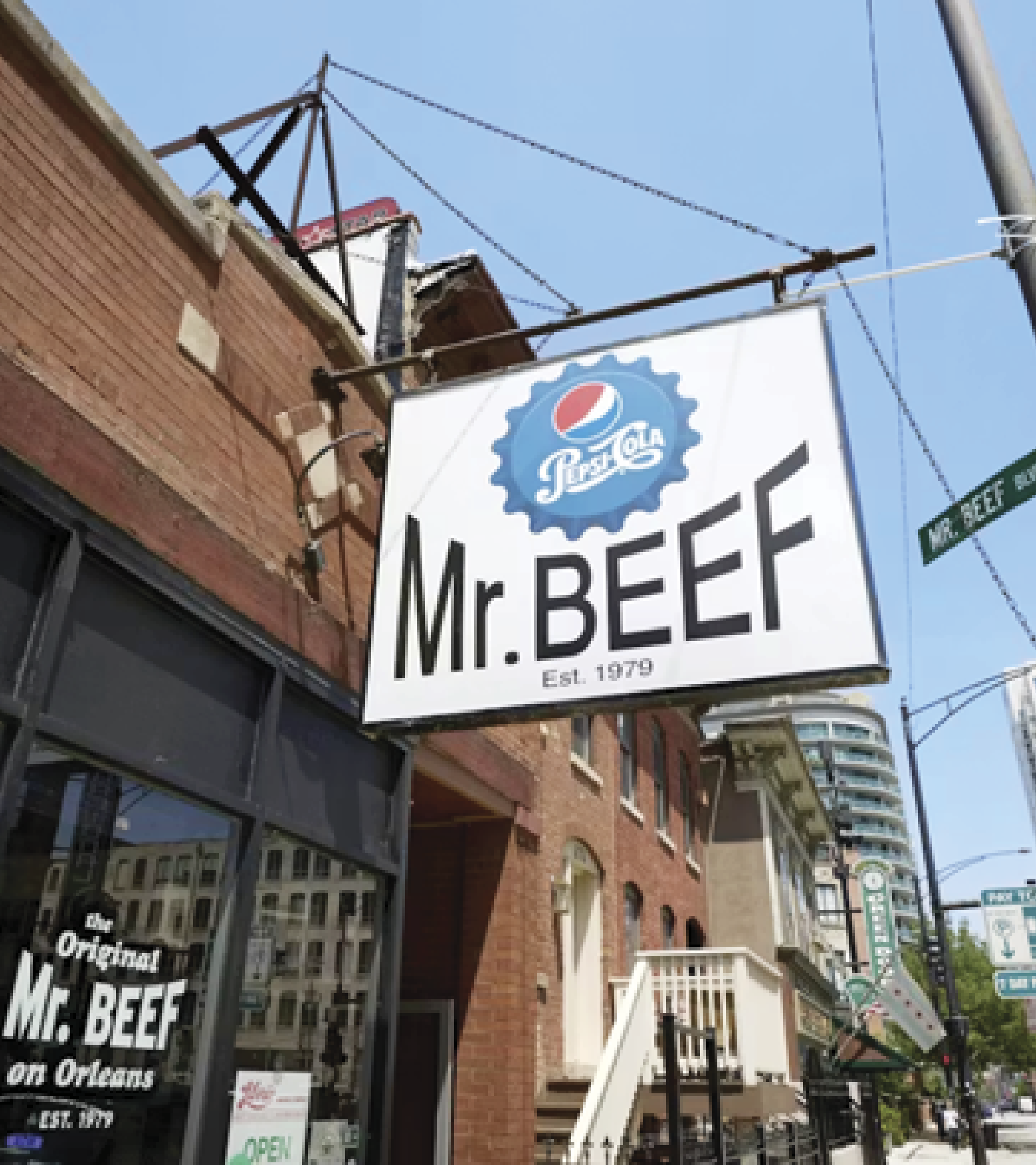
My special dish: Our Italian beef starts as thin-sliced roast beef cooked in its own gravy until it’s tender as hell. It sits in a big hot pan behind the counter, soaking up all that flavor. You can get it “dry,” “dipped” or “extra juicy,” where the bread’s basically soaked through with meat juice. Then, pick your peppers: sweet roasted or giardiniera. Our giardiniera isn’t blistering hot on purpose. My dad always said if you need it that spicy, you’re covering up lousy beef. It comes wrapped in wax paper, ready to eat standing up. That’s how it was meant to be: no plates, no pretense.
Kelsey Ogletree is a regular contributor to AARP THE MAGAZINE’s food pages. She has also written for Travel + Leisure, Condé Nast Traveler, Southern Living, Midwest Living and other publications.
Kitchen Confidential
Pro tips on finding a great restaurant on the road
SKIP THE LATEST OPENINGS.
Instead, look for spots that have been around for more than 20 years. They still exist for a reason, “and it’s not because they suck,” says Christopher Zucchero, owner of Mr. Beef in Chicago. Try searching “family-owned restaurants” or “restaurants with history” online.
PUT GOOGLE MAPS TO WORK.
Search in your map app by typing in a specific dish, rather than type of cuisine, Moore says. Read any bad reviews critically. The negative comments can show a misunderstanding. “Complaints like ‘too salty’ or ‘no substitutions’ often mean serious food,” he says.
ASK A STRANGER.
“When I’m traveling without leads on hidden gems,” Samuelsson says, “I ask the people around me—my seatmate on a flight, a driver, a hotel concierge: ‘What would you order if this were your last meal here?’ ”

MEMBERS ONLY | Five chefs in this story share their recipe secrets. Go to aarp.org/tasteofamerica to learn more.
• Mr. Beef’s giardiniera (Zucchero)
• Kale salad with root vegetables and apple (Samuelsson)
• Barbacoa de Borrego, or slow-roasted lamb (Ortega)
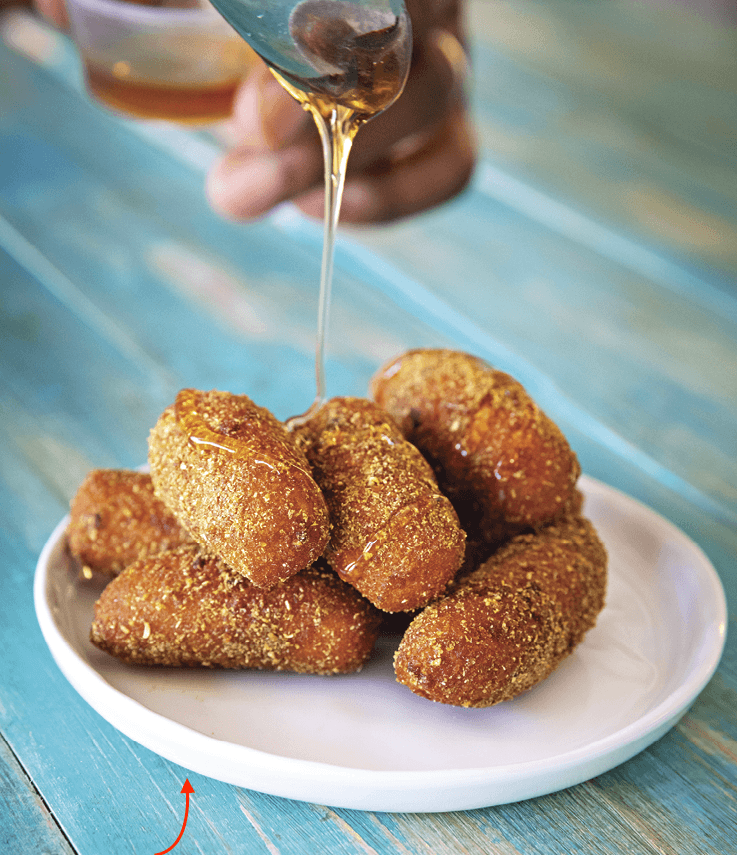
• Hush honeys (Moore)
• Skirt steak with Japanese perfection sauce (Shire)