Feature STORY
The birthday cards might say you’re in your 50s, but you could be aging faster or slower, depending on your lifestyle
YOU’RE ONLY as old as you feel.
It’s a cliché, but it’s truer than we know: There’s often a disconnect between our chronological age and our biological age.
“Chronological age is the number of years you have lived in this world. Biological age is the actual age of your body systems, organs and cells. It’s the rate at which your body has been aging over time,” says Zhe He, director of the Institute for Successful Longevity at Florida State University (FSU) in Tallahassee.
Biological age may be a more reliable marker for predicting how long—and how well—you’re going to live. And recent data indicates two critical turning points in our biological health where things start to go awry: around ages 44 and 60, the years when aging seems to be temporarily turbocharged. So, if you’re in your 50s, you may be experiencing the ramifications of your body’s midlife cellular changes. But at the same time, now is the moment you need to start tuning up for turning 60—to make sure you drive into that decade in the most well-maintained vehicle you can.
So, what’s your true biological age? This series of DIY tests, questions and diagnostics can help you understand how well—and how quickly (or slowly)—you’re aging. Plus, we’ll outline some changes you can start making now to turn back the clock. Even small shifts can make a big difference in how much pep is in your step in the decades ahead.
1. How would you describe your usual walking pace?
A. Slow
B. Steady/average
C. Brisk
If you said (c) brisk, subtract as many as 14 years (women) or 20 years (men) from your chronological age.
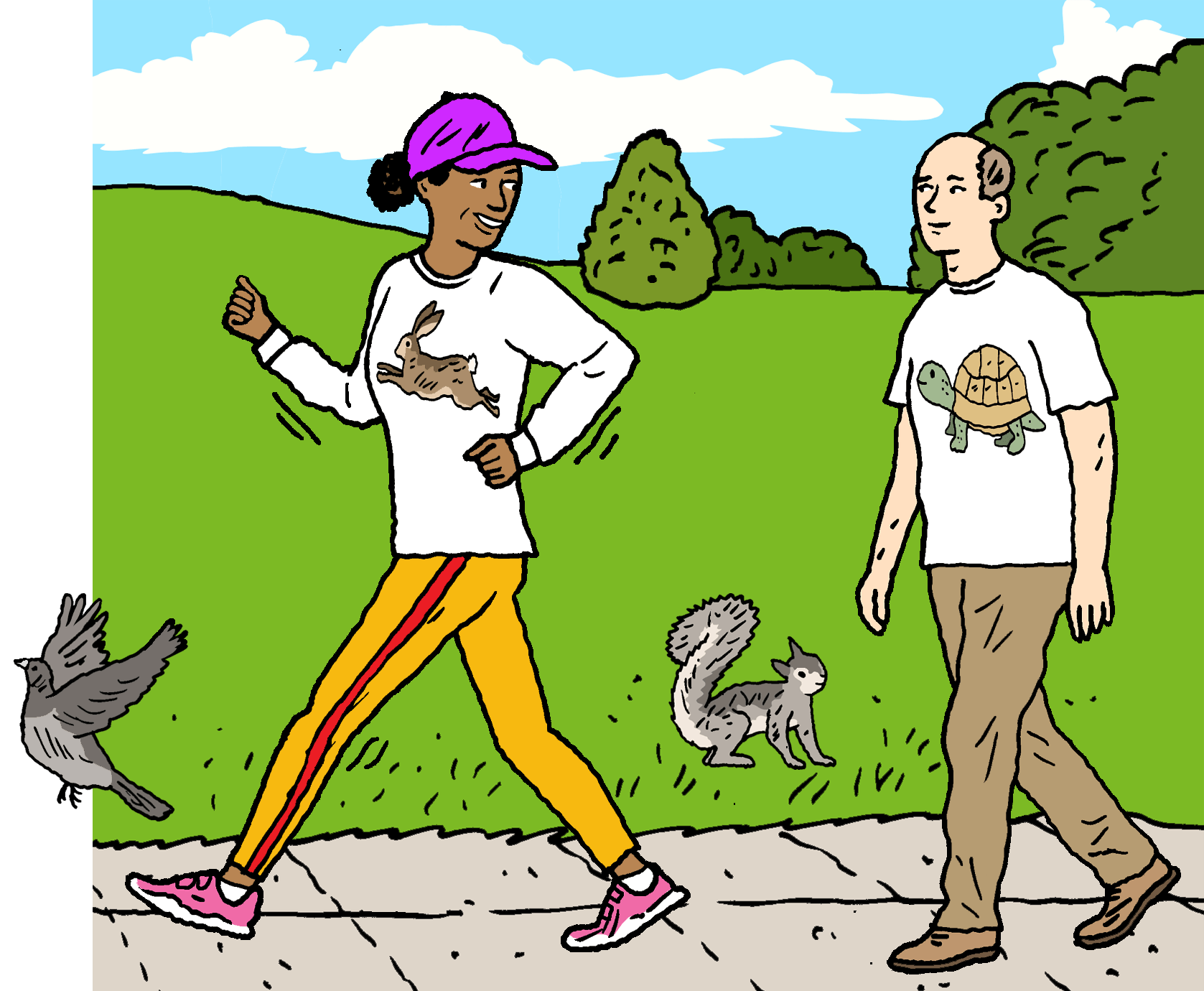
YOU ALREADY know that walking is one of the best ways to get daily exercise. But whether you’re just out for a stroll, taking the dog for a walk or consciously trying to get your steps in, the speed at which you move is critical.
People who rated their walking speed as brisk had the longest life expectancy out of nearly half a million middle-aged adults studied, compared with slow walkers—no matter their body mass index (BMI)—according to an analysis in Mayo Clinic Proceedings. Women and men who hoofed it at a brisk pace had a life expectancy of more than 86 and 85 years, respectively. Conversely, those who walked the slowest and also had the lowest BMIs had the lowest life expectancy, at roughly 72 years (women) and 65 years (men). Walking slowly and having a low BMI is associated with poor fitness and a higher risk of frailty, a combination that doesn’t bode well for longevity.
“Walking is a powerful predictor of good future health,” says Ryan McGrath, director of Healthy Aging North Dakota and an associate professor in the department of health, nutrition and exercise sciences at North Dakota State University in Fargo. “Staying mobile is important for preserving functional health,” he says.
More recent research found that having a faster walking pace is linked to longer leukocyte telomeres (the protective end caps of chromosomes in your white blood cells), which are commonly used as a marker of biological age. A brisk pace was even more impactful on telomere length than total physical activity. The takeaway? Make time for higher-intensity activities—research suggests that 10 minutes a day of brisk walking ought to do it.
2. How many grams of added sugar from packaged foods do you eat in a typical day?
A. Less than 48 grams
B. 48 or more grams
If you answered (a) less than 48 grams, subtract 0.2 years from your chronological age.
IT’S EASY to identify added sugar: Manufacturers are required to include added-sugar grams on all Nutrition Facts food labels. Excess added sugar is linked to a variety of health problems, such as obesity, type 2 diabetes and heart disease. But a diet of foods with too much added sugar also damages DNA, causing an acceleration in cellular aging, suggests a study published in 2024 in JAMA Network Open.
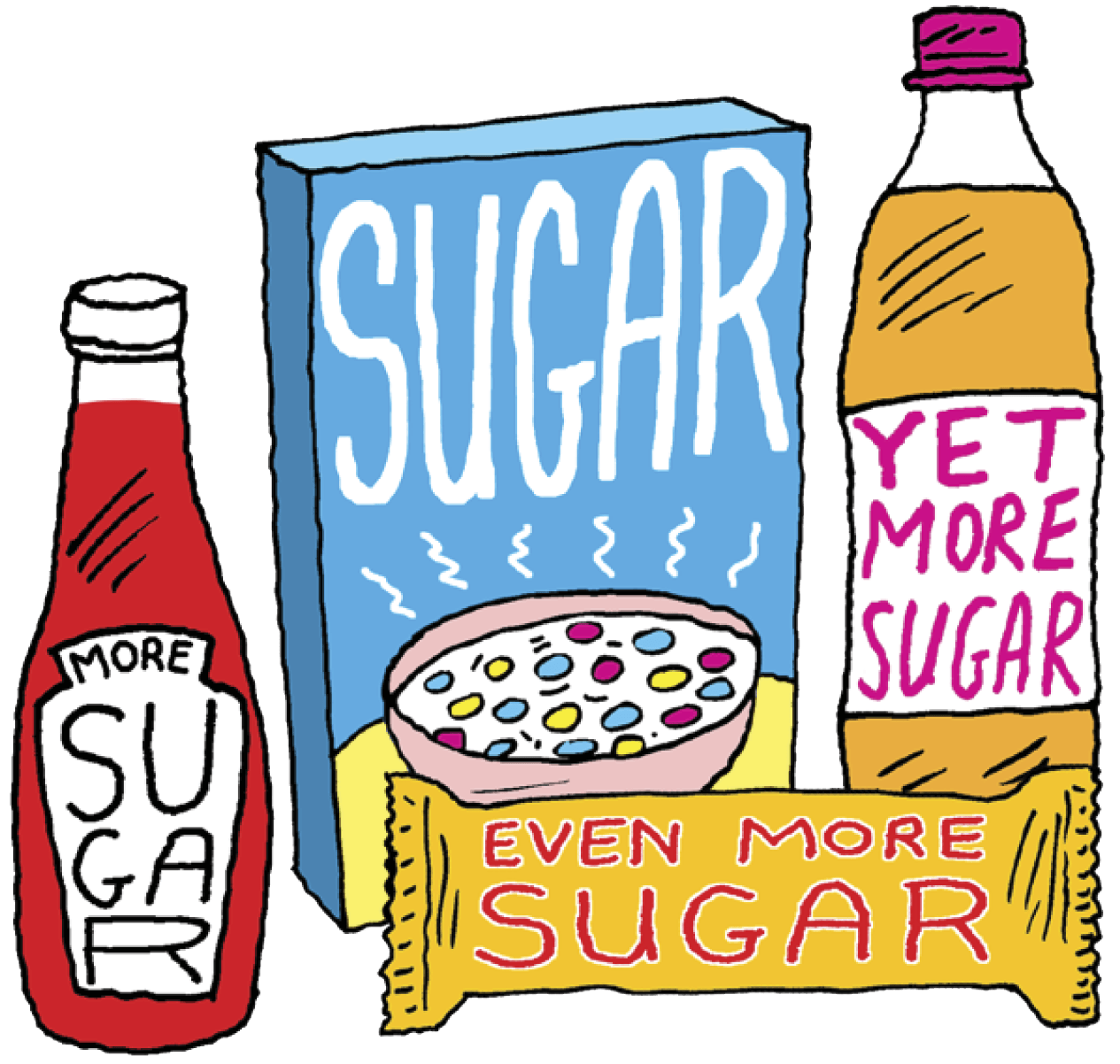
We’re not talking about the naturally occurring sugar in foods like fruits or dairy products. “Added sugar” refers to any form—including cane sugar, molasses, corn syrup and many additives ending in “-ose,” such as sucrose, dextrose, fructose—that has been added to food during processing. These types of sugar are in foods like candy; soda; desserts; sweetened cereals, yogurts and nondairy milks; and condiments like ketchup and barbecue sauce. The U.S. Centers for Disease Control and Prevention (CDC) recommends limiting added-sugar intake to no more than 48 grams (about 12 teaspoons) per day.
3. How much fiber do you eat per day?
A. 13 grams or less
B. 14 to 21 grams
C. More than 21 grams
If you answered (c) more than 21 grams, subtract four years from your chronological age.
MOST ADULTS get only about 13 grams of fiber per day. That’s far lower than the federal recommendation for adults age 51-plus, who should get at least 22 grams (women) and 28 grams (men) of fiber daily. These are good numbers to aim for; research shows you might be able to add years to your life by even modestly increasing your fiber intake. In one study, people who consumed 10 grams of fiber for every 1,000 calories (equal to 20 grams in a 2,000-calorie-a-day diet) had cells four years younger than their birthday-cake age.
Fiber—the digestive- and heart-friendly nutrient found in fruits, vegetables, whole grains, nuts and seeds—reverses the age of your cells, provided you’re getting the amount your body needs. It may quash harmful inflammation and reduce oxidative stress to keep telomeres long. Plus, it slows digestion and helps control blood sugar, reducing your risk of diabetes.
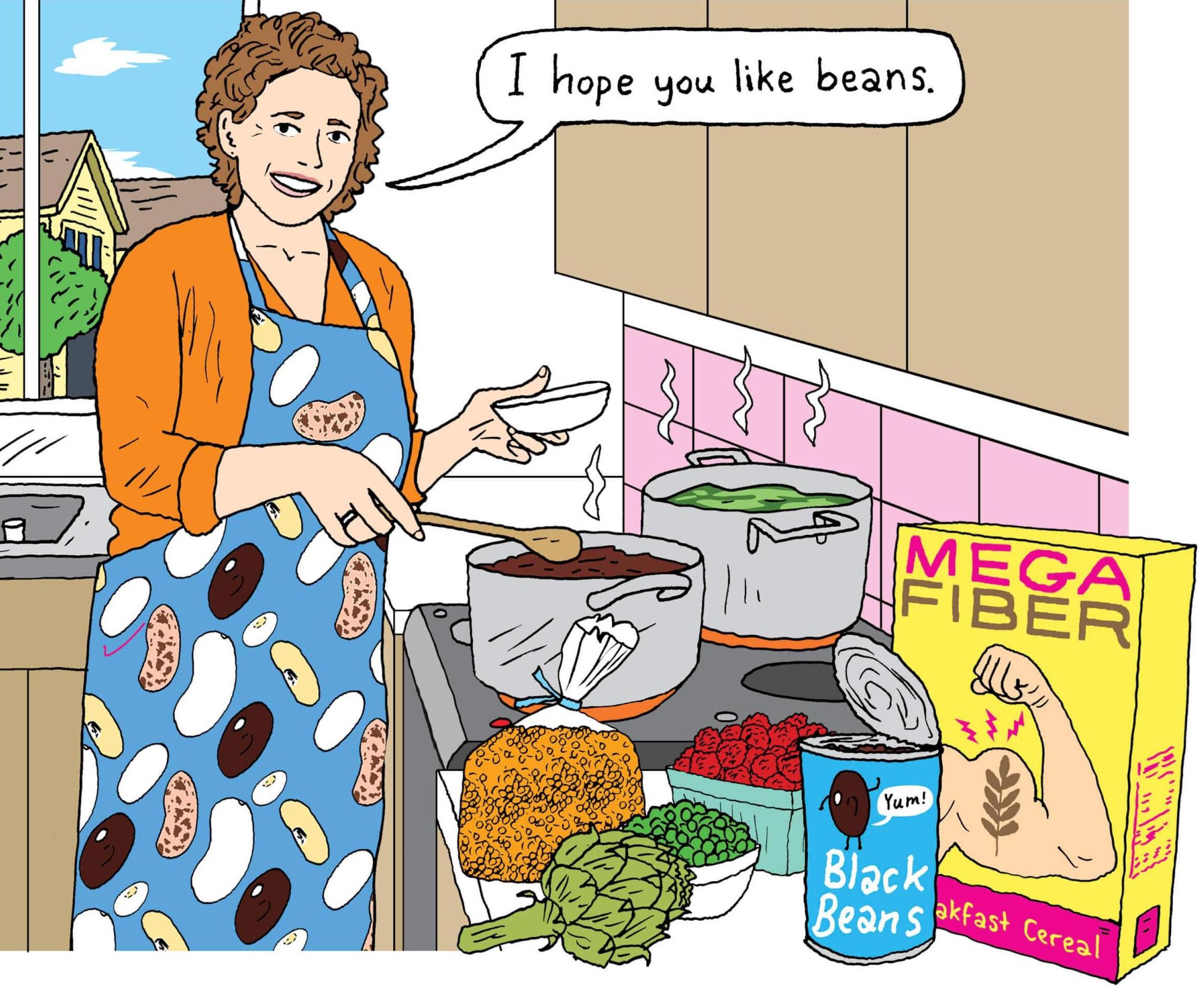
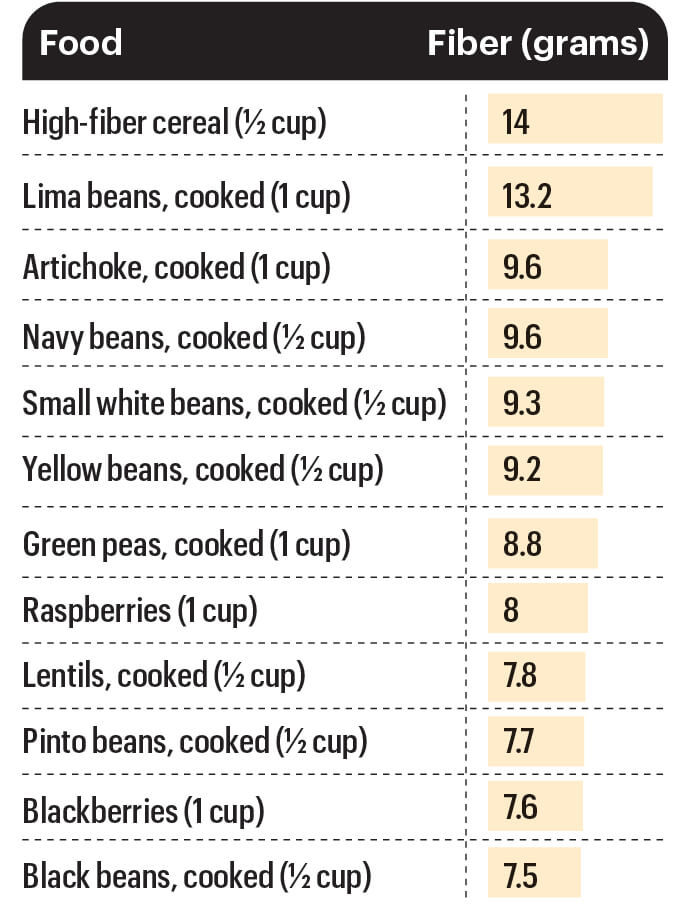
You can hit the 22-grams-a-day mark by eating half a cup of beans, a couple of slices whole wheat bread, an apple and half a cup of cooked broccoli. Want more foods to choose from? Here are some of the best sources of fiber:
4. Rate the four questions below.
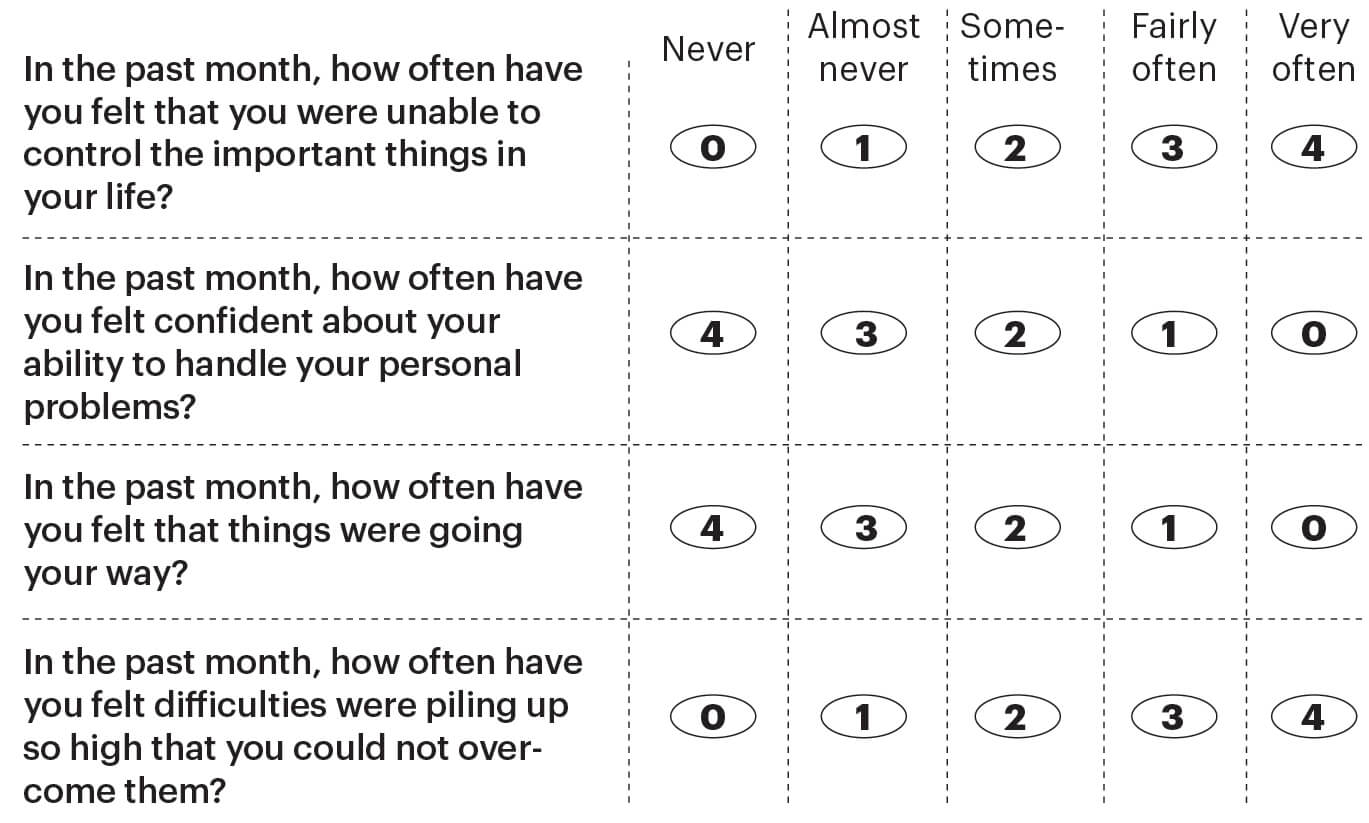
A total of 10 or more indicates high levels of perceived stress. Add 0.2 years to your age.
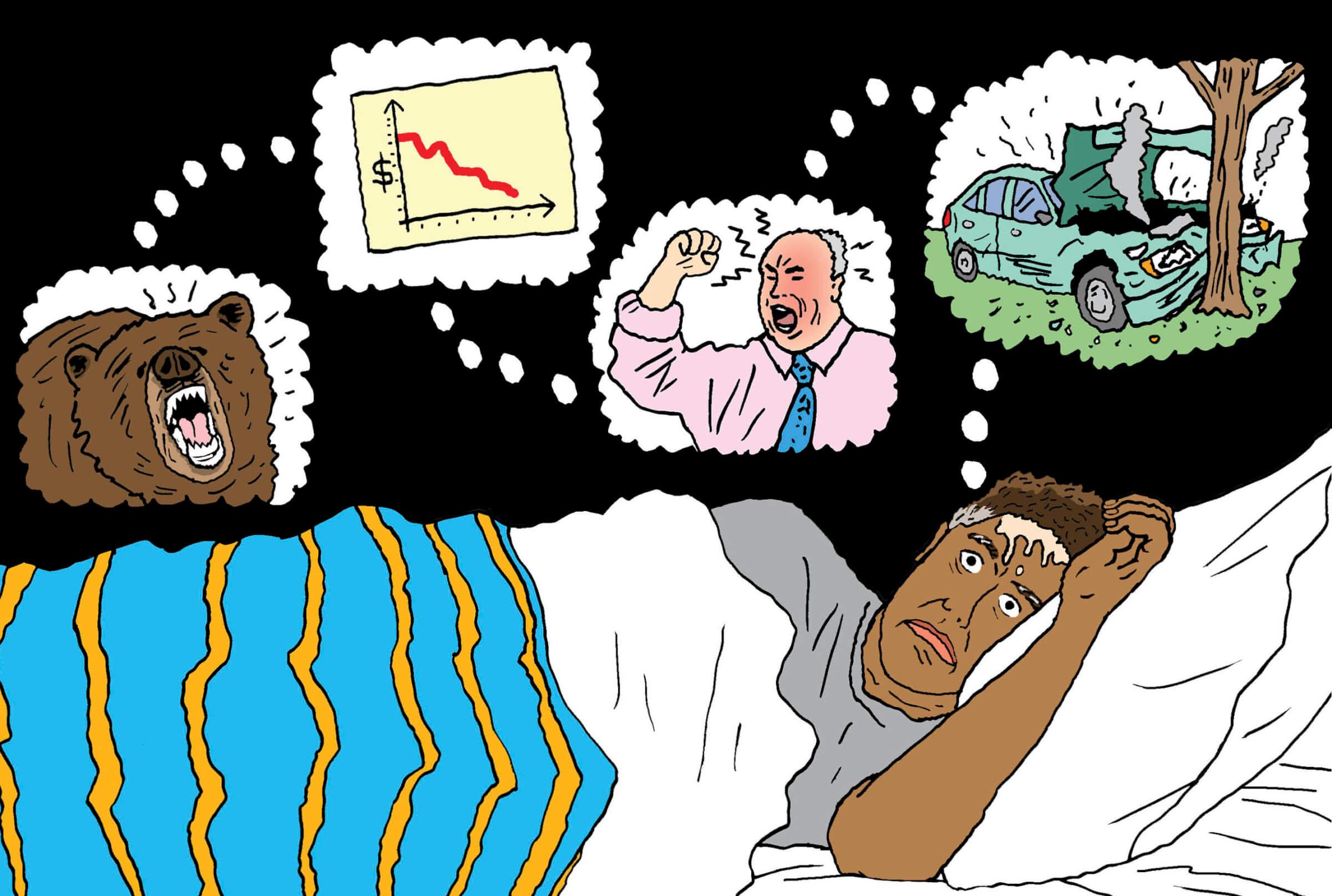
“PEOPLE who go through difficult and challenging things—high stress, trauma, PTSD—are more likely to have health issues,” says Kyle Bourassa, senior research fellow in the psychology department at Georgetown University in Washington, D.C. That much may be obvious, but he also wanted to look at whether these factors independently speed up biological aging. “And that’s exactly what we found,” he says.
Having a high level of perceived stress sped up aging more than two months each year—a magnitude similar to that of smoking, Bourassa’s 2023 research found. Why? In part because we often react to stress with unhealthy behaviors like drinking alcohol, having a poor diet, losing sleep and skipping social events. Stress also promotes inflammation that causes cells to age faster. (Although his study looked at adults 32 to 45 years old, Bourassa notes, “there is no reason to expect the link between stress and aging to be different among older adults.”)
But there’s more going on. The key is perceived stress, meaning what we think about stress and how we face it matters, since it affects how we age. “The hope is that directly lowering perceived stress may have slowing effects on aging,” Bourassa says.

5. Do you have prediabetes or diabetes?
A. Yes, prediabetes
B. Yes, type 2 diabetes
C. Yes, type 1 diabetes
D. No, my A1C is in the normal range
E. I don’t know
If you answered (a) yes, prediabetes or (e) I don’t know, add 2.7 years to your chronological age. If you answered (b) yes, type 2 diabetes, add 12 years to your chronological age. If you answered (c) yes, type 1 diabetes, add 16.3 years to your chronological age.
PEOPLE WHO have diabetes have a shorter life expectancy than those who don’t. Chronic conditions like diabetes, as well as hypertension and obesity (which are frequently associated with it), can cause physiological changes that speed up the aging process, says FSU’s He. Type 2 makes it hard for the body to regulate blood sugar, which in turn compromises cellular repair and damages blood vessels. In type 1, the pancreas has difficulty producing insulin. Both conditions can cause the protective telomeres in your DNA to shorten, while the function of the cells’ mitochondria is impaired, reducing the body’s available energy.
But there’s a caveat. Research indicates that added aging caused by diabetes can be stymied if both your blood sugar and your blood pressure are well controlled. The key to slowing the aging process is to be vigilant and consistent in your diabetes management.
And if you have prediabetes? You can prevent or delay type 2 and turn back the clock on your cells. Changing your diet, managing stress, losing a small amount of weight and staying physically active can slash your risk of type 2 diabetes in half. Keep in mind that although about 1 in 3 American adults have prediabetes, more than 80 percent of them don’t know it, according to the CDC—which is why you should take “I don’t know” as a warning sign. Talk to your primary care provider about getting your A1C tested to make sure your blood sugar is in a healthy range.
6. Do you expect more good things to happen to you than bad?
A. Yes
B. No
If you said (a) yes, subtract 4.4 years from your chronological age.
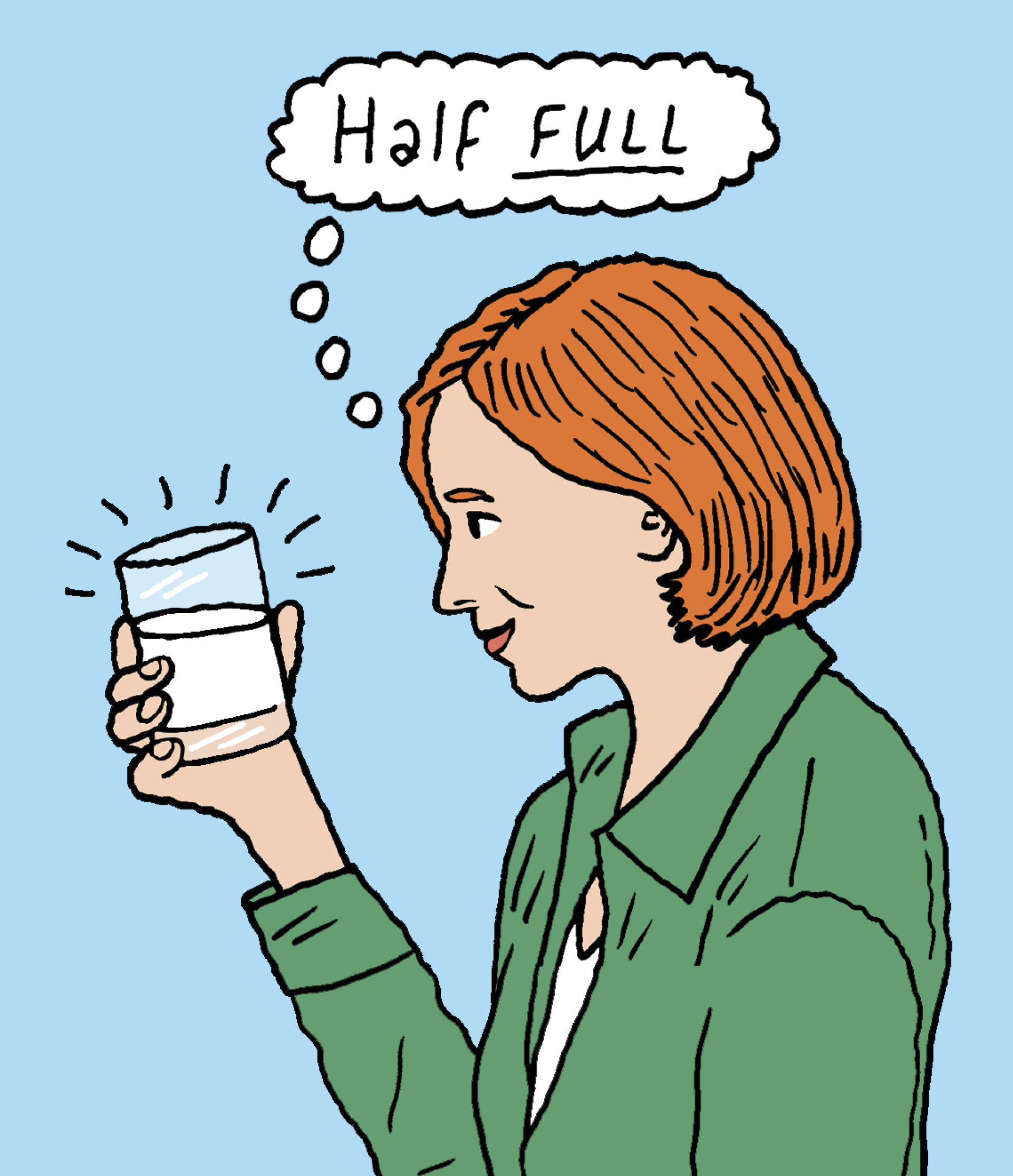
A BRIGHT outlook on life can make your day—and the days of those around you—more pleasant. But new research suggests that a generally optimistic attitude can do more than lift your spirits. Indeed, how you view the quality of your life can predict how much of it you’ll be around to enjoy.
Women ages 50 to 79 who scored higher on a test measuring their levels of optimism were more likely to have a longer lifespan—and higher odds of living to age 90-plus, according to a Harvard-led study published in the journal JAMA Psychiatry. These associations were independent of depression status, suggesting that optimism affects more than just your mood.
“This speaks to the benefits of maintaining a positive outlook on life,” says Aladdin H. Shadyab, associate professor at the Herbert Wertheim School of Public Health and Human Longevity Science and the department of medicine at the University of California, San Diego, a coauthor of the paper.
An example of the beneficial effects of optimism is famed anthropologist Jane Goodall, who lived to be 91. “She was always optimistic and purposeful in her life, which probably contributed to her longevity,” Shadyab notes.
It looks like optimism influences more than just how you see things—it’s an important driver in physical functioning, affecting things like strength and balance.
“We found that higher optimism… is associated with stronger grip strength and ability to complete chair stands, two markers used as predictors of future health.” The glass-half-full approach is related to slower physical decline with age and may help people stick to habits like avoiding smoking, eating a healthy diet and maintaining robust social connections, Shadyab suggests.
His conclusion: “Optimism may be a modifiable risk factor that we can use to achieve healthy aging.”

7. Do you drink a couple cups of coffee every day?
A. Yes
B. No
If you answered (a) yes, subtract two years from your chronological age.
COFFEE IS packed with bioactive compounds like caffeine and polyphenols (a category of plant compounds) that provide antioxidant and anti-inflammatory properties to boost cognition, reduce insulin resistance and lower the risk of chronic disease. Middle-aged adults who report drinking one to two cups of coffee per day add a couple of years onto their life expectancy compared with nondrinkers, per 2025 research. Most of that is due to a reduction in death from cardiovascular disease. Drink decaf? There are benefits there as well, but you’ll need a higher intake: Those who imbibed more than three cups of decaf daily showed a life gain of 3.76 years.
“Many studies show that coffee consumption lowers the risk of mortality, but those studies were largely performed in adults ages 40 to 60,” says UC San Diego’s Shadyab. In his 2020 research, however, those benefits disappeared for older adults. The study, which looked at women with an average age of 72, found that coffee consumption was not associated with longevity, he says. It wasn’t harmful (so keep drinking it if you like it), but a regular java habit didn’t help folks reach the age 90-plus threshold, either.
8. Answer these four questions. Add up the corresponding numbers next to each answer.

Are you male?
A. Yes (+5.36)
B. No (+0)

Have you ever smoked?
A. Yes, I’m a current smoker. (+0.60)
B. Yes, I’m a former smoker. (+0.76)
C. No, I’ve never smoked. (+0)
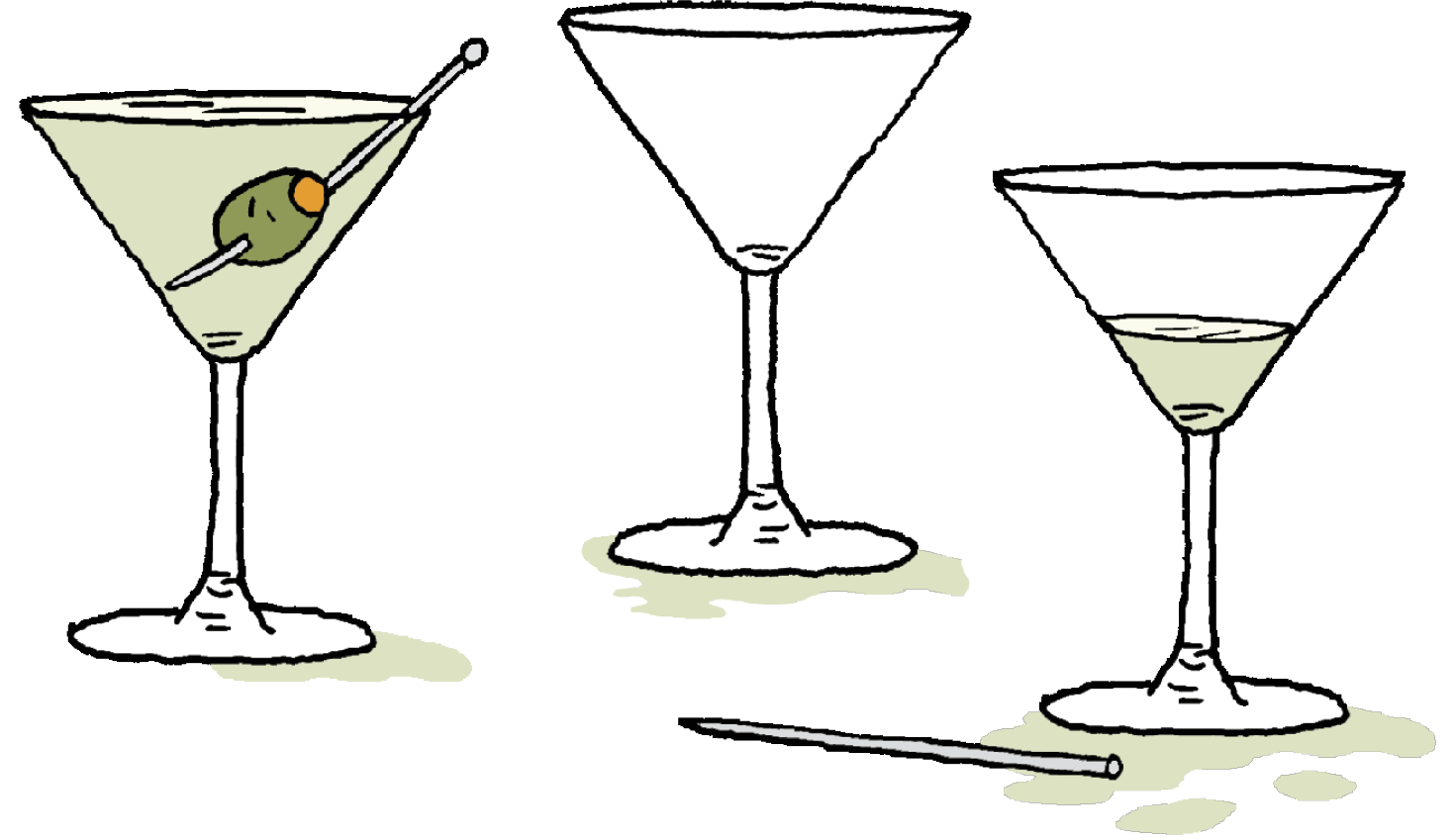
Do you consume alcohol?
A. Yes, I’m a current drinker. (+0.55)
B. No, I’m a former drinker. (-0.45)
C. No, I’ve never been a drinker. (+0)
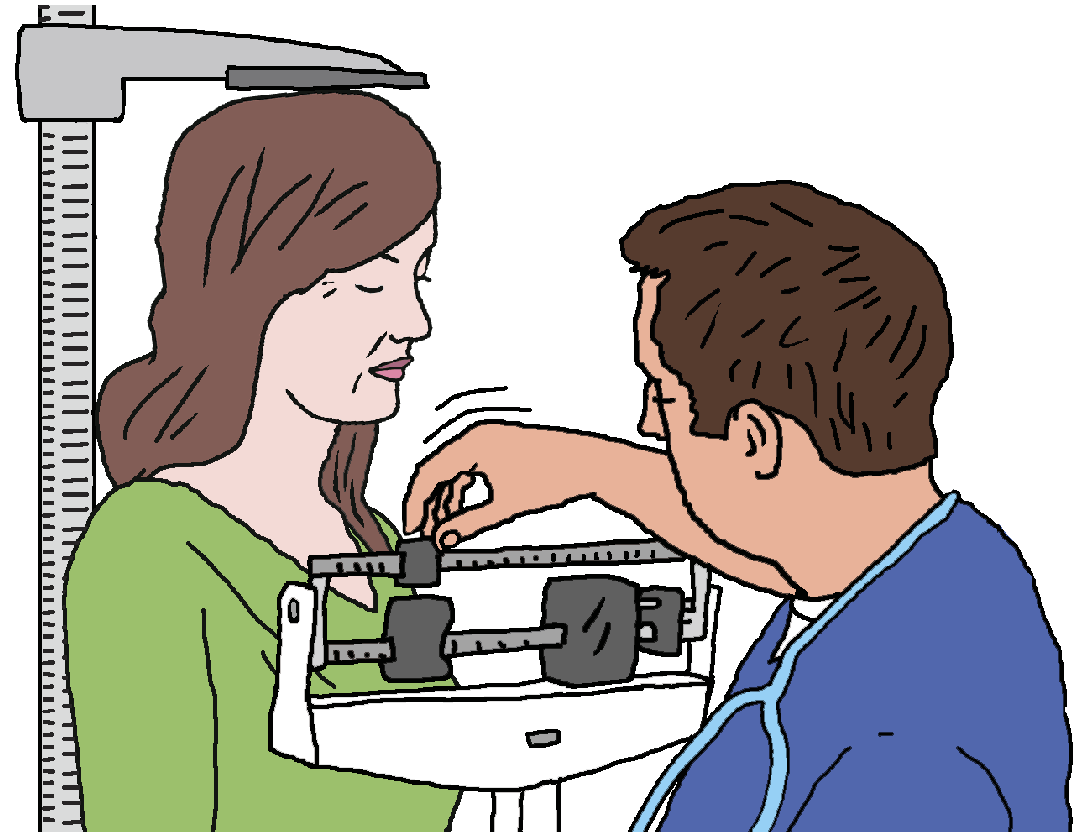
What’s your BMI category?
A. Underweight (<18.5) (+0.66)
B. Healthy (18.5 to 24.9) (+0)
C. Overweight (25 to 29.9) (-0.12)
D. Obese (>30) (+0.36)
Your answer equals the years you add to (or subtract from) your chronological age.
THESE FOUR characteristics were identified in research in the journal iScience as factors related to aging—and mortality risk. Each five-year increase was associated with a 53 percent higher risk of mortality for people in their 50s.
Smoking is known to shorten telomeres, and alcohol consumption has been shown to speed up brain aging. Men tend to age faster than women due to physiological differences and a greater tendency to adopt the health vices mentioned above. And while obesity increases inflammation, being underweight creates its own problems. Another study suggests that compared to having a normal weight, adults age 70 and over who are underweight have a 3.6 higher risk of dying in the next five years. With age, excess weight may actually be protective for your health.
As for being male—take it as a wake-up call to get your house in order with exercise, diet, monitoring your cholesterol and blood pressure, and getting preventive screenings. Of course, these are good ideas for women, too.
EXTRA CREDIT
YOUR 50s: THE LONGEVITY PRIORITIES
Depending on your age group, there are different strategies for healthy aging you can follow, says FSU longevity researcher Zhe He. Here’s what he recommends for people in their 50s.
To prevent chronic conditions and their risk factors:
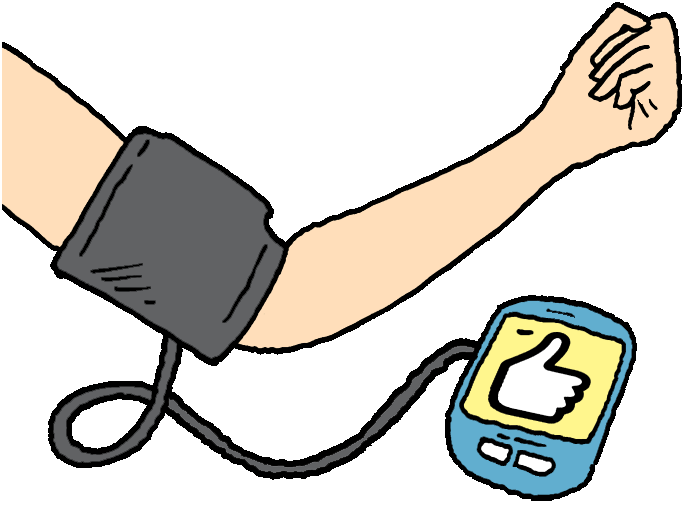
Regularly check your blood pressure.
Get your blood sugar tested.

Maintain a healthy weight.

Manage your cholesterol.

Follow an exercise routine that includes weight training.
EXTRA CREDIT
STAND UP, SIT DOWN, LIVE LONGER
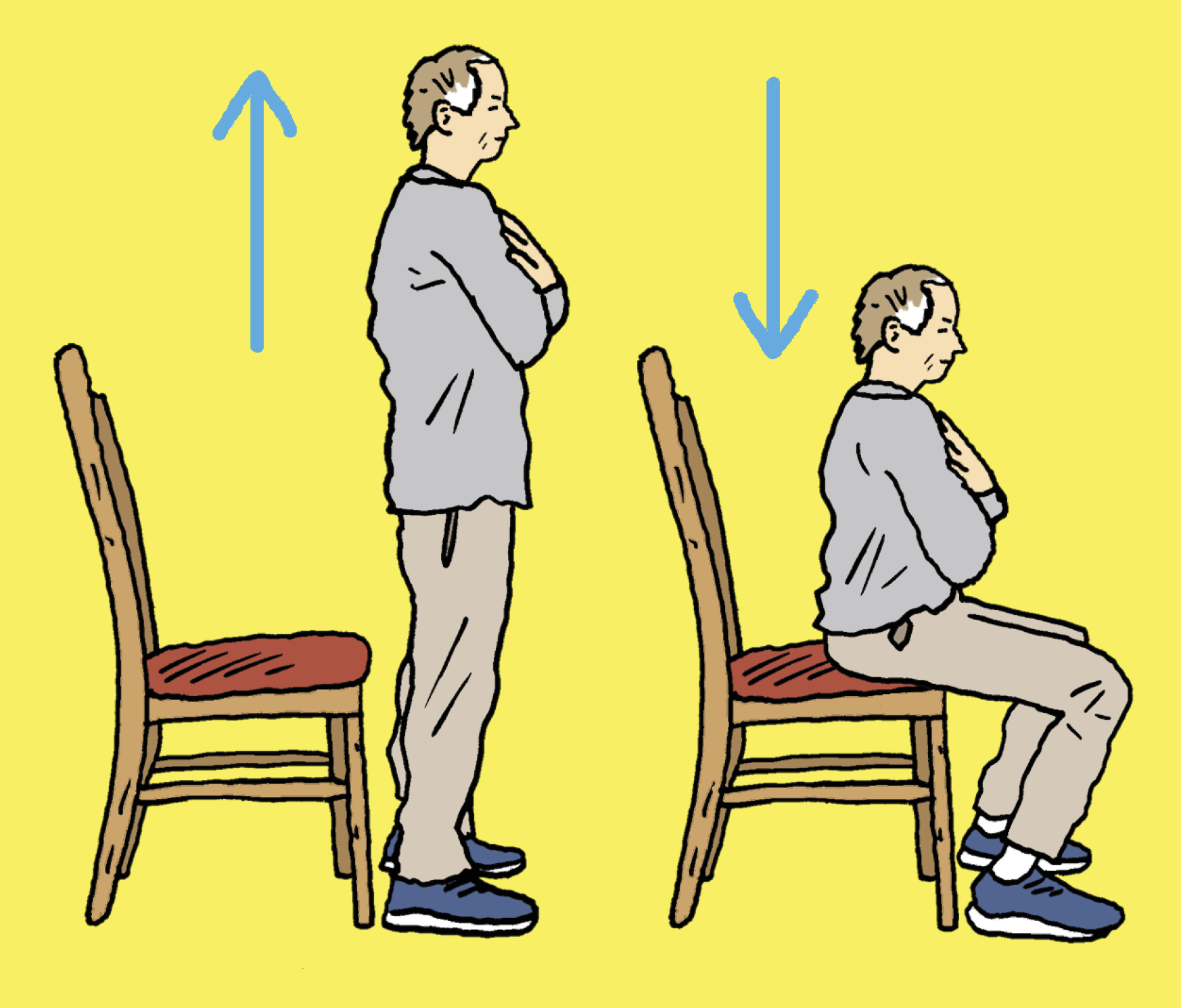
THE SIT-TO-STAND test measures your lower-body strength and physical function. Use a slightly padded chair of a standard height with no armrests. Start seated with your feet flat on the floor. Crossing your arms across your chest, stand up completely, then sit back down, instructs Richard W. Bohannon, a fellow of the American Physical Therapy Association. Time how long it takes for you to do five repetitions as quickly and safely as possible. “The results give us some idea of the strength of your lower limbs,” he says. Women who can do five reps in six seconds or less—and men who can do the same in five seconds or less—are fitter than 95 percent of all 50-somethings.
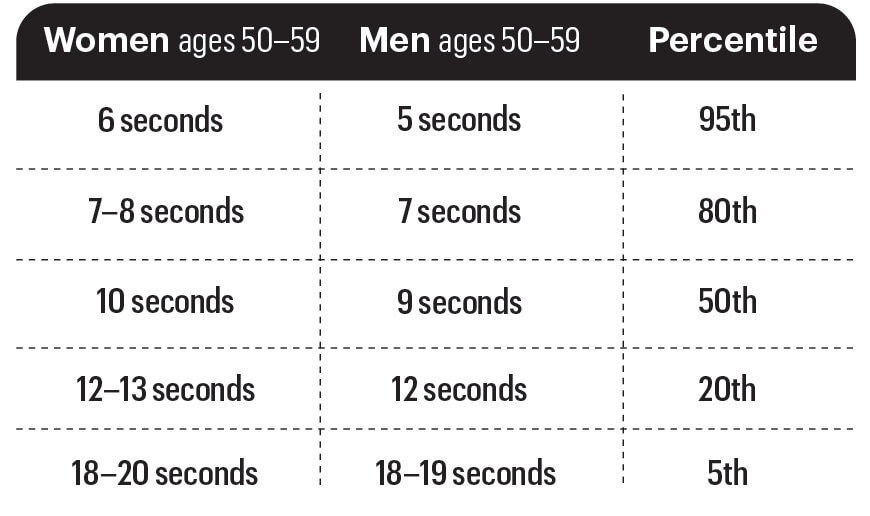
Struggling with this test? You may have less muscle control and balance, and be more likely to fall.
EXTRA CREDIT
FLEX TEST: CAN YOU SCRATCH YOUR OWN BACK?
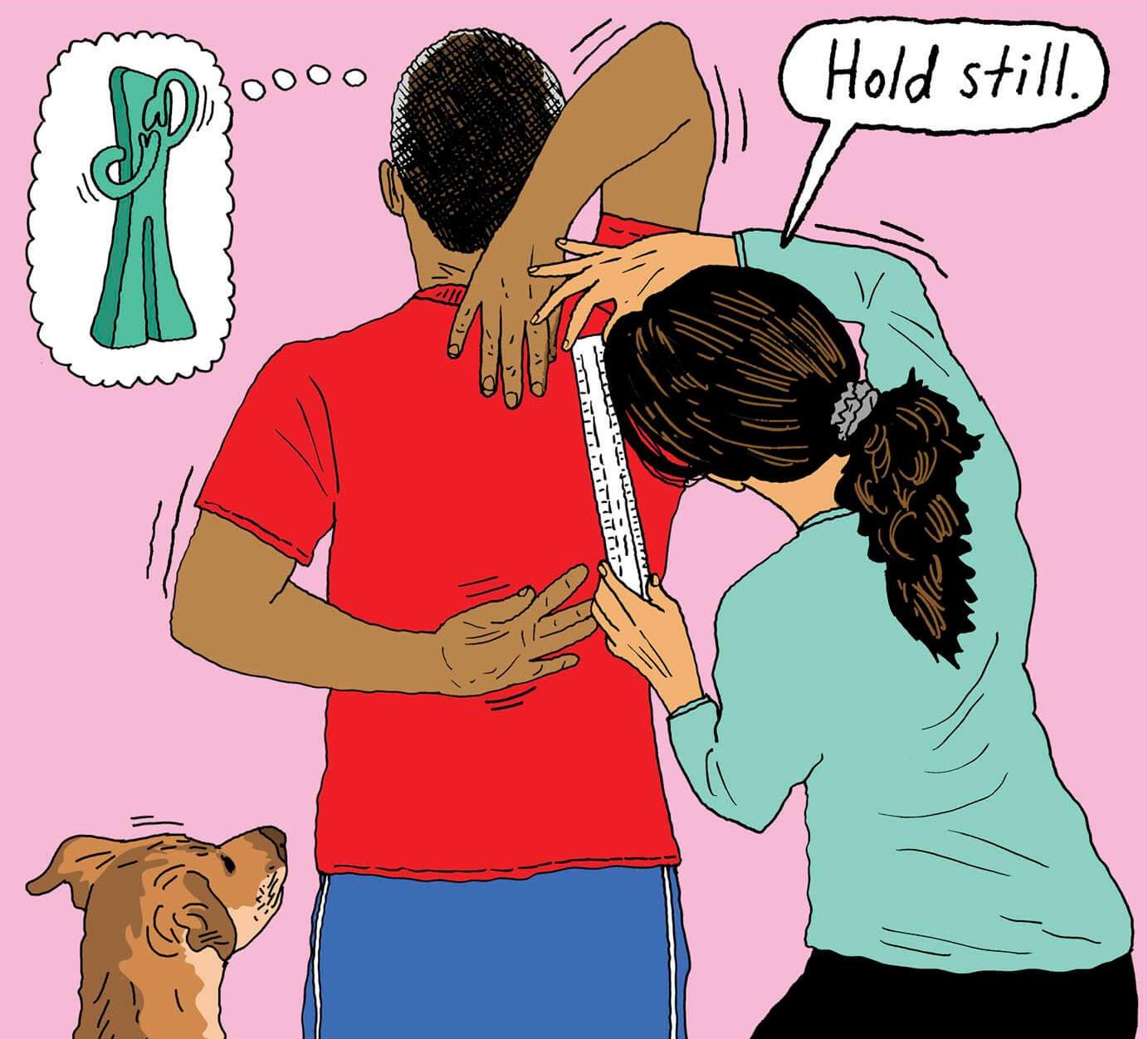
TO TAKE the test, stand with your feet shoulder-width apart. Extend one arm over your shoulder and down toward your middle back; place the other hand on your back, reaching up toward the middle of it. Try to touch the fingers on your opposite hand. If they won’t touch, ask a partner to use a ruler to measure the distance between your fingers. Practice and test two times. Compare your best test score to the results below:
Women
Below average: More than a 3-inch gap
Average: Less than 3 in.; overlap up to 1.5 in.
Above average: Overlap more than 1.5 in.
Men
Below average: More than a 6.5-inch gap
Average: 0 to 6.5-inch gap
Above average: Overlap
This test is part of measuring fitness among older adults, since upper-body flexibility is needed for independence with age—think getting dressed and reaching for an object.
Shoulder flexibility starts to decline around age 55, with a more prominent drop-off starting at 70. Poor flexibility is associated with a higher risk of mortality from any cause. Do an upper-body stretch at least twice a week, focusing on neck, chest, shoulders and back.
EXTRA CREDIT
SOCIAL SUPPORTS KEEP THEM STRONG
OLDER ADULTS who reported stronger social ties across several domains—faith, community, friends, family—had slower biological aging and less inflammation, a 2025 study by U.S. researchers found. “Having a strong social network and being socially connected is an important factor for longevity,” says FSU’s He. At the same time, the other side of that coin—loneliness—contributes to aging.
This is a call to examine your relationships and respond with a more resounding yes to invites from family, neighbors and community. And there’s one additional move you can make for a more youthful attitude: Pursue an age-gap friendship. Adults 60 and over who have friends more than 10 years younger than they are enjoy more positive perceptions of aging, according to research published in the European Journal of Ageing.
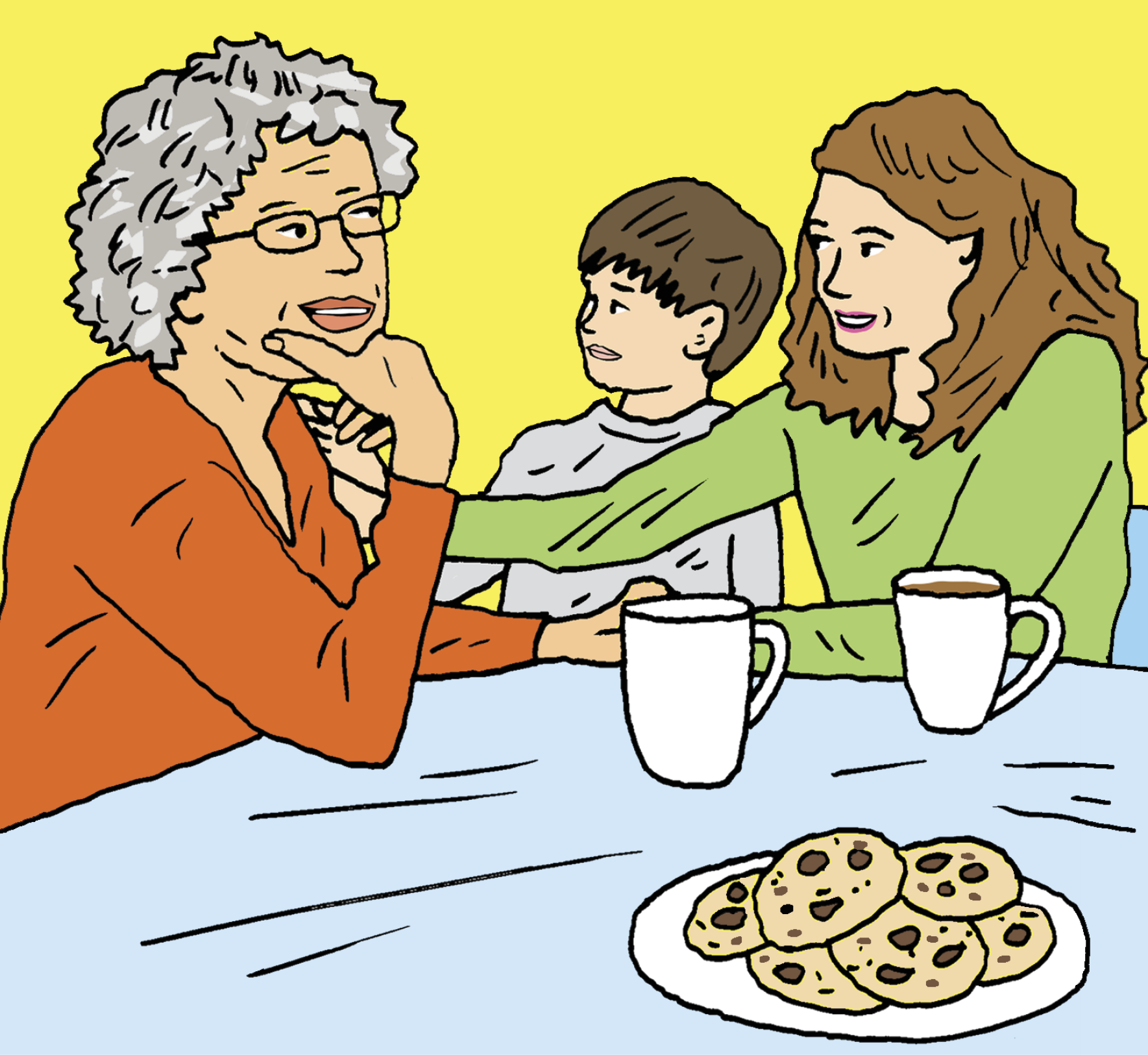
Supportive family and/or friends
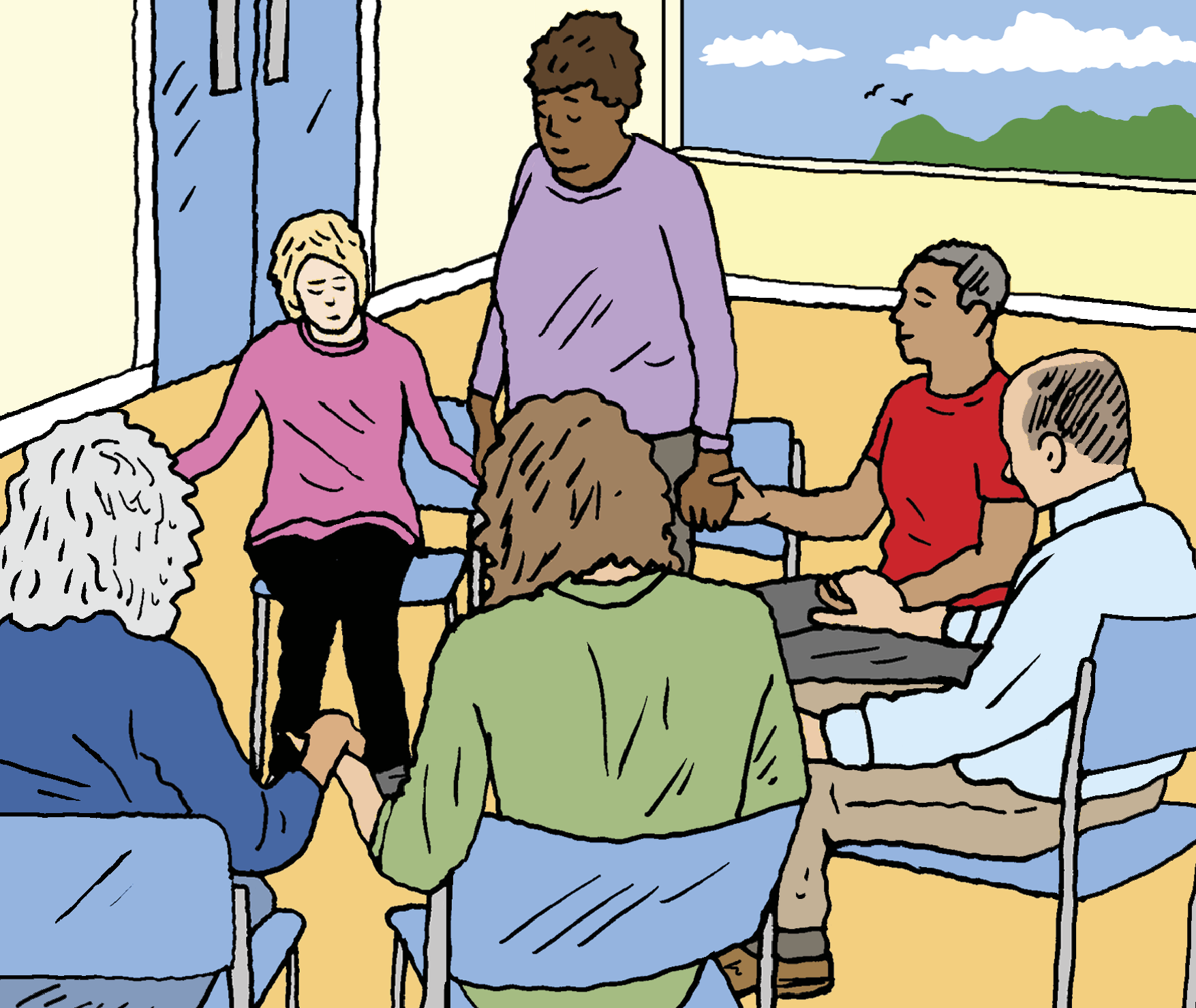
Religion or spirituality
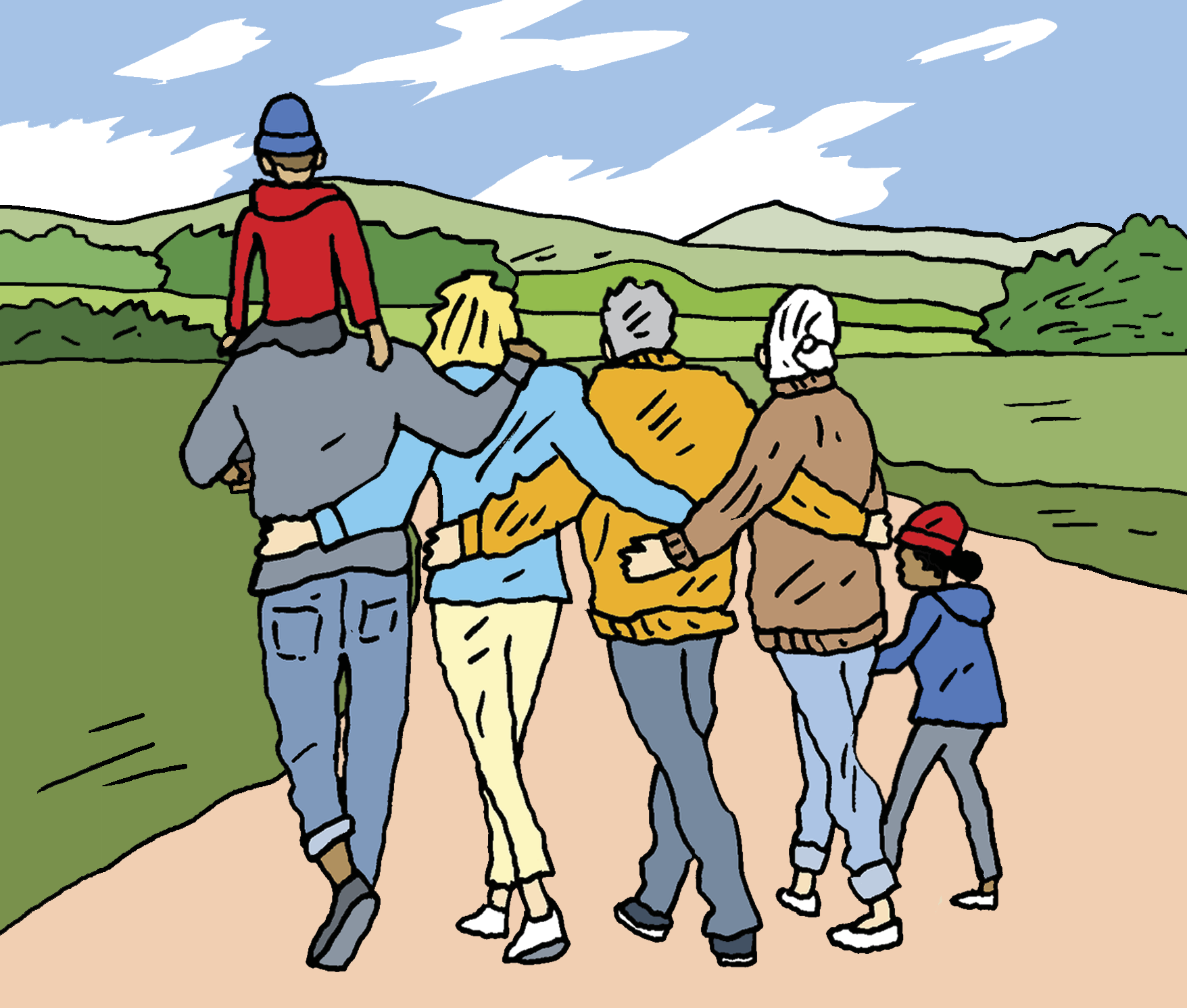
Positive relationship with your children
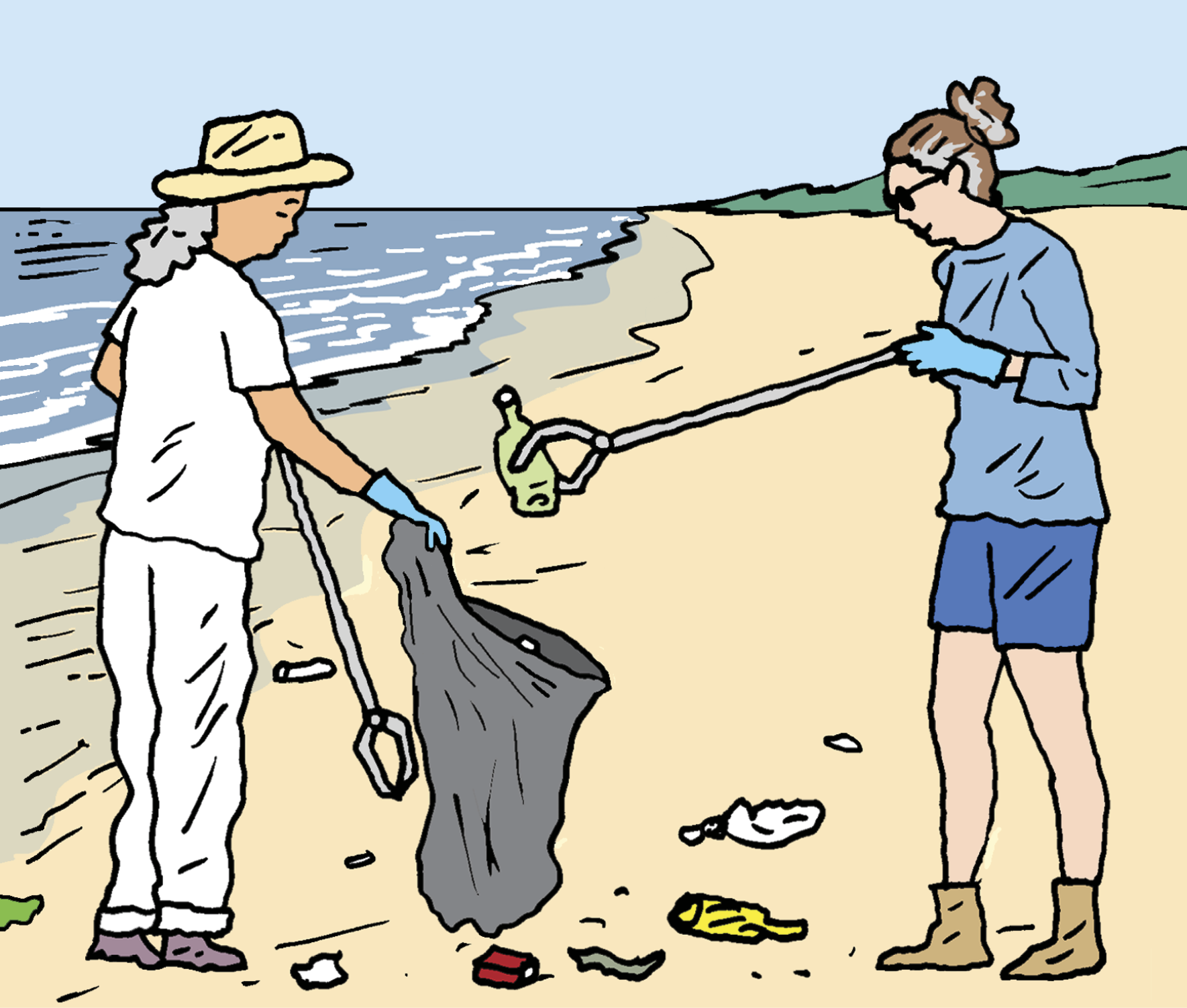
Engagement in your community
EXTRA CREDIT
CAN BLOOD AND SALIVA TESTS REVEAL YOUR BIOLOGICAL AGE?
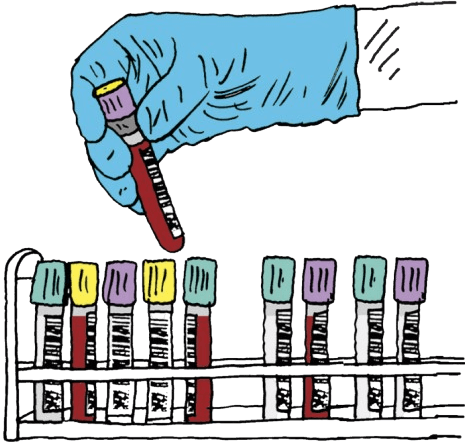
PLENTY OF companies have sprung up over the past decade or so with claims that they can provide an accurate overview of your health—all you need to do is send a few drops of your bodily fluids to their lab for analysis.
“There has been a rapid proliferation in these types of tests,” says Dr. Douglas E. Vaughan, director of the Potocsnak Longevity Institute at the Northwestern University Feinberg School of Medicine in Chicago. The best of these tests, which can cost several hundred dollars, analyze DNA methylation patterns—essentially biomarkers that provide an estimated measure of biological age, says Vaughan. (You can find further explanation in the “How does this test work?” info on the product.)
“This is a pretty well-validated test,” Vaughan says, “but one single test doesn’t tell you your whole story. These tests don’t capture all functional or physiological changes that occur with age, and they can miss things or be misinterpreted.” Other metrics, like ability to hear, gait speed, heart rate variability and grip strength, are needed to provide a more complete picture of your biological age.
Programs like the Human Longevity Laboratory at Northwestern Medicine offer this comprehensive approach, but at a significant price: Such testing often costs thousands of dollars out of pocket.
If you do take an at-home test, you’ll need to be prepared for what to do with the results, positive or negative, says Vaughan. “Most people take this positively. It motivates them to do something about their health.”
One thing you shouldn’t do: “Don’t run out to the store and buy 100 different supplements,” says Vaughan. “Think about your lifestyle and exercise program, what kind of food you eat, how much you weigh, and how well you sleep and manage stress. See what you can do about those things.”
Jessica Migala has written on health and fitness for Women’s Health and Family Circle.