Upfront/LISTEN
Music Formats Over Time
How we listen just keeps changing

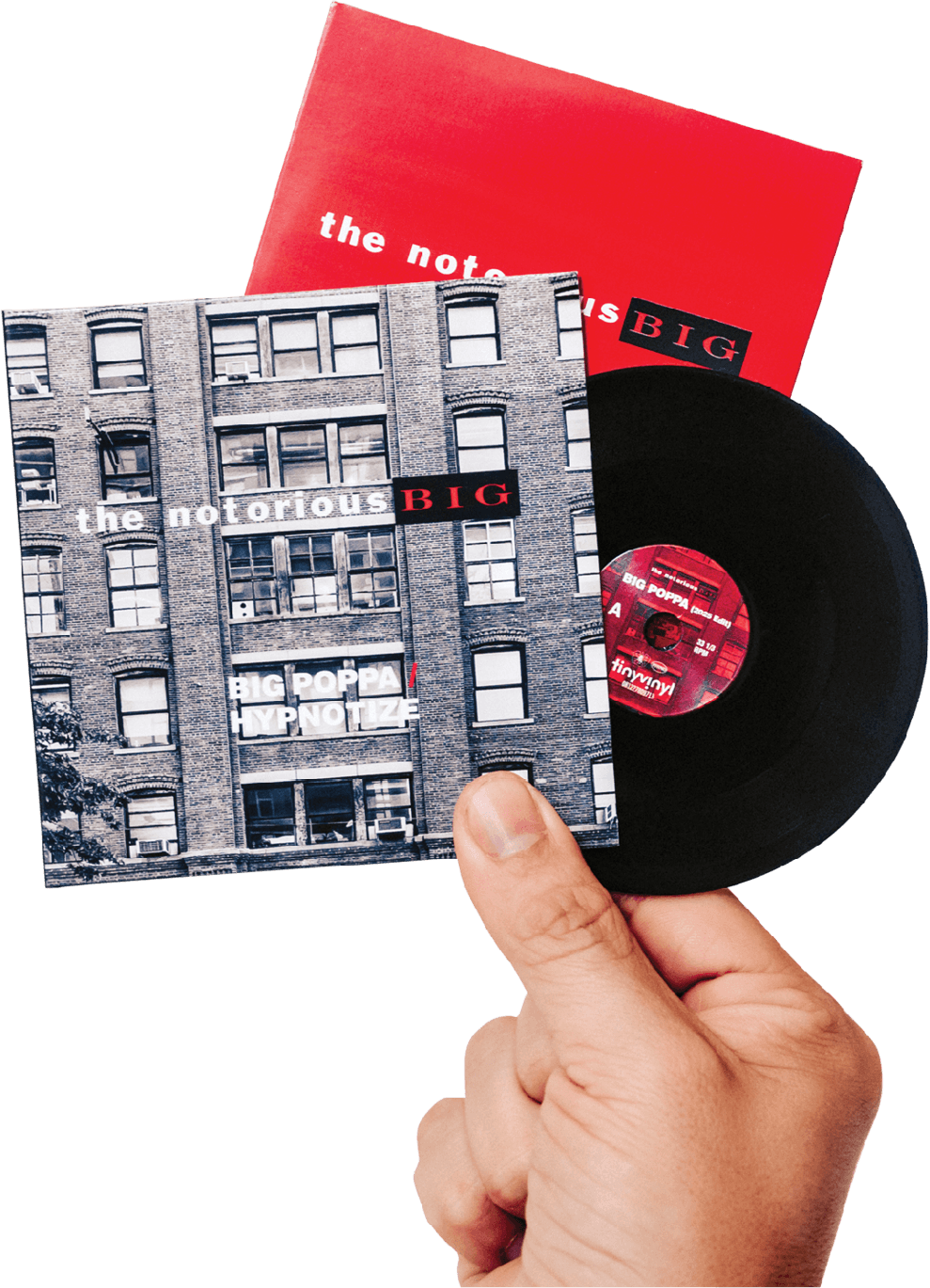
RECENTLY, A NEW kind of vinyl record was introduced. Tiny Vinyls are 4-inch records that hold one song, up to four minutes long, per side. They play at 33⅓ rpm on most standard record players.
For older Americans, yet another music format probably doesn’t hold much appeal—we’ve invested in so many others already. Let’s take a walk down memory lane.
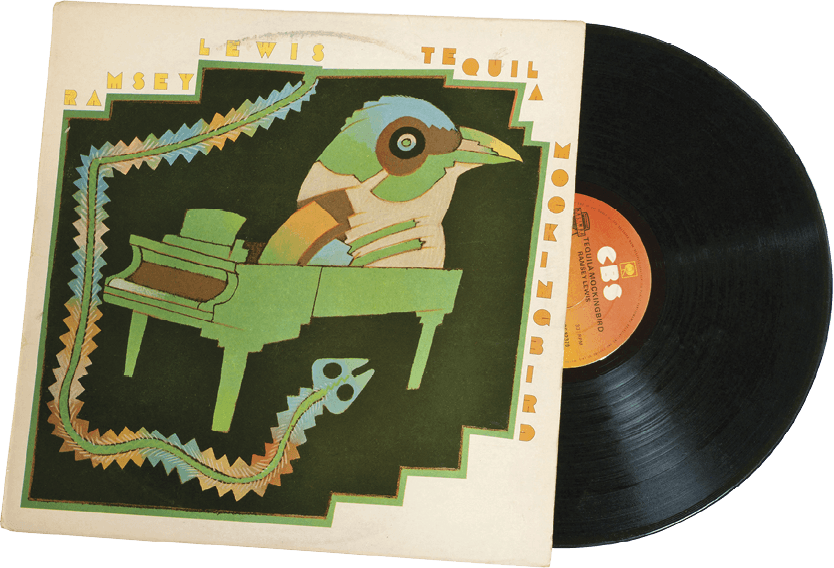
VINYL RECORDS
Records—at 78 rpm, then later at 33⅓ and 45 rpm—have been popular since the early 20th century.
CURRENT STATE: Still popular. The Recording Industry Association of America (RIAA) calculated that 44 million vinyl albums were sold in 2024.
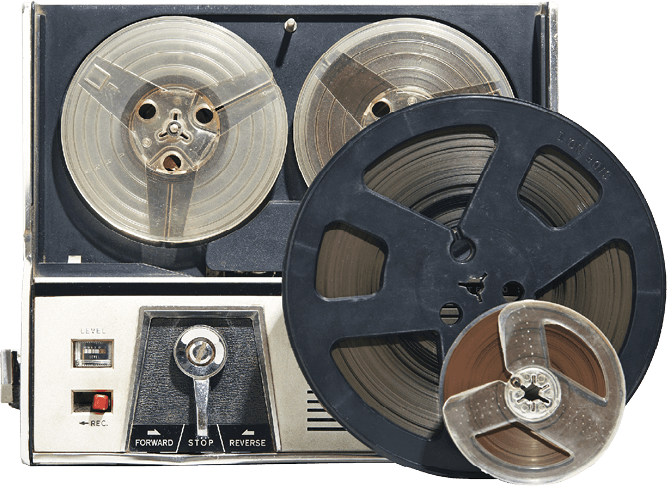
REEL-TO-REEL TAPES
Developed in the 1940s, this delicate format—played on bulky machines—later became available for home use. (Columbia House subscribers may recall that only select releases were on reel-to-reel.)
CURRENT STATE: The format was thought extinct but reemerged last fall with rereleased classic titles by Yes and T. Rex.
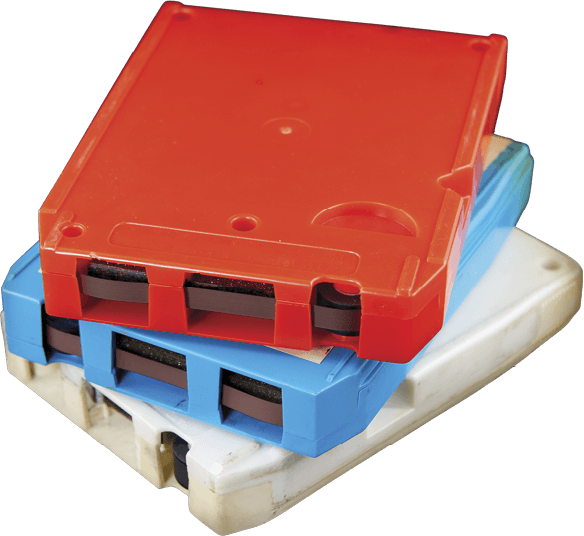
EIGHT-TRACKS
In the mid-’60s, these tapes brought album listening to cars. (There were home players as well.) But there was a big ka-chunk sound when the player needed to switch channels—sometimes even midsong!
CURRENT STATE: This is the stuff of hobbyists today.
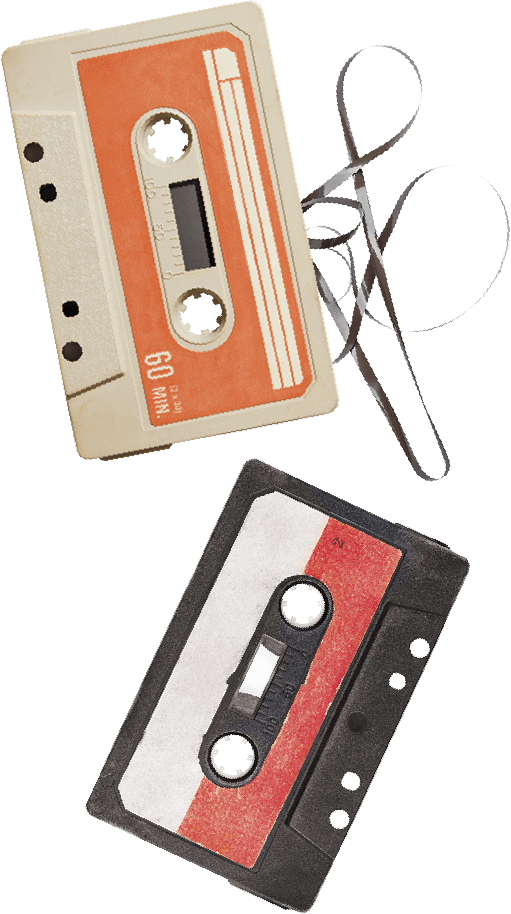
CASSETTES
Introduced in 1963, these were mini reel-to-reel tapes in a handy format. They were wildly adaptable—you could listen at home, in cars or on the go through boomboxes and portable players like the Sony Walkman.
CURRENT STATE: Many artists still release albums on cassette as a low-cost way for fans to own a physical product.
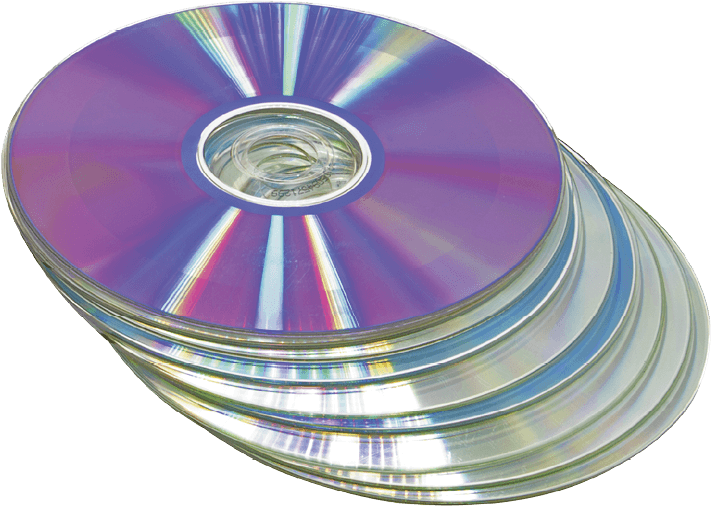
COMPACT DISCS
Introduced by Philips and Sony in 1982, CDs exploded in popularity in the late ’80s and early ’90s, as many music fans dumped their vinyl and cassette collections and repurchased albums on this modern format that utilized lasers.
CURRENT STATE: CDs are not as popular as they once were, but they remain a mainstay format. The RIAA says 33 million units were sold in 2024.
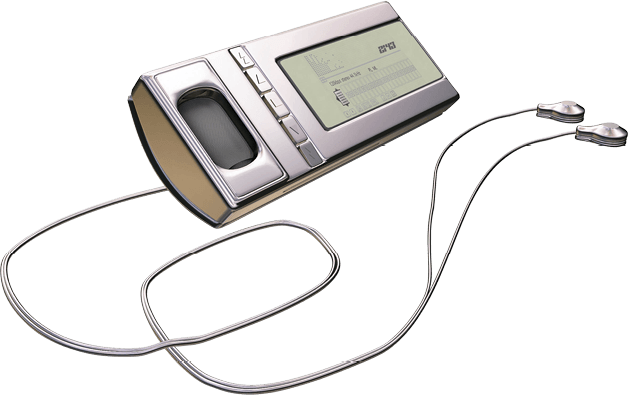
MP3s
The digital download format began to gain favor in the late ’90s. Apple’s iPod, introduced in 2001, became a ubiquitous piece of hardware, promising the ability to carry your music collection in your pocket, and a short time later, the iTunes download store allowed fans to purchase individual tracks off albums.
CURRENT STATE: Digital download services remain, but dedicated MP3 players have been mostly replaced by smartphones.
STREAMING
By the 2010s, streaming services, led by Spotify, offered users the ability to play music on devices without needing to download tracks. This gave fans instant access to millions of songs for a subscription fee (or for free with ads).
CURRENT STATE: By 2015, streaming became the top source of revenue for the U.S. music industry. It continues as the leading format, according to Luminate, which tracks music consumption. —Craig Rosen