Your Life
THE LAST TIME WE MET, ASH COVERED HIS FACE
A chance reconnection, 25 years after 9/11
The writer, above center, with Stanley Praimnath, left, and Brian Clark, both of whom survived the World Trade Center attack on Sept. 11, 2001
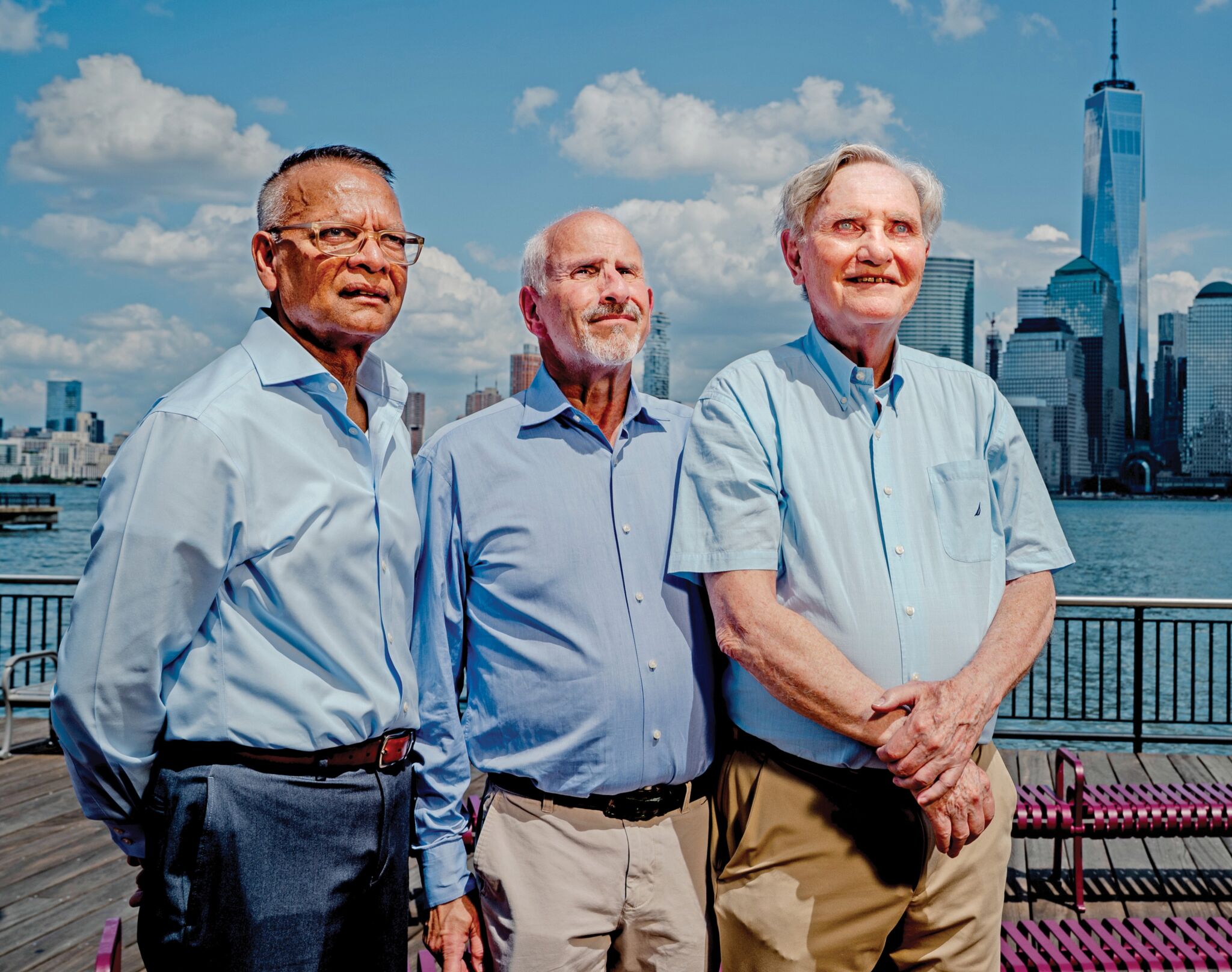
The writer, above center, with Stanley Praimnath, left, and Brian Clark, both of whom survived the World Trade Center attack on Sept. 11, 2001
It was a routine appointment on an ordinary day this past spring. At least it started that way.
I was visiting my eye doctor in Woodcliff Lake, New Jersey. My name was called. I was about to go to the examination room when the patient next to me said, “Are you the Ed Baig who wrote about tech for USA Today? I have to talk to you.” Before the conversation could go further, I was ushered into my eye exam. When I was done, there the man was again, waiting. I didn’t initially recognize him, but he mentioned the World Trade Center, and my mind flashed back 25 years.
I had met Brian Clark once before, at a train station in Glen Rock, New Jersey. His face was covered in ash. The date was Sept. 11, 2001.
I was covering the 9/11 terrorist attack for USA Today. For all the newspaper’s journalists, regardless of their regular beats, that was the job that day. I had been assigned to interview people in my community, near New York, for their reactions. I happened upon Clark. Hours earlier, he had escaped the World Trade Center’s South Tower. But the ash on his face and clothing told only part of the story. On the way down from the 84th floor of the building, he had rescued a stranger, Stanley Praimnath, on the 81st floor. I wrote about the dramatic rescue.
“Your USA Today column changed my life,” Clark told me all these years later. “It led to many interviews, documentaries and speeches”—and testimony before the 9/11 Commission. Without my column, he added, “no one other than my family and friends would have known my story.”
Now 79, retired and the grandfather of 11 grandchildren, Clark says he would have been fine leaving the details with his inner circle. But, he told me, “I am pleased that others have my story as a reference point for both factual and emotional reasons.”
He still gives talks at schools, churches, businesses and charities. “The consistent feedback I have received from listeners is their appreciation of the details I described. ‘I felt like I was with you as we were descending the tower.’ Or ‘My cousin died in the WTC that day, and now I have a better understanding of what she went through.’ Many others have offered statements such as ‘Your calmness was inspirational.’ Or ‘Your optimism gives me hope for the future.’ ”
WHAT HAPPENED THAT DAY
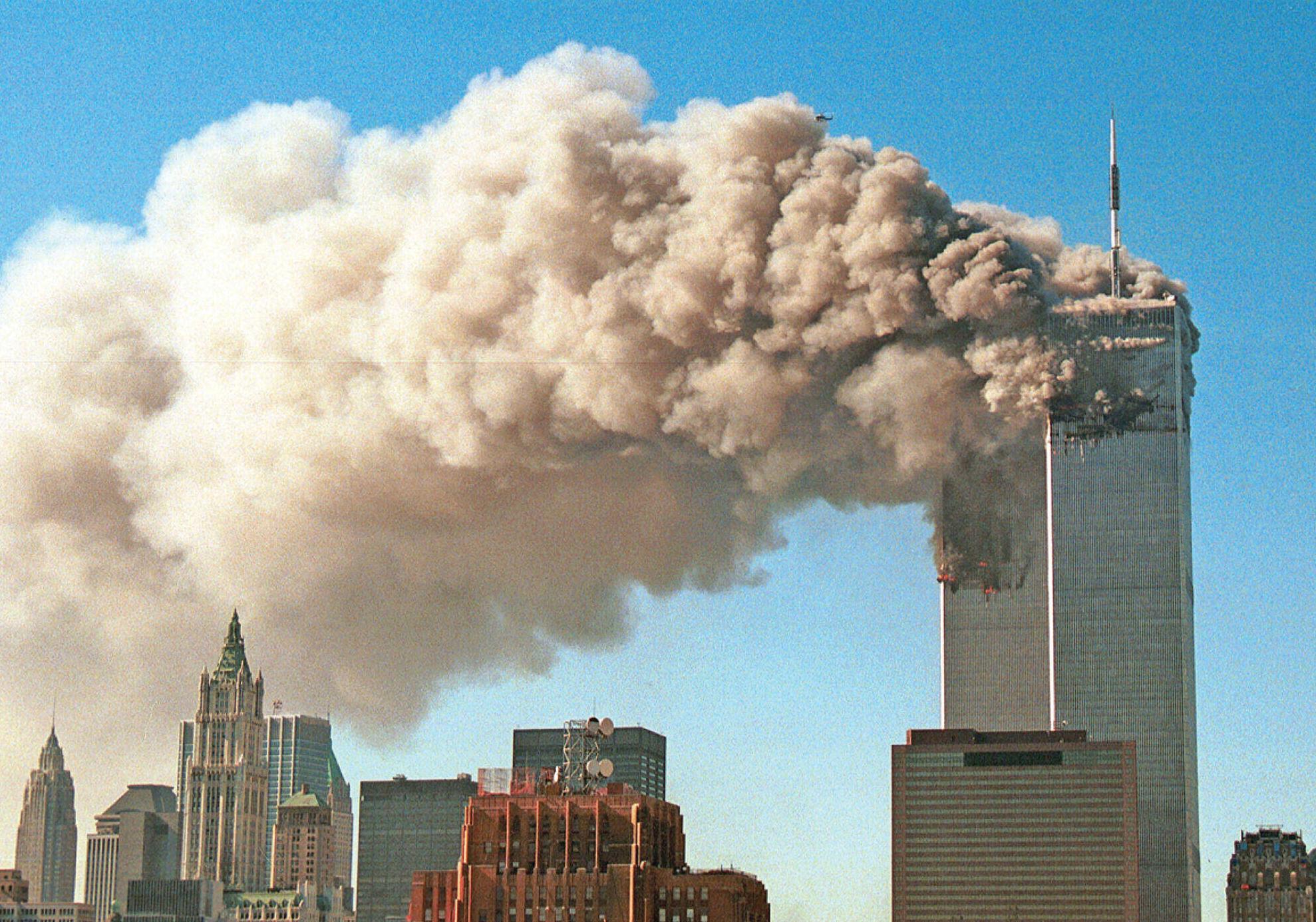
Clark survived because he ignored advice to go up to the roof. His office at the international brokerage firm Euro Brokers was just above the point where the second plane struck the South Tower at 9:03 a.m. He and several coworkers started down a stairwell, but on the 81st-floor landing, a woman urged everyone to head back up, warning of smoke and flames below. As the group debated what to do, Clark heard a muffled cry for help from behind some rubble—a man saying he couldn’t breathe.
Clark and a colleague went to help the man, who he later learned was Praimnath. But when his coworker was overcome by smoke, Clark was on his own. Everyone else in their party followed the woman’s advice and went back up. They were tragically among the nearly 3,000 people who died.
Clark, who had a flashlight, helped vault Praimnath over a wall, and the two made their way down a staircase to the street and ran toward nearby Trinity Church. Less than 10 minutes later, the South Tower fell. They were among only 18 who escaped from the South Tower despite being at or above the point where the plane struck.
Clark still stays in touch with Praimnath, 70, who lives on Long Island and retired from his job as a bank executive in 2023. Praimnath became a licensed minister in 2006. “Blood brothers for life,” Clark says. Literally. Clark remembers grasping Praimnath’s hand during the escape; each had bloody wounds on their palms. “The longest time we go without talking now is a couple of months,” Clark says. When he calls to wish Praimnath a happy birthday, family members call out, “Uncle Brian is on the line.”
OUR CHANCE MEETING
Had he not heard my name called aloud in the doctor’s office, Clark says, he wouldn’t have recognized me any more than I would have him. But meeting him again—and learning what he had done and hearing his words—brought me some new perspectives on life.
“I learned that there’s no point in trying to answer unanswerable questions,” Clark told me. Like our reunion encounter. Why did that happen? Clark says that he was “dazzled” by the happenstance—and that it occurred so near the 25th anniversary of the attacks—but ultimately unfazed. It’s how he feels, too, about the tragic events at the World Trade Center and his escape. Some things in life will remain mysteries, he says: “Why me and not somebody else? What if I turned right instead of left? All that stuff. You can’t have a do-over, so we’ll never know.”
Edward C. Baig covers personal technology for AARP.
Watch a video with Baig, Clark and Praimnath talking about their lives in the 25 years since 9/11. Go to aarp.org/sept11