COVER STORY
HOW YOUR BRAIN HEALS ITSELF
Researchers are discovering promising new ways to help our brains recover from the impact of aging and injury. Here’s how you can help your brain build itself back up—and be better than ever
Stephanie Dalton Cowan
Stephanie Dalton Cowan
What if your brain could be stronger, sharper and more agile than it is today?
We’ve been told life doesn’t work that way: As we get older, concentration wanes, recall recedes, executive function suffers. But over the past several years, researchers have been starting to question whether those changes are inevitable. Indeed, they’ve found that our brains have a powerful self-healing tool, one that scientists are learning to leverage more fully.
That tool is called neural plasticity—the brain’s innate ability to rewire and reprogram itself. Recent research has even indicated that when a section of the brain is injured, other sections can spontaneously become “younger” as they help the brain rewire itself.
“We learn and grow each day on the basis of neural plasticity,” says Dr. Steven C. Cramer, a stroke neurologist in the department of neurology at the University of California, Los Angeles. “Using a host of approaches, from medicines to stem cells to targeted electrical stimulation, researchers are learning to tap into this capacity to boost recovery after a brain injury such as a stroke.”
For anyone who’s feared for their brain health—who wonders if a childhood concussion, a few too many late-night parties, a family history of cognitive decline or even a stroke or other brain trauma might be pointing toward a less than optimal future—this research offers exciting new hope.
GREATER RISKS, REMARKABLE RECOVERIES
Derek Smith was teeing up on the 12th hole at Pebble Beach in December 2024 when something went horribly wrong.
He was 54, playing a round of golf with a client at the famed course in California. Smith swung. The ball didn’t go very far. Then came the sensations he still struggles to describe: He felt dizzy, discombobulated, disoriented. The ground seemed unreliable beneath him.
His playing partner, who had two close family members go through similar episodes, recognized the warning signs of stroke. Smith was airlifted to a hospital, where doctors found a tear in his left carotid artery and threaded in three stents to keep blood flowing to his brain. The stents saved Smith’s life, but a second stroke two weeks later left the right side of his body paralyzed; he couldn’t walk, and when he tried to speak, the words wouldn’t come out the way he needed them to. In addition to paralysis, Smith was experiencing aphasia, a language disorder that can impair the ability to speak, understand speech, read and write.
“I was in disbelief because I was so young. I had never had any issues with my health before,” he says today. Smith’s recovery has been remarkable by any measure: He walks now. He speaks fluently enough that, listening to him, it’s hard to believe he had one stroke, let alone two. “If you knew me a year ago, even six months ago,” he begins, then pauses. “This has been a journey of getting better and better and better. It’s amazing what can happen in the brain.”
But these gains did not come easily. As researchers learn more about how the brain heals itself, we’re also learning that healing takes aggressive action on the part of both doctors and patients. If you want your brain to recover from any challenges it may have faced, knowing the new approaches—and putting them to use—is critical.
THE NEW BRAIN BREAKTHROUGHS
Researchers seeking to optimize the power of neural plasticity have identified a number of new avenues to explore. Among them:
▶︎ High-intensity, high-dose exercise: When it comes to protecting and even improving the brain, moderate exercise isn’t the whole answer. In a breakthrough study of 151 adults ages 65 to 86, researchers put subjects on one of three 30-minute workout routines: either a balance and stretching routine, a brisk walking program or high-intensity interval training (HIIT) involving cycles of four minutes of hard work followed by three minutes of easier movement. Each group worked out three times a week for about six months. In the end, only the HIIT group showed positive changes to the parts of the brain responsible for forming and retaining memories—changes that were still visible in brain scans five years later, even if the subjects had stopped exercising in the interim.
▶︎ Extensive and intense physical and occupational therapy: Intensive exercise, along with other therapies, is also critical for those who suffer brain injuries. Indeed, current approaches to brain recovery are “paltry” compared to what’s needed, according to a recent editorial in the journal Stroke. Smith, for example, did six days a week of physical therapy, occupational therapy and speech therapy during a one-month stay at the Santa Clara Valley rehab center, followed by a full year of speech therapy three days a week and physical therapy twice a week. Yet many people who suffer brain injuries receive little to no exercise or rehabilitation, the Stroke editorial explains.
▶︎ Transcranial magnetic stimulation (TMS): In this treatment, a clinician places an electromagnetic coil against the scalp above areas of the brain known to have been damaged. As the patient practices physical or cognitive tasks, the coil sends rapidly changing magnetic pulses through the skull to wake up or calm down individual areas of the brain, essentially retraining the mind. TMS has been used to treat psychological conditions like depression and obsessive-compulsive disorder as well as for short-term smoking cessation. A 2025 study found that it also helped improve recovery in people with poststroke aphasia.
▶︎ Vagus nerve stimulation (VNS): The vagus nerve stretches from the brain all the way down to the digestive system and helps facilitate the flow of information between the body and the brain. In VNS—a technique commonly used to treat epilepsy that’s proving to be an effective treatment for other brain disorders—clinicians implant a small device just below the collarbone, with a wire leading to the vagus nerve. During occupational therapy sessions, the device is activated, sending mild electrical impulses to the nerve and up into the brain, where it alters the brain’s electrical activity and the level of neurotransmitters in brain cells, helping build new pathways.
▶︎ Stem cell injections: It’s preliminary, but research has shown that injecting human stem cells into the memory centers of mice with Alzheimer’s disease resulted in reduced inflammation in the brain and measurable improvement in memory tests. At the University of Miami, researchers are now combining stem cell injections with monoclonal antibody therapy in human subjects to see if they can significantly reduce the progression of Alzheimer’s disease.
An MRI scan shows the brain of a patient who experienced an ischemic stroke, cutting off blood supply to the right hemisphere of the brain (orange). A stroke in this area could cause left-sided weakness, vision problems, behavioral changes or depression.
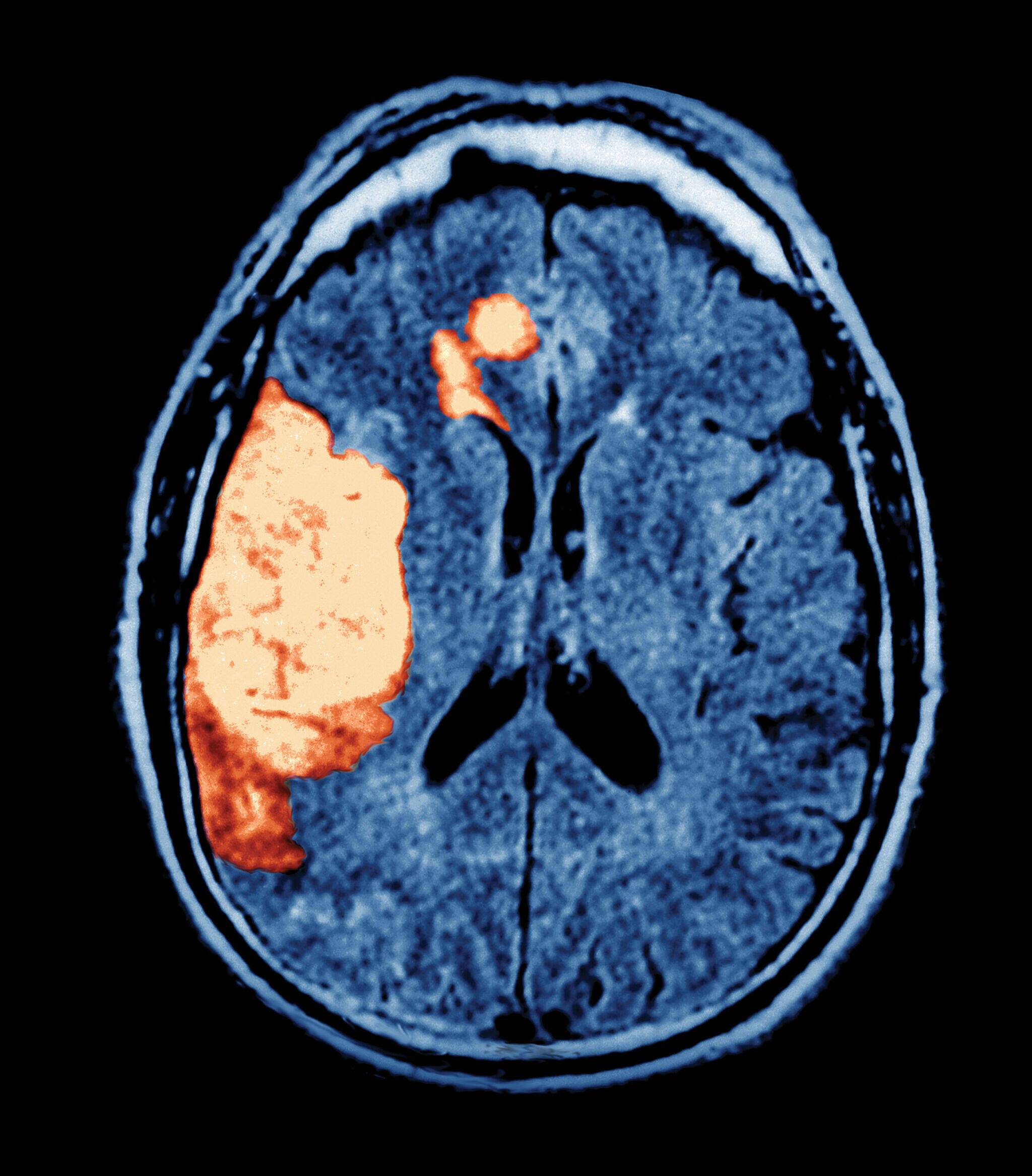
An MRI scan shows the brain of a patient who experienced an ischemic stroke, cutting off blood supply to the right hemisphere of the brain (orange). A stroke in this area could cause left-sided weakness, vision problems, behavioral changes or depression.
GENERATION X IN JEOPARDY
While brain injuries can come in many forms, the most common—and often the most devastating—is stroke.
Most strokes are caused by a blood clot blocking an artery. Some, like Smith’s second stroke, are the result of a blood vessel bursting and bleeding into or around the brain. Either way, a stroke interrupts the blood supply to part of the brain, causing cells in that area to die quickly from a lack of oxygen.
When we think of stroke or other brain injuries, we most often think of their physical effects—often some level of paralysis or weakness. At least half of the nearly 800,000 Americans who live through a stroke each year experience those effects. The reason physical injuries are so common is that the nerve fibers responsible for sending signals to move the body are densely packed into a small area of the brain, called the internal capsule, that is often damaged during a stroke.
“We see people improving continuously over years, as long as they’re still working on their communication.”
—DR. PETER TURKELTAUB
Professor of neurology, Georgetown University
By contrast, strokes that affect the brain’s frontal lobes tend to mess with executive function—planning, problem-solving and the ability to sequence tasks. Some right-hemisphere strokes can produce a phenomenon called neglect, in which a patient loses awareness of an entire side of their body—for instance, denying that a paralyzed arm is impaired in any way.
And about one-third of strokes affect the brain’s left hemisphere, where language is processed, resulting in aphasia. This means that more than 2 million Americans are facing stroke-related communication struggles at any given time—a number that exceeds the prevalence of Parkinson’s disease and multiple sclerosis combined. And its effects are profound: Careers collapse. Friends and colleagues don’t understand why conversations have grown strange. Family members become impatient without knowing what to call the distance they feel. “When communication is altered, life becomes hard,” says Suzanne Coyle, executive director of the Stroke Comeback Center in Vienna, Virginia.
About 30 percent of people who have a stroke develop clinical depression within six months, explains Penny Wolfe, a neuropsychologist at MedStar National Rehabilitation Hospital in Washington, D.C.: “If your executive function pathways have been affected, that decreases your ability to reason and problem-solve, and a lot of us use reasoning and problem-solving to cope with life.”
And stroke is hitting more and more people who are still in their prime career years: Among those ages 45 to 65, the number who have had a stroke has risen 15.7 percent over the past decade, putting about 3.1 million adults in this age bracket at risk. The heightened risk is driven in part by rising rates of obesity and high blood pressure earlier in life: The longer you carry extra weight, the more profound its impact on your health at midlife. And childhood obesity is a Generation X scourge—rates started a sharp upward trajectory in the 1970s and ’80s, leaving people now in their 50s more vulnerable to stroke.
Additional studies have indicated an increase in various forms of dementia, including Alzheimer’s, in people younger than 65—another potential consequence of higher diabetes and cardiovascular disease rates.
Stroke risk for people under 65 is rising. “We may see further increases in stroke prevalence unless something changes.”
—DR. MITCHELL S.V. ELKIND
American Heart Association
“Those increases among younger people are real,” says Dr. Mitchell S.V. Elkind, the American Heart Association’s chief clinical science officer of brain health and stroke. “Approximately 40 percent of the U.S. population is obese, 50 percent hypertensive and 16 percent diabetic. Unfortunately, we may see further increases in stroke prevalence unless something changes.”
For a person in midlife, a stroke is about half as likely to be fatal as it is for an older person, but sex, race and overall health also play roles. Black men and especially Black women face stroke death rates that are at least two to three times higher than those of other races.
THE DOCTORS’ NEW HOPE
For decades, it was believed that patients who survived a stroke or other brain trauma had a limited window of time in which to work on recovery. That idea is gradually being proved wrong, as scientists learn about the power of neural plasticity to restore communication and movement.
“People thought whatever gains you make in those six months after the stroke are pretty much your upper limit,” says Dr. Peter Turkeltaub, discussing his work in aphasia. “We don’t see any kind of plateau in our patients. We see people improving continuously over years, as long as they’re still working on their communication.” Turkeltaub is a professor of neurology and rehabilitation medicine at the Georgetown University School of Medicine and director of the Aphasia Clinic at MedStar NRH.
The therapies themselves have also evolved. When Leora Cherney, a speech and language pathologist and researcher at the Shirley Ryan AbilityLab in Chicago, began her career in 1981, therapy focused almost entirely on naming objects, matching pictures to labels, filling in worksheets. The assumption was that recovery would be partial at best.
Back then, the brain’s internal architecture was largely a mystery. “We didn’t really understand how different parts of the brain could be connected to each other and to different pathways within the brain,” Cherney says.
Drawing from research on learning disabilities, Cherney developed a treatment that came to be called ORLA (Oral Reading for Language in Aphasia). The therapy built intensive repetition into a structured sequence: The patient saw a sentence on an index card, heard it read aloud by the therapist, heard it again while pointing along, then spoke the sentence with the therapist in what Cherney calls “choral reading.” Eventually, the patient was able to produce the sentence independently.
“Even though we didn’t know a lot about neural plasticity at that time, repetition and a lot of practice was really, really important,” Cherney says.
A computerized ORLA—and other treatments like it—is now widely used for aphasia rehabilitation. While not all stroke injuries will ever fully heal, these therapies have yielded results beyond what doctors could have imagined years ago. Cherney has had patients who arrived unable to speak, read or write, she notes.
The brain’s major language networks are like a superhighway. Brain injury “forces a dramatic redirection of traffic in the brain.”
—EVAN HOULDIN, researcher, Shirley Ryan AbilityLab
“Years later,” she says, “they’re able to speak in sentences, read a book, and text their family members and friends.”
Even simple steps like picking up a paintbrush or a pencil—or any kind of artistic expression—can help the brain rewire itself, according to the American Heart Association.
Kim Dyer was a physiologist at the National Institutes of Health when she experienced an aneurysm followed by a stroke 11 years ago, at age 49. She lost her career as well as her sense of identity. In the first year after her stroke, she was consumed by depression. “I was crying all the time,” she says. What finally made a difference was an art class. Dyer started painting—mountains, snowmen, landscapes—and found that the canvas gave her something the therapist’s office couldn’t. “Painting is freeing for me,” she says. Research has shown that art can boost cognitive functioning, strengthen fine motor skills and improve hand-eye coordination.
And researchers are beginning to understand how these therapies impact the brain. “All the parts of the brain are connected to each other in different ways, and so a stroke in one place will affect the entire network that it’s connected to,” Turkeltaub says.
For a lost capacity to return, the brain must reconfigure that network—making certain connections stronger, rebuilding the synapses where signals cross between nerve cells, pressing neighboring tissue into service.
At the Shirley Ryan AbilityLab, postdoctoral researcher Evan Houldin observes brain activity during therapy using a portable brain imaging technology called functional near-infrared spectroscopy.
Patients sit at a table and go through the steps of therapy as they normally would but wear snug caps studded with small sensors that press gently against the head.
The sensors emit pulses of near-infrared light that pass through the skull and into the cortex, or outer gray matter, beneath. When a region of the brain becomes active, blood flow increases there. The sensors detect that shift in real time.
To explain what’s going on inside the brain during this recovery process, Houldin uses a Chicago traffic analogy.
The nerve tissue connecting the brain’s major language networks functions like a highway, he says; when it is damaged by a stroke, some of the neural traffic is forced to find alternate routes.
“So if you damage, you know, Lake Shore Drive, all the cars have to take side streets, right?” Houldin says. The damage experienced by these patients “forces a dramatic redirection of traffic in the brain.” The alternate routes may be slower and less efficient, but they can create real improvements in brain function.
FINDING THE WORDS
David Smith of San Diego (no relation to Derek Smith), 57, tapped his fingers on his armrest, trying to come up with a number. Finally, he found it.
“Fifteen years,” he said, after completing the math. That’s how long he had been living with the effects of a stroke he had in his early 40s.
Smith was among about a dozen survivors from across the United States who met over Zoom once a week to talk about their lives and the progress they were making, a gathering facilitated by a moderator from the Shirley Ryan AbilityLab. I joined them one day this summer.
The men and women on the screen were from different backgrounds and had different personalities, some more extroverted than others. But they each had one experience in common: A stroke had changed their lives in significant ways.
A few of them were wheelchair users; others relied on a cane or a walker. All of them spoke with some degree of difficulty. Some took long pauses to search for the right word. Others provided minimal responses, shying away from elaborating because of the struggle involved in getting the words out.
Smith had been a sales rep for software companies before the stroke left him with severe aphasia, making it impossible to continue in that line of work. For the next six years, he didn’t have a job. Then he found work as a dishwasher at a Whole Foods and stayed there for several years. Throughout, he worked on recovering his language. His speech now is broken and ungrammatical at times, but he can convey what he’s trying to say.
“I remember when I first started, no words, nothing,” he told the Zoom group. “But every year, a little more. Syllables and bigger words. Now I’m 15 years since I have a stroke and now easier to talk, more sentences, bigger words, and it’s just practice.”
Smith acknowledged the social isolation that the rest of the group knew all too well. Many friends and former colleagues had drifted away. But, he added, some friends never changed how they treated him.
“The people that are still friends from college are still the same,” he said. “It doesn’t matter to them that this is now me.”
Yudhijit Bhattacharjee is a contributing writer at The New York Times Magazine and a contributor to The New Yorker and National Geographic.
AARP BRAIN HEALTH RESOURCE CENTER
For more on supporting your brain, go to aarp.org/brainhealth
7 Ways to Slash Your Stroke Risk
These simple but surprising tricks will help you improve your overall health—and avoid a brain attack
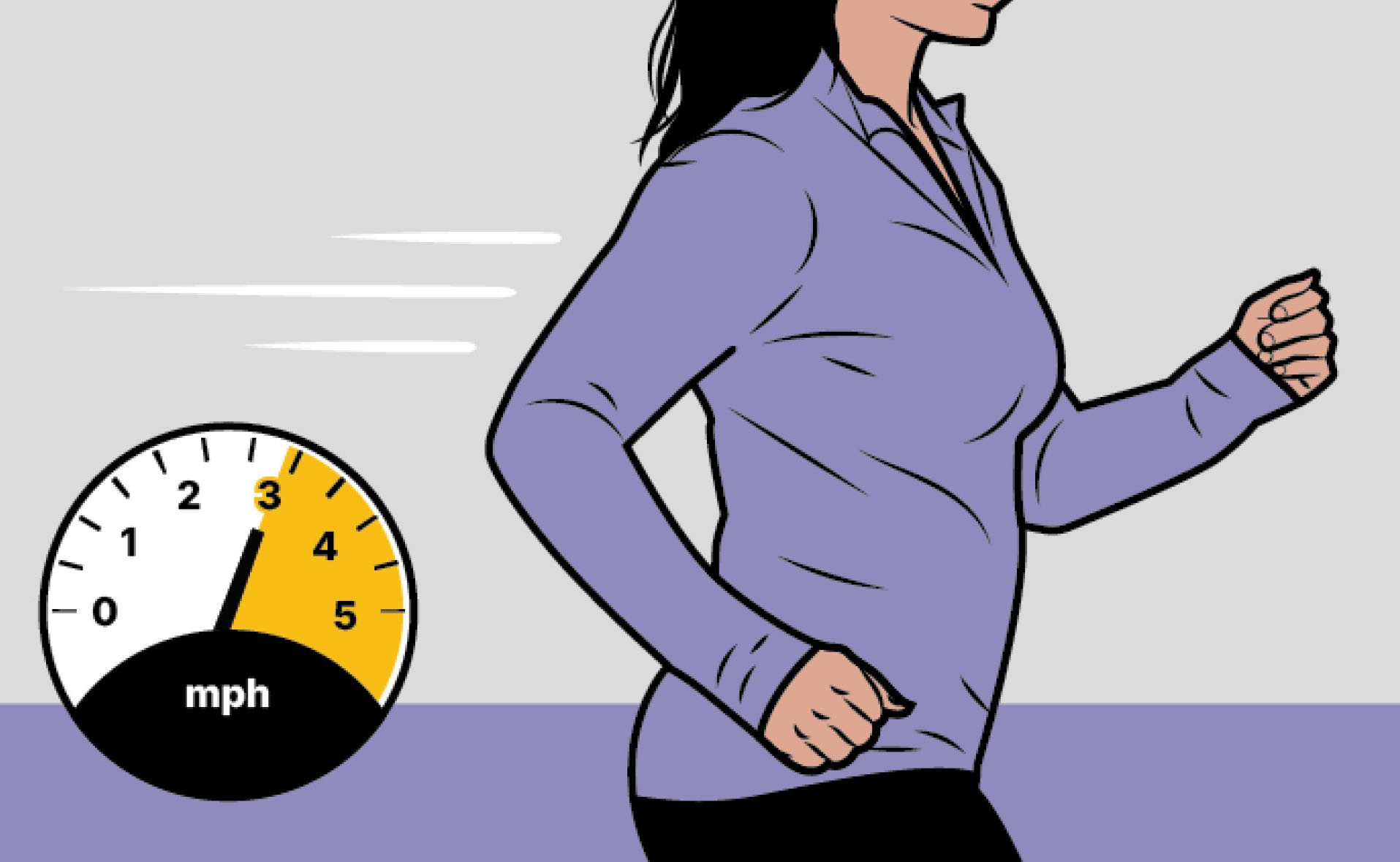
1. PICK UP YOUR PACE. People who walk slowly have a 64 percent increased risk of stroke compared with those who move briskly, research shows. But quickening your pace—adding about 20 steps per minute—can make a difference. In one study, regularly walking over 3 mph was linked to a 53 percent lower risk of stroke, compared with walking under 2 mph.
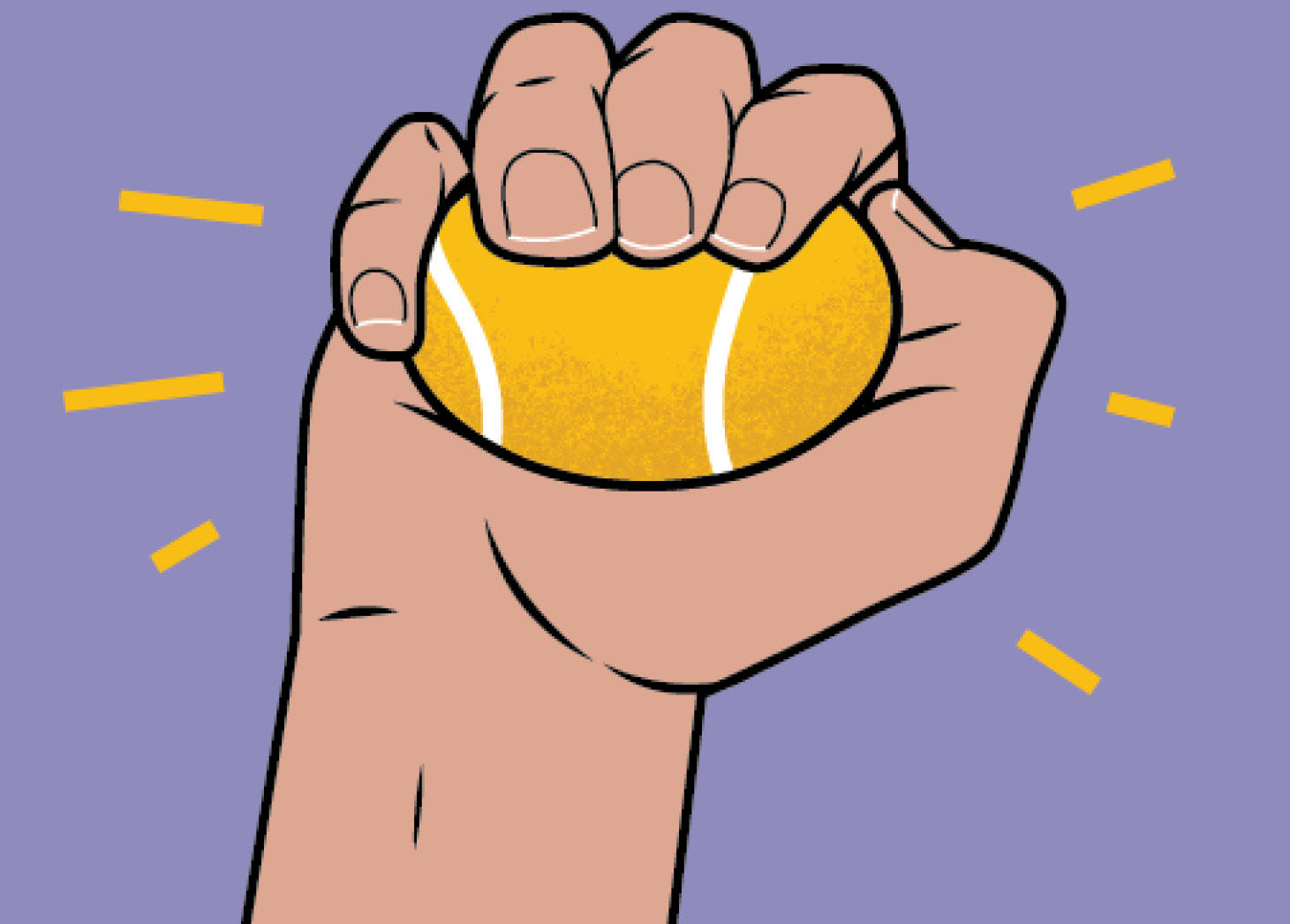
2. Squeeze SOMETHING. People with a weaker grip may be more likely to have a stroke, according to a 2026 report in the journal Stroke. If you struggle with tasks like opening jars, a physical or occupational therapist can measure your grip and offer exercises, such as squeezing tennis balls or putty, to boost hand strength.
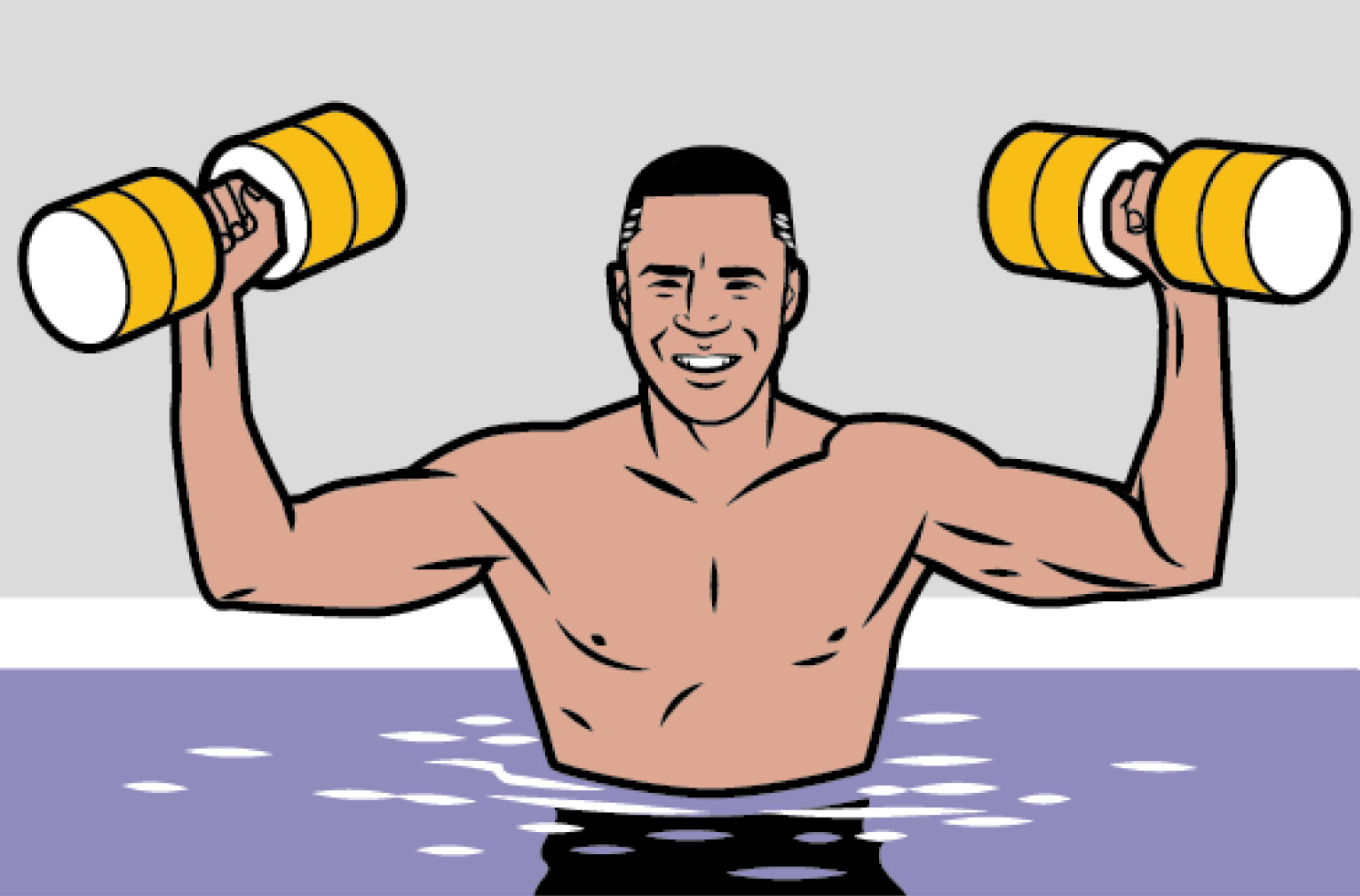
3. GET WET. If your waist circumference and waist-to-hip ratio are elevated, your stroke risk may be too. But you can trim your middle with regular aerobic sessions. In a meta-analysis in BMJ Open, water aerobics two to three times per week for more than 10 weeks reduced waist circumference more than 1 inch, on average.
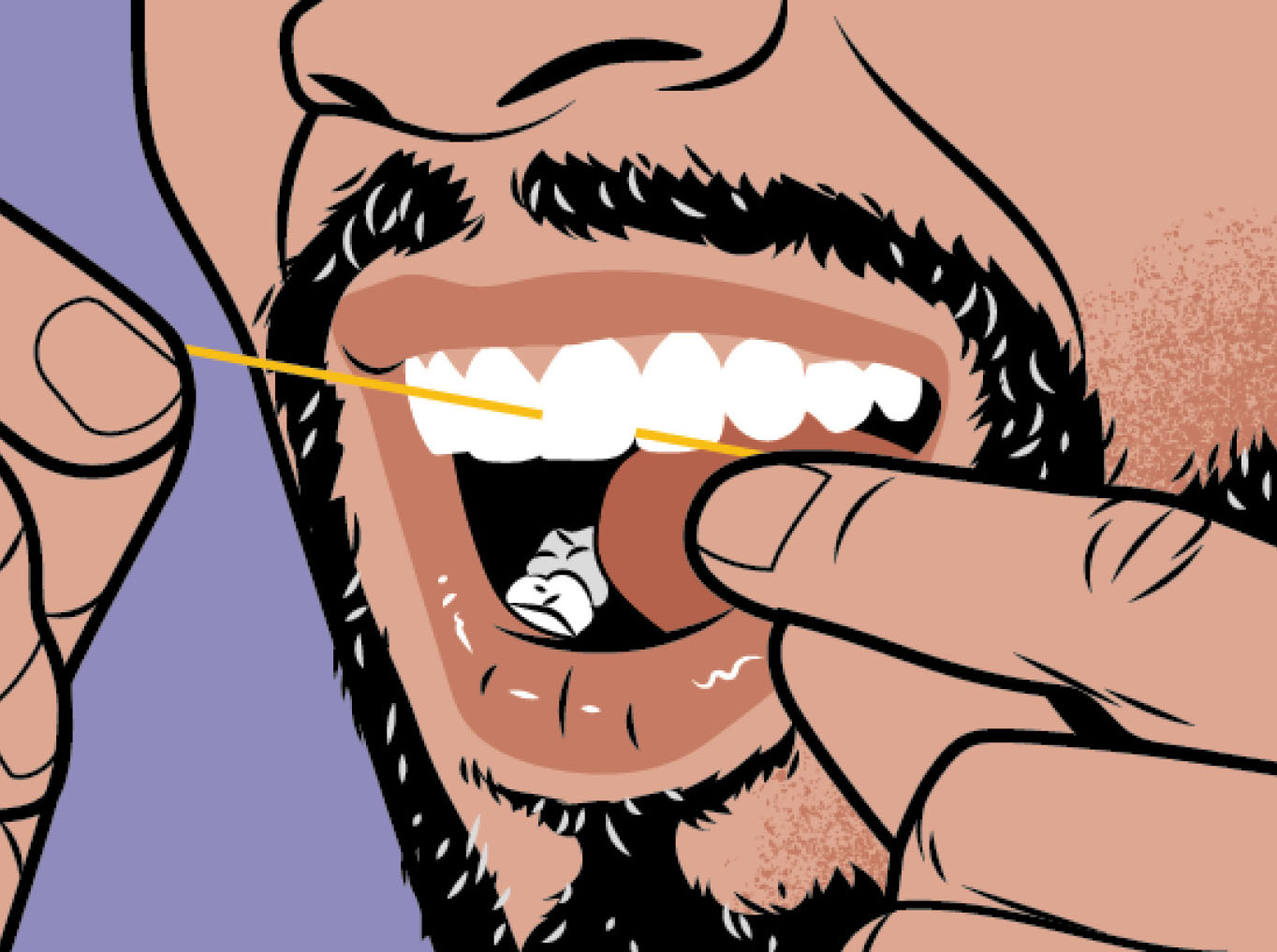
4. FLOSS. Gum disease is strongly linked to elevated stroke risk. Symptoms can include gum bleeding, bad breath, and soreness or swelling. The simple daily act of flossing doesn’t just protect your teeth and gums. According to a recent study in Stroke, flossing was associated with a 23 percent lower risk of ischemic stroke, a 40 percent lower risk of blood clots traveling from the heart to the brain and a 12 percent lower risk of atrial fibrillation.
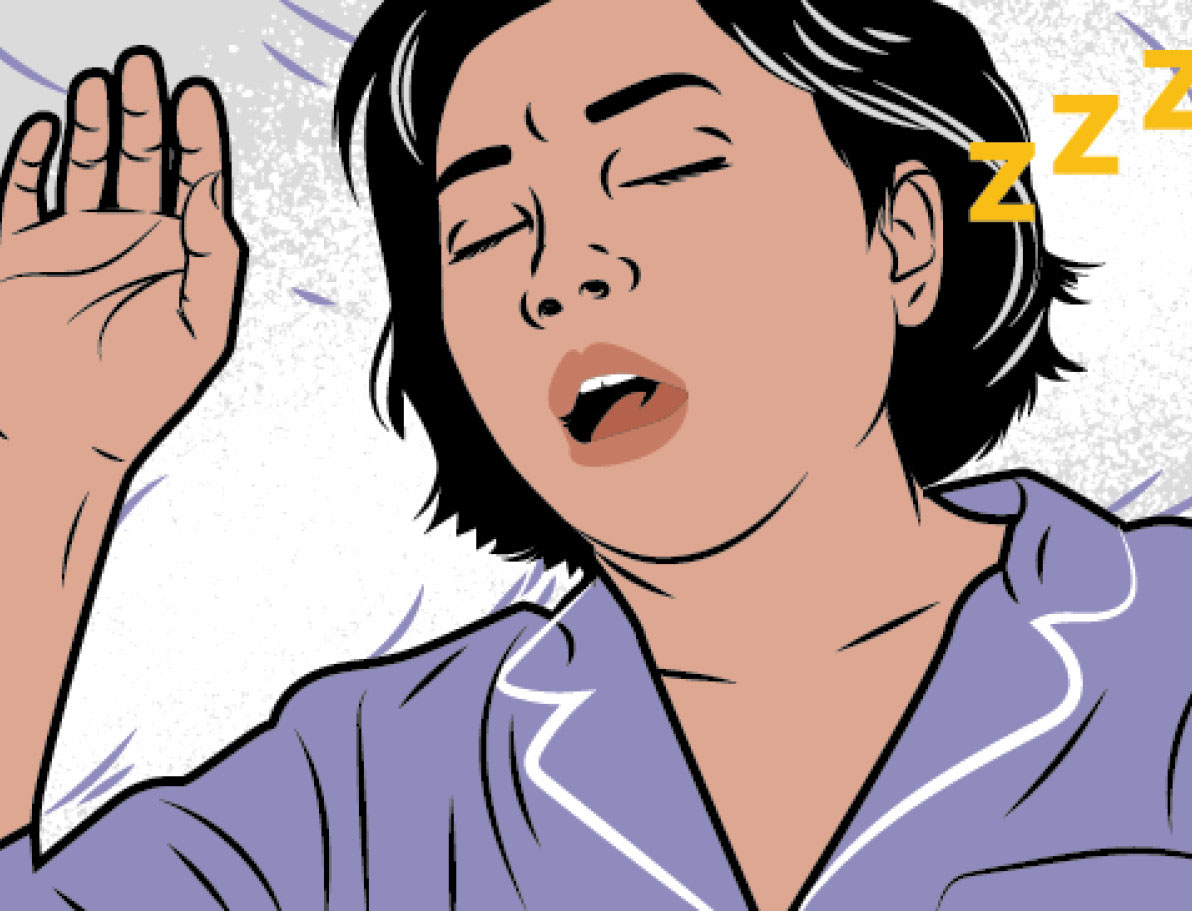
5. DO YOU SNORE? GET CHECKED FOR SLEEP APNEA. Sleep apnea can lower oxygen levels and raise blood pressure, each of which leads to a higher risk of stroke. If testing says you have it, treat the condition. Exercise, weight loss and drinking less alcohol can also help.
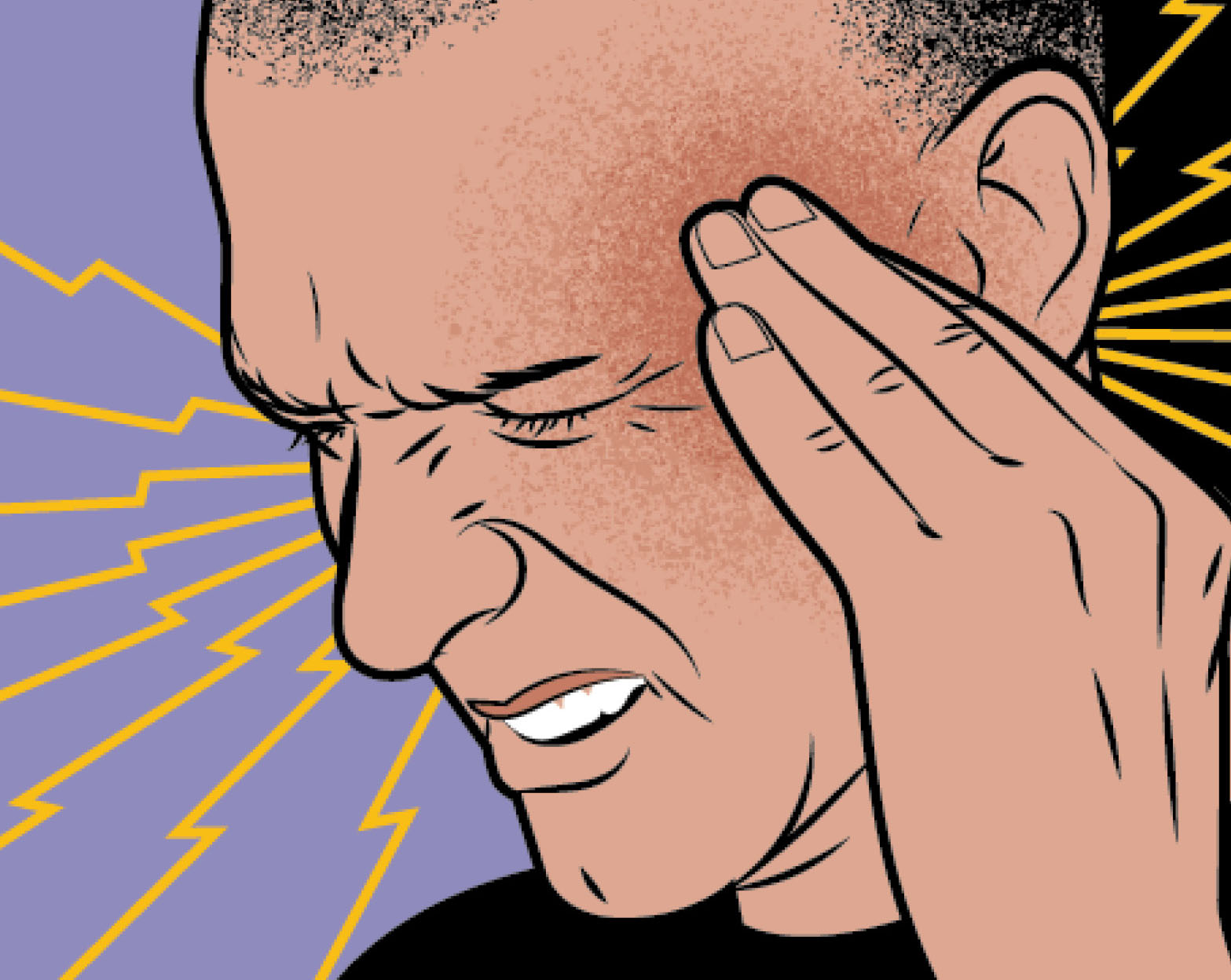
6. IF YOU HAVE MIGRAINES, SEEK OUT MEDICAL TREATMENT. In a new study, people 45 and older who had migraines that included visual or sensory changes as the migraine started had a 73 percent increased risk of stroke over those with no migraine history. Migraines with no aura didn’t seem to boost risk.
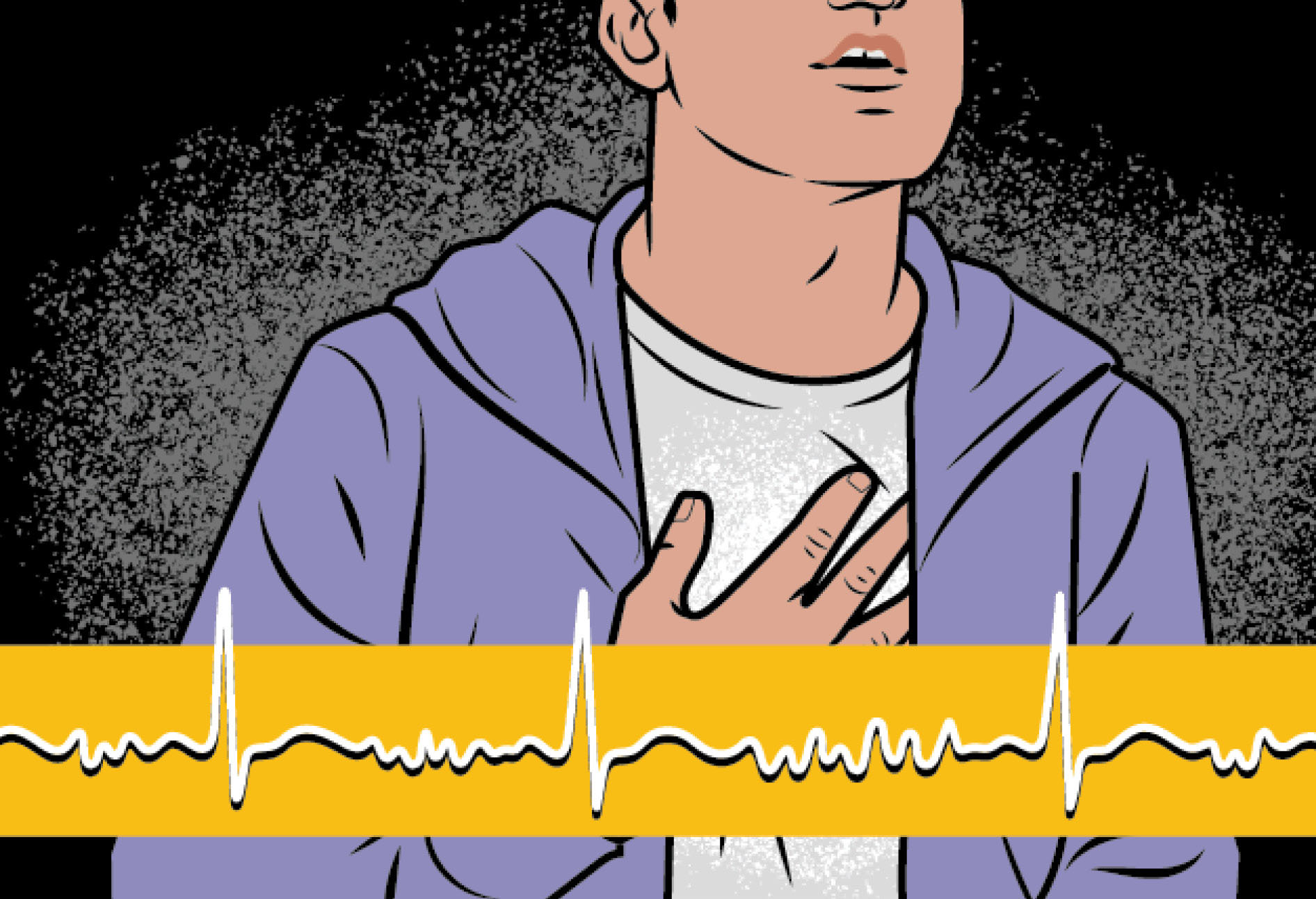
7. ASK YOUR DOC ABOUT A-FIB. Shortness of breath, a pounding heart and chest pain are all symptoms of atrial fibrillation, or A-fib, a leading cause of stroke. Untreated, A-fib makes you five times more likely to have a stroke than people who don’t have the condition, says the American Heart Association. Proper treatment can control your heartbeat and prevent clots. —Kristen Fischer
What to Do When a Stroke Strikes
Move quickly to help save a brain—and a life
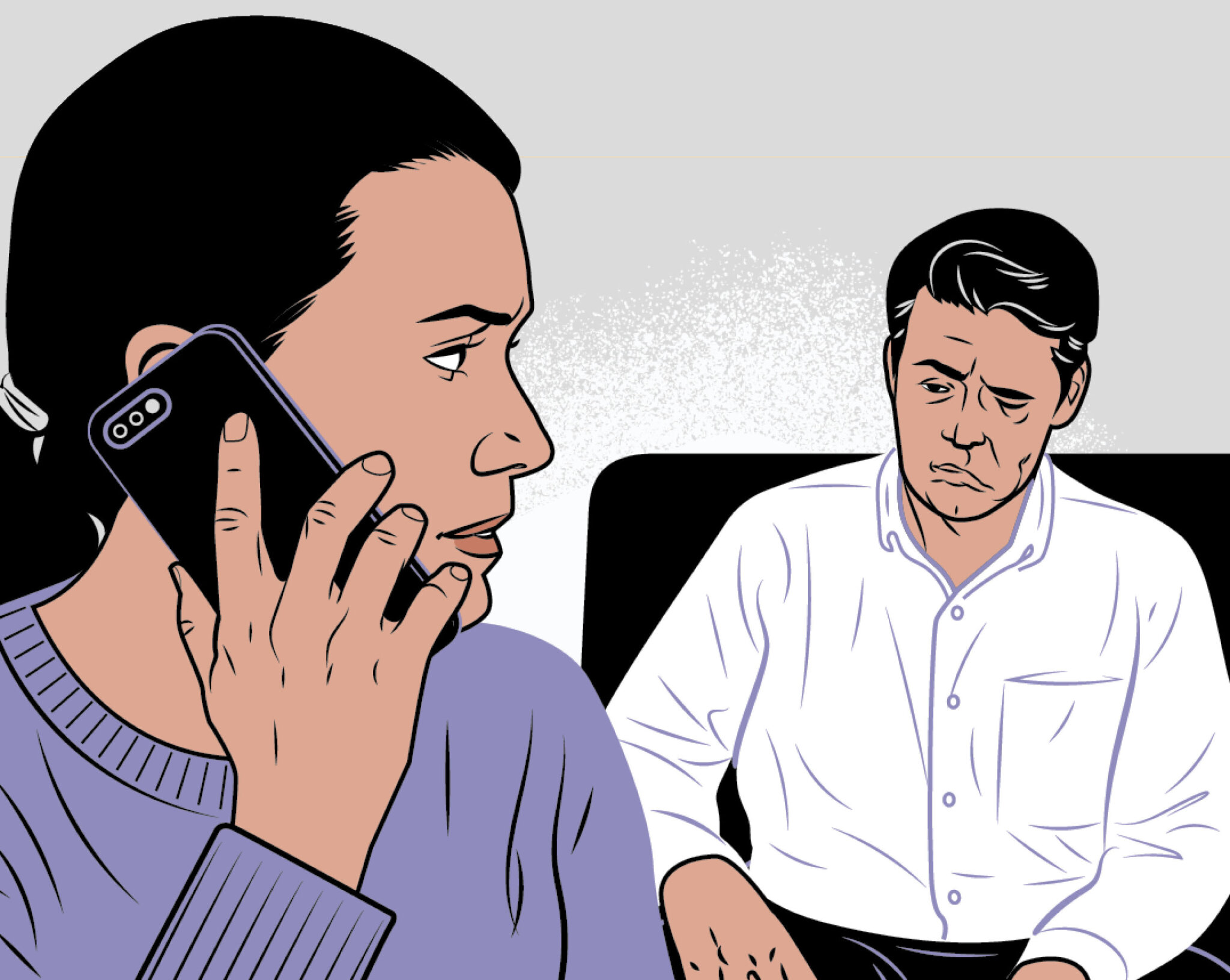
A stroke is a medical emergency. Every minute without treatment, more brain cells die. Recognizing the signs—and taking action fast—can be the difference between a stroke victim’s full recovery and lasting disability.
1. KNOW THE SYMPTOMS. Think BE-FAST, which stands for: Balance (sudden loss of balance or coordination), Eyes (sudden blurred vision, double vision or loss of sight), Face (Ask the person to smile—does one side droop?), Arms (Ask them to raise both arms—does one drift downward?) and Speech (Is their speech slurred or hard to understand? Ask them to repeat a simple sentence). If anything seems off about the person’s responses, you’re at “T”: Time to call 911.
2. ACT ON EVEN ONE SYMPTOM. Do not wait to see whether symptoms pass or worsen. Emergency medical staff would much rather respond to a false alarm than have someone delay calling because they were unsure. When dealing with a stroke, time is everything.
3. NOTE THE TIME WHEN SYMPTOMS STARTED. Or when you last saw the person behaving normally. This is critical: The treatments doctors can offer depend on how much time has passed since stroke symptoms began.
4. CALL 911 FOR AN AMBULANCE. Do not attempt to drive the person to the ER yourself. Paramedics can begin assessment and treatment on the way to the hospital and alert the emergency team there to get ready. Patients who arrive by ambulance are typically diagnosed and treated faster than walk-ins.
5. KEEP THE PERSON IN A SAFE POSITION. If they are conscious, have them sit or lie down with their head slightly elevated and try to keep them calm. Do not give them anything to eat or drink or any medication. If they are unconscious and not breathing normally, begin CPR if you know it. The 911 dispatcher may be able to coach you.
6. TAKE MINISTROKES SERIOUSLY. A transient ischemic attack, or ministroke, looks the same as a stroke, but symptoms resolve on their own, sometimes within minutes. Don’t dismiss or ignore it. A TIA is a major warning sign that a full stroke may be coming and requires immediate medical evaluation. Call 911. —Y.B.