In the News
CHANGES AHEAD FOR MEDICARE DRUG PRICES
Some Part D premiums could rise
Original Medicare beneficiaries could face higher monthly premiums for their stand-alone Part D drug coverage in 2027, as a pilot program designed to keep premiums in check will cease at the end of 2026.
“Older Americans are already stretched thin by rising health care costs,” says Bill Sweeney, AARP’s senior vice president of government affairs. “AARP fought hard to create Medicare Part D ... and to cap out-of-pocket costs for people in Part D.”
The Part D Premium Stabilization Demonstration program provided subsidy payments to stand-alone prescription drug plans that lowered base beneficiary premiums by $15 per month, starting in 2025. The Centers for Medicare & Medicaid Services (CMS) reduced that premium relief to $10 per month in 2026 and will discontinue it at the end of the year. The program also limited annual premium hikes for stand-alone Part D coverage to $35 for 2025, raising the amount to $50 for 2026.
The program was designed to offset possible premium increases and enrollment shifts due to provisions of the Inflation Reduction Act, a 2022 law backed by AARP that cut out-of-pocket costs for beneficiaries in 2025 but increased premiums and coverage liability for Part D plans.
It was supposed to last through 2027. But in July, CMS said stand-alone plans had sufficiently adjusted to the redesigned Part D benefit, which would allow the program to end a year early.
YOUR GLP-1 COSTS MAY BE LOWERED
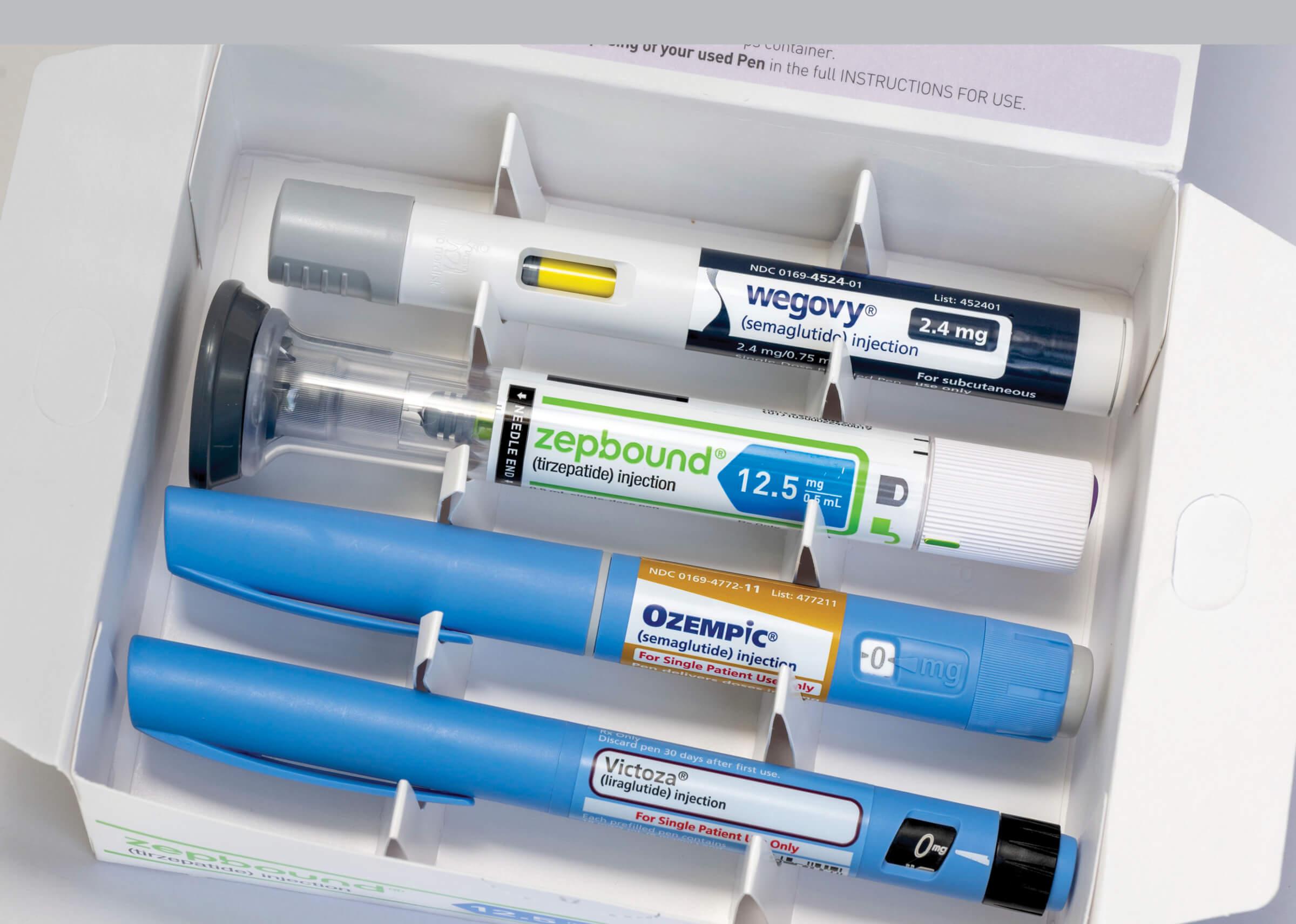
Medicare’s evolving coverage of GLP-1s for weight loss entered a new phase in July with a pilot program set to run through the end of 2027. The pilot, called the Medicare GLP-1 Bridge program, will allow some Medicare Part D prescription plan members who want to shed unwanted pounds to get Wegovy injections or tablets, Foundayo tablets or the Zepbound KwikPen for a $50 monthly copay.
The Bridge program aims to make the popular yet costly GLP-1 drugs more accessible to Medicare recipients, but there are many restrictions. Medicare enrollees can participate only if they’re in an eligible Part D stand-alone drug plan in original Medicare or an eligible Medicare Advantage plan that provides prescription drug coverage. They must also meet specific medical criteria and be prescribed the drugs only for weight management, not for any other diagnosis.
Still, an estimated 3.8 million beneficiaries could be eligible for the program, according to a data analysis by KFF, a health policy research nonprofit. (You can check if you are eligible at Medicare.gov/glp1bridge or by calling 1-800-MEDICARE.)
The nationwide Bridge program marks a significant coverage milestone for Medicare. Until now, the program wouldn’t cover any GLP-1 weight loss drugs, such as Ozempic and Mounjaro, unless you were overweight and had another ailment that GLP-1s can treat, such as type 2 diabetes or sleep apnea. The drugs cost between $900 and $1,350 a month without insurance.
FDA Approves Drug for Fighting ‘Bad’ Cholesterol
Health officials have approved a new daily pill that can help dramatically lower the level of LDL cholesterol, known as “bad” cholesterol.
The Food and Drug Administration approved the drug, called enlicitide (brand name Lipfendra), in mid-July. It is a PCSK9 inhibitor that helps the liver remove more LDL-C from the blood and may be prescribed if your cholesterol is still high after taking other medicines or if you have a genetic condition that causes high LDL-C. Before enlicitide’s approval, PCSK9 inhibitors were available only as injectables. In trials, enlicitide lowered LDL-C levels by up to 60 percent when used alongside existing therapies, compared with a placebo.
High cholesterol is a risk factor for heart attack and stroke, conditions that are common among older adults. New guidelines from the American Heart Association suggest doctors consider starting treatment for high LDL-C sooner than in the past.
SOCIAL SECURITY COLA FORECAST
Social Security recipients could see a 3.5 percent cost-of-living adjustment (COLA) in 2027, says an AARP analysis based on U.S. Bureau of Labor Statistics consumer price data and Federal Reserve inflation projections.
The average monthly Social Security benefit for a retiree in July was $2,086, so a 3.5 percent COLA would bump that up by $73. The average monthly benefit for a surviving spouse ($1,933) would rise by about $68, and Social Security Disability Insurance for the average worker with a disability ($1,635) would increase by about $57 a month.
By comparison, the 2026 COLA was 2.8 percent, raising the average monthly benefit for a retired worker by $56, from $2,015 to $2,071, according to Social Security Administration estimates.
The COLA is based on changes in consumer prices in the third quarter of the year, compared with the same period the previous year. The 2027 COLA takes effect with payments received in January.
Social Security payments have been adjusted for inflation yearly since 1975. From 2001 through 2026, the COLA averaged about 2.6 percent.
DON’T BLAME GRANDPA

An Australian study found the average frequency of flatulence was highest among adults ages 26 to 45, then dropped after age 65. The study, published in JAMA Network Open, had 6,416 people record “outputs” for several days—a total of 360,192 emissions.