Your Health
ASK DR. ADAM
A top internist and cardiologist answers your questions and offers surprising, doctor-tested tips
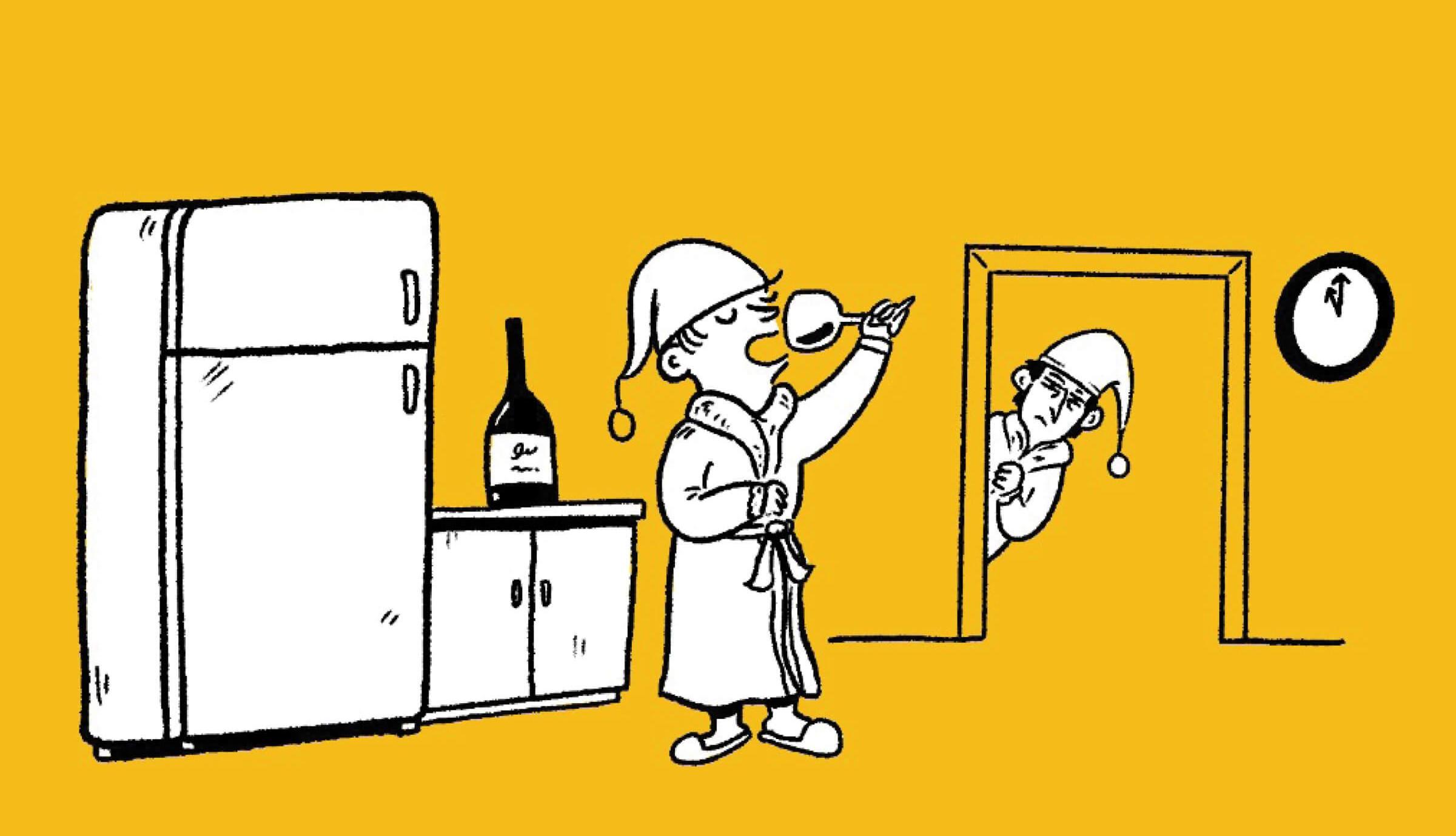
“Is it safe to drink alcohol?”
Dr. Adam: There isn’t a simple response to this question. Alcohol is not good for you, but how bad it is, and for whom, varies.
For decades, doctors thought light drinking might benefit the heart. That belief came largely from studies that suggested wine drinkers had lower rates of heart disease. But newer, more rigorous analyses have shown that this advantage disappears once researchers account for lifestyle choices.
In a large meta-analysis, researchers evaluated 107 studies in an attempt to establish a connection between drinking alcohol and health benefits. But the team found that after adjusting for lifestyle factors, low levels of alcohol did not reduce the risk of heart disease. A 2023 review went a step further, finding that no amount of alcohol is completely risk-free for overall health, and that even modest drinking may increase the risk of hypertension and atrial fibrillation, a heart rhythm disorder.
That’s worrisome, but the most concerning effects may be on the brain. We now have strong evidence that alcohol can shrink brain volume and affect memory over time. If you have a family history of alcoholism or dementia, it’s not a good idea to drink.
Alcohol also affects sleep quality and blood pressure and increases the risk of certain cancers. The World Health Organization even lists it as a Group 1 carcinogen, along with tobacco and asbestos. Studies have shown that one daily drink can slightly raise the risk of breast, colorectal and mouth cancers.
Whether you choose to drink is as much a personal decision as a medical one. If a few glasses a week bring you joy and social connection, weigh those benefits against the potential risks. Moderation really matters: That means staying at or below one drink per day for women and two for men, and having more alcohol-free days than drinking days. It’s wise to abstain entirely if you have liver disease, high blood pressure or sleep problems or are taking medications that interact with alcohol.
If you do drink alcohol, enjoy it mindfully and make sure that you, not the drink, are calling the shots.

Adam B. Rosenbluth, M.D., practices and teaches in New York City. Each Monday online, he answers your questions about how to make your body work better for you.
To get exclusive member content, go to aarp.org/MembersEditionBUL For all Dr. Adam columns, visit aarp.org/AskDrAdam