Your Health
STRETCH OUT AND LIVE WELL
Being more flexible could be the key to a healthier heart and a longer life
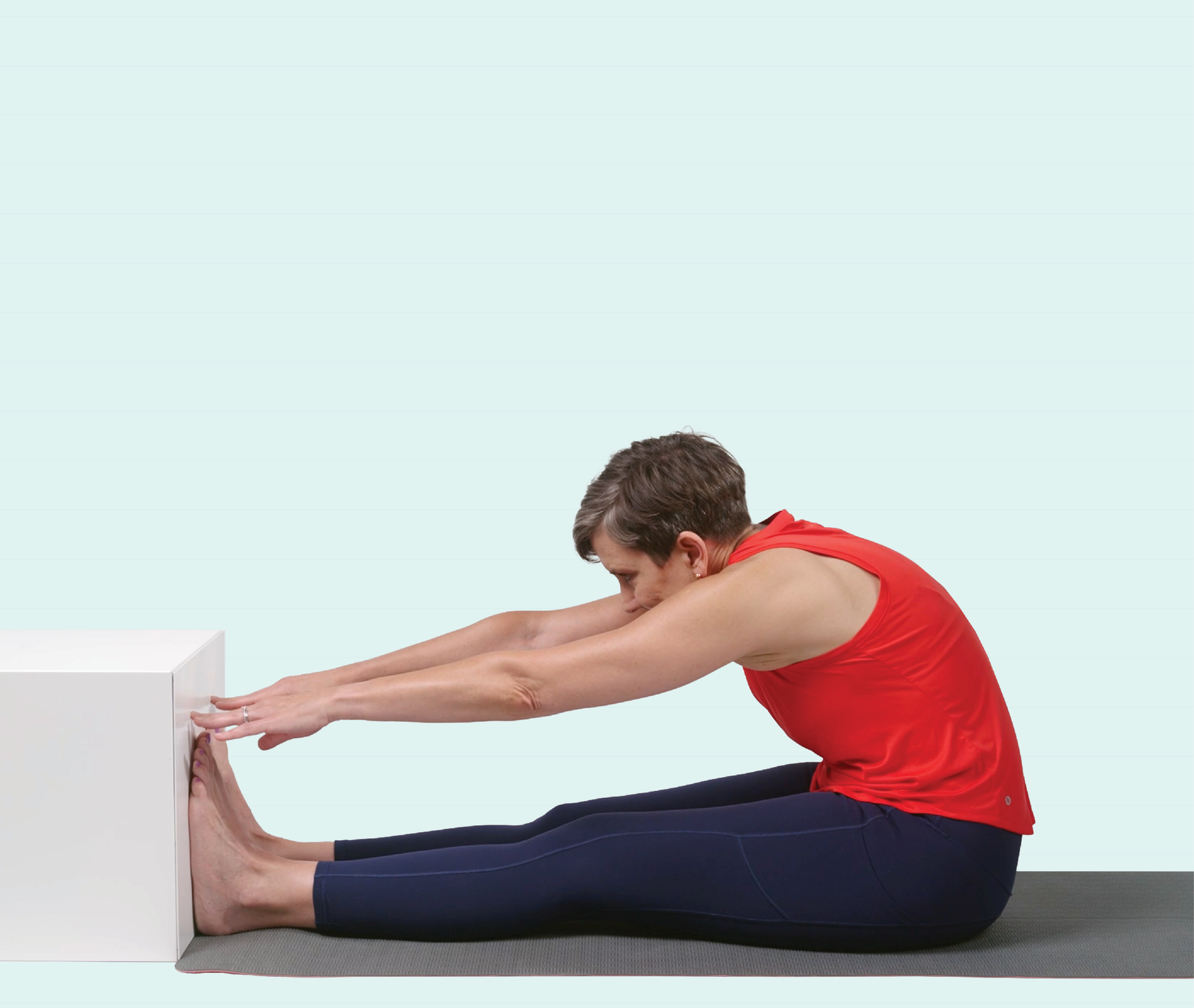
When Mike Studer, a doctor of physical therapy, plays pickleball, he’s volleying and dinking with adults who are hovering around 70 years old. “I notice people wearing knee and ankle braces and complaining about shoulder pain,” says Studer, 57.
Studer can often spot something lacking in his opponents: flexibility. Time and again, he sees older adults quit activities they love because subpar flexibility affects their body movement and contributes to pain.
Muscles and connective tissues change with age. Physical therapist Nathan Johnson, an associate professor at the University of Kentucky, likes to use pizza as an analogy. Hot pizza cheese has a nice pull to it, akin to your tissues when you were younger. As you age, tissues lose elasticity and water, becoming stiffer—just like cheese on cold pizza. And reduced body flexibility is linked to more than just pickleball injuries.
“If you could stretch out, your breathing, balance and strength would benefit,” says Elizabeth Kolator, a physical therapist with the Vanderbilt Rehabilitation Center at Newport Hospital in Newport, Rhode Island. Here’s why it pays to limber up.
▶︎ Flexibility is a marker for cardiovascular health. Poor range of motion in one’s torso is linked to greater artery stiffness, possibly because muscles and other tissues influence the arteries’ ability to expand and contract. That may be why a 2024 study linked a lack of flexibility to a higher risk of premature death.
▶︎ Flexibility protects lung function. Over time, we lose spinal flexibility—an issue exacerbated by the amount of time we spend hunched over computers. When that stiffness becomes significant, it can affect our ability to take in air, Johnson says. “This can compromise independence as you get older.”
▶︎ Flexibility is needed for strength. Diminished flexibility limits the strength-building activities you can participate in, says Studer. For example, insufficient knee flexibility limits your range of motion in squats—important exercises to maintain strength in your hips. Lack of flexibility makes it harder to lift groceries out of the trunk or luggage into an overhead bin. Just getting up off the ground after playing with the grandkids requires a combination of lower-body strength and hip and knee mobility, says Kolator.
▶︎ Flexibility prevents back pain. “If you don’t have an upright posture, or the flexibility to achieve it, you will be more prone to back and neck pain,” Kolator says. Flexibility allows your body to make quick shifts when needed to maintain balance and prevent falls.
SIMPLE WAYS TO STRETCH MORE
You can overcome stiffness and tightness at any age with regular flexibility exercises. “Our bodies are so resilient. It’s never too late,” says Mallory Fox, a National Academy of Sports Medicine master trainer who specializes in geriatric exercise science.
Focus on your breathing. “Deep abdominal breathing works flexibility in [your middle back], providing space in the spine that will help drop your shoulders back down,” Fox says. To practice abdominal breathing, inhale slowly through your nose, expanding your belly. Then breathe out through your mouth, contracting your stomach back in.
Be patient. If your muscles have been tight for a long time, it will take just as long to relax and lengthen them. Gravity and repetitive forward-hunching positions create a pull forward, which can make muscles and connective tissue get “stuck” in that position, says Fox.
Move however you can. If walking is your main exercise, try to increase the time or distance you walk each day. If you’re bedbound or chairbound and can move your upper body, flex and extend your wrists and arms. “The ability to move your body is one of the most important predictors of long-term health and well-being that we can invest in,” Fox says.
Try yoga for head-to-toe flexibility. “Yoga is focused on elongation, posture and balance in muscles,” says Kolator. You can practice yoga at any level of fitness; there’s even chair yoga. Look to your community center for classes or beginner-level sessions on YouTube.
But be careful. Fox recommends you see a physician or physical therapist if you feel new pain, burning or tingling—or lose sensation during a movement.
You don’t need a prescription for physical therapy, Johnson says. “In all 50 states, you can walk into a clinic without a referral, and they can evaluate your posture and flexibility and create an individualized stretching program. I have my parents do this twice a year.” (For insurance coverage, though, some programs, including Medicare, require a physician’s prescription beforehand.)
Jessica Migala writes about wellness for Eating Well, Women’s Health and other magazines.
Are You Flexible Enough?
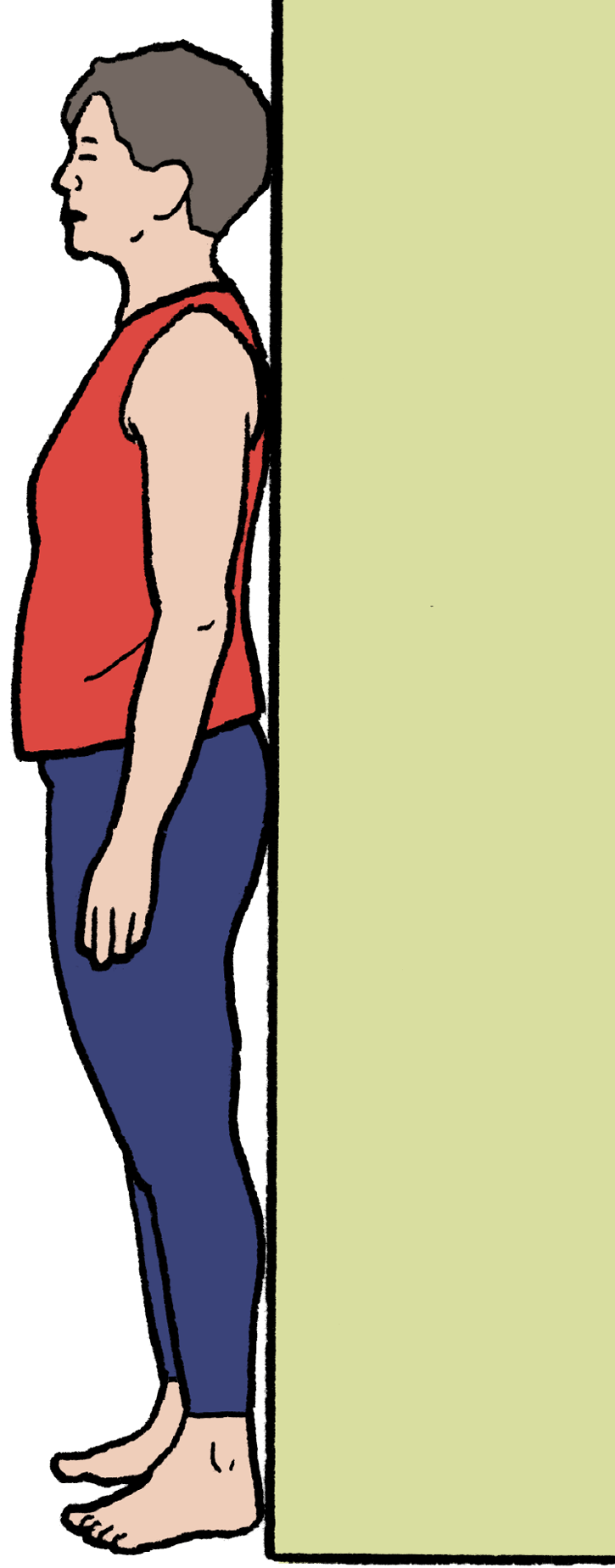
Your 5-second flexibility test
Stand with your back against a wall. These four body parts should touch it:
• The back of your head
• A portion of your upper back (such as your shoulders)
• Butt
• Heels
If you can’t align these body parts, you may benefit from more stretching. Here are some other giveaways:
• Lying flat in bed is painful.
• You struggle to reach behind your head or back.
• There’s an activity of daily living that you can no longer do.
• After an illness or injury, you can’t get up as easily as you used to.
• You feel pain in movements that didn’t hurt before, such as reaching overhead.
• You can’t get up off the floor without support from furniture or a person.
• After some time off, you participated in an activity and woke up sore the next day.
EASY STRETCHING ‘SNACKS’
Try to hold each for up to 30 seconds, and do two to three reps each. You should feel a stretch, but stop if there’s any pain. Studer recommends five to eight minutes of stretching, six to seven days per week. “Consistency is key,” he says.
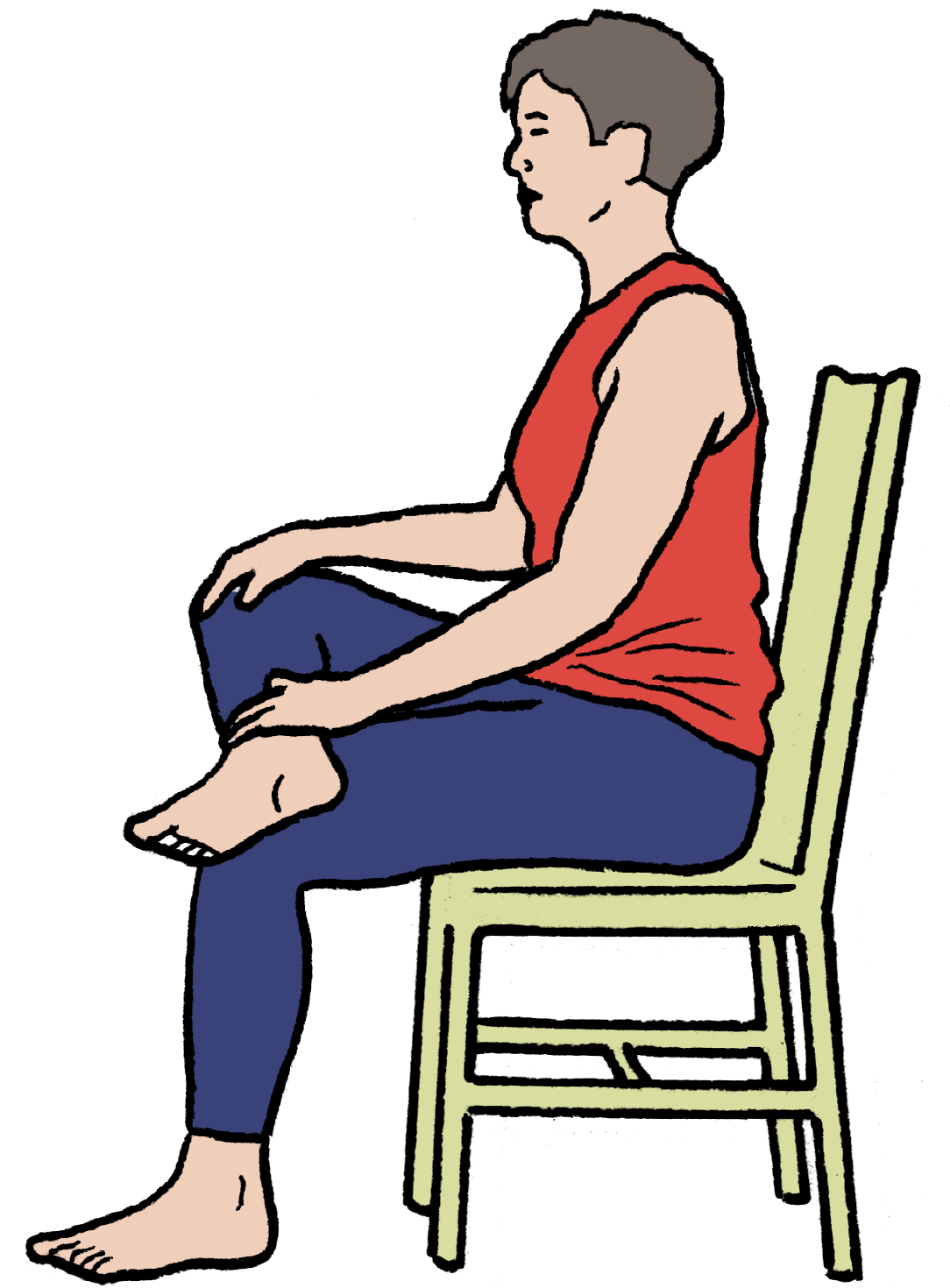
▶︎ Figure 4 stretch. Sit in a chair with no armrests, feet flat on the floor. Lift your right foot and rest your right ankle over your left knee or shin, depending on your range of motion. Gently push down on your right knee. You should feel a stretch along the back of your right leg. Hold, then switch sides.
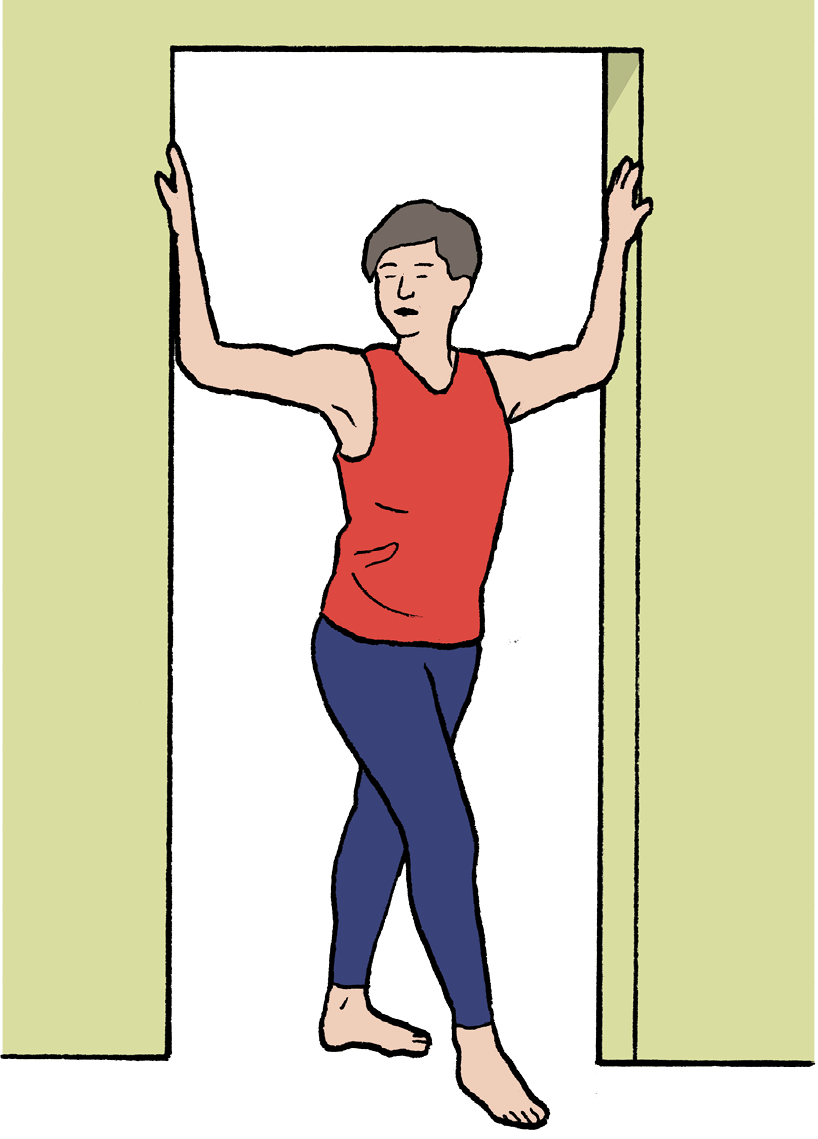
▶︎ Doorway stretch. Place your hands on the door frame at a height that feels comfortable for you. Step forward into the doorway with one foot and lean your chest forward. You should feel a stretch across the front of your shoulders, chest, upper back, calf and ankle. Hold, then switch feet to stretch the opposite calf and ankle.
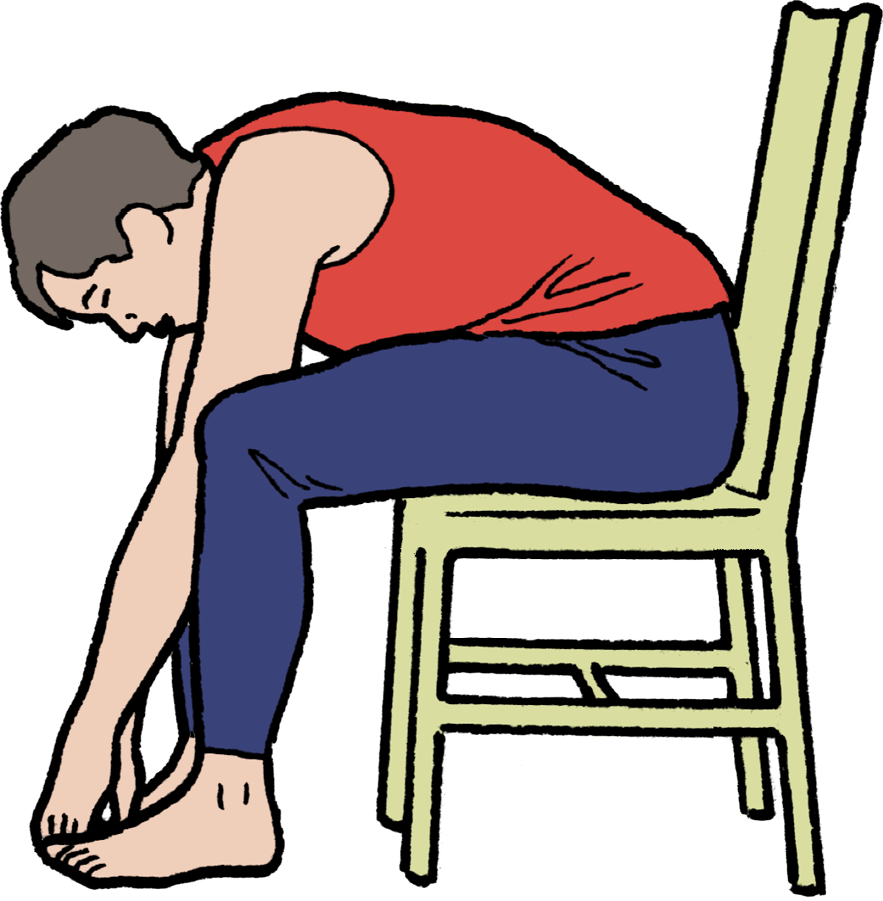
▶︎ Chair stretch. While sitting, carefully lean forward and try to touch your toes.
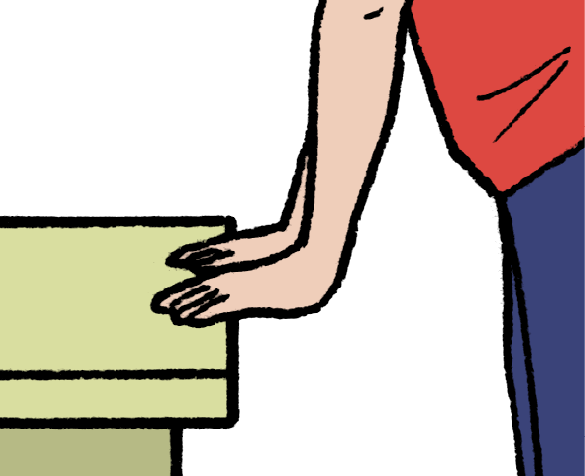
▶︎ Wrist stretch. At a countertop, spread your fingers wide and place your hands at the edge of the counter, with the heel of your hands down and fingers up on the counter’s edge. Lean slightly forward on to your outstretched fingers.
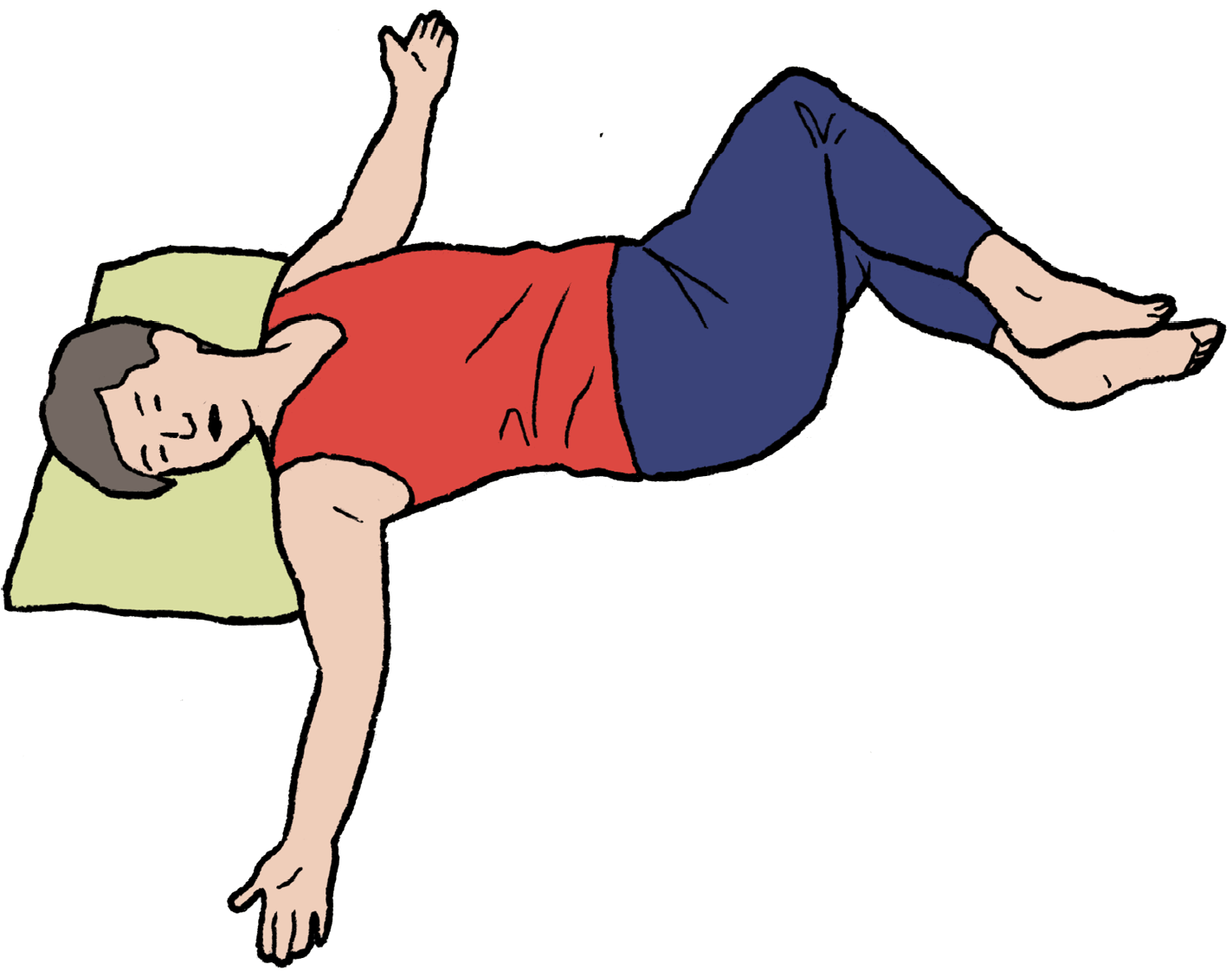
▶︎ Open-book stretch. Lie on your left side on your bed, knees bent. Reach your right arm up to the ceiling and then over to your right as far as possible, looking to the right as you do so. Hold, then switch sides and repeat in the opposite direction. —J.M.