Your Health
YOU’VE GOT SOME NERVE!
Stimulating the vagus nerve may be the answer for chronic pain, heart disease, depression and more
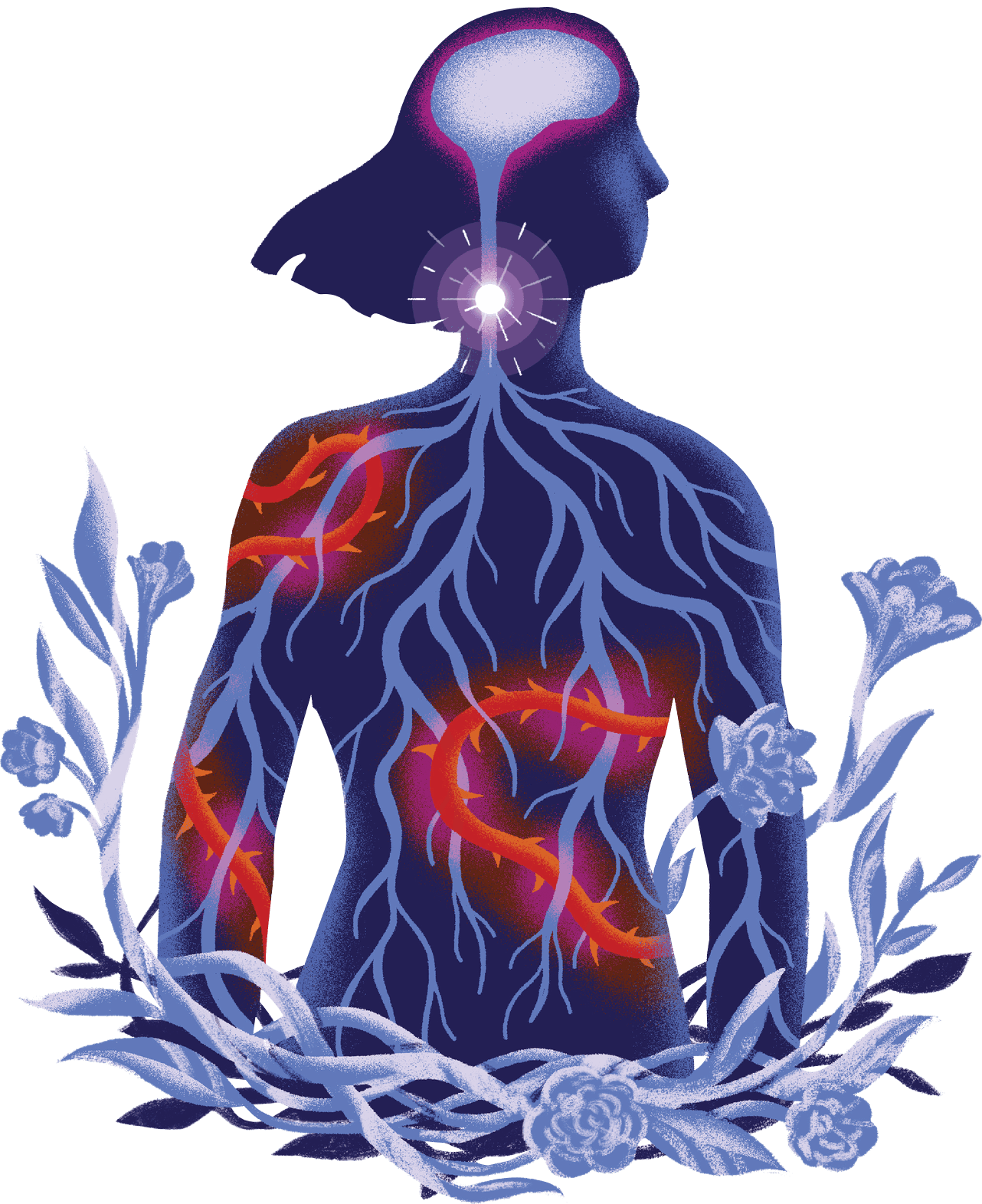
Dawn Steiner, 59, had suffered with rheumatoid arthritis (RA) for 13 years. At best, a daily cocktail of medications kept her pain level at around a 4 or 5 out of 10. On bad days it was more like a 7. And there were lots of bad days, she says.
But taking part in a clinical trial using vagus nerve stimulation (VNS) changed all that. A small, pulse-generating device about the size of a jelly bean was surgically implanted under her skin on the left side of her neck. The pulse generator wraps around her vagus nerve, the body’s longest cranial nerve (actually two nerves), which runs from the brain stem down through the neck on both sides of the body. The vagus nerve relays information between vital organs, including the heart, lungs, liver, pancreas, spleen, stomach, small intestines and colon, and the brain. For one minute each day, the small device in Steiner’s neck releases an electrical pulse that travels through the vagus nerve to her brain.
“The device activates what we call the inflammatory reflex, which signals the vagus nerve to slow down inflammation,” says neurosurgeon Dr. Kevin J. Tracey, president and CEO of Northwell Health’s Feinstein Institutes for Medical Research and author of The Great Nerve: The New Science of the Vagus Nerve and How to Harness Its Healing Reflexes. Although VNS can’t undo existing damage, it can reduce inflammation so significantly that pain and future damage can be prevented.
Sure enough, within a week Steiner felt some relief, and over the next few weeks her pain subsided considerably. Two and a half years later, with the VNS device still implanted, the Massapequa, New York, speech pathologist experiences a pain level of 1 on most days. “It’s very manageable,” she says.
Electrical stimulation of the nerve, which is already used to treat some cases of epilepsy, may also have the potential to treat a range of conditions, including lupus, PTSD, inflammatory bowel disease, fibromyalgia and cardiac issues. In July, the Food and Drug Administration approved an implantable SetPoint System—the first vagus nerve device for treating RA, which was developed based on research conducted by Tracey and his team. And also last year, a study in the journal Brain Stimulation confirmed the efficacy of VNS to manage treatment-resistant depression, paving the way for health coverage by insurance companies.
“We will see VNS explode on the scene in the next five years. It’s an exciting time,” says Tracy Centanni, director of the Genetics of Auditory and Visual Perception and Plasticity Lab at the University of Florida.
An awareness of the vagus nerve has also struck a nerve (pun intended) among wellness influencers, who tout the benefits of everything from noninvasive VNS devices sold online to nerve-stimulating cold plunges, probiotics and even humming. (See below in “Vagus Nerve Stimulation at Home?”.)
HOW VNS CAN TREAT DISEASE
Researchers now know that VNS improves vagal tone—and the greater your vagal tone, the more active the nerve. A higher-functioning vagus nerve is key to regulating heart rate and blood pressure, controlling the release of digestive enzymes and gastric acid, and helping move food through the digestive tract. These signals can turn on and off the body’s production of inflammation, the hallmark symptom of RA and a contributing factor to many other diseases, including gastrointestinal problems such as acid reflux and irritable bowel syndrome and neurogenerative conditions like Alzheimer’s disease. Tracey calls this two-way communication “the inflammatory reflex.”
“Inside each side of the nerve is 100,000 fibers, and each and every fiber has been programmed over millions of years to do a specific job,” says Tracey.
While Tracey concedes that VNS doesn’t work for everyone, it can be an effective and less expensive alternative to using medications to treat many conditions, including:
▶︎ Stroke rehabilitation. “While VNS won’t cure a stroke, it can help many patients recover independence in everyday tasks, such as feeding themselves,” says Robert Rennaker, associate director of the Texas Biomedical Device Center in Dallas. Clinicians apply half-second bursts of VNS at the precise moment in physical therapy when patients are trying movements like reaching or grasping, to help retrain brain circuitry, helping them regain use of their limbs.
▶︎ Spinal cord injuries. Last year, scientists demonstrated that VNS, coupled with progressive, individualized rehabilitation over 12 weeks, can lead to improvement for partial spinal cord injuries. This approach produced improvements in arm and hand function and is on track for FDA approval.
▶︎ Cardiac issues. VNS is regarded as a promising potential therapy for cardiovascular disorders, such as cardiac arrest and heart attack, in addition to stroke.
▶︎ Epilepsy. Almost 30 years ago, the FDA approved the use of VNS for the treatment of epileptic seizures that don’t respond to standard medications. More than 65 percent of people who’ve had VNS for 10 years or more show continued improvement in seizure control.
▶︎ Migraine headaches. A clinical trial in 2018 showed that VNS decreased the level of migraine pain at 30 and 60 minutes after using the device. The following year, VNS was approved for the prevention of cluster headaches as well.
A REMEDY FOR COGNITIVE ISSUES?
High vagal tone has been linked to better cognitive performance, especially decision-making and self-regulation. It also helps reduce heart rate and muscle tension and promotes relaxation. Conversely, low vagal tone is associated with heightened stress and a reduced ability to cope with cognitive challenges. Although more study is needed, one pilot investigation of the effect of VNS on cognition in 10 patients with Alzheimer’s disease showed promise, with stability or improvement in cognitive performance noted in some of the patients over six months of treatment.
VNS has been FDA-approved for treatment-resistant depression—which often causes memory issues in older patients—since 2005. “A lot of treatments transiently help with treatment-resistant major depression, but once you stop delivering, the patient slides back into depression within months to a year,” says Dr. Charles Conway, a professor of psychiatry at the Washington University School of Medicine. But vagal nerve stimulation is different: “If you’re responding well to VNS, there’s a good chance you will maintain that response over time,” Conway says. “I have patients who have benefited for five, 10, 15 and more years.”
A 2026 study conducted by Conway and others demonstrated that approximately 80 percent of patients with markedly treatment-resistant depression who responded to VNS after one year showed sustained benefits at the two-year mark.
“This is just the tip of the iceberg,” says Tracey. ”We’re going to see new trials in multiple sclerosis, diabetes, obesity, cardiovascular diseases, and many will make their way into clinical settings. The vagus nerve is like the strings on 100,000 violins. Each of these strings carries a specific note, but together they make a beautiful symphony.”
Jeanne Dorin McDowell has written for Time magazine and other publications.
Vagus Nerve Stimulation at Home?
A number of at-home VNS devices can be found for sale online. But VNS devices—most of which do not have FDA approval—should never be used without first consulting your doctor, as they can be dangerous for those with heart conditions or implanted devices. (Only one at-home device, for the treatment of cluster headaches and migraines, has FDA approval.)
At-home VNS devices can help with meditation or creating a sense of calm, but it’s unlikely that home users can place the device in a way that actually stimulates the vagus nerve itself, says Tracy Centanni of the University of Florida. But there are a number of safer, device-free techniques that may harness the vagus nerve but can also calm your body in other ways.
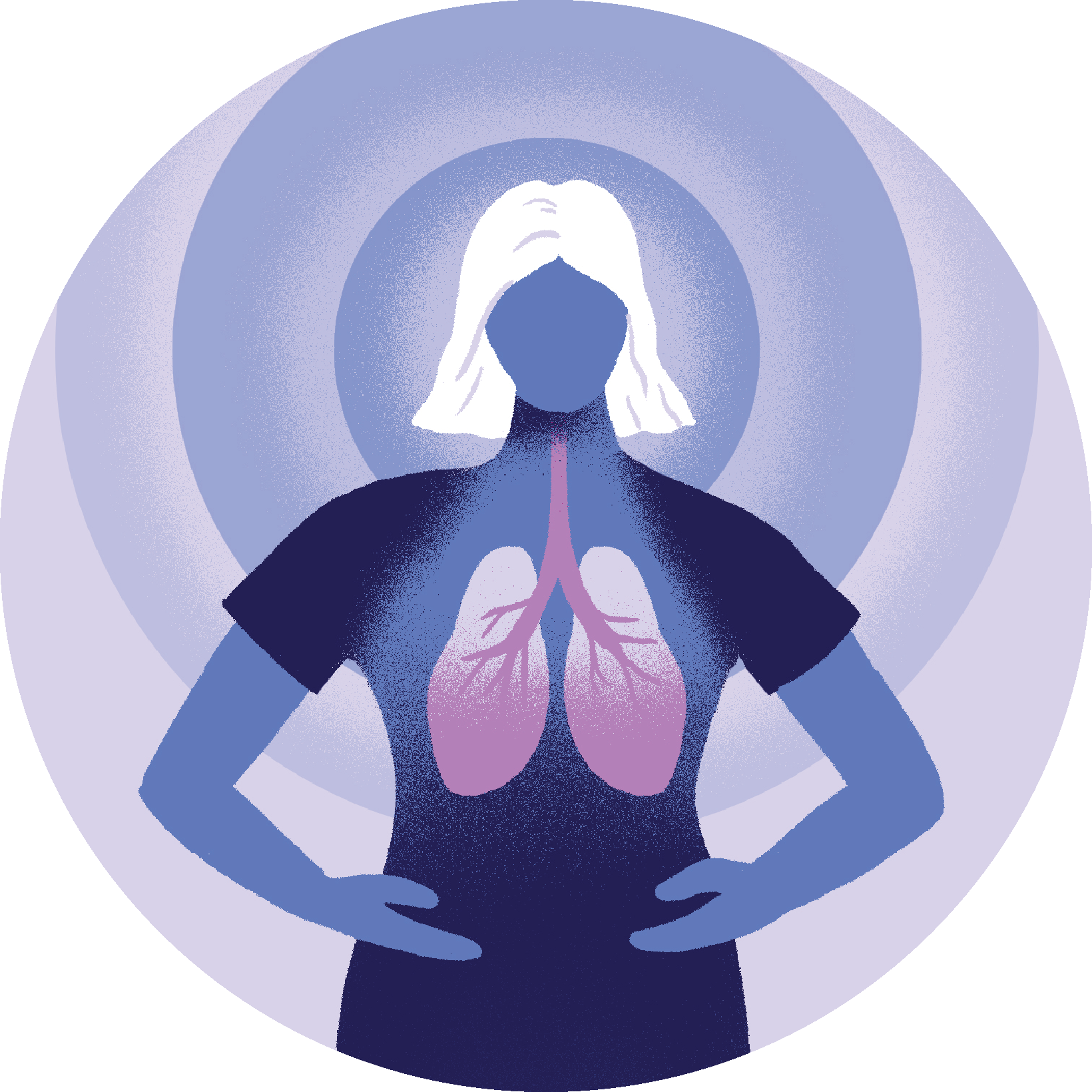
SLOW, DEEP DIAPHRAGMATIC (BELLY) BREATHING a few minutes each day stimulates the vagus nerve as the diaphragm moves, activating the body’s relaxation response. Breathe through your nose for a count of six and exhale through your mouth for a count of eight.
AEROBIC EXERCISE boosts the number of blood vessels that fuel your brain and enhances connectivity between brain cells, which may increase vagal tone.
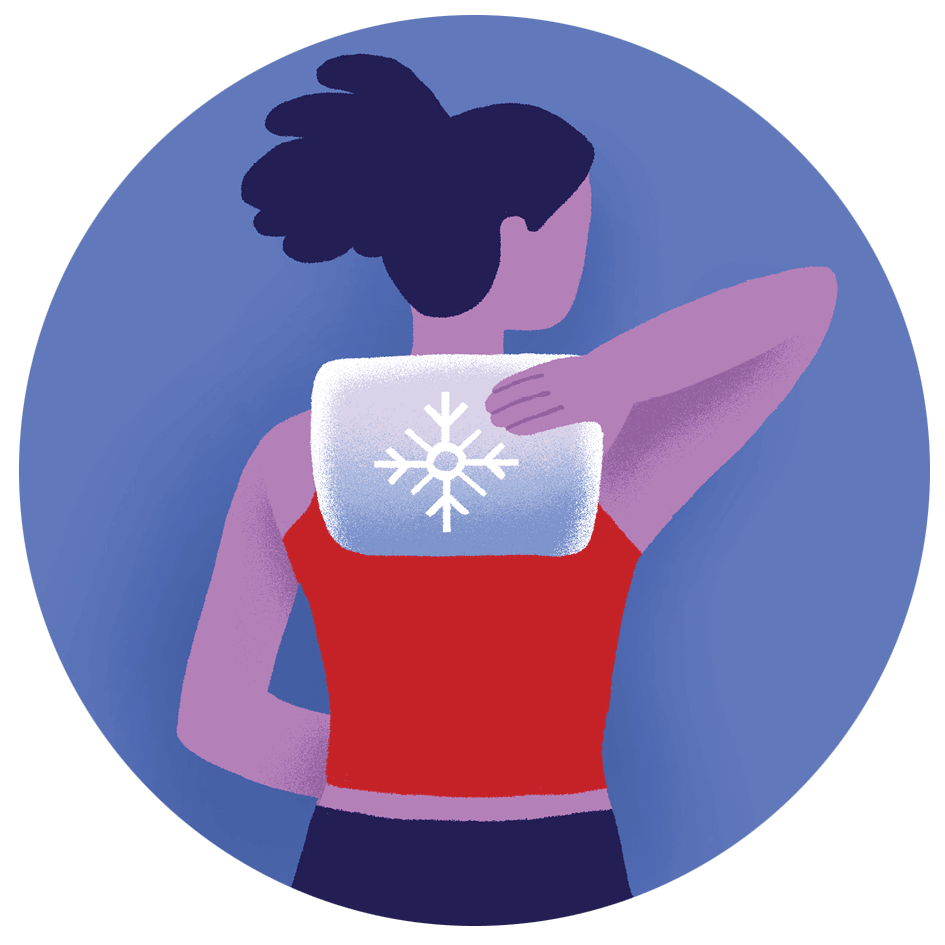
BRIEF EXPOSURE TO VERY COLD TEMPERATURES may stimulate vagus nerve pathways and reduce the body’s natural stress response. Rinsing your face with cold water or placing an ice pack for a few minutes on your neck can have an impact.
MEDITATION may activate the vagus nerve by calming the network of nerves that control a wide array of physiological processes.
GENTLE MASSAGE of the shoulders, neck and feet may help stimulate the vagus nerve.
THE PHYSICAL VIBRATION from humming resonates through the vocal cords, creating signals that some researchers believe may travel along the vagus nerve. —J.D.M.