Your Life
30 DAYS TO A DECLUTTERED HOME
Stay motivated by dividing your spring-cleaning project into achievable tasks
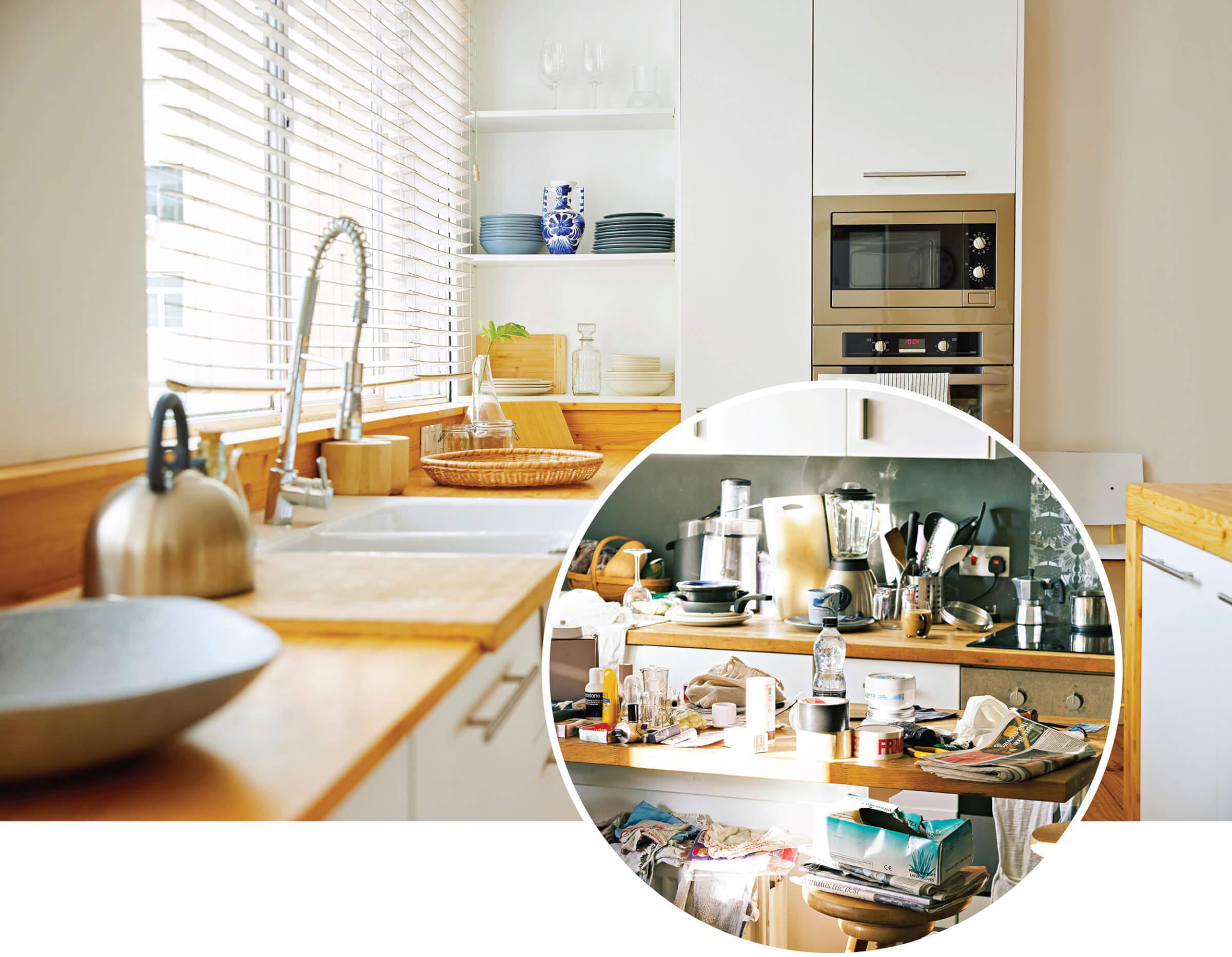
Spring is a popular time for decluttering. But a big reason many older people resist is because after years or decades of acquiring stuff—some of which has emotional value—the task just seems daunting.
I’m here to break it down for you. As a downsizing expert, I’ve seen almost every challenging decluttering situation.
My best advice: Take it one room at a time, one decision at a time. Make it manageable. In 30 days, your house won’t be perfect. But it will feel better: less heavy, less frustrating. You’ll spend less time managing stuff and more time actually living in the space.
And remember this: Once you get moving, it gets easier. Progress is contagious. That’s why I recommend decluttering in this order. It will create the confidence and momentum you need.
Week 1: BATHROOMS, ENTRYWAYS AND CARS
TIME COMMITMENT: 20 minutes a day. Stick to the time. If you do too much at the beginning, it may cause you to quit later.
We start with these spots for a reason: The things here don’t usually tug at your emotions, so they’re perfect for getting quick wins.
Start in the bathroom: Toss expired medications, old makeup, shampoos, body washes and special skin creams you tried once and didn’t use again.
Then move to the entryway. Donate shoes and jackets that you haven’t worn in more than a year, even if they were expensive, or that don’t fit anymore (they pile up). Go through seasonal items like gloves and umbrellas and pare down to what you really need. Entryway closets often contain bags of stuff you’ve been meaning to donate. Now’s the time!
And then it’s time to tackle your car. This may not seem like decluttering, per se, but but it’s an easy win to get a sense of accomplishment. And sometimes you’ll find a lost coffee cup or some spare change under the seat.
Week 2: KITCHEN AND PANTRY
TIME COMMITMENT: 30 minutes a day. Honor the time limit so you don’t get frustrated and quit.
Kitchen clutter is sneaky—it builds over time. Too many mugs, too many spatulas, and that drawer of containers with no matching lids. It’s the silent frustration that rarely gets addressed, and cleaning this up can make daily life easier.
This week, look for duplicates. Got five spatulas? Keep one. Let those “someday” gadgets go. You don’t need a grapefruit spoon if you eat one grapefruit a year.
Tackle drawers and cabinets on weekdays. Save the pantry or big cabinets for a weekend. If your adult children now host the holidays—this is a tough one—it’s time to give away or donate some of the large, holiday-focused dish sets and glasses.
Week 3: BEDROOMS, CLOSETS AND PERSONAL SPACES
TIME COMMITMENT: Don’t focus on time limits here. Do what feels good. If you are making progress and want to keep going, go for it. It can help to create rewards. Schedule a drink, dinner or ice cream with your friends after this process. It’s important to celebrate and share the stories you have from the work you accomplished.
Closets are especially tough. They’re full of versions of ourselves—jobs we once had, bodies we once lived in, familiar smells we miss, seasons that mattered. This is where the feelings show up. If you are sorting through the clothes of a deceased loved one, it’s OK to keep one sweater as a positive memory, but you can donate the rest. Your loss can be someone else’s gain.
As for your clothes, be realistic about fit—both in terms of physical size and your lifestyle. If it doesn’t fit, let it go. It’s OK, really.
Week 4: LIVING AREAS, PAPER AND MEMORY ITEMS
TIME COMMITMENT: No more than one hour at a time, for up to four sittings. It shouldn’t take more than four hours. Be diligent.
We have saved the toughest tasks for last. But by now, you’ve built confidence—and that matters, because this is the emotional core of the house, which makes it more difficult. Start with the living room surfaces. Reduce decor (take pictures of what you get rid of if it has emotional value) so that what’s left can be enjoyed. Then tackle paper: old manuals, outdated files, stacks of mail. Keep only what’s absolutely necessary. You can scan or photograph most documents rather than storing physical copies. Shred anything that has important identification information on it.
When you get to photos and keepsakes, slow down. This isn’t about clearing everything out. It’s about choosing intentionally. Here’s the question I ask every family I work with: What do you want your loved ones to inherit—boxes or stories? Most people don’t want to pass down piles of stuff. They want their family to know why something mattered. That’s why I recommend choosing a small number of truly meaningful items—your top five legacy list items—and letting the rest go.
If You Have More Time: ATTICS, BASEMENTS AND GARAGES
TIME COMMITMENT: No more than two hours at a time. Take breaks of an hour in between sessions. This is a weekend task and may take more than one day, but any progress is progress.
Attics and basements are where we often need help and an additional body for heavy lifting. These storage spaces are also where we stash emotionally charged items to deal with another time. Well, now is “another time.”
Refer to that legacy list from when you decluttered your living areas. You still have those five most important items that tell your family story. You’ll likely find that many of the items in your storage areas are no longer so triggering and are easier to let go of. And you can take lots of pictures of the items you discard and use those to share your stories with loved ones.
Matt Paxton is one of the top downsizing and decluttering experts in the country. He hosts the hit show Filthy Fortunes on Discovery and was an extreme cleaner on Hoarders for 15 seasons. He is also the founder of Clutter Cleaner, a company dedicated to helping families downsize and clean out their estates.
Five mistakes I see all the time
▶︎ Holding on to things because you feel guilty that a dead person will be mad if you got rid of them (yeah, I said that).
▶︎ Saving stuff “for someone else” who may never want it (your kids).
▶︎ Paying to store things you’re never going to use (storage units are a colossal waste of money).
▶︎ Organizing clutter instead of just letting it go (shuffling is not organizing; it’s just wasting time).
▶︎ Waiting around for motivation (you have to be the reason it starts). —M.P.
More Decluttering Help
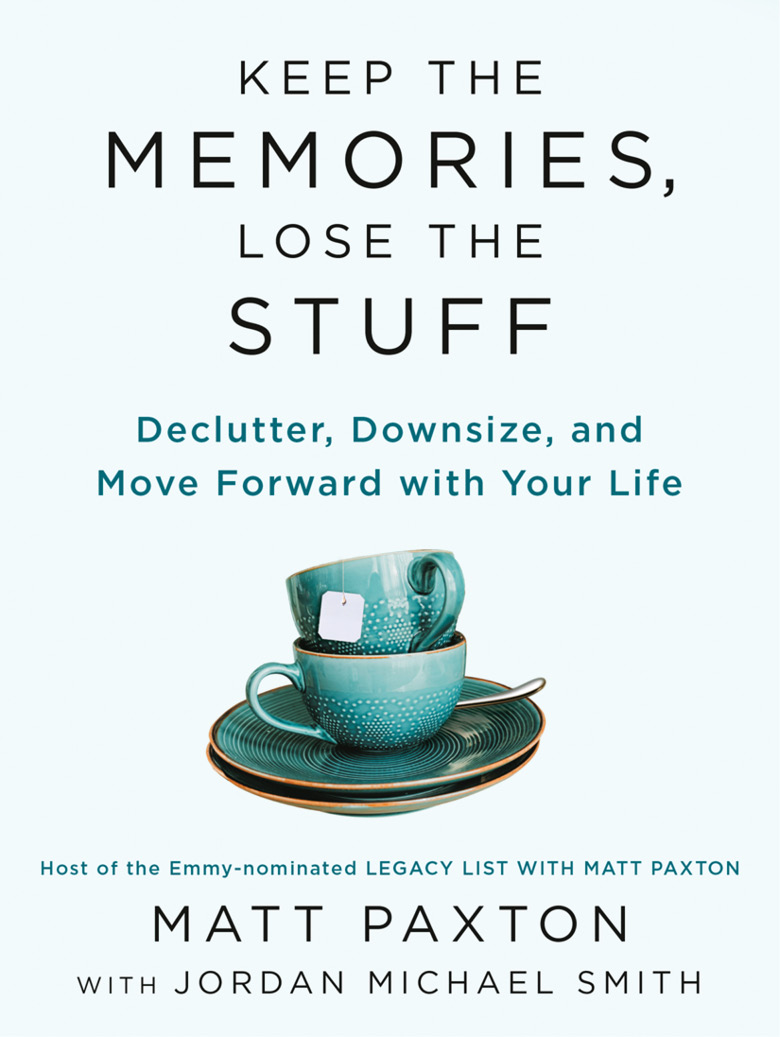
Reasons beyond the size of the task can make decluttering difficult. Matt Paxton can help you overcome the challenges in Keep the Memories, Lose the Stuff, from AARP. Buy it wherever books are sold, or go to aarp.org/bookstore for more information.