Your Health
ASK DR. ADAM
A top internist and cardiologist answers your questions with surprising doctor-tested tips
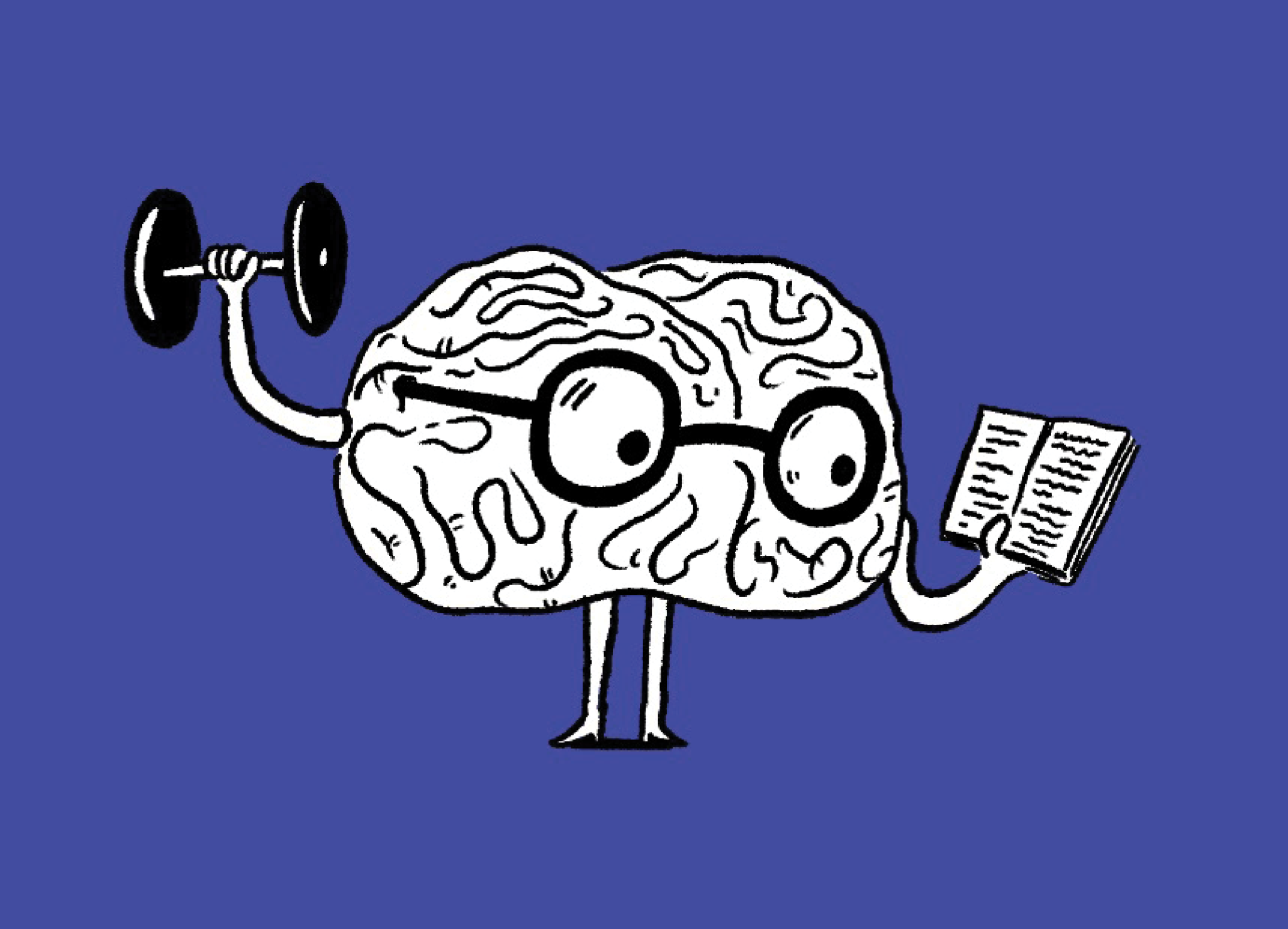
“Can I strengthen my brain later in life?”
Dr. Adam: Our brain can form new connections and even grow new cells throughout our lives, with the right conditions. What we do every day can change our brain’s trajectory. Here are five things to focus on.
▶︎ EXERCISE Even light activity counts. Walking, dancing, swimming, gardening, tai chi—whatever keeps you moving—improves blood flow, lowers inflammation and strengthens the same vascular network that keeps your kidneys and brain alive. Just 150 minutes a week of moderate activity can measurably improve your brain’s performance. That’s just over 20 minutes a day.
▶︎ FOOD In the MIND diet—a hybrid of the Mediterranean and DASH (Dietary Approaches to Stop Hypertension) diets—researchers found that older adults who adhered most closely to the plan had a 53 percent lower risk of developing Alzheimer’s disease.
What should you be eating? Leafy greens, berries, nuts, lean proteins and whole grains. Cut down on processed foods and sugars, which drive inflammation. Remember, inflammation is the enemy; it’s what ages your brain most rapidly. The more you can eat in a way that reduces this harmful process, the better your brain will perform. Omega-3 fatty acids, found in salmon, walnuts and flaxseed, are particularly powerful. They support neuron structure and communication, which helps your brain stay nimble as you age.
▶︎ SLEEP This is essential for memory and the removal of metabolic waste from your brain. Ideally, you should be getting between seven and nine hours of shut-eye every night. Without it, you won’t be giving your brain enough time to clean and organize itself.
▶︎ CURIOSITY Research shows that lifelong learning protects cognition. So take a class. Learn a new language. Try painting or playing music. These challenges engage neuroplasticity, the brain’s ability to rewire and strengthen itself.
▶︎ CONNECTION Staying engaged with friends and your community buffers against loneliness, depression and the brain decline that can follow.
“Is sleep apnea serious?”
Dr. Adam: There are two types of sleep apnea. Obstructive sleep apnea, the more common one, occurs when the muscles in your throat relax during sleep, narrowing or blocking your airway. When oxygen levels drop, your brain wakes you just enough to gasp or snort. Then the cycle repeats, sometimes dozens or even hundreds of times a night. Central sleep apnea is less common and involves your brain failing to send proper signals to the muscles that control breathing. Some people have a mix of both.
Left untreated, sleep apnea doesn’t just leave you tired. It increases your risk of high blood pressure, irregular heart rhythms, heart attack, stroke, insulin resistance, weight gain and cognitive decline. Over time, this nightly stress can injure blood vessels and brain cells, contributing to long-term health complications.
So sleep apnea can be very serious, especially if untreated. But here’s the good news: It’s highly treatable, and a diagnosis is easier than ever. The gold standard remains a sleep study performed overnight in a lab, where your brain waves, oxygen and breathing are monitored. There are also at-home tests that can identify moderate to severe sleep apnea.
An effective treatment is a continuous positive airway pressure (CPAP) machine, which delivers a continuous stream of air through a mask worn over the nose and mouth. Other options include dental appliances that reposition your jaw, positional therapy (sleeping on your side, for example), weight loss medications and lifestyle changes, such as losing weight, exercising and avoiding alcohol before bed. For patients who cannot tolerate CPAP treatment, an implantable device that prevents airway obstruction is another option.

Adam B. Rosenbluth, M.D., practices and teaches in New York City. Each Monday online, he answers your questions about how to make your body work better for you.
WANT MORE DR. ADAM?
GO TO aarp.org/AskDrAdam
For more advice on living better, go to aarp.org/MembersEdition
I Wish My Husband Were More Social
She’s an extrovert. He’s an introvert. It’s causing issues. aarp.org/InTheMood

AARP Smart Guide to Bicycling
Check out these 31 tips to help get you rolling. aarp.org/Cycling

Do I Need to File Taxes if I’m Retired?
Maybe not, but you might want to anyway. aarp.org/RetiredTaxReturn