Your Health
ASK DR. ADAM
A top internist and cardiologist answers your questions with surprising doctor-tested tips

“I’ve been diagnosed with COPD. What can I do to improve my breathing?”
Dr. Adam: Chronic obstructive pulmonary disease, or COPD, is a lung condition that makes it harder to breathe out fully. COPD occurs when your airways (bronchi) and tiny air sacs (alveoli) become inflamed, damaged or stuck open. A large study of adults age 50 and older found that as of 2020, almost 10 percent of us were dealing with COPD.
I recommend a daily practice of breathing exercises. Try pursed-lip breathing: Relax your shoulders and neck, then inhale through your nose for two seconds (or as long as is comfortable), then exhale slowly through pursed lips, as if you’re blowing out a candle, for four seconds, or roughly twice your inhale time.
Another effective exercise involves belly breathing. Lie on your back with knees bent, and put one hand on your chest and the other on your tummy. Inhale deeply through your nose over three counts. Your belly should rise more than your chest. Next, with your lips slightly pursed, exhale slowly over six counts, using your abdominal muscles. Try to gradually work up to doing this exercise for five to 10 minutes, three to four times a day.
Breathing when you have COPD burns extra energy, so try to maintain a healthy weight. Being underweight can deprive you of the strength needed for breathing, while being overweight makes breathing harder.
Your lungs may be challenged, but your spirit doesn’t have to be. Take it day by day, and keep in mind that small improvements add up. With consistency and the right support, you can gain confidence in your breathing and in your future.
“I keep hearing about how dangerous inflammation is. How can I keep it in check?”
Dr. Adam: Chronic inflammation hastens the aging process and contributes to ailments such as arthritis, heart disease and dementia. More than a third of Americans are living with systemic inflammation. Yet a lot of people don’t really understand what inflammation is.
Put simply, inflammation refers to the way our body responds to a threat, such as an injury or infection. When you have a wound and there’s redness or swelling around it for a few hours or days, that’s a sign your immune system is putting up a helpful defense to promote healing. This is called acute inflammation, and it’s a normal, healthy response.
Chronic inflammation is another story. It happens when your body’s immune system kicks into high gear—and never settles down. The result? The body begins to attack itself and, over time, damages tissues and organs and may trigger the development of disease.
Your doctor can determine your level of inflammation by administering two blood tests. The C-reactive protein (CRP) test measures a protein that your liver produces in response to inflammation. The erythrocyte sedimentation rate (ESR) test measures how quickly your red blood cells sink to the bottom of a test tube. (When there’s inflammation, it will be quicker.)
If you test positive for chronic inflammation or just want to prevent it, I strongly recommend sticking to a noninflammatory diet, which is largely the Mediterranean diet of lean proteins, whole grains, lots of produce and healthy fats, like olive oil. Also, avoid processed foods and try not to overeat or drink too much alcohol. Don’t smoke, and make exercise a matter of routine in your daily life. In some cases, medication may play a role.
Although chronic inflammation is serious, it isn’t a hopeless situation. With a commitment to a healthier lifestyle and help from your doctor, you’ll likely be able to make meaningful improvements. The results can help you feel dramatically better.

Adam B. Rosenbluth, M.D., practices and teaches in New York City. Each Monday online, he answers your questions about how to make your body work better for you.
WANT MORE DR. ADAM?
Go to aarp.org/AskDrAdam
For more advice on living better, go to aarp.org/MembersEdition

Bridging the Love Language Gap
Practical tips for staying connected aarp.org/InTheMood
Smart Guide to Muscle Health
30 ways to maintain your strength as you age aarp.org/MuscleHealth
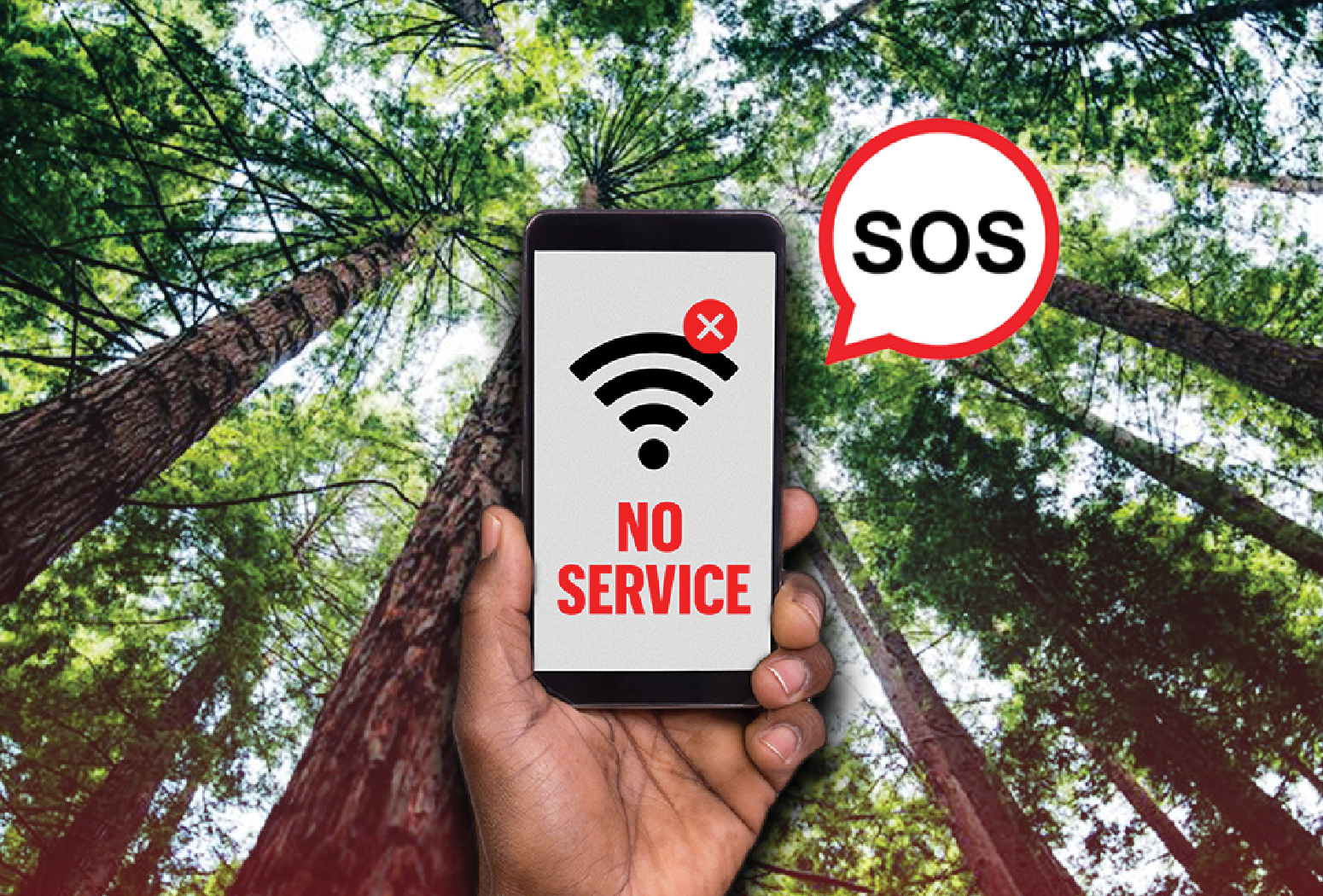
Off the Grid, but Not Out of Reach
How to get help on a phone without a signal aarp.org/TechGuru