






















































Alert
Close

Help those devastated by the Oklahoma tornadoes. Click here to donate today and AARP will match your gift

AARP Membership: Just $16 a Year

Highlights

Open

Dunkin' Donuts

Members receive a Donut with purchase of a L or XL beverage

AARP Salutes Our Heroes

Thanks to the veterans who served our country

Savings Icon

Tanger Outlets

Access to a free coupon book

Technical Icon

Black Community

How to live your best life

Tell Us Your Story

Let us know how the new health care law helps you

Contests and
Sweeps

You Could Win $50,000!

Plus you’ll get free tips and tools to help you find your perfect path to retirement
See official rules.

Today's
news

Most Popular
Articles

Viewed

Recommended

Commented

What the Election Means for You

Winners face challenges with health care, Social Security, tax cuts and more.

  • Text
  • Print
  • Comments
  • Recommend
Senate and House 2010 Election Results

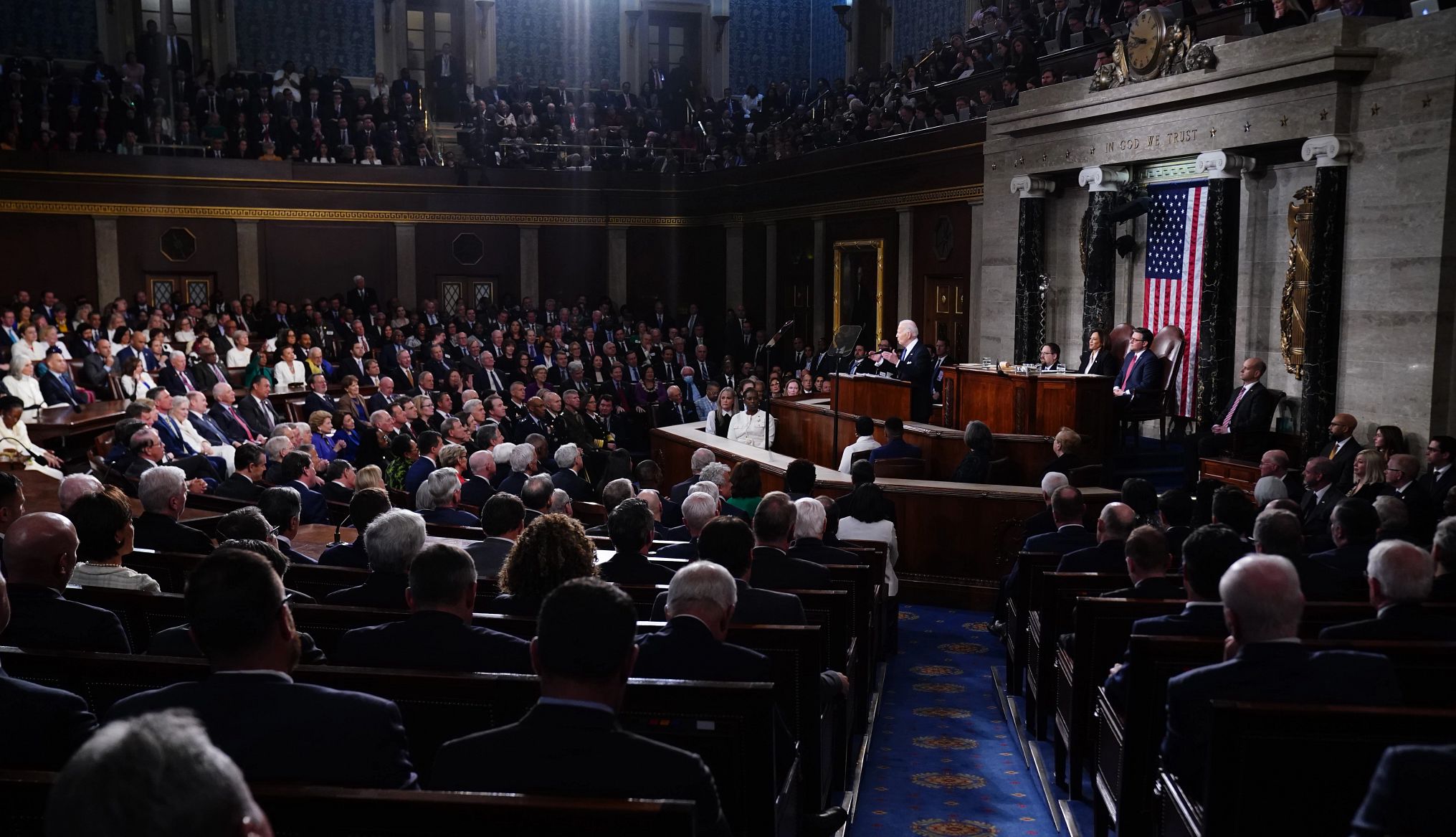
A "throw the bums out" tide swept the nation Tuesday night, vaulting the Republicans to control of the House of Representatives and scrambling the deck for issues important to older voters, who have much at stake in the new Congress.

Democrats held on to the Senate and many governorships, ushering in an era of divided government, with Democrat Barack Obama still in the White House and the stage set for a contentious 2012 election season. While split governments are often ripe for compromise, the newly elected Republicans, many of them members of the Tea Party, have said they will hold to their principles no matter what.

The incoming Republicans, who will be led by likely speaker John Boehner, R-Ohio, have pledged to roll back the new health care reform law, weigh changes to Social Security and Medicare, and take a tough look at federal spending on government programs.

"It's clear tonight who the winners really are and that's the American people," Boehner said at a Republican victory rally. "The American people's voice was heard at the ballot box."

He said the election was a "repudiation of big government and of politicians who refuse to listen." It is time to "seize that moment and make sure to reject spending sprees and bailouts and backroom deals and all the other nonsense," he told ecstatic partisans.

He began to choke up when he recounted his life of working odd jobs and sweeping the floor in his father's bar to make money for college, and called for a change in attitude.

"With their voices, the American people are demanding a new way forward in Washington — a new approach that hasn't been tried before. Cutting spending instead of increasing it, reducing the size of government instead of increasing it," he said.

Democratic Party leaders said they would fight GOP plans and never compromise on bedrock principles.

In addition to winning control of the House, Republicans took over the governorships in Michigan, Ohio, Pennsylvania and Tennessee, but Democrats held on in Maryland, New York, New Hampshire and Massachusetts, as well as in California, which is key to their hopes in 2012.

Governorships are also critically important to implementation of the new health reform law, as the states have to set up the insurance exchanges that are key to the program.

But for the most part, it was a Republican day. "I can almost feel the ground shaking here because there's an earthquake election going on all over this country," Sen. Jim DeMint, R-S.C., declared.

Rep. Eric Cantor, R-Va., the presumptive House majority leader in the new Congress, said on CNN that Republicans now have a "golden opportunity to … listen to the people, which is what the vote is all about. The American people felt they have been ignored."

He refused to be specific on what programs might get cut, saying only that the Republicans want to return to 2008 levels of discretionary spending.

AARP's John Rother said the role of government itself was at stake in the election. "Should government take an active role in managing the economy or providing a safety net for people, or should it take a more reduced role and leave greater room for the private sector and individual responsibility?" said Rother, executive vice president for political strategy and international affairs. "Everything else follows from that."

The House Republicans' "Pledge to America," while short on specifics, targets the new health care law. The document calls for "repeal and replace." Most analysts don't think repeal is possible, since that would be subject to President Obama's veto. Repeal may not even be practical, considering that some of the popular effects of the new health care law are already in place, such as keeping children on their parents' insurance plans until they reach age 26 and prohibiting lifetime limits on insurance benefits. But there are many intermediate steps that could have a severe impact on the law.

Brookings Institution health policy analyst Henry Aaron said a complete repeal is unlikely, but he sees a scenario in which the health law could be stymied if Congress cuts funding, refuses to approve staffing, or drags out the process of writing specific rules and regulations.

Topic Alerts

You can get weekly email alerts on the topics below. Just click “Follow.”

Manage Alerts

Processing

Please wait...

progress bar, please wait

Tell Us WhatYou Think

Please leave your comment below.

You must be signed in to comment.

Sign In | Register

More comments »

washington watch

AARP Advocacy

Discounts & Benefits

From companies that meet the high standards of service and quality set by AARP.

financial products

Member access to financial and insurance products and services at AARPfinancial.com.

Grandson (8-9) whispering to grandfather, close-up

Members save on hearing care with the AARP® Hearing Care Program provided by HearUSA.

AARP Discounts on Consumer Cellular Phones and Plans

Members save 5% on monthly service and usage charges with Consumer Cellular.

Member Benefits

Members receive exclusive member benefits & affect social change. Join Today

Featured
Groups

Politics — Current Events

Speak out on the issues and controversies of the day. Discuss

Issues & Elections

Civil, bipartisan discussions of today's issues and topics of national interest. Discuss