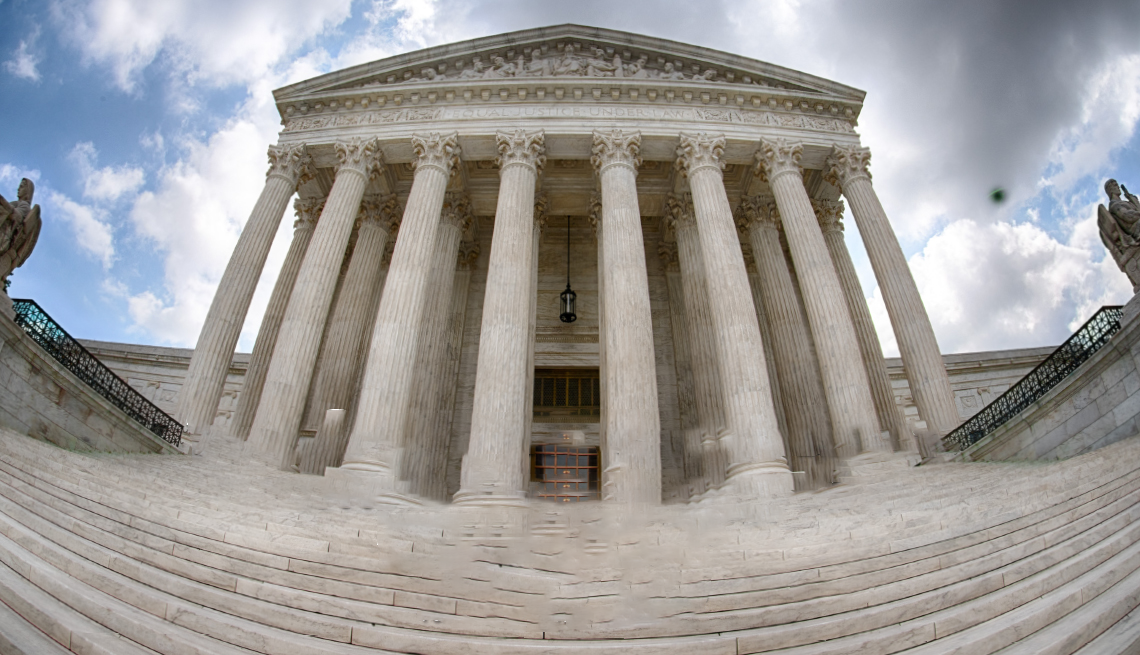
The U.S. Supreme Court ruled that the Federal Energy Regulatory Commission (FERC) has limited authority to overturn a utility contract even when third parties object to unfair rates. The decision is a blow to all utility consumers.
The Dispute
The case concerns New England's capacity market for electricity, which has had a number of problems in recent years. In a "capacity" market, as opposed to a wholesale electricity market, the entity purchasing electricity for consumers compensates the seller for the option of buying a specified quantity of electrical power regardless if they ultimately buy that quantity. Under this system, the purchasers of electrical power generally purchase more electrical capacity than is necessary to meet their customers' demand for electricity.
This case involved four months of negotiations involving 115 parties across New England. All but eight of the parties reached a settlement purporting to set rates for all market participants whether or not they agreed to the settlement. Eight litigants, including Maine Public Utilities Commission and the attorneys general of Connecticut and Massachusetts, objected on the grounds, among other things, that the agreement effectively forced states to acquire a specific level of capacity whether they wanted or needed it. They also challenged the methodology by which the price point was determined.
Nonetheless, FERC approved the settlement even as to the states objecting to the settlement. That decision was rejected by a federal circuit court on appeal. The D.C. Circuit Court of Appeals ruled that the objecting states and other parties were entitled to a review by FERC under the "just and reasonable" guidelines of the Federal Power Act.
NRG Power Marketing LLC v. Maine Pub. Utilities Comm'n was appealed to the U.S. Supreme Court, where AARP filed a "friend of the court" brief with the consumer-interest group Public Citizen.
NRG Power Marketing v. Maine Public Utilities Comm'n
U.S. Supreme Court Weakens Utility Consumer Protection Statute
Search Legal Advocacy
Find
Legal Cases
Find the most recent cases in which AFL has advocated in courts nationwide for the rights of older persons, and filed AARP’s amicus curiae (“friend of the court”) briefs that help courts decide precedent-setting cases.

Make a Difference — support programs that help vulnerable seniors who are struggling to make ends meet.