















































Dollars and Dents: Staged Car Accidents
| December 1, 2003
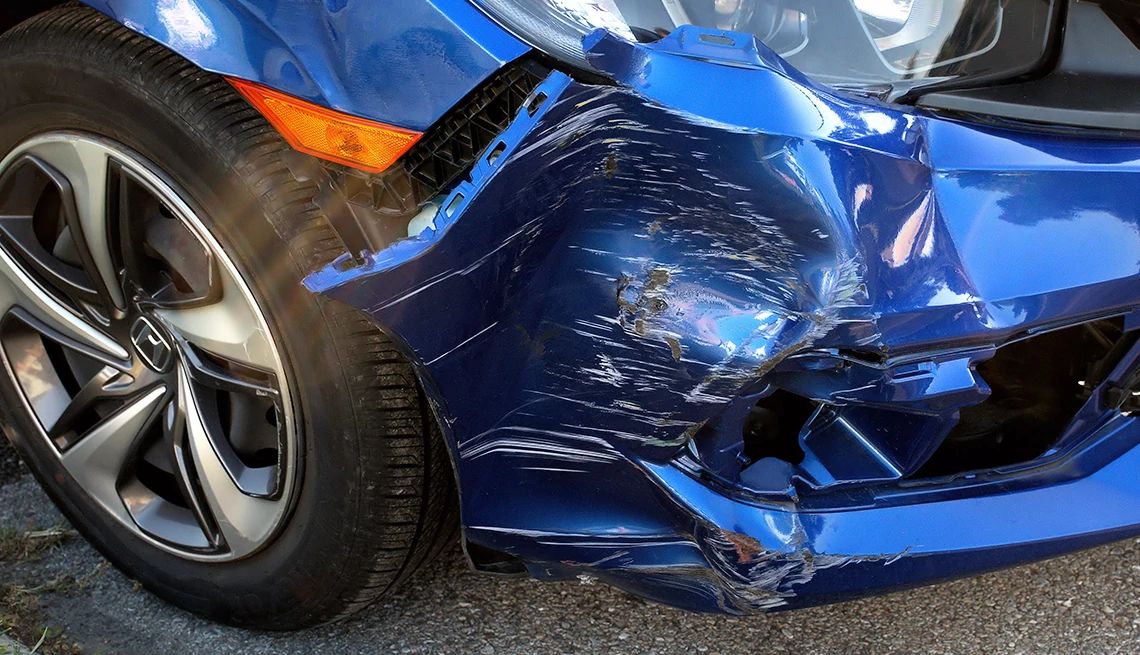
It sounds unbelievable, but someone may intentionally crash into your car. Even though the damage to your car may be small, the dishonest driver of the other car is looking to cash in on a big insurance payoff. That driver may make claims against your car insurance company for fake serious injuries.
How it happens
These accidents get staged—and even rehearsed—in creative ways. A car suddenly swerves in front of you and slams on the brakes, causing you to rear-end the car. Or you are trying to merge and the other driver waves you forward. Instead of slowing down to let you in, the dishonest driver speeds up and crashes into you. Denying that he signaled you, he claims you caused the accident. Or it could happen when a driver motions you to come out of a parking space and then hits you. The next thing you know, the driver, and possibly many passengers, pile out of the car pretending to have painful neck or back injuries.
What happens to you
First, you could get seriously injured or even killed by an intentional accident. You have the inconvenience of getting an appraisal for your car’s damage and then leaving your car in the shop for repairs. You get a costly claim on your insurance record that could raise your premiums or even cause you to lose your coverage. You’ll waste time with claim settlements, police reports, even law suits. And this fraud increases everybody’s insurance premiums. The crime causes $200 million in losses just in California each year.
Protect yourself
The Coalition Against Insurance Fraud warns that older drivers, solo drivers, and owners of new cars are targeted as innocent victims of these collisions. One driving tip is to keep a safe distance from the car in front of you. Keep a disposable camera, paper and pen in your glove compartment.
Whenever you are in an accident, and especially if you think the accident may have been staged, protect yourself by getting good details about the accident.
- Once you and your car are in a safe place, exchange information with the other driver.
- Even though the documents may be fake, get all the information from the drivers’ license, vehicle registration and proof of insurance.
- Count the number of passengers in the other car and get their names, telephone numbers, addresses, and driver’s license numbers. Make a note if they were wearing seat belts. Did they act injured only after the police arrived?
- Get the names, addresses and phone numbers of any persons at the scene who could be witnesses.
- Photograph the damage to your car and the passengers with your camera.
- Call the police to the scene if the collision appears planned or if the damage to either car is extensive.
Take Action
- The National Insurance Crime Bureau is the place to call to report fraud 1-800-835-6422 (24 hours a day, seven days a week).
- The Coalition Against Insurance Fraud details how fake accidents are scripted.


preview