













































AARP.org
Connect with the AARP Community, it's free. Log In Sign Up

Managing Stress

Relax Your Stress Away

Meetings, schedules, deadlines, commitments. Stress! When does anyone have time to relax?

We all unwind in different ways. Some read a book, others go for a walk. When we can't get rid of the causes of our stress, changing how we react to them can lessen the stress we feel. There are also relaxation techniques that slow our heart rate and breathing. They clear our mind, and help us calm down.
See if one or more of these suggestions works for you. Once you find one, practice it regularly when you feel your stress rising.

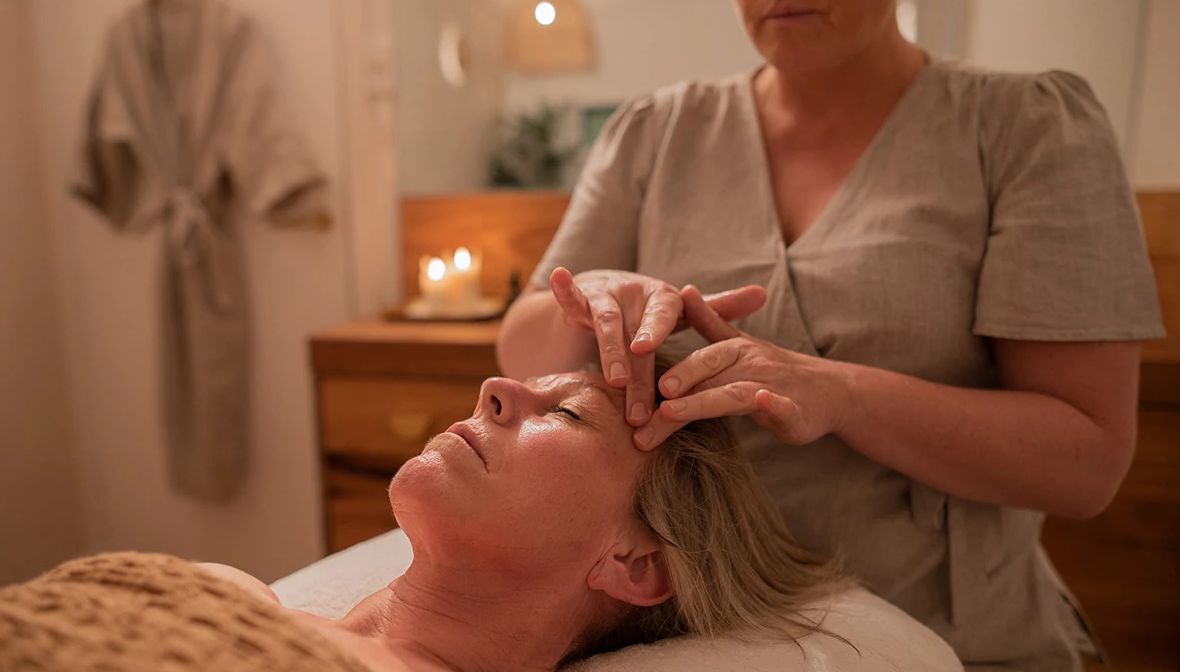
Massage

Massage is kneading muscles and soft body tissues to relieve stress, tension, and pain. A good massage therapist loosens and relaxes tight or sore muscles. Your whole body feels relaxed, yet refreshed and invigorated. Massage therapists are available at health clubs, wellness centers, or spas. If money is tight, some massage schools let students work on clients at a discount. Before going, check the school's reputation. Ask about the kind of training the massage therapists have and what kinds of massage they specialize in. Friends, family members, or coworkers are good sources of referrals.

Meditation

Meditating lets you enter a state of peace and quiet reflection, calming your body and mind. There are many ways to meditate. You can do it while praying, doing yoga or tai chi, listening to music, or sitting cross-legged on the floor with incense and candles. Meditating removes you mentally from where you are while your mind and body rest. Research shows that people have immense success with meditation to relieve stress, according to Roger Jahnke, doctor of acupuncture and oriental medicine, and author of "The Healer Within." Jahnke says you can meditate two ways: by focusing your mind or by emptying your mind; the latter is harder and takes longer.

Deep Breathing

Practice deep breathing anywhere — while you're meditating, doing yoga, waiting to give a speech, or in your car stuck in traffic. Most forms of meditation include some type of breath practice, according to Jahnke. Breathing deeply and slowly helps you calm down and feel more relaxed. There are several ways to practice deep breathing, but the idea is to do it slowly and mindfully.

Visualization

Also known as guided imagery, you're the director of your dream. Think of a peaceful, beautiful setting. Imagine yourself there. Once you've pictured yourself in your safe and beautiful place — maybe the beach, your patio or the top of a mountain on a warm, sunny day — you stay with your vision for several minutes, until you feel your mind and body relax. You can practice visualization at home or in your office, with or without an audio or video tape to guide you.

"Stress is caused by worrying," says David Bresler, a professor at the University of California, Los Angeles. "Worrying takes place in our imagination because we're worrying about things that haven't happened yet, or we're worrying about things from the past." According to Bresler, guided imagery reduces stress by giving people greater control over their imaginations.

Biofeedback

Biofeedback measures how you change your body's functions, like breathing, through activities such as guided imagery. Hand-held machines provide audio and video information that measure changes in heart rate, muscle tension, and relaxation.

Thought-Stopping

This technique involves stopping stressful thoughts before they have a negative effect on you. You isolate the stressful thought and silently say "stop" to release the thought from your mind. If the thought doesn't go away, repeat the process.

Hypnosis

Hypnosis is a trancelike state of deep relaxation while your mind stays restfully alert and open to suggestion. It includes deep breathing, meditation, and visualization. Psychologists and psychiatrists sometimes practice hypnosis, as do professional hypnotists. The fear people might have about hypnosis comes from its being used on the stage, according to Jahnke. Just know that "you'll never act like a chicken unless you want to." In other words, you won't do anything under hypnosis that you don't want to do. Furthermore, a health professional won't do anything resembling a stage show, says Jahnke. "They apply it [hypnosis] as a health management and stress reduction tool." Get a good referral to a professional who practices hypnosis.

Progressive Muscle Relaxation

Muscles tense up when stressed. Learning to release stress and tension from muscles is simple. Exercises include the tensing and relaxing of different sets of muscles in a particular order, such as starting with those in the head and working your way down to your feet. Some fitness instructors guide you through this process at the end of workouts.

Yoga

Yoga, an ancient Hindu mind-body practice, can reduce stress and help you become calm and centered. It also builds strength and flexibility. Yoga is growing in popularity, especially with baby boomers. Most yoga practices in the U.S. focus on the physical postures, breathing exercises, and meditation. Look for yoga classes at community centers, health clubs, or yoga centers. Before you sign up, find out what kind of yoga class you'd be taking, for instance, raja yoga, ashtanga yoga, power yoga.

Tai Chi

With its precise, gentle, flowing movements, this ancient Chinese mind-body practice is perfect for relieving stress. Described by those who practice it as "meditation in motion," the focus of this martial art is on slow movement, breathing, and concentration aimed at moving your life energy, or Ch'i, throughout your body.

Tai chi is a form of qigong (Chi Kung), which is the yoga of China, according to Jahnke. Meditation that combines movement, like qigong and yoga, is the best form of relaxation and better than exercise alone, says Jahnke. "Combining meditation with movement triggers and enhances a multitude of self-healing mechanisms."

Other techniques:

  • Count to Ten
    If a situation gets really bad, count to ten slowly to give yourself time to think about the best way to react.
  • Talk To Yourself
    As you slowly breathe in, say to yourself, "I am." As you breathe out, say slowly to yourself "calm." Repeat this until your mind is calm and you can focus on your breathing.
  • Write It Out
    Writing can be good therapy. If you're overloaded with worries, take a pencil and paper and spend 20 minutes writing down your concerns and possible solutions to the problems.
  • Take A Break
    Get a change of scenery by doing something simple. A walk outdoors can give you a new outlook on a situation.
  • Take A Bath
    Add some soothing music and scented bath oil and let your stress just melt away!
  • Get Back To Nature
    Nature can be a great stress-reducer. Drive to the ocean and take a walk on the beach or just watch the waves rolling ashore. Stroll through a flower garden or nature trail. Listen to a tape of ocean sounds or birds.
    Relaxing for 15 minutes or more a day, using these techniques or others that you might discover on your own, can go a long way in relieving stress.

AARP Resources

Yoga Yield Mind And Body Fitness
Yoga relieves stress through breathing, meditation, and movement.

AARP Alternative Health And Wellness Network
AARP members receive a discount from participating practitioners.

Additional Resources

Progressive Relaxation Exercises
This site walks you through three different progressive relaxation exercises.

Visualization Exercises To Calm Your Nerves
Shows you how to use mental images to calm your mind.

Books

Find these books online at Barnes & Noble.com.

Meditation for Beginners: Techniques for Awareness, Mindfulness and Relaxation
Stephanie Clement, Llewellyn Worldwide, Ltd., October 2002

Learn to Relax: A Practical Guide to Easing Tension and Conquering Stress
Mike George, Chronicle Books LLC, June 1998

The Healer Within: Using Traditional Chinese Techniques To Release Your Body's Own Medicine *Movement *Massage *Meditation *Breathing
Roger Jahnke, Harper Collins Publishers, December 1998

Email Newsletters

Discover healthy tips on exercise, eating right and personal care.

Health Products & Services

Health Insurance - Dental, long term care and a range of health insurance products.

Health Discounts - Vision and prescription savings.

Fitness Discounts - On nationwide health clubs and personal trainers.

Additional Products & Services

Advertisement


Advertisement

Quick Clicks

Driver Safety Course

Life@50+ | AARP's National Event & Expo

AARP in Your State

Message Boards

Contact Congress

National Employer Team

Show Your Support
AARP Campaigns

Divided We Fail–together we can do anything.

Using Meds Wisely–be a smart consumer.