
AARP Hearing Center
CLOSE
Search
Popular Searches
Suggested Links








Flexible Work

AARP Skills Builder

Flexible Work

ON-DEMAND WEBINARS

Drug Prices

Social Security

Medicare & Medicaid

Caregiving






LONG-TERM CARE

State Guides

Prepare to Care Guides

End of Life













Home Technology

Get Happier

POSSIBILITIES OF AI


Relationships

Home Health






Leaving AARP.org Website
You are now leaving AARP.org and going to a website that is not operated by AARP. A different privacy policy and terms of service will apply.

Medicare
AARP helps you learn and stay informed about Medicare.
Join our fight to make healthcare costs easier to manage.


Medicare
AARP helps you learn and stay informed about Medicare. Join our fight to make healthcare costs easier to manage.
 About Medicare
Trusted AI-answers, powered by AARP content.
What is Medicare?
Medicare Plans Explained
What's the right Medicare plan for me?
Can AARP help me enroll in Medicare?
AARP’s use of your data is subject to our Privacy Policy. Avoid sharing sensitive details and verify results.
- Learn
- Stay Informed
- Join Our Fight
Learn How Medicare Works
Make informed decisions as you navigate Medicare




Stay Informed on Medicare News
Stay reliably informed on the latest changes and developments.
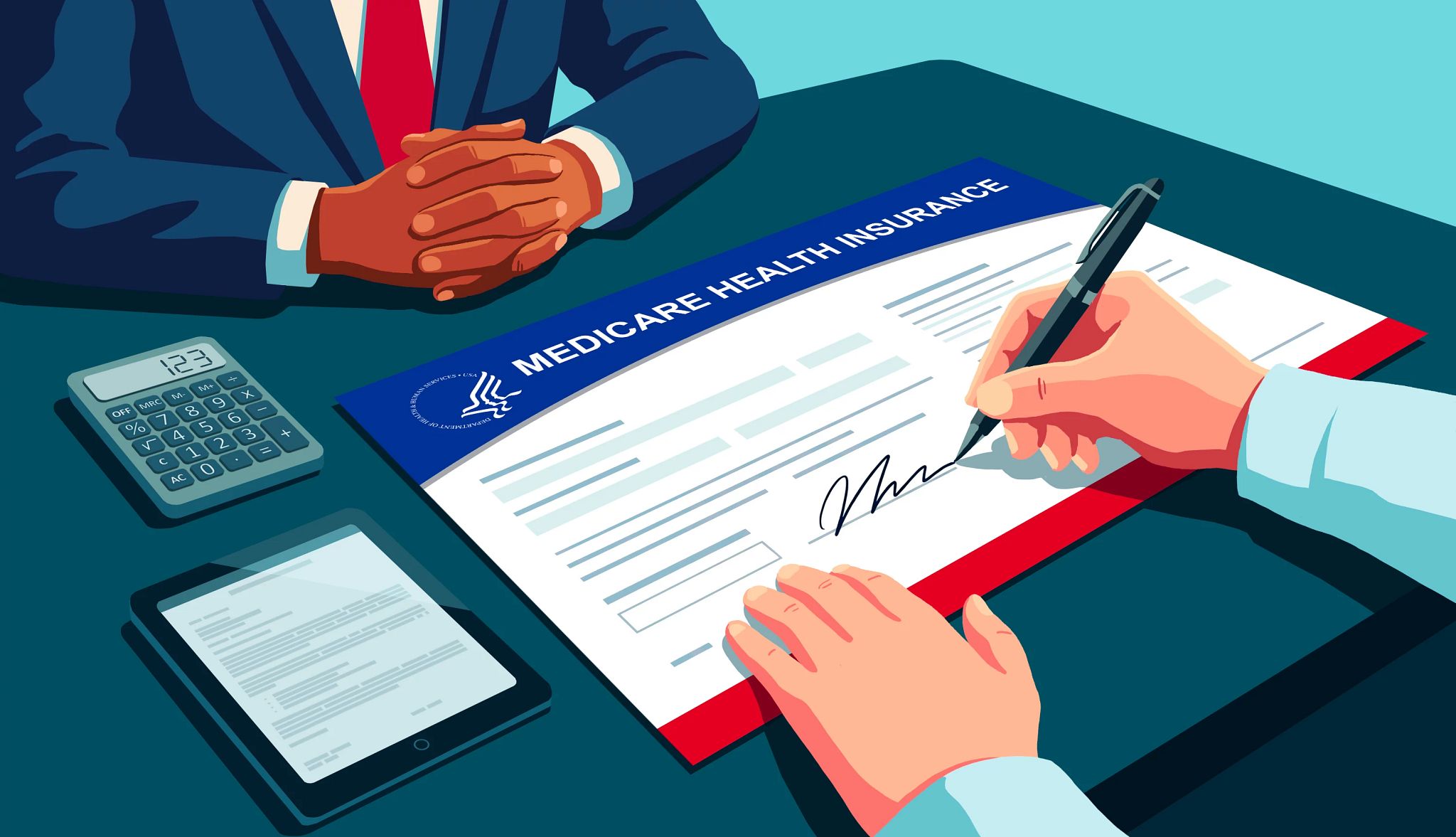



Join Our Fight for Medicare
Find out how AARP is fighting to protect Medicare, Social Security and other issues that matter to you.

On-Demand Webinar
We'll discuss how AARP’s free webinar can help you make confident, informed decisions about your options and avoid unexpected surprises.

On-Demand Webinar
Your initial Medicare enrollment can be confusing—there’s a lot to understand and unpack. In this free webinar, experts will explain the most important aspects of Medicare Initial Enrollment you’ll need to know as you approach eligibility.

On-Demand Webinar
Join us for a free informative webinar focused on common Medicare questions, so you can make the right choices and avoid costly mistakes. An expert panel will provide answers and insights across the categories of Coverage, Care and Cost. We’ll discuss what’s covered (and what’s not), how the different parts work, what counts towards your deductible and much more.

On-Demand Webinar
Whether you recently turned 65, or that magic age is quickly approaching, there are some important healthcare decisions you need to make. Medicare will cover the majority of your healthcare costs for the rest of your life, but you need to sign up for it during your enrollment window. Join us for a free webinar to explore essential questions and learn how Medicare works so you can make the best decisions for your healthcare needs.

On-Demand Webinar
A Seamless Medicare Transition: What to Expect and How to Prepare
Join us for a free informative webinar designed to help you navigate your Medicare transition with clarity and confidence. Hear from experts who cut through the confusion to give you direct answers and straightforward guidance so you can make the best decisions for you.

- Slide 1
- Slide 2
- Slide 3
- Slide 4
- Slide 5

AARP Navigator
Medicare Initial Enrollment
This customizable online program simplifies Medicare, empowering AARP members to make informed decisions with confidence and receive support throughout the process.
Stay Informed on Medicare News
Stay reliably informed on the latest changes and developments

Learn How Medicare Works
Make informed decisions as you navigate Medicare
Join our Fight for Medicare
Find out how AARP is fighting to protect Medicare, Social Security and other issues that matter to you
Tell Congress — Protect Seniors, Not Big Drug Companies
Join AARP in fighting to protect Medicare’s ability to slash prices for older adults
Latest Advocacy Efforts
Find out how AARP is fighting to protect Medicare, Social Security and other issues that matter to you
AARP's Advocacy Blog
Learn more directly from the Desk of Nancy A. LeaMond, AARP's Chief Advocacy and Engagement Officer
Medicare Policy and Research
Explore AARP's research and policy work on Medicare, Medicaid, and health insurance coverage for older adults
AARP Government Watch
Read AARP letters to the President, Congress and government on issues from Medicare to Social Security and more

Partner
State Health Insurance Assistance Program (SHIP)
SHIP is a national program that offers one-on-one assistance, counseling, and education to Medicare beneficiaries, their families, and caregivers to help them make informed decisions about their care and benefits.


Explore hundreds of AARP benefits, including a wide range of discounts, programs and services.
