



















































Alert
Close

Help those devastated by the Oklahoma tornadoes. Click here to donate today and AARP will match your gift

AARP Membership: Just $16 a Year

Highlights

Open

Dunkin' Donuts

Members receive a Donut with purchase of a L or XL beverage

AARP Salutes Our Heroes

Thanks to the veterans who served our country

Savings Icon

Tanger Outlets

Access to a free coupon book

Technical Icon

Black Community

How to live your best life

Tell Us Your Story

Let us know how the new health care law helps you

Contests and
Sweeps

You Could Win $50,000!

Plus you’ll get free tips and tools to help you find your perfect path to retirement
See official rules.

Health
Webinars

Learn From the Experts

Sign up now for an upcoming webinar or find materials from a past session.

learning
centers

Get smart strategies for managing health conditions.


Arthritis

Heart Disease

Diabetes

Most Popular
Articles

Viewed

Recommended

Commented

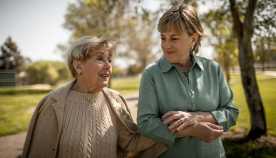
Grief Hurts the Heart

New study shows its impact on the bereaved

  • Text
  • Print
  • Comments
  • Recommend

In the weeks after losing a spouse or child, the bereaved are much more likely to experience rapid heartbeats and other potentially dangerous changes in heart rhythm, according to a study presented Sunday at an American Heart Association conference in Chicago.

The findings offer a new glimpse into the physiology underlying an ancient folk belief: that a person can perish of a "broken heart."


In fact, research over the last half-century has established a firm link between bereavement and an increased risk of dying from any cause, and from cardiovascular events like a heart attack, sudden cardiac arrest and stroke in particular.

One Scottish study published in 2007 found that, even after controlling for other risk factors, loss of a spouse increased a person's chances of dying by nearly 20 percent. An earlier study suggested that, during the first day of bereavement, a person's risk of nonfatal heart attack is increased as much as 14-fold.

In the latest study, led by Thomas Buckley, of the University of Sydney Nursing School, 78 people who had lost a spouse or child within the previous two weeks were tested using round-the-clock heart monitors, questionnaires and other tools, then reexamined six months later.

Initially, those who were suffering a loss had higher average heart rates, more episodes of rapid heartbeat and reductions in the normal variation in heart rate — as well as sharply increased anxiety and depression — compared with people in the control group. But at six months, those in the bereaved group showed the same heart activity as those in the control group; their anxiety and depression also had diminished.

"This is interesting as a study of mechanisms," says Rachel Lampert, M.D., a cardiologist at the Yale School of Medicine whose own research has documented similar heart-rhythm changes after the 9/11 terrorist attack in people who happened to be wearing heart monitors. Normally, the heart rate slows very slightly as a person breathes in. Reductions in this natural variability, as well as overall hikes in heart rate, may signal that the body's fight-or-flight response is in overdrive, says Lampert. This disturbance of the nervous system might, in turn, trigger potentially fatal heart attacks or arrhythmias in susceptible people.

The changes are not necessarily a sign of underlying heart disease, says Buckley, the Sydney study's lead author. "People have great capacity to absorb changes in heart rate or heart-rate variability." On the other hand, he says, in those with underlying risk even short episodes of anger or other distressing feelings have been implicated in cardiac events. The bereavement-related changes seem to last for days, perhaps weeks or even months. "That's quite a long hazard period," says Buckley.

Work published in 2009 by Buckley and colleagues also showed, among the newly bereaved versus controls, higher anger ratings, reduced sleep and appetite, and increases in morning levels of the stress hormone cortisol.

Buckley says evidence does not suggest any benefit from early psychological intervention in grieving, which after all is a normal process. But he does say more research should look at therapies aimed specifically at reducing heart rate, and that physicians should be aware of heart risks in patients coping with the loss of a loved one.

Lampert agrees: "This points out the need to be paying careful attention to symptoms like chest pain and shortness of breath" in such patients, she says.

Katharine Greider lives in New York and writes about health and medicine.

Topic Alerts

You can get weekly email alerts on the topics below. Just click “Follow.”

Manage Alerts

Processing

Please wait...

progress bar, please wait

Tell Us WhatYou Think

Please leave your comment below.

You must be signed in to comment.

Sign In | Register

More comments »

Health Blog

Discounts & Benefits

AARP Discounts on ACE Services

Members save 20% off on personal training and group fitness with American Council on Exercise.

Grandson (8-9) whispering to grandfather, close-up

Members save on hearing care with the AARP® Hearing Care Program provided by HearUSA.

Member Benefits

Members receive exclusive member benefits and affect social change. Join Today

bring health To Life-Visual MD

featured
Groups

Social Security

How to strengthen Social Security for future generations. Discuss

Medicare & Insurance

Share health coverage information and experiences common to being age 50+. Join

Health Nuts

Share heart-smart recipes, fitness tips and stress relievers. Join