






























































AARP.org
Connect with the AARP Community.
Log In
Register Now

Health

Staying Active with Health Challenges

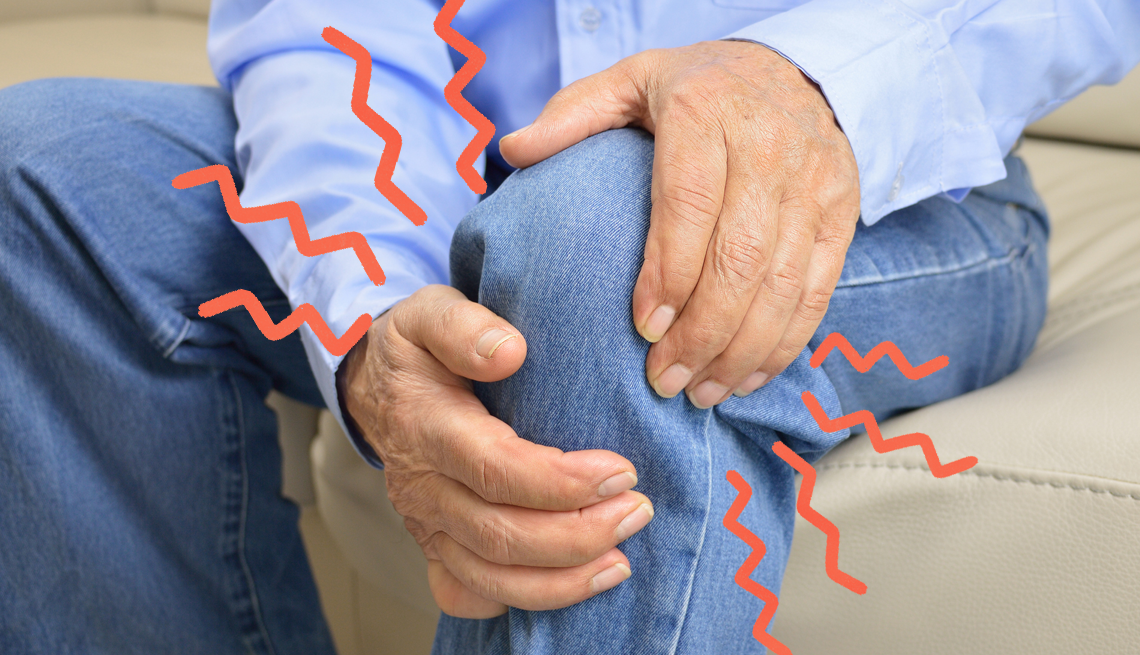
Has arthritis, chronic back pain or another disability caused you to give up on physical activity?

It shouldn't. Gone are the days when physical limitations subjected you to a life of inactivity. More and more, research is showing that moving your body is good for your physical and mental health, even if you have a challenging health condition.

With a doctor's okay and the right program, people with health challenges can enjoy the health benefits that come with being active. In fact, movement has replaced bed rest as the prescription for conditions such as back pain and recovery from heart and other surgeries. And people with special needs are enjoying such activities as walking, skiing, cycling and swimming events, and even marathons.

Movement Okay for Most

According to the American Council on Exercise (ACE), most people, unless they have some kind of silent, cardiovascular impairment, can safely begin an exercise program if they start out slowly and build up gradually once they see improvements.

"If you've had an injury or a health condition that makes activity difficult, you should talk to your doctor about physical therapy and exercise," says Pattie Cinelli, an ACE personal fitness trainer who's been training clients – young and old – in theWashington, DC area over the last 20 years.

"You may also consider making an investment to work with one-on-one with a personal trainer. Before you begin, and following your sessions, a trainer can consult directly with your doctor to ensure the activity is safe and effective for you."

One of the easiest ways to get moving is to walk. You can start out slowly and build on your routine by going longer distances or walking at a faster pace. Just be sure to:

  • wear walking shoes with good support and traction;
  • drink plenty of water before, during, and after exercise;
  • be aware of the weather, such as extreme heat and humidity or cold and ice; and
  • be alert to any warning signs, such as dizziness or pain, that might signal a problem.

Also remember to take your time. You can even break your activities into shorter sessions if a longer one is too much. For instance, do two, 15-minute walks instead of one half-hour walk.

Getting Help

If you need help designing an exercise program, consider using a personal trainer or fitness instructor who is trained and certified to work with people who have health challenges.

A personal trainer can come to your home if it's hard for you to get out. While this could get expensive, it needn't be a long-term investment. Once a trainer gets you started with a program, occasional progress checks to see whether you should make any changes are probably all you need.

Good places to find specialized fitness classes, such as the PACE (People with Arthritis can Exercise) program include hospital wellness programs, the YMCA, and local health clubs. Many health clubs now are hiring instructors and trainers with specialized education. But if you want to join a health club, research it first.

AARP Resources

Walk Your Way To Better Health
Walking is easy, cheap, gentle on the body and good for people of all ages and almost any fitness level.

Making a Splash With Water Workouts
Water makes it comfortable for some people with special needs to exercise who otherwise couldn't.

Choosing a Health & Fitness Club
Learn what to look for when choosing the right facility for your needs.

Pick the Best Personal Trainer for You
Pick a personal trainer to meet your personal fitness needs.

Additional Resources

National Center On Physical Activity And Disability (NCPAD) NCPAD has general exercise guidelines for people with disabilities, fact sheets, video clips, slide shows, discussion groups, a calendar of events, and research information.

Exercising With Arthritis
The Arthritis Foundation designed physical activity programs specifically for people with arthritis, including the PACE (People With Arthritis Can Exercise) Program.

American Council On Exercise Find a certified clinical exercise specialist – a person with experience designing programs for people with special needs and chronic diseases – in your area.

Books

Find these books online at Barnes & Noble.com

Exercises for Osteoporosis: A Safe and Effective Way to Build Bone Density and Muscle Strength
Dianne Daniels, Hatherleigh Press, November 2004

Exercise and Sport in Diabetes
Dinesh Nagi (Editor), Wiley, John & Sons, Incorporated, February 2006

Email Newsletters

Discover healthy tips on exercise, eating right and personal care.

Health Products & Services

Health Insurance - Dental, long term care and a range of health insurance products.

Health Discounts - Vision and prescription savings.

Fitness Discounts - On nationwide health clubs and personal trainers.

Additional Products & Services

Advertisement


Advertisement

Quick Clicks

Driver Safety Course

Life@50+ | AARP's National Event & Expo

AARP in Your State

Message Boards

Contact Congress

National Employer Team

Show Your Support
AARP Campaigns

Divided We Fail–together we can do anything.

Using Meds Wisely–be a smart consumer.