

























The Science of Romance
By: Diane Brown Source: AARP Bulletin Date Posted:
If you think you understand love, then please: put down this magazine, call MIT, call Oprah, call the TV networks, and get your own show, because clearly you're a genius. For those of us who have no clue, we asked Robert J. Sternberg, Ph.D., dean of arts and sciences at Tufts University in Medford, Massachusetts, and coeditor, with Karin Weis, of The New Psychology of Love (Yale University Press, 2006), to tell us just what the heck is going on in the minds and hearts of women and men.


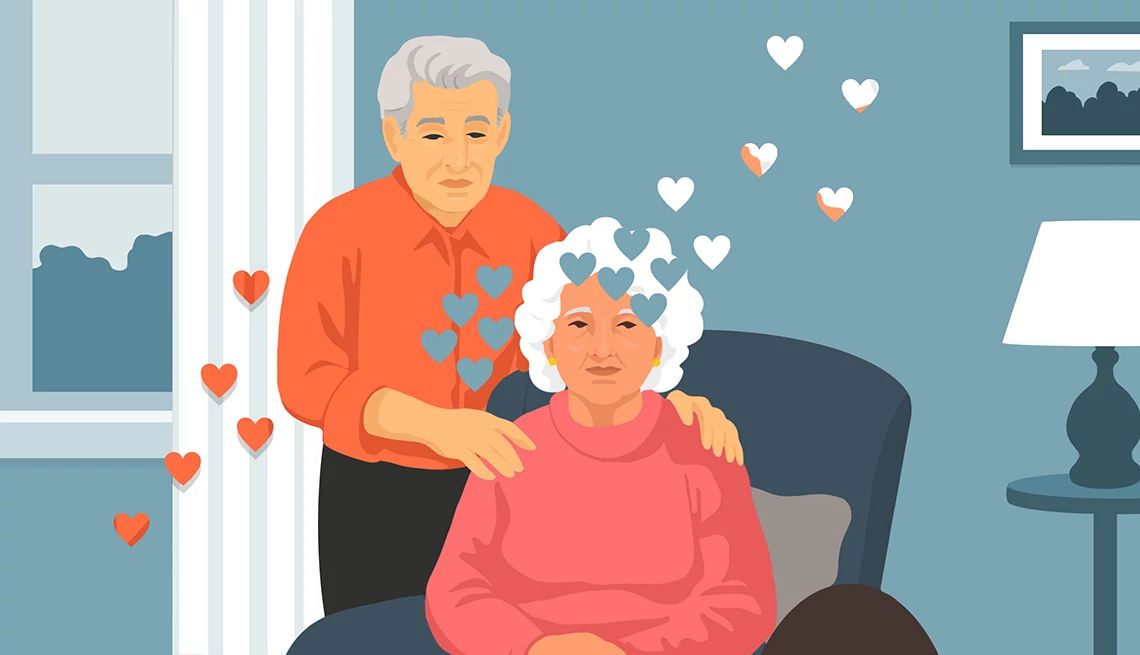
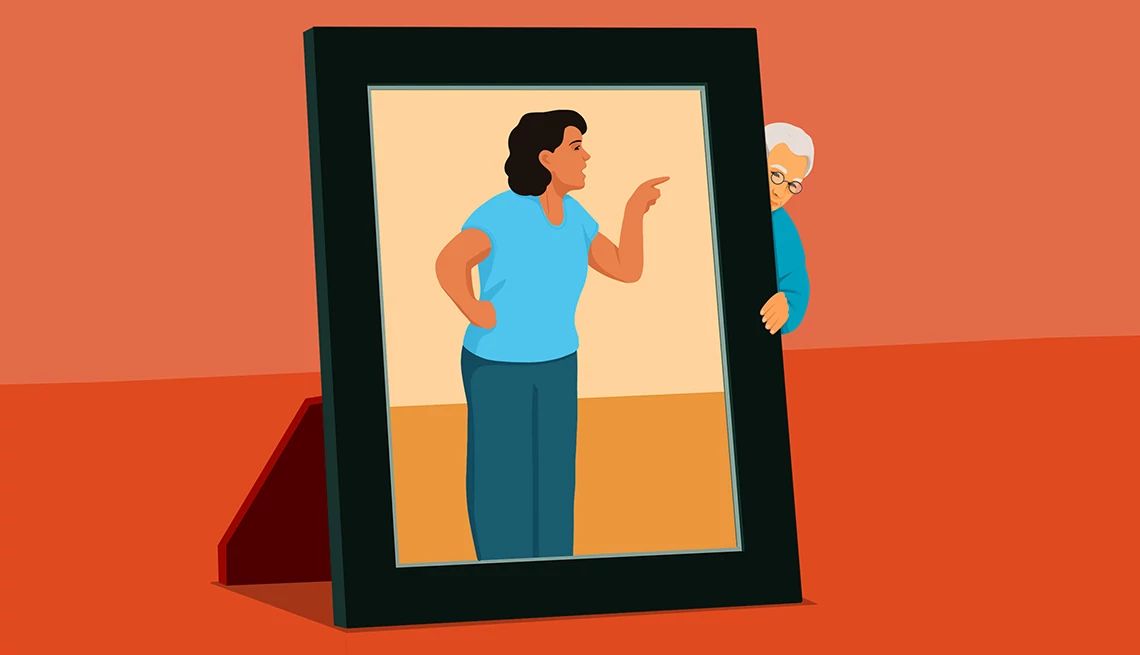
Q: Do men and women think about love differently?
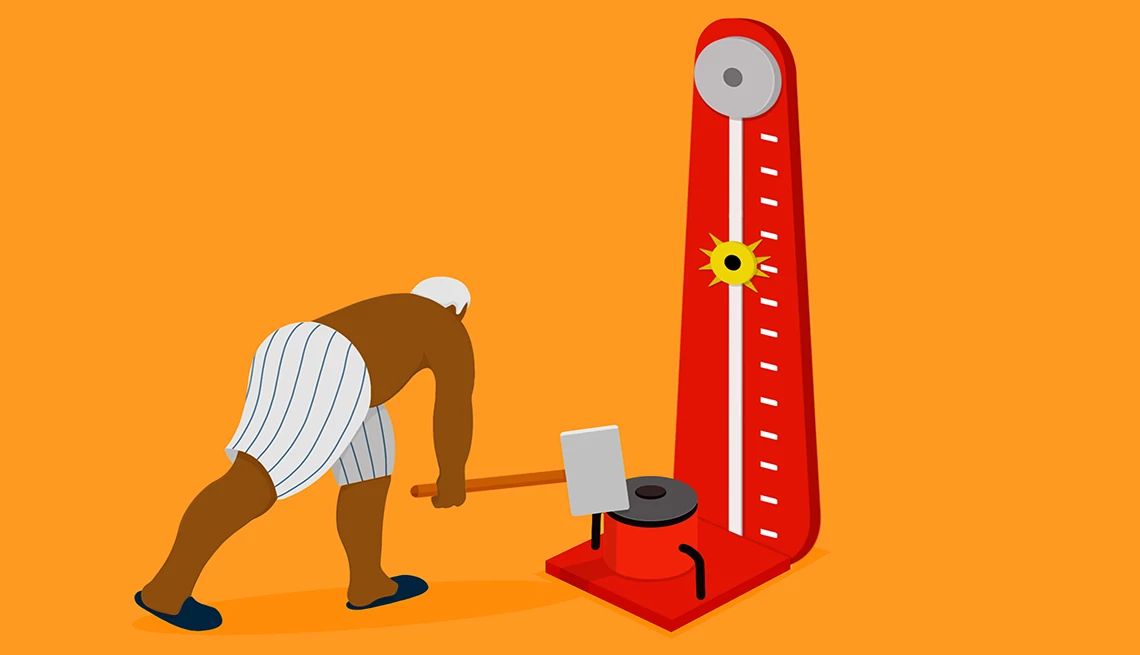
A: The similarities are probably greater than the differences. In my own theory of love there are three components: intimacy, passion, and commitment. Women tend to place more emphasis on intimacy: communication, sharing, support. But men are more likely to score higher on the passion component. Not just sex, but in feeling overwhelmed or losing their heads over a relationship. They are more willing to enter into a relationship based on passion than women are. And they're more likely to believe in love at first sight.
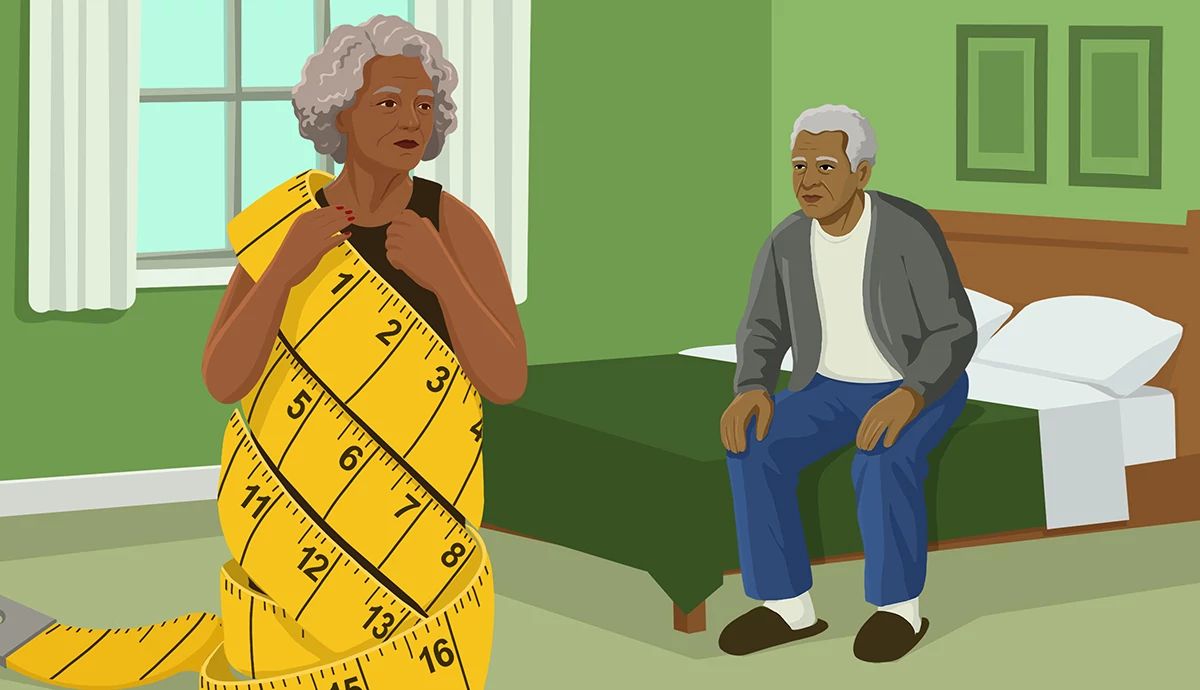
Q: Can people die from a lost love?
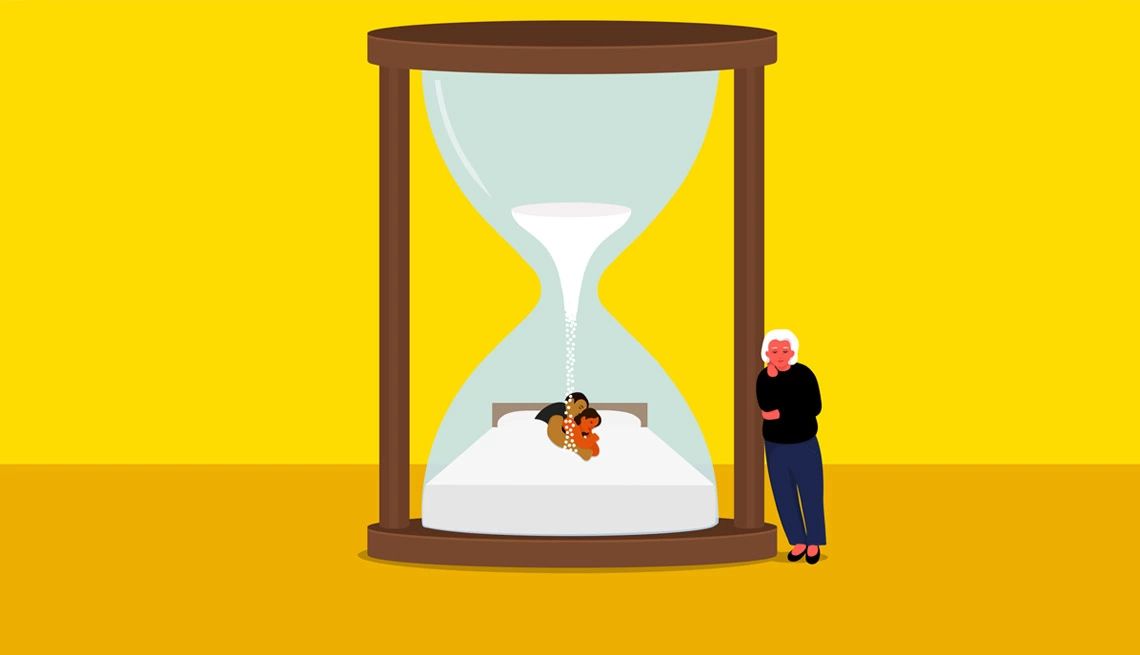
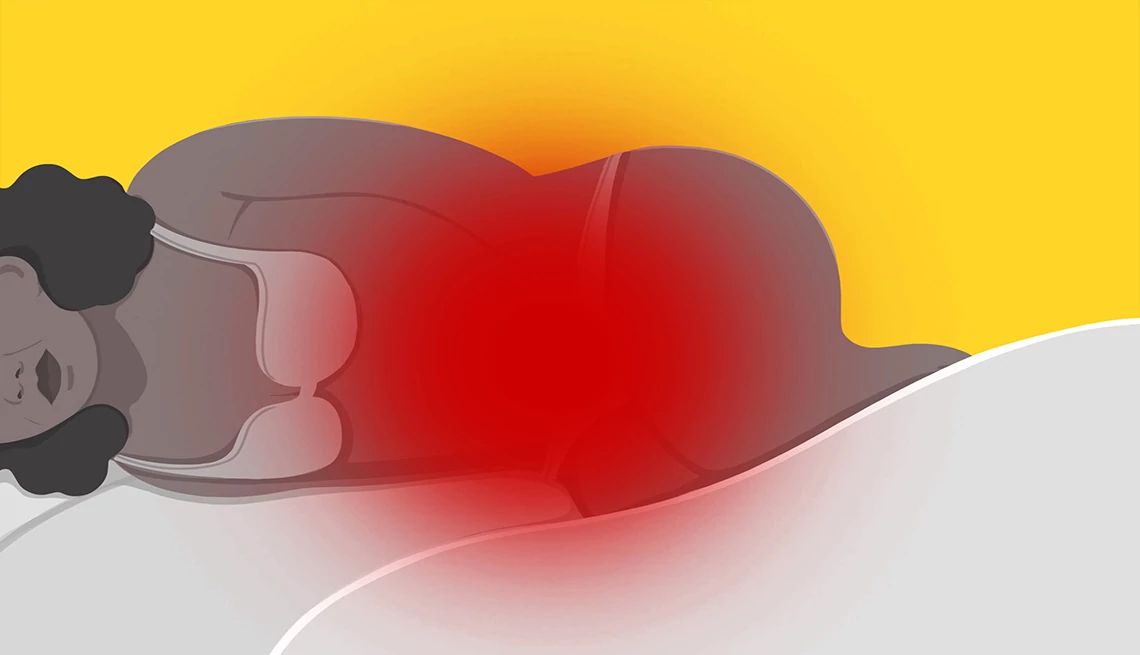
A: They can, and they do. Research has shown there's a tight connection between psychological states and physiological functioning, and scientists have found that when people are sad, their immune functioning decreases substantially, so they put themselves at risk of all kinds of problems. The loss of a love can set off a physiological cascade that leads a person to start losing his or her health.
Q: Can passion really occur at any time of life?
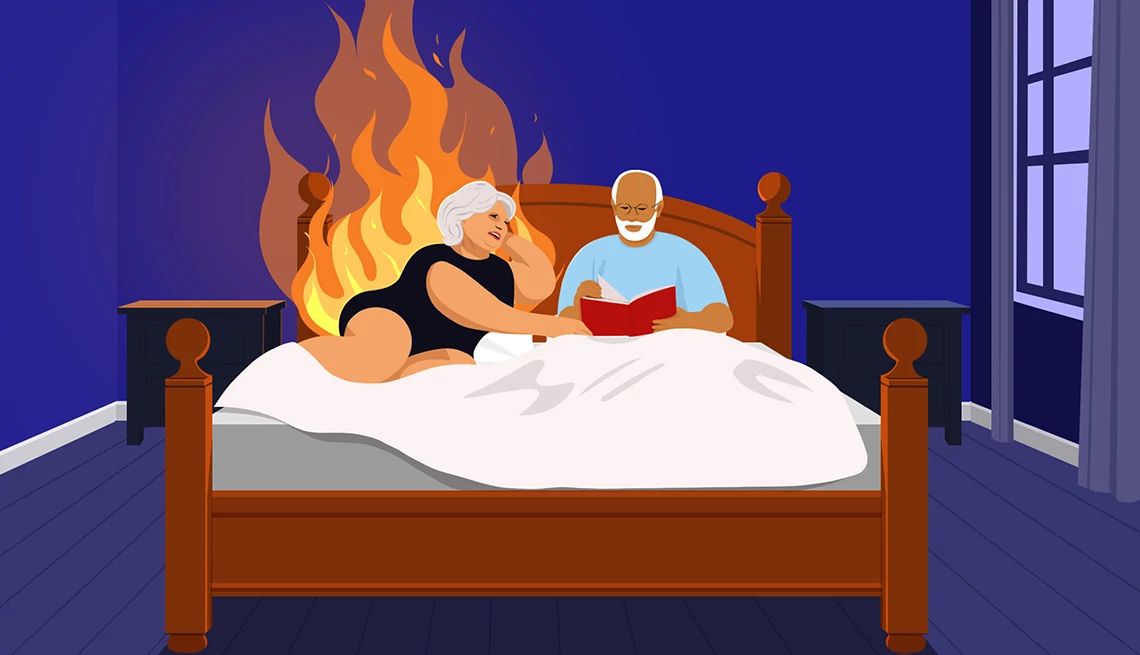
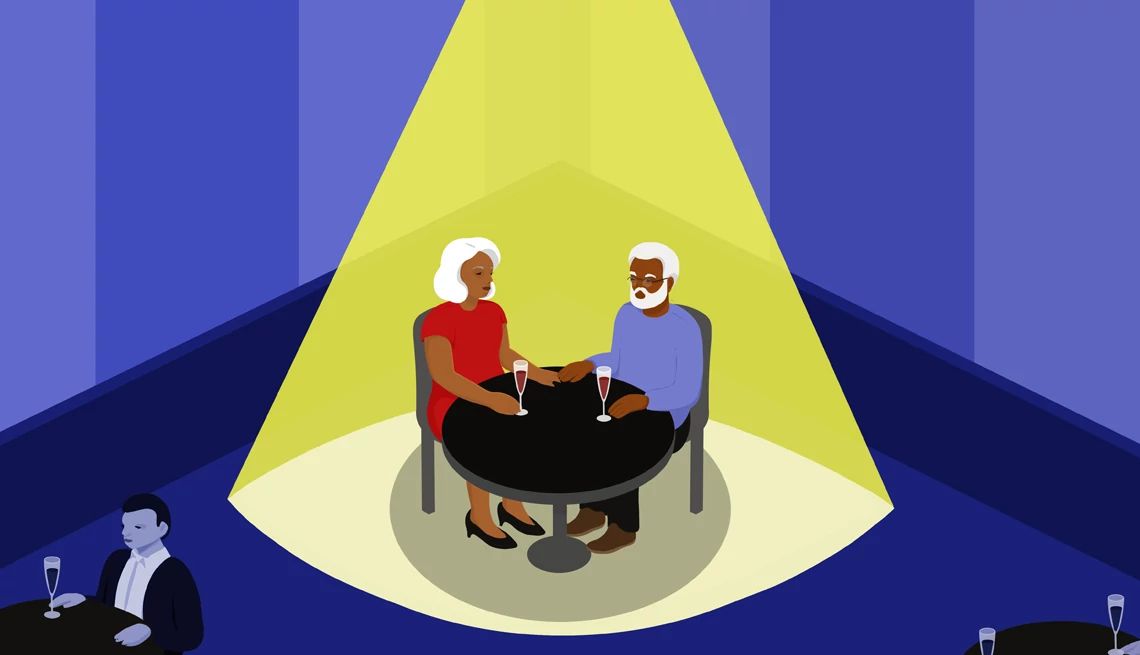
A: Absolutely. Passion isn't just for the young, and passion isn't only about sex; it's about excitement, and feeling that you really want to be with someone.
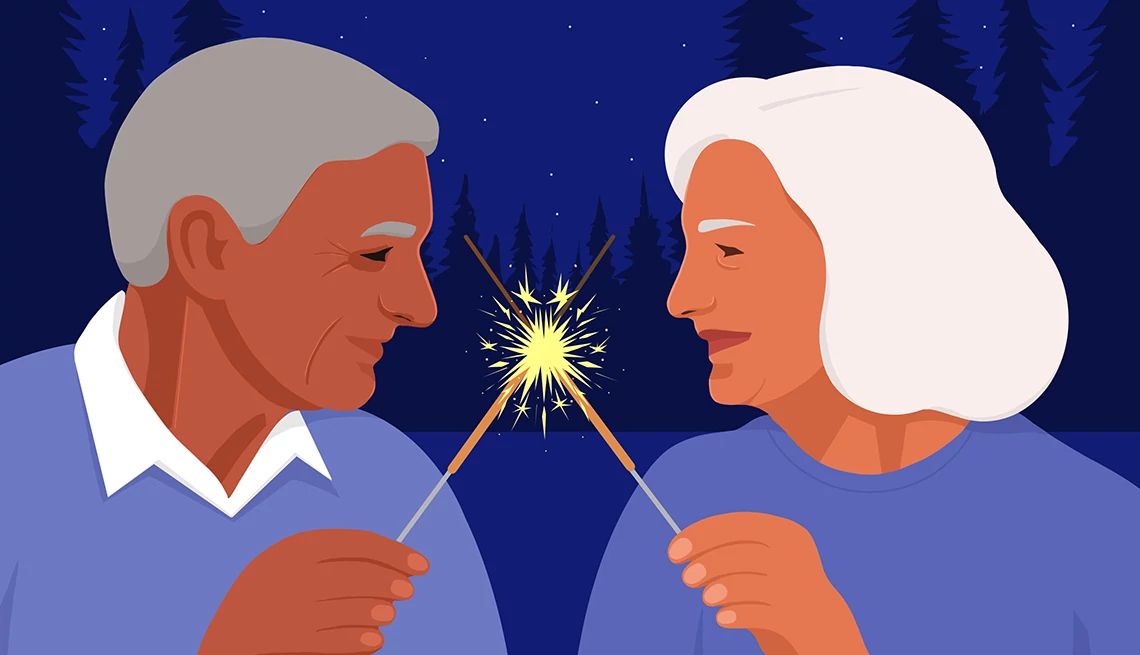
Q: Can passion be sustained in a long-term relationship?
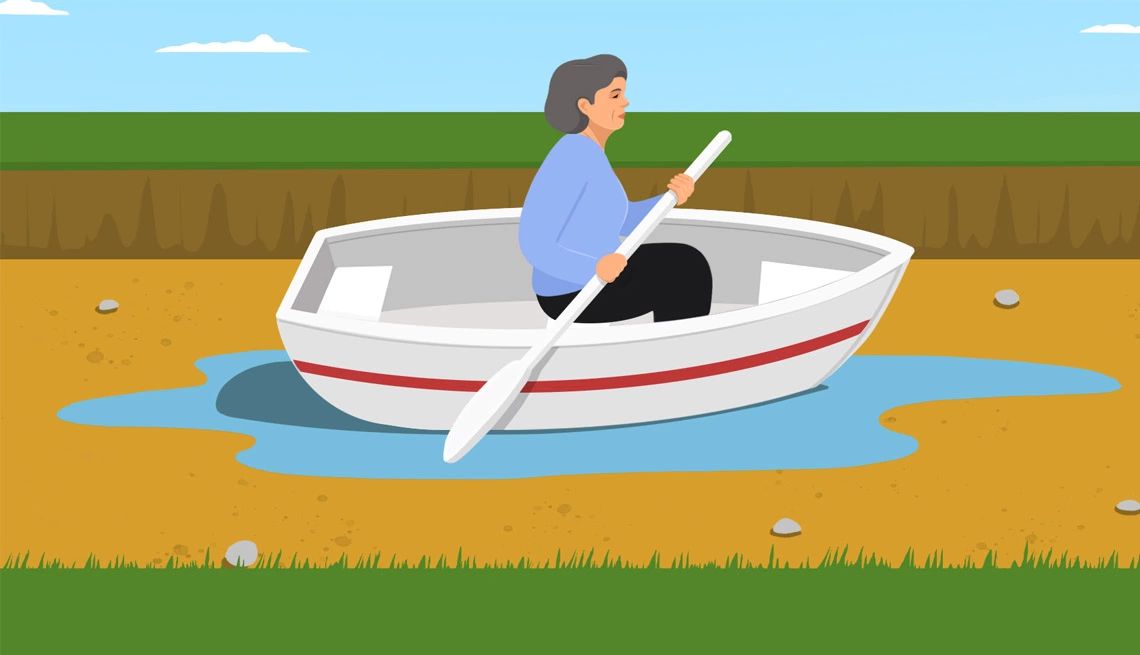
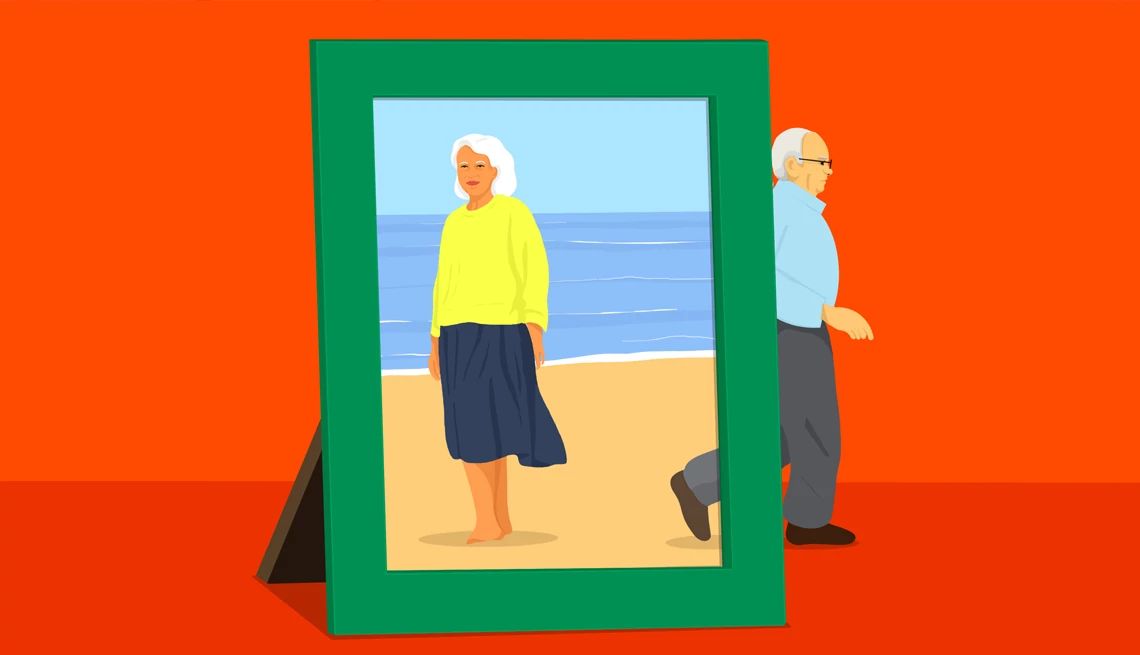
A: Yes, but it's hard. When life becomes too routine, passion tends to flag. The way you sustain passion is by creating excitement, challenges, new situations. And that's something you can do at any age.
Q: Do men and women think about love differently?
A: The similarities are probably greater than the differences. In my own theory of love there are three components: intimacy, passion, and commitment. Women tend to place more emphasis on intimacy: communication, sharing, support. But men are more likely to score higher on the passion component. Not just sex, but in feeling overwhelmed or losing their heads over a relationship. They are more willing to enter into a relationship based on passion than women are. And they're more likely to believe in love at first sight.
Q: Can people die from a lost love?
A: They can, and they do. Research has shown there's a tight connection between psychological states and physiological functioning, and scientists have found that when people are sad, their immune functioning decreases substantially, so they put themselves at risk of all kinds of problems. The loss of a love can set off a physiological cascade that leads a person to start losing his or her health.
Q: Can passion really occur at any time of life?
A: Absolutely. Passion isn't just for the young, and passion isn't only about sex; it's about excitement, and feeling that you really want to be with someone.
Q: Can passion be sustained in a long-term relationship?
A: Yes, but it's hard. When life becomes too routine, passion tends to flag. The way you sustain passion is by creating excitement, challenges, new situations. And that's something you can do at any age.


preview