Alert
Close

New! Boost your memory with AARP Brain Fitness. Try these fun exercises proven more effective than crosswords

AARP Membership: Just $16 a Year

Highlights

Open

Dunkin' Donuts

Members receive a Donut with purchase of a L or XL beverage

Social Security Calculator

What will your Social Security benefits pay out?

AARP® Vision Discounts

provided by EyeMed

Technical Icon

Spanish Preferred?

Visit aarp.org/espanol

Job Tips for Workers 50+

Hear insights from hiring employers

Check your
Horoscope

spring 2013
national event

AARP presents Life@50+

Viva
LAS VEGAS!

May 30 -
June 1

Discover your Real Possibilities and join us to be part of the Life@50+ Community Day of Service.

Most Popular
Articles

Viewed

Recommended

Commented

The Sound of (Latin) Music

From Patagonia to the Caribbean, the beats and rhythms capture the world's hearts and souls.

  • Text
  • Print
  • Comments
  • Recommend
The Sound of Latin Music

— Illustration: Gluekit

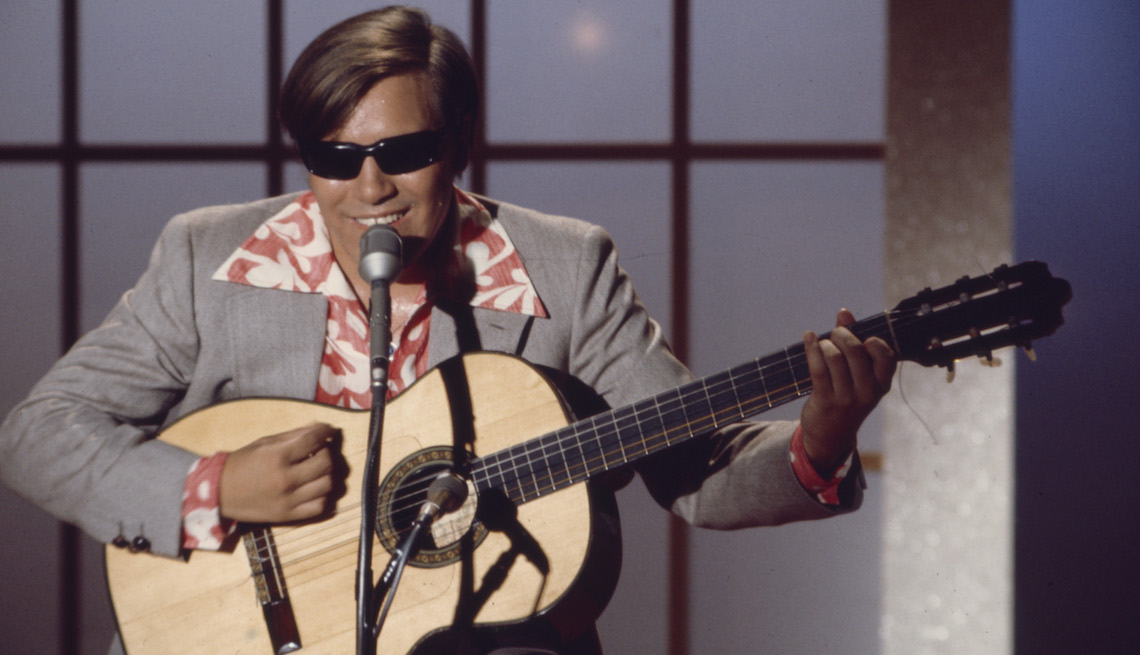
En español | If there's one element that defines Latin American music, it is its richness. From Brazil and Argentina to Cuba and Puerto Rico, the soundscapes are endless—evoking a kaleidoscope of feelings, moods, and textures. And although Latin America has produced its own giants in the genre of classical music, it is the rhythms and melodies of its people that have captured the hearts and souls of fans in other parts of the world. Specifically, the recordings made between the 1950s and 1970s reflect a golden era, a time when such enduring icons as Tito Puente, Los Panchos, Antonio Carlos Jobim, Celia Cruz, and José José created their best works.

In the United States, official recognition of the diversity of Latin music is evident in the increased number of Latin categories in The Recording Academy's Grammy Awards and the creation of the Latin Grammy Awards in 2000.

Let's take a brisk tour through the major genres and styles of Latin music, focusing on a few essential albums that are guaranteed to take your breath away.

Don't Cry for Me, South America

Argentina is the home of the tango, the music of European immigrants who brought the sweet-sounding, accordion-like bandoneón from Germany. Tango is bitter by nature—a reflection of endless nostalgia for the homeland. Carlos Gardel is an inevitable reference. The Best of Carlos Gardel (Blue Note, 1998) includes such tango anthems as "Mi Buenos Aires querido" and "El día que me quieras." Of equal importance is Astor Piazzolla, the temperamental genius who updated tango through the influence of jazz and classical music. A nocturnal masterpiece of moods, his Tango: Zero Hour (Nonesuch, 1986) is the place to start. Although tango is known as a macho genre, many female vocalists blossomed in it: both the sassy Tita Merello and raspy-voiced Adriana Varela are indispensable.

Even by Latin American standards, Brazilian music delivers an embarrassment of riches. It all begins with the lilting samba, a song format that through the juxtaposition of bouncy beats and bittersweet melodies manages to sound wistful and uplifting at the same time. Crooner Lúcio Alves recorded a number of stunning LPs during the fifties—the compilation Pure Bossa Nova (Verve, 2006) is a dreamy delight. During the sixties, the bossa nova (a jazzier, highly sophisticated version of the samba) took over the world through the breezy "Garota de Ipanema," the Antonio Carlos Jobim composition performed by João and Astrud Gilberto with American jazz tenor saxophone giant Stan Getz. It is the opening track of the classic Getz/Gilberto (Polygram, 1964) LP—a bestseller to this day.

Later, through the seventies, a constellation of stars including Caetano Veloso, Milton Nascimento, Gilberto Gil, Gal Costa, and Ivan Lins would introduce tropicalia (psychedelia meets rock, samba, and reggae) and the more accessible MPB (Música Popular Brasilera). Nascimento's Beatlesque Clube da esquina (Blue Note, 1972) is a great place to start.

Next: Caribbean rhythms: From cumbia to merengue. >>

Topic Alerts

You can get weekly email alerts on the topics below. Just click “Follow.”

Manage Alerts

Processing

Please wait...

progress bar, please wait

Tell Us WhatYou Think

Please leave your comment below.

You must be signed in to comment.

Sign In | Register

More comments »

entertainment for
grownups

Discounts & Benefits

From companies that meet the high standards of service and quality set by AARP.

Smart Food

Members can download a coupon offer to save $1.25 on one bag of Smartfood® Selects.

Tanger Outlets

Members receive a free Tanger Coupon Book including discounts from top brand names.

Cirque Du Soleil

Members save up to 20% on live Cirque du Soleil shows with an AARP membership card.

Member Benefits

Members receive exclusive member benefits & affect social change. Join Today

Being Social

Internet Radio

Featured
Groups

MOVIES FOR GROWNUPS

That new film might be hot at the box office — but does it live up to its hype?  Discuss

TV talk

TV TALK 

What's on? What's hot? What's not? Discuss