




































By Cynthia Leibrock
1. Don't try dragging your
service dog behind you into the bathroom of an RV. He won't fit!
Do plan your next bathroom with a 5-foot turnaround space. This
provides more room to maneuver with a wheelchair, walker,
stroller, and yes, a service animal.
2. Plan a safe place for a dog
or cat bed, and insist that the pet use it. Sleeping pets are a
tripping hazard when you never know where they decide to nap.
Choose floor coverings that contrast from your pet. This year,
almost 90,000 Americans will visit the emergency room because of
falls caused by pets.
It's easy to trip over a pet's
food bowl, too. Find a corner to wall-mount your pet's food bowls.
3. My hubby and dog take a
shower together every night in our universal shower. This may be more information than you wanted, but
frequent pet baths prevent allergies. (We call our dog "the pollenator.")
4. You would be surprised by the
number of houseplants that are toxic to pets, children, and people
with allergies. The ASPCA offers a great reference list.
5. Nonskid, hard-surface
flooring is easier to keep clean in households with children
and/or pets. This kind of flooring also works well for wheelchair users and
people using canes and walkers.
6. Antimicrobial products work
well with pets. Antimicrobial carpet is treated to prevent fungus
and bacteria, including the bacteria that cause pet odors.
Upholstery, wall covering, and even counter tops can be treated
with antimicrobials. We never worry about bacteria or mold on our
kitchen counters.
7. A "doggy door"
between the garage and a fenced yard saves multiple trips to walk
the dog (especially with older dogs) and keeps the dog from
tracking in dirt all day. A garage with a doggy door is also a
good place to isolate the dog from guests with allergies or
visitors with reduced stability.
8. To prevent breakage and
resulting injury, store collections behind glass, away from
playful pets and friendly tails.
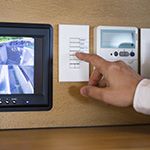
9. Home security is a top
priority for many older adults and for anyone with a disability.
Most pets can help with early detection. Some deter break-ins and
can protect you from intruders.
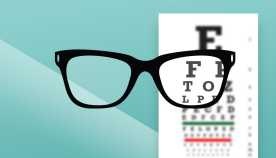
10. Increased lighting levels can make pets easier to spot and thus reduce
tripping. In universal design, we generally specify higher
lighting levels anyway. It has been estimated that people with
cataracts and visual disabilities often need up to five
time more light than the rest of the population.